air india pilot
|

Air India pilot undergoes confirmatory drug test after turbulence incident injures 17


India’s aviation authorities have launched an investigation after an Air India flight experienced severe turbulence that injured 17 passengers and crew members, with the pilot now undergoing additional testing following an initial screening result.

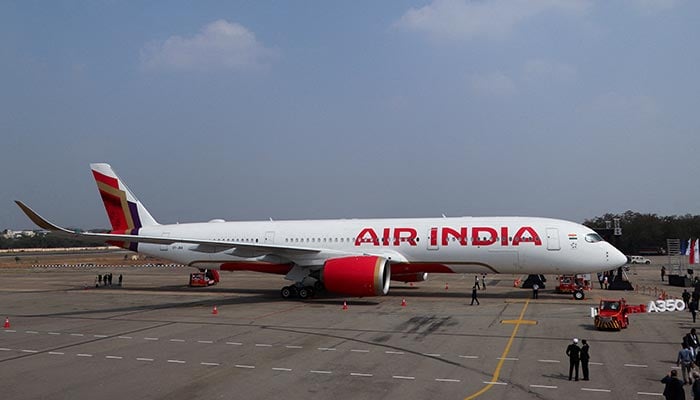
The incident occurred on August 4 when an Air India Airbus A320 was travelling from Phuket, Thailand, to New Delhi. The aircraft was carrying 137 passengers and eight crew members when it suddenly lost approximately 300 feet, or 91 metres, in altitude before recovering and continuing its journey safely.

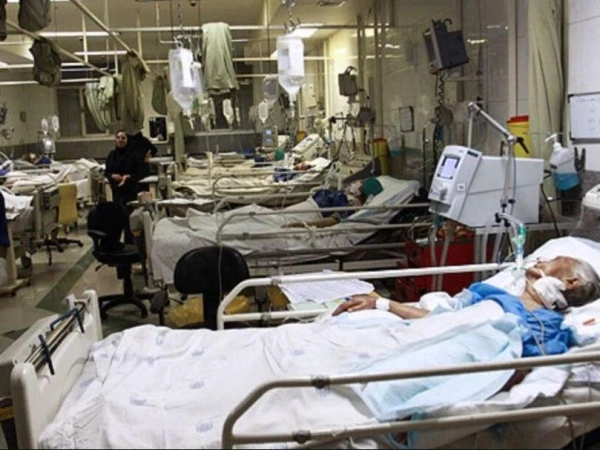
After the aircraft landed in the Indian capital, eight passengers and four cabin crew members were taken to hospitals for medical treatment. Authorities said their conditions were stable.

Following the incident, both pilots underwent routine screening for psychoactive substances, as required under aviation safety procedures. According to India’s Ministry of Civil Aviation, the initial screening involving the pilot-in-command produced a result that required further examination.

The ministry said the pilot’s sample has been sent to an authorised laboratory for confirmatory analysis. Officials are now waiting for the final laboratory report before deciding whether any further action is necessary.

The aviation ministry has classified the incident as a “Serious Incident”, prompting India’s Aircraft Accident Investigation Bureau (AAIB) to begin a formal investigation into what happened aboard the aircraft.

Both pilots have also been temporarily removed from flight duties while the investigation and confirmatory testing are underway. Authorities said any additional measures will depend on the findings of the investigation and the results of the laboratory analysis.

Footage shared after the incident showed signs of the turbulence inside the aircraft, including cabin baggage scattered along the aisle. Some injured passengers were reportedly carried from the aircraft on stretchers after landing.

Air India separately confirmed that its pilots had undergone post-flight screening following the incident. However, the airline said the results of those tests had not been provided to the company.

The incident represents another challenge for Air India as the carrier continues a major transformation under the ownership of India’s Tata Group. Since acquiring control of the airline in 2022, Tata has undertaken an extensive modernisation programme, including placing large aircraft orders and working to upgrade Air India’s ageing fleet and operations.

The airline has made progress in integrating its aviation businesses and improving its services, but it continues to face several difficulties. These include delays in aircraft deliveries and disruptions caused by airspace closures linked to the 2025 India-Pakistan conflict.

Air India has also been attempting to rebuild public confidence following a far more devastating accident in June 2025. Air India Flight 171, a Boeing 787 Dreamliner travelling to London, crashed shortly after take-off from Ahmedabad. The accident killed all but one of the 242 people aboard the aircraft, while 19 people on the ground also lost their lives.

As the airline works to recover from recent setbacks, it has appointed aviation industry veteran Tewolde Gebremariam, the former chief executive of Ethiopian Airlines, as its new CEO. He is expected to play a key role in the company’s efforts to strengthen operations, restore confidence and lead its broader turnaround strategy.

The latest turbulence incident will now be closely examined by Indian aviation authorities as they determine its cause and assess whether any further safety measures are required.

Similar Posts

  • | |

    Vance pledges military, diplomatic pressure on Iran

    The United States will use military, economic and diplomatic measures to bring the conflict with Iran to an end, Vice President JD Vance has said, stressing that Washington remains committed to preventing Tehran from acquiring nuclear weapons. In a television interview, Vance said negotiations with Iran remain difficult due to internal divisions within the country’s leadership. He claimed that while some factions in Iran want to end the conflict through diplomacy, others continue to support confrontation, making negotiations more complicated. Despite the challenges, Vance expressed confidence that a settlement could eventually be reached, although he acknowledged the process would take time. He said the US hopes regional stability will improve and global oil prices will ease once tensions decline. The vice president reiterated that the United States would continue using every available tool, including military strength, economic sanctions and diplomatic engagement, to achieve what he described as a lasting resolution. Meanwhile, President Donald Trump said he still prefers diplomacy over military action. Speaking at a public event, Trump said he would rather reach an agreement with Iran than resort to war, but warned that military action remains an option if negotiations fail. Trump also dismissed reports suggesting the United States is facing shortages of key military ammunition. He insisted that the country has substantial stockpiles of weapons and said defence manufacturers are rapidly expanding production to meet future requirements. The president further warned that individuals responsible for leaking classified information about US military capabilities would face legal action, saying authorities were actively pursuing those involved. The developments come as tensions remain high around the Strait of Hormuz, one of the world’s most important shipping routes for oil exports. At the same time, eight leading international shipping organisations have urged the United Nations to oppose any proposal to impose mandatory transit fees on vessels passing through the Strait of Hormuz. In a joint letter addressed to the UN and the International Maritime Organization (IMO), the organisations warned that introducing tolls would undermine the internationally recognised principle of free navigation and could increase shipping costs, fuel prices and inflation worldwide. The maritime groups also cautioned that allowing such charges could create a dangerous precedent for other international waterways and disrupt global trade. The appeal follows recent discussions between Iran and Oman on future arrangements for the Strait of Hormuz. Iranian officials said the two countries have reached preliminary understandings on several issues related to maritime traffic, although they clarified that the agreement does not mean the waterway will be fully reopened under a new system. Separately, reports in US media claimed President Trump had questioned senior defence officials over alleged shortages of military munitions during a recent Cabinet meeting. According to the reports, concerns over weapon supplies had influenced military planning regarding Iran.

  • |

    Kim Yo Jong warns Japan over expanding military power

    North Korea has issued a fresh warning to Japan, saying it could adopt new military measures in response to Tokyo’s growing defence capabilities. The statement came after Japan conducted a test of a US-made Tomahawk cruise missile, a move Pyongyang described as a serious security threat. Kim Yo Jong, the influential sister of North Korean leader Kim Jong Un, accused Japan of abandoning its traditional defensive military posture and moving toward offensive capabilities. In a statement released through North Korea’s state media, she claimed Tokyo is developing the ability to carry out pre-emptive strikes and military operations beyond its borders. She pointed to Japan’s recent Tomahawk missile launch from the Aegis destroyer Chokai in the Pacific Ocean, along with other missile tests and its participation in joint military exercises led by the United States in the Philippines earlier this year. Kim warned that North Korea would take additional military steps if Japan continued strengthening its armed forces. Although she did not specify what actions Pyongyang might take, she said Japan would face greater security risks as a consequence of its military expansion. The North Korean official also blamed the United States for supporting Japan’s military modernisation. She accused Washington of supplying Tomahawk missiles, upgrading Japanese naval vessels to operate the weapons, and backing missile tests, arguing that the US is encouraging policies that increase tensions in the region. According to Kim, Japan’s acquisition of long-range strike capabilities places North Korea and other neighbouring countries within potential missile range, raising concerns over regional stability. The latest remarks are part of a broader campaign by Pyongyang against growing security cooperation between the United States, Japan and South Korea. North Korean state media has repeatedly criticised joint military exercises and defence partnerships, describing them as provocative and a threat to peace on the Korean Peninsula. Regional analysts believe the statement is aimed at portraying Japan’s military modernisation as justification for North Korea’s continued weapons development. Experts also suggest the rhetoric could signal preparations for future military demonstrations, including missile launches or other strategic weapons tests, as Pyongyang seeks to reinforce its deterrence strategy amid rising regional tensions.

  • | |

    Report details Trump’s covert aircraft switc…

    President Donald Trump quietly switched planes while departing a NATO summit in Turkey last month as part of an elaborate security maneuver designed to counter a possible Iranian threat, according to a US media report. The report said Trump boarded Air Force One in full public view before being discreetly transferred to a separate military aircraft with the help of a catering truck used to shield the movement from onlookers. Journalists and some White House staff traveling with the delegation reportedly had no idea at the time that Trump had already been moved off the plane. Officials said security teams had identified a credible Iranian threat involving a possible missile strike against the aircraft. During the Ankara summit, Trump had described Iran as the country’s top target. According to the report, Trump had traveled to Turkey aboard a newer Boeing 747-8 previously donated by Qatar, but chose to depart on the older Air Force One instead, saying at the time it was “for old time’s sake.” Footage released on July 9 showed Trump boarding the presidential aircraft at Ankara airport before being secretly transferred to a smaller C-32A military jet, a modified Boeing 757 typically used to transport the vice president. Defense Secretary Pete Hegseth reportedly boarded the C-32A through a separate exterior entrance as part of the effort to keep the flight’s appearance routine. Journalists and staff who boarded Air Force One were told to lower their window shades during the departure. While in the air, Trump spoke with reporters on board and acknowledged concerns about threats from Iran, though he made no mention of the earlier switch between aircraft. Explaining why passengers had been asked to keep their windows lowered during the flight from Turkey, Trump said the flight carried added risk “because of the sleazebags we have to deal with.” A previous report had already raised questions about security risks tied to the Qatari donated jet, noting that the Secret Service had urged Trump to change planes during his return from the NATO summit. The United States has spent months upgrading the $400 million Boeing 747-8 to bring it up to presidential standards, while older Air Force One aircraft carry laser based countermeasures designed to disrupt the guidance systems of incoming missiles.

  • | | |

    New Indian chargé d’affaires takes charge in Pa…

    Dr. Styanjal Pandey has formally assumed his responsibilities as the new Indian chargé d’affaires in Pakistan. He will serve as the head of the Indian High Commission in Islamabad. Pandey took charge of the position on August 1, 2026, according to diplomatic sources. His appointment comes after the completion of the tenure of former Indian chargé d’affaires Geetika Srivastava. Srivastava has completed her diplomatic assignment in Pakistan and has returned to India. After assuming his new responsibilities, Pandey also visited Pakistan’s Ministry of Foreign Affairs in Islamabad. During the visit, he held a formal meeting with Sajjad Haider, Director General for South Asia at the Foreign Office. The meeting was part of his initial diplomatic engagements after taking charge of the Indian mission. Pandey also met other relevant officials of the Ministry of Foreign Affairs. The meetings focused on diplomatic engagement and matters concerning bilateral relations between Pakistan and India. Pandey’s arrival marks a change in leadership at the Indian High Commission in Islamabad at a time when relations between the two neighbouring countries remain closely watched. As chargé d’affaires, he will oversee the functioning of the Indian diplomatic mission in Pakistan and represent New Delhi in official diplomatic engagements. Diplomatic sources said Pandey has begun his official engagements following his appointment. His meetings with Pakistani officials are expected to provide an opportunity for continued diplomatic communication between the two countries. The Indian High Commission in Islamabad plays a key role in maintaining official contacts between Pakistan and India.

  • | | | |

    Israeli settlers torch two mosques in West Bank as…

    WEST BANK: Two mosques were set ablaze in the occupied West Bank overnight, Palestinian officials said on Sunday, in the latest escalation of violence that has sharply raised tensions across the territory. The attacks targeted a mosque under construction in Qusra, south of Nablus, and another mosque in the village of Kour, near Tulkarm. The incidents came only days after a deadly confrontation in the nearby village of Tal that left four Palestinians and two Israelis dead. In Qusra, Mayor Abdel Azim Wadi said settlers set fire to the mosque’s entrance and damaged parts of its stonework. Hebrew graffiti, including the word “revenge,” was reportedly sprayed across the walls. The Israeli military said troops were sent to the area after receiving reports of the fire. According to the army, the suspected attackers had already fled when soldiers arrived. Israeli police were expected to collect evidence and investigate the incident. The second attack took place in Kour, where Palestinian officials said a mosque was set alight and racist slogans were written on its walls. Worshippers and local residents managed to prevent the fire from causing further destruction, according to reports. The mosque attacks have added another disturbing chapter to a widening cycle of violence in the West Bank, where clashes, arson attacks and raids have intensified since the Gaza war began in October 2023. The latest incidents also follow a deadly confrontation in Tal on Friday, where four Palestinians and two Israelis were killed. The aftermath has triggered further arrests, raids and attacks in surrounding Palestinian communities. With tensions already running high, the torching of places of worship has raised fresh fears that the latest violence could fuel further retaliation and deepen an already volatile situation across the occupied territory.

  • |

    US accuses China’s Moonshot AI of stealing technology from American rival

    The United States has accused Chinese artificial intelligence company Moonshot AI of illegally using technology from a leading American AI developer, escalating tensions between the world’s two largest technology powers. The allegations were made by White House Science and Technology adviser Michael Kratsios, who claimed the Chinese company copied the capabilities of a US model to develop its own advanced AI system. Kratsios said Moonshot AI used a technique known as distillation to build its recently unveiled Kimi K3 model. Distillation is a process in which a smaller or less advanced AI model repeatedly interacts with a more powerful model to learn from its responses and improve its own performance. While the technique has legitimate uses within companies that own both models, using it to copy another company’s proprietary system without permission could violate intellectual property rights. According to Kratsios, the US government has information indicating that Moonshot AI extracted capabilities from Anthropic’s AI technology during the development of Kimi K3. He also alleged that the company gained access to restricted Nvidia servers powered by the advanced GB300 Grace Blackwell computing platform, despite US export controls designed to limit China’s access to cutting edge semiconductor technology. Moonshot AI has not publicly responded to the accusations. The Chinese embassy in Washington, Anthropic, Nvidia, and the White House had also not issued detailed comments following the allegations. The claims come just days after Moonshot AI introduced Kimi K3, an advanced open source language model that attracted global attention for its strong performance. Many industry experts said the model significantly narrowed the gap between Chinese and American AI technology. Moonshot described Kimi K3 as being capable of competing with some of the most advanced AI systems developed in the United States. The allegations have intensified concerns within Washington over the protection of American technology. US Treasury Secretary Scott Bessent recently said authorities are investigating whether Chinese AI companies have copied the capabilities of American competitors through large scale distillation efforts. He warned that sanctions remain an option if Chinese firms are found to have engaged in intellectual property theft. Bessent said the United States supports open source artificial intelligence because it encourages innovation and wider access to technology. However, he stressed that open source development does not give companies permission to copy protected American research or commercial products. The dispute comes at a sensitive time in US China relations. President Donald Trump is expected to meet Chinese President Xi Jinping in September as both countries continue negotiations on trade, technology, and security issues. Artificial intelligence has become one of the most important areas of competition between the two nations. The United States first imposed restrictions on exports of Nvidia’s most advanced AI chips to China in 2022 over concerns that the technology could strengthen China’s military capabilities. Since then, governments have increased efforts to prevent the illegal transfer and smuggling of high performance semiconductor chips into China. Moonshot AI plans to release Kimi K3 as an open source model on July 27, allowing developers around the world to download, modify, and build applications using the software. The planned release has generated significant interest because it would become one of the largest freely available AI models developed by a Chinese company. The latest accusations are not the first involving Anthropic. Earlier this year, the American AI company accused Chinese technology giant Alibaba of using similar distillation methods to copy the capabilities of its Claude AI models. Anthropic urged US lawmakers to strengthen legal protections for American AI technology and introduce tougher penalties for companies found to be stealing intellectual property. The White House has also announced broader measures to protect American innovation from foreign cyber and technology theft. Officials say the government is working more closely with leading AI companies to detect and prevent organised efforts aimed at copying proprietary research. As investigations continue, the allegations against Moonshot AI are expected to become another major issue in the growing technological rivalry between the United States and China.

Leave a Reply

Your email address will not be published. Required fields are marked *