attock get major
|

Attock to get major education boost


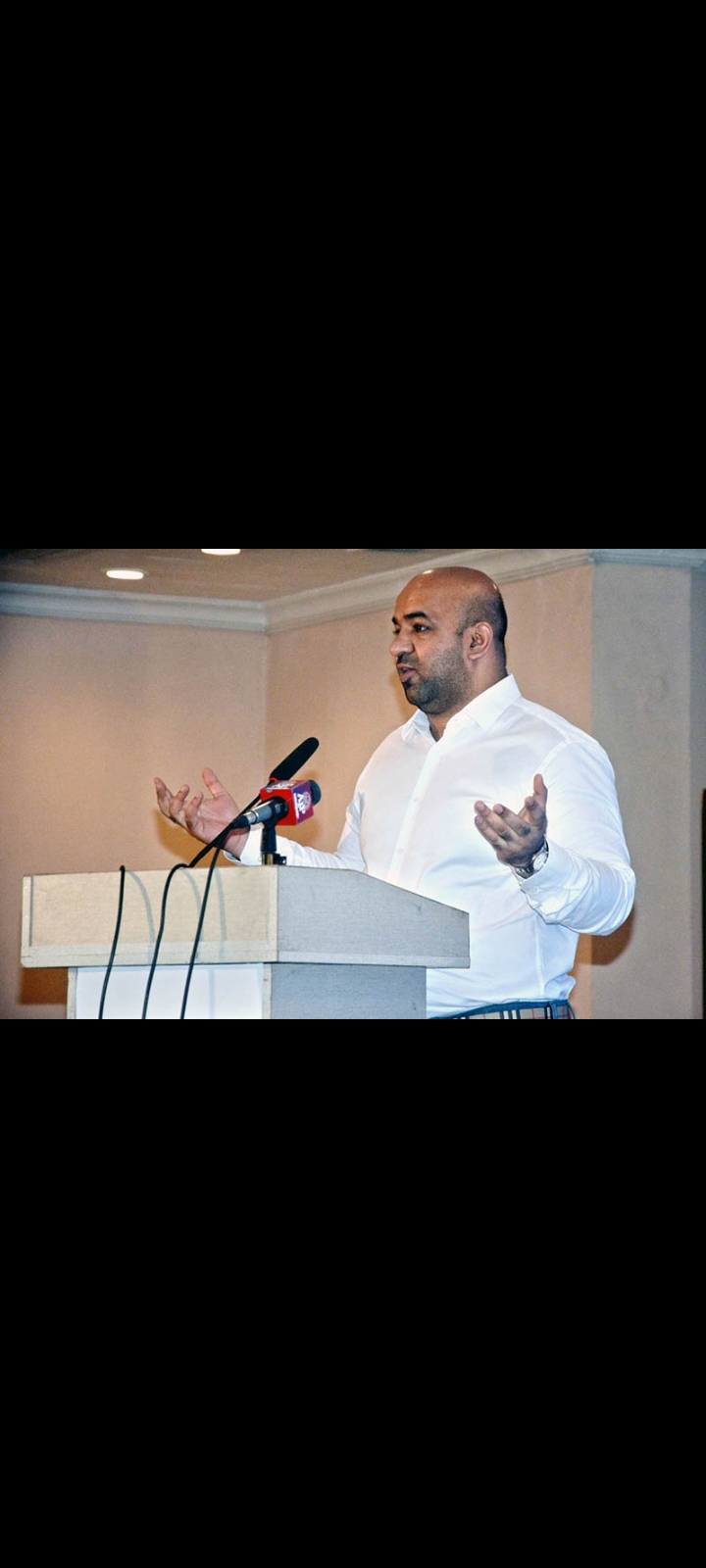
RAWALPINDI: Punjab Education Minister Rana Sikandar Hayat has announced a series of initiatives to improve education facilities and equip students in Attock with modern skills and technology.

Speaking at a ceremony in Attock, where he distributed certificates and laptops among high-achieving students, the minister said the Punjab government, under Chief Minister Maryam Nawaz Sharif, was working to build a modern education system and expand access to higher education for students from low- and middle-income families.

Rana Sikandar Hayat announced that the government would upgrade IT laboratories in 110 schools across Attock at a cost of Rs300 million. The upgraded facilities will offer training in artificial intelligence, freelancing, data analysis, robotics and other emerging fields.

He said the government would also modernise IT laboratories in Attock’s colleges. According to the minister, the number of computers available to students has improved considerably, with the government aiming to provide one computer for every 10 students.

The minister said Punjab had allocated Rs750 billion for the education sector to improve institutions and provide students with better facilities. He added that the Learn and Earn programme would help Attock students develop practical skills and pursue education alongside employment opportunities.

Rana Sikandar Hayat also announced two new university campuses in Attock, five Pink Buses for girls’ colleges and a study tour to Türkiye for students accompanied by teachers. In addition, 10 top-performing teachers from the district will be sent to Saudi Arabia for Umrah.

Highlighting the government’s focus on girls’ education, the minister said more than 50,000 female students across Punjab were studying IT at the matriculation level. He also highlighted initiatives involving solar panels, rainwater conservation and improved technology facilities in schools.

The minister said the Education Department was focusing on merit, transparency and performance while taking action against corruption and bribery. He added that more than 100,000 students had benefited from the Honhaar Scholarship Programme.

The ceremony was attended by MNA Sheikh Aftab Ahmed, MPA Malik Itibar Khan, Deputy Commissioner Attock Dr Mudassar Ahmed Shah, DPO Attock Captain (Retd.) Ali Bin Tariq, former provincial sports minister Jahangir Khanزادہ, Chairman WASA Punjab Chaudhry Sher Ali, education officials, teachers and students.

The event concluded with the distribution of certificates and laptops among students who achieved outstanding academic results.
Similar Posts

  • | |

    SC summons Sindh IG over murder FIR delays

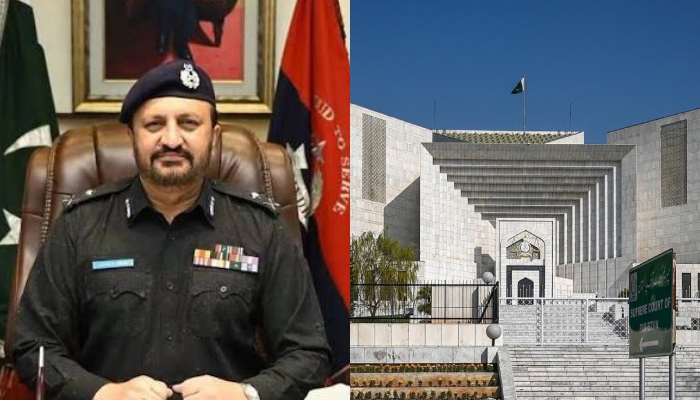
    The Supreme Court has summoned the Inspector General of Sindh Police over delays in registering murder cases. A bench of the Supreme Court heard a case concerning the alleged delay in the registration of murder FIRs. During the hearing, the court expressed serious concern over the police response to complaints and directed the Sindh police chief to appear personally at the next hearing. The court also summoned the Advocate General Sindh and the Deputy Inspector General (DIG) Sukkur. All three officials have been directed to appear before the court at the next hearing and explain the situation regarding delays in registering criminal cases. Justice Hashim Kakar expressed strong displeasure over the performance of the Sindh police. He observed that the system of accountability and punishment appeared to be ineffective in the province. The judge said the police were allegedly allowing accused persons to escape accountability. He noted that in the case being heard by the court, the murder case was registered two days after the killing. Justice Kakar further observed that police in several cases appeared reluctant to register FIRs. He questioned how victims and their families could receive justice if cases were not registered promptly. The judge used strong remarks to highlight the seriousness of the situation and criticised what he viewed as shortcomings in the handling of murder complaints. Justice Salahuddin also expressed concern over the law-and-order situation in parts of Sindh. He specifically pointed to the conditions in Sukkur and Larkana, describing the situation there as particularly troubling. The court directed the relevant officials to appear personally and provide answers regarding the alleged delays and the overall performance of the police in registering murder cases. The Supreme Court subsequently adjourned further proceedings in the case until September 21. The summoned officials are expected to appear before the court on that date and respond to the concerns raised by the judges.

  • | |

    Barrister Saif calls for new provinces, governance…

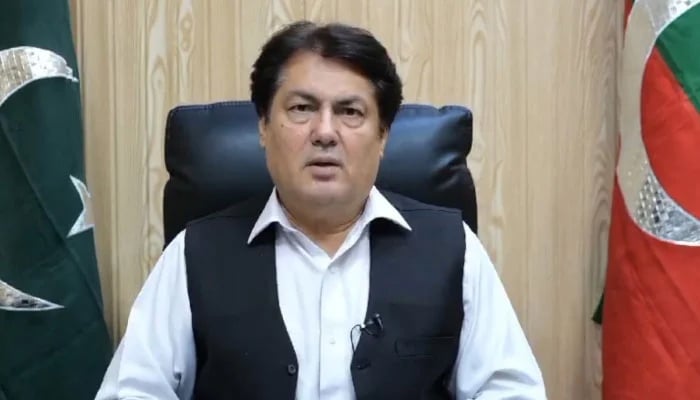
    PESHAWAR: Former Khyber Pakhtunkhwa Information Adviser Barrister Muhammad Ali Saif has called for the creation of additional administrative provinces, saying Pakistan needs major structural reforms to improve governance and public service delivery. In a statement issued on Sunday, Saif said the proposal to establish new provinces should be taken seriously, arguing that the existing administrative framework is no longer capable of addressing the growing needs of the population efficiently. He said discussions alone would not bring meaningful change and urged the federal government to move beyond proposals by initiating practical measures for administrative restructuring. According to him, governance can only improve if reforms are implemented instead of remaining limited to public debate. Saif maintained that decision-making authority is concentrated within a small section of the bureaucracy, which limits administrative efficiency and delays the resolution of public issues. He stressed that a more balanced distribution of powers would strengthen governance and improve accountability. He said Pakistan requires comprehensive administrative reforms that would transfer greater authority to lower levels of government. Establishing new provinces, he added, would bring the government closer to the people, improve access to public services and ensure faster responses to local challenges. The former adviser also highlighted the importance of an effective local government system, saying empowered local bodies are essential for addressing citizens’ problems at the grassroots level. He argued that decentralisation and stronger local institutions would enhance transparency, improve service delivery and promote sustainable development across the country.

  • | |

    PM Shehbaz calls for faster rightsizing reforms

      Prime Minister Shehbaz Sharif has emphasized the need to improve the efficiency and performance of government institutions by adopting modern technology and enhancing the professional training of public sector employees. He made these remarks while chairing a high-level meeting on the federal government’s rightsizing initiative and measures aimed at improving the overall efficiency and effectiveness of state institutions. The meeting reviewed the progress made under the government’s administrative reform agenda, which seeks to reduce the size of the public sector, eliminate unnecessary expenditures, and ensure more efficient delivery of public services. Addressing the participants, the Prime Minister said that technological innovation and skill development are essential for transforming the public sector into a more responsive, transparent, and efficient system. He stressed that government institutions must embrace modern digital solutions while ensuring that employees receive the training required to adapt to new technologies and administrative practices. Shehbaz Sharif said the government’s rightsizing policy is already producing positive results by reducing unnecessary spending and improving the utilization of public resources. He noted that several major reforms have been implemented under the initiative, including the closure of the Utility Stores Corporation, Pakistan Public Works Department (Pak PWD), and the Pakistan Agricultural Storage and Services Corporation (PASSCO). According to the Prime Minister, these decisions were taken after careful consideration to streamline government operations, eliminate overlapping functions, and reduce the financial burden on the national exchequer. He said the objective of the reforms is to build a leaner and more efficient public sector capable of delivering better services to citizens while ensuring fiscal discipline. The Prime Minister stated that the savings generated through the rightsizing initiative would help strengthen the country’s financial position and allow the government to allocate more resources toward priority sectors such as education, healthcare, infrastructure, and economic development. To ensure transparency and accountability, Shehbaz Sharif directed that all positions and institutions abolished under the rightsizing programme should undergo an independent third-party audit. He said the audit would assess whether the reforms had been implemented effectively and whether the expected financial and administrative benefits had been achieved. The Prime Minister also instructed the relevant authorities to accelerate the implementation of all remaining rightsizing measures. He emphasized that administrative reforms should be carried out efficiently while maintaining transparency and ensuring that public services are not disrupted during the restructuring process. During the meeting, officials briefed the participants on the progress achieved so far. They informed the Prime Minister that vacant positions across various federal ministries and government departments have been abolished as part of the government’s effort to reduce unnecessary staffing and improve administrative efficiency. The meeting was further informed that work is also underway on the privatization of several state-owned enterprises. Officials said the government is taking practical steps to transfer selected public sector entities to the private sector in accordance with its broader economic reform programme. The privatization process aims to reduce the financial burden of loss-making enterprises on the national budget while encouraging greater investment, improved management, and enhanced productivity. Participants also reviewed the overall progress of the government’s institutional reform agenda and discussed future steps to further improve governance and public sector performance. The Prime Minister reiterated that administrative reforms are essential for ensuring sustainable economic growth, strengthening public finances, and delivering better services to the people. Concluding the meeting, Shehbaz Sharif reaffirmed the government’s commitment to continuing structural reforms aimed at creating a modern, efficient, and accountable public sector. He said that through the adoption of technology, improved training, transparent governance, and responsible financial management, Pakistan’s government institutions can become more effective in meeting the needs of citizens and supporting the country’s long-term development goals.

  • | |

    Daanish schools enrol only 40,000 in 15 years: Edu…

    Punjab Education Minister Rana Sikandar Hayat has raised questions about the performance and accessibility of the Daanish School System. He said education at Daanish schools was expensive. As a result, the system had enrolled only around 40,000 students in 15 years. The minister questioned the effectiveness of earlier education initiatives in the province. He specifically referred to comprehensive and pilot schools established in Punjab. He asked where those schools had gone and why they had failed to deliver the expected results. Rana Sikandar Hayat said the Punjab government was working to reduce the gap between public and private education. For this purpose, the government had moved towards a public-private partnership model. He said the approach could help improve the quality of education and increase access for children. The provincial minister also highlighted the enrolment performance of the Nawaz Sharif School of Eminence programme. He said these schools had recorded an average enrolment of around 112 per cent so far. Rana Sikandar Hayat also spoke about the issue of inaccurate student records in government schools. He claimed that authorities had removed around 1.5 million ghost students from government school records across Punjab. The minister said the province still faced a major education challenge. Around 25 per cent of children in Punjab remain out of school, according to him. He said the dropout problem becomes particularly serious when students reach the high-school level. A significant number of children leave education after reaching secondary-level schools, he said. This affects the overall literacy and education indicators of the province. The minister said the government was now focusing on bringing children who are outside the education system back into schools. He said schools operating under outsourcing arrangements had been given a specific target. They would be required to enrol 5 per cent of children currently deprived of education. The initiative is aimed at increasing school enrolment and reducing the number of children who remain outside the formal education system. Rana Sikandar Hayat said improving access to education required both enrolment and retention. Bringing children into schools would not be enough if they later dropped out. He stressed the need to strengthen the education system and ensure that children continue their studies through higher grades. The minister’s remarks highlight the challenges facing Punjab’s education sector. Despite having a large network of schools, the province continues to deal with out-of-school children, inaccurate enrolment records and high dropout rates. The government is now looking towards partnerships with the private sector and reforms in public schools to address these problems. The minister said the ultimate objective was to provide more children with access to quality education and reduce the divide between public and private schooling.

  • Six Days of Songkran: 216 Lives Lost on Thailand’s Roads

    BANGKOK — Twenty-three more lives were lost on Thailand’s roads yesterday, pushing the cumulative death toll from six days of Songkran celebrations to 216, with 1,073 injuries recorded across 1,108 accidents, according to the latest figures from the Road Accidents Prevention and Mitigation Command Centre. Songkran Road Accidents and Injuries Drop 20% From a Year […]

  • | |

    Nawaz interviews candidates for AJK reserved seats

    Pakistan Muslim League-Nawaz (PML-N) leadership has accelerated consultations over the formation of the next government in Azad Jammu and Kashmir (AJK), with party supremo Nawaz Sharif and Punjab Chief Minister Maryam Nawaz interviewing candidates for reserved seats. The interviews were held in Murree on Sunday for five women’s reserved seats in the AJK Legislative Assembly. PML-N AJK regional president Shah Ghulam Qadir and Prime Minister’s Adviser on Political Affairs Rana Sanaullah also attended the meeting. The party leadership reviewed the profiles of several women seeking PML-N tickets. The interviews reportedly lasted between five and 10 minutes for each candidate. Among those interviewed were Maryam Kashmiri, president of the PML-N AJK Women’s Wing, secretary general Nasira Azeem Khan, former reserved-seat MLA Sehrish Qamar, former Assembly member Nisara Abbasi, Maryam Idrees, Maria Iqbal Tarana and Zareeda Nisar. The widow of late Raja Abid Khan of Dadyal also appeared before the leadership. Her son, Raja Shoaib Abid, had withdrawn from the electoral contest in support of PML-N candidate and MLA-elect Chaudhry Azhar Sadiq. The PML-N leadership praised the participation of women in the recent AJK elections. The party said women had played an active and important role in the electoral process and described their involvement as a positive development for democracy. The PML-N has emerged as the largest party following the recent AJK elections. It secured 25 directly elected seats and has the support of an allied member. Based on its strength in the Assembly, the party is expected to win four of the five reserved seats for women. The party is also expected to secure the remaining three reserved seats allocated to religious scholars or Mashaikh, overseas state subjects, and technocrats and other professionals. The AJK Election Commission has scheduled polling for all eight reserved seats for August 24. The voting will take place at the AJK Legislative Assembly Hall in Muzaffarabad from 10am to 1pm. Candidates will submit nomination papers on August 20. The scrutiny process will be completed the same day, while appeals against decisions regarding nominations can be filed on August 21. The Election Commission will hear the appeals on August 22. Candidates will have until August 23 to withdraw their nominations, after which the final list of contestants will be issued. The AJK Assembly comprises 53 members. Of these, 45 are elected through direct voting, while eight seats are reserved for specific categories. However, elections could not be held in seven constituencies because of the law and order situation in parts of Poonch and Sudhnoti districts. As a result, 38 directly elected members will take part in the process of electing candidates to the reserved seats. Meanwhile, the Election Commission also issued notifications confirming the victories of PPP candidate Sardar Ziaul Qamar and PML-N candidate Sardar Mir Akbar in Bagh district. Qamar was declared successful from LA-15 Central Bagh, while Akbar was declared the returned candidate from LA-16 Eastern Bagh. Their notifications formally completed the electoral process in the two constituencies.

Leave a Reply

Your email address will not be published. Required fields are marked *