cambodia pushes immediate

Cambodia Pushes for Immediate Ceasefire as Border Talks Resume

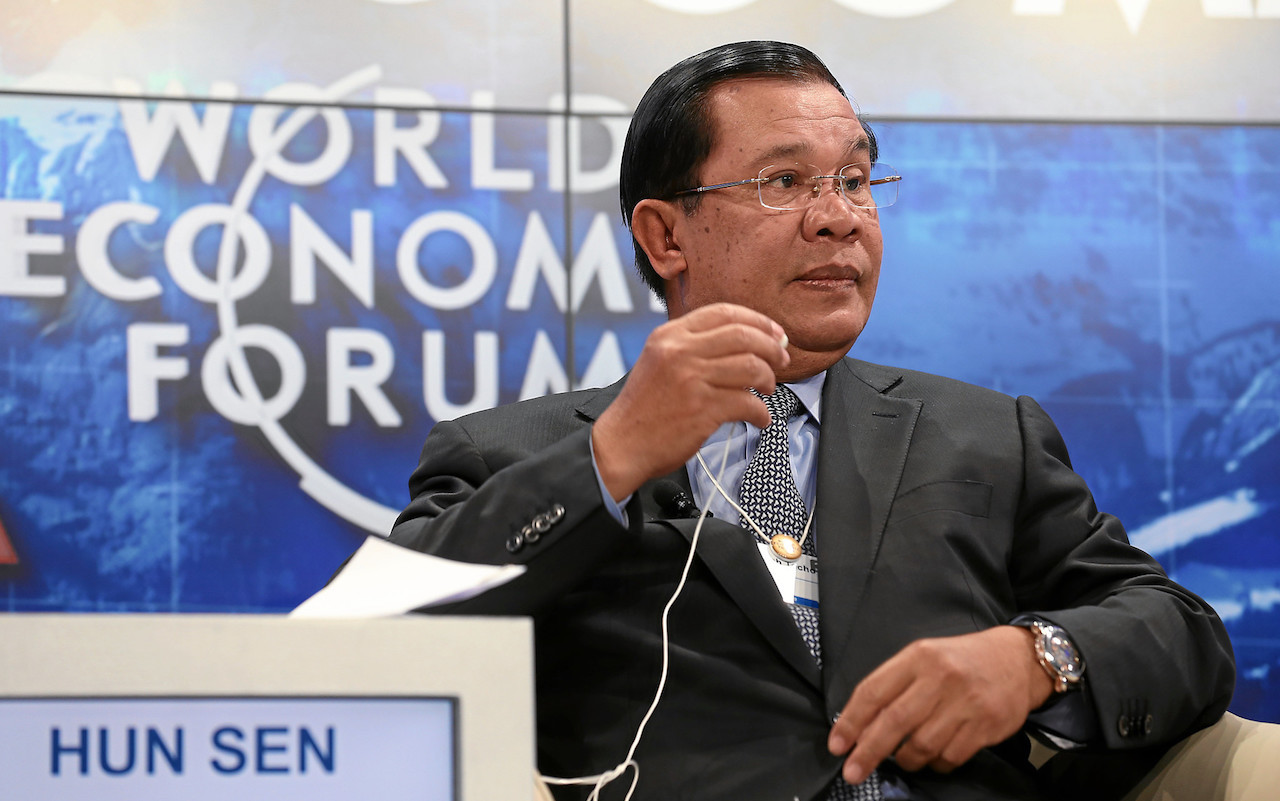
BANGKOK – Cambodian Defence Minister Tea Seiha has formally called for an immediate end to hostilities and full implementation of existing ceasefire agreements in a letter to his Thai counterpart. The proposal, dated December 22, urges a return to the terms of the Kuala Lumpur ceasefire agreement signed on July 26 and the Joint Declaration of October 26.

Thai-Cambodian Border Talks Begin in Chanthaburi Amid Ceasefire Hopes

In the letter addressed to Thai Defence Minister General Nattaphon Nakpanich, Minister Tea Seiha called for the safe and unobstructed return of civilians to their homes in border areas and the restoration of normal livelihoods. He further emphasized the need to resume all mechanisms under the Kuala Lumpur framework, including border demarcation, humanitarian demining, and strengthening the role of the ASEAN Observer Team to verify ceasefire compliance.

In response, the Thai Supreme Command reiterated that Cambodia must first satisfy three key conditions: publicly declare a ceasefire, ensure the truce is genuine and sustained with observers in place, and cooperate sincerely on joint mine-clearance efforts.

Thailand Rejects Cambodian Bid to Relocate Border Talks to Kuala Lumpur

The diplomatic exchange occurred as secretariat-level talks of the Thai-Cambodian General Border Committee resumed in Chanthaburi province. The meeting concluded after approximately two hours on Wednesday evening and is scheduled to continue on Thursday, reflecting ongoing efforts to bridge differences and achieve a durable ceasefire after weeks of intense border clashes.

-Thailand News (TN)

Similar Posts

  • | |

    Saudi Crown Prince urges Trump to avoid escalation…

    Saudi Crown Prince Mohammed bin Salman has spoken by phone with US President Donald Trump, reportedly expressing concern over Washington’s plans for major military strikes against Iran. According to international media reports, the Saudi crown prince urged the US president to take steps to reduce tensions in the region and avoid further military action against Iran. The call comes amid growing fears that an escalation between Washington and Tehran could destabilize the wider Middle East and threaten regional security. During the conversation, Mohammed bin Salman reportedly emphasized the importance of pursuing diplomatic channels and finding ways to de-escalate the situation. Saudi Arabia has maintained close ties with the United States while also seeking to avoid a broader regional conflict that could affect the security and stability of Gulf countries. Reports indicate that Qatar, the United Arab Emirates, Türkiye, and Pakistan are also encouraging Washington to reduce tensions and seek a diplomatic solution. The countries have reportedly expressed concerns that any major escalation could have serious consequences for the region and potentially disrupt trade, energy supplies, and maritime routes. Meanwhile, diplomatic contacts appear to be continuing on multiple fronts. Qatari mediators have reportedly been in communication with Iran’s foreign minister, US special envoy Steve Witkoff, and Omani officials as efforts to prevent further escalation gather momentum. The diplomatic activity comes as concerns remain high over the security of the Strait of Hormuz, one of the world’s most strategically important maritime routes. A significant portion of global oil shipments passes through the waterway, making any disruption a major concern for international energy markets. Separately, a US-based website has claimed that negotiators have made some progress toward reaching an agreement aimed at reopening the Strait of Hormuz. However, details of the reported progress remain unclear, and there has been no confirmed announcement of a final agreement from the parties involved. The latest diplomatic efforts suggest that regional and international actors are increasingly pushing for negotiations to prevent the situation from developing into a wider conflict. Any breakthrough in talks could help ease tensions and reduce the risk of further military confrontation in the region.

  • | | |

    Iran claims 200+ US troops killed as Tehran warns …

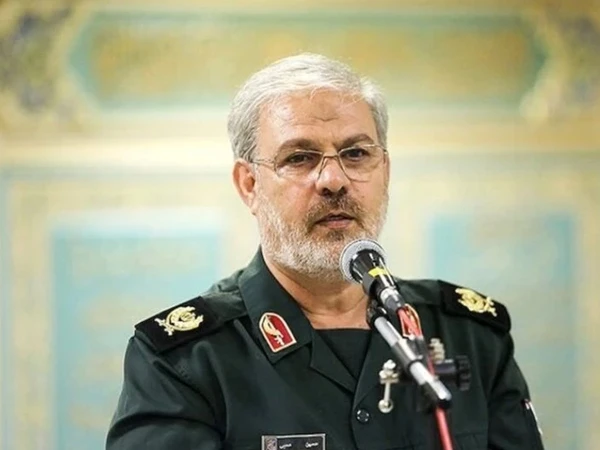
    TEHRAN: Iran’s Islamic Revolutionary Guard Corps (IRGC) has claimed that more than 200 US military personnel were killed and many others wounded during Iranian retaliatory attacks amid the latest escalation between Tehran and Washington. The claim, however, has not been independently verified, and no immediate confirmation or denial of the reported US casualties was available from American officials. IRGC spokesman Brigadier General Hossein Mohebbi rejected figures released by Washington, arguing that they did not reflect the full extent of losses suffered by US forces during the conflict. Speaking to Iran’s semi-official Tasnim news agency, Mohebbi said Iranian forces had targeted US military facilities across the region. He claimed that eight American military centers were struck and that around 20 protective shelters at one location were destroyed. The IRGC spokesman challenged Washington to allow journalists access to the affected military sites, saying such visits would reveal the extent of the damage. He accused US authorities of withholding information about casualties and military losses. Iran claims major US aircraft losses Mohebbi also claimed that Iranian attacks during roughly two weeks of fighting destroyed 11 US warplanes and helicopters on the ground. According to the IRGC account, the reported losses included an F-15 fighter jet, a P-8 maritime patrol aircraft, a C-17 transport aircraft and eight aerial refueling planes. Iran also claimed that 17 reconnaissance and operational drones were destroyed, including eight described as brand-new. The claims represent a potentially significant escalation in Tehran’s portrayal of the conflict. Independent confirmation of the reported aircraft losses has not emerged, and the locations of the alleged strikes have not been publicly specified. The statements came as tensions between Iran and the United States remained high, even as diplomatic contacts appeared to be continuing. Reports indicate that Washington and Tehran have exchanged messages through intermediaries, although major differences and deep mistrust remain. IRGC issues warning to Israel Iran also issued a fresh warning to Israel, saying Tel Aviv could face serious consequences if it re-enters the conflict. The IRGC said Iranian forces were closely monitoring the possibility of Israeli involvement and had prepared their strategy accordingly. The latest claims add another layer of uncertainty to an already volatile situation. With casualty figures and battlefield damage disputed by the opposing sides, the coming days could determine whether the confrontation moves toward diplomacy—or another dangerous round of escalation.

  • | |

    ‘Do you teach humanity?’ CM Sohail grills cop

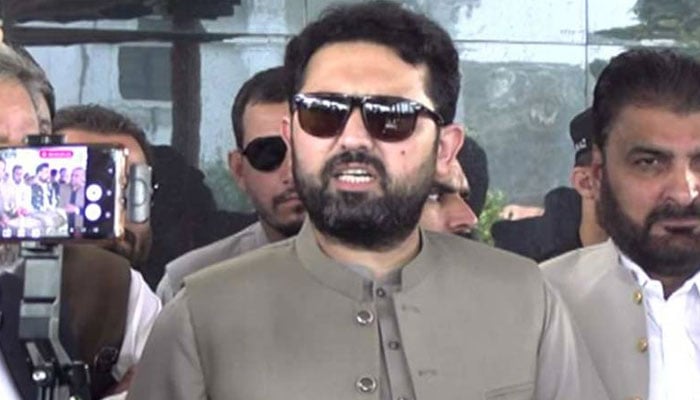
    Khyber Pakhtunkhwa Chief Minister Sohail Afridi confronted a police officer after his security staff were stopped at the Supreme Court gate on Tuesday. The incident occurred when an Islamabad police officer asked members of the chief minister’s security team to have their bags checked before entering the premises. The staff initially attempted to proceed without getting the bags scanned. The police officer stopped them and insisted that the security check be completed. The exchange between the police officer and the chief minister’s staff turned into a verbal argument. The situation caught the attention of Chief Minister Sohail Afridi, who turned back after noticing the dispute. Afridi then spoke directly to the police officer. During the conversation, the chief minister questioned whether police personnel were taught humanity during their training. The police officer maintained that the security staff were required to have their bags checked. Following the officer’s insistence, the chief minister’s staff eventually complied and had their bags scanned. The incident took place amid heightened security arrangements at the Supreme Court. Security personnel routinely check visitors, staff and belongings before allowing entry into sensitive government premises. The brief confrontation ended after the required security screening was completed.

  • | |

    Nawaz Sharif appointed Lahore Heritage Board chair…

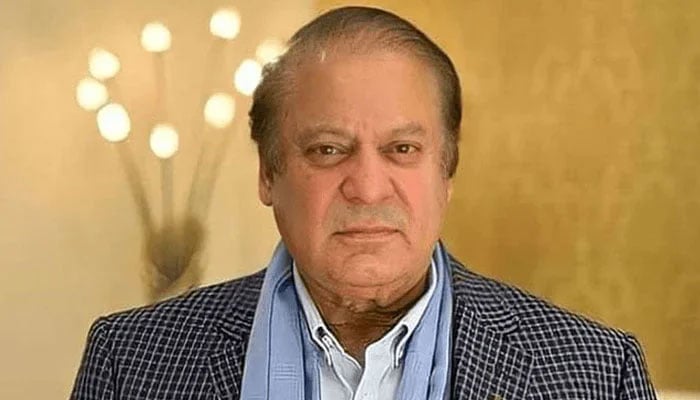
    League-Nawaz (PML-N) leader Nawaz Sharif has been appointed chairman of the Lahore Heritage Area Revival Board. The Punjab governor approved his appointment as head of the newly formed board. Nawaz Sharif will lead the board in his capacity as a Member of the National Assembly. The Punjab Local Government Department has formally issued a gazette notification confirming the appointment. The governor has also approved the immediate formation of the Lahore Heritage Area Revival Board. The body will focus on efforts to revive and preserve Lahore’s historic and heritage areas. The formation of the board is aimed at strengthening institutional efforts to protect the city’s historic character. It is also expected to support initiatives related to the restoration and revival of important heritage sites. With the official notification now issued, the board can begin its work under Nawaz Sharif’s leadership. Further details about its structure, responsibilities and planned heritage projects are expected to emerge as the board starts functioning.

  • | |

    Multan commissioner vows faster development drive

    Multan Commissioner Aamir Karim Khan has said the Punjab government is taking a keen interest in the development of Multan and other parts of southern Punjab, stressing that the government, administration, business community and journalists must work together to address public issues and promote regional development. He made these remarks while speaking to journalists during a session titled “Guftagu” at the Multan Press Club. He also responded to questions regarding development projects, civic problems and other issues faced by citizens. The commissioner said the responsibility of government officers was not limited to sitting in offices. Officials must visit the field, assess public problems and take practical steps to resolve them. He said public service required officials to move beyond their comfort zones and remain connected with citizens. Aamir Karim Khan appreciated the Punjab government’s focus on Multan and southern Punjab, saying several major development projects were currently underway in the city. He stressed that timely availability of funds, proper engineering designs and other technical requirements were essential for completing development schemes. He said major sewerage projects in Multan were particularly important for the city and would provide significant relief to residents once completed. Work was also continuing on several major roads and development schemes, although some projects had faced delays because of land acquisition and other legal and administrative procedures. The commissioner said projects in areas including Eidgah Road and Shah Shams Park were being completed in phases. He added that a proposal worth around Rs6 billion had been sent to the Punjab government for improving roads from Delhi Gate to Daulat Gate and removing encroachments. Work on the project would begin once funds were made available. He said the preservation of Multan’s historic heritage, improvement of ancient gates and beautification of the city were among the administration’s priorities, along with the provision of basic civic facilities. He said action against encroachments on graveyards was continuing. Encroachments had been removed from a graveyard in Hassan Parwana, while similar operations would be carried out at other graveyards. The administration was also considering the renovation of smaller graveyards and provision of basic facilities there. The commissioner said a “Multan Enforcement Management Squad” had been established to tackle encroachments. The squad comprises officials from different departments and has been provided with motorcycles. It will monitor the city around the clock and identify encroachments. Its formal operations will begin on September 1. If the initiative proves successful, it will be expanded to other areas. Speaking about special education, Aamir Karim Khan said nearly 3,000 hearing-impaired children had been screened across 14 tehsils of the Multan Division. Around 320 children were identified as requiring hearing devices. With support from the business community, hearing aids had already been provided to 175 children. He said efforts were also underway to improve the speaking abilities of these children. The commissioner added that the Punjab government had been requested to introduce legislation making hearing screening mandatory for every child within six months of birth. Early diagnosis, he said, could significantly improve children’s education and future prospects. Regarding Jalalpur Public School, the commissioner said authorities had taken notice of the low number of students and were working with relevant departments to improve its functioning. He said the Punjab government was also working on a new public-private partnership scheme under which inactive government schools could be handed over to the private sector for better management. Aamir Karim Khan highlighted the important role of journalists in resolving civic problems. He urged journalists to use their observation, reporting and writing skills to identify public issues and contribute to social improvement. He said constructive criticism and highlighting genuine problems could help guide the administration. He also said direct communication with journalists would be strengthened so their concerns could be addressed more effectively. On cleanliness, the commissioner said maintaining a clean environment was a shared responsibility of the government and citizens. He urged shopkeepers to keep areas outside their businesses clean and residents to ensure cleanliness around their homes. During the meeting, Press Club President Shakeel Anjum briefed the commissioner about issues faced by the journalist community, particularly problems concerning the journalists’ colony. He stressed the need for their early resolution. The commissioner assured the journalists that he would contact the Director General of the Multan Development Authority regarding the issues and take steps for further progress. He said genuine concerns of the journalist community would be addressed on a priority basis. Aamir Karim Khan also answered journalists’ questions on various issues and assured them that practical measures would be taken to resolve public problems. He said the development of Multan was a collective responsibility and all stakeholders would have to work together to achieve this goal.

  • | | |

    SBP to study daily fuel price impact on inflation

    ISLAMABAD: The federal government has directed the State Bank of Pakistan (SBP) to conduct a comprehensive study on how the daily revision of petroleum prices affects inflation, as authorities seek new measures to protect consumers from rising living costs and volatile global energy markets. The decision was taken during a meeting of the National Price Monitoring Committee (NPMC), which reviewed the country’s inflation outlook and discussed ways to minimise the impact of fluctuating fuel prices on households and businesses. According to officials, the SBP has been asked to prepare a detailed action plan within 15 days to evaluate the inflationary effects of daily adjustments in petrol and high-speed diesel (HSD) prices, following international best practices. The central bank is expected to recommend policy options that could help maintain price stability while supporting economic growth. The committee was informed that the SBP’s primary responsibility is to ensure price stability through effective monetary policy, including the use of interest rates to manage inflation expectations and regulate money supply. Alongside the SBP study, the NPMC instructed provincial governments, Azad Jammu and Kashmir, Gilgit-Baltistan and the Islamabad Capital Territory to strengthen market monitoring and prevent unjustified increases in the prices of essential commodities whenever fuel prices are revised. The committee also expressed concern over excessive pricing of liquefied petroleum gas (LPG), noting that consumers in many areas were paying significantly more than the official rates notified by the Oil and Gas Regulatory Authority (OGRA). Authorities have been directed to intensify monitoring and narrow the gap between notified and market prices. Officials said the recent regional conflict involving Iran had disrupted energy markets, contributing to higher LPG prices despite regulatory efforts. The meeting also focused on the prices of key food items, including tomatoes, chicken, wheat flour and edible oil. Representatives from the Ministry of National Food Security attributed the surge in tomato prices to seasonal shortages, explaining that Pakistan was importing tomatoes from Iran and Afghanistan to meet domestic demand. However, following the closure of the Afghanistan border, officials said additional tomato imports would now be sourced from Romania to prevent supply shortages and stabilise prices. To improve food quality and consumer protection, the Ministry of Science and Technology will work with the Pakistan Bureau of Statistics (PBS) and provincial authorities to develop testing standards for loose milk, dairy products, edible oil and ghee. Accredited laboratories will conduct regular testing, with quarterly reports submitted to the NPMC. The committee also urged authorities to reduce wholesale and retail price disparities across different cities, improve the supply chain for essential goods and work more closely with the private sector to arrange timely imports before seasonal shortages trigger sharp price increases. Officials expressed hope that stronger coordination, tighter market oversight and evidence-based policymaking would help ease inflationary pressures and provide greater stability for consumers in the coming months.

Leave a Reply

Your email address will not be published. Required fields are marked *