بلاگز

  • Too much salt? Try these simple tricks

    Salt is one of the most important ingredients in cooking because it brings out the flavor of food.  A small change in spices may not make much difference but too little salt can make a dish taste bland while too much can ruin its flavor. Adding salt to food is easy when it is needed. But if you accidentally add too much salt you may think the whole dish is ruined.  Fortunately there are several simple kitchen tricks that can help reduce the strong salty taste and save your food. Add a Potato If your curry or another dish has too much salt take a raw potato cut it into two pieces and add it to the food. Let it cook for about 10 minutes and then remove it.  A boiled potato can also be used. If you prefer you can leave the potato in the curry and serve it with the dish. Use fresh cream Fresh cream can help make a salty dish taste milder. Add a small amount of cream to the curry or other suitable dishes and mix well.  It can reduce the strong salty taste while also making the food smoother and richer. Try a dough ball A small ball of flour dough is another traditional home method. Make a small dough ball and place it in the curry.  Leave it for around 15 minutes and then take it out. This may help reduce the salty taste of the dish. Add water or milk For dishes that can handle extra liquid adding a little water can reduce the salty taste.  Milk or cream can also work well in some recipes. Milk can make the flavor softer and more balanced. Use yogurt and fried onion Yogurt and fried onions can also help balance the taste especially in dishes such as meat curry karahi, or mixed vegetables. Grind some browned onions with yogurt and mix them into the dish. This can make the strong salty flavor less noticeable while adding extra taste. Add salt slowly The best way to avoid overly salty food is to add salt little by little while cooking. Taste the food before adding more.  This simple habit can help you control the amount of salt and keep your dishes flavorful. Using less salt overall is also better for general health. So instead of adding a large amount at once add small amounts gradually and adjust the taste as needed.

  • Not all green foods are healthy

    Vegetables and fruits are generally considered an important part of a healthy diet.  Health experts also recommend including them in a balanced meal. However not everything that is green is automatically good for everyone. Some raw undercooked artificial or  rich green foods may cause health problems in  certain people. People with weak immune systems may be more sensitive to some foods and could experience allergies food reactions or other health problems. Green potatoes some green seafood products and foods with artificial green coloring are examples that may require extra care. Some people can also develop an allergy or intolerance to certain green foods. For example spinach may cause skin rashes or other allergic symptoms in sensitive individuals. In rare and serious cases a food allergy can lead to a dangerous reaction called anaphylaxis. Anyone who notices allergy symptoms after eating a particular food should seek medical advice. People with IBS (Irritable Bowel Syndrome) may also need to be careful with certain green vegetables.  Foods such as cabbage broccoli and Brussels sprouts can cause gas bloating stomach discomfort and pain in some people. People with kidney problems should also pay attention to their food choices. Spinach and Swiss chard contain high amounts of potassium. Eating too much of these foods may be risky for people with advanced kidney disease because their kidneys may have difficulty removing extra potassium from the body. This can lead to an unhealthy electrolyte balance. Eating too much of any food can cause problems and green foods are no exception. Large amounts of raw vegetables may cause bloating, constipation stomach pain or digestive discomfort in some people. In certain cases excessive intake of particular foods may also increase the risk of kidney stones electrolyte problems low blood sugar or allergic reactions. Some green fruits and vegetables may also cause digestive problems when eaten raw.  For example raw bananas and papaya may cause gas or stomach discomfort in some people. People who take warfarin a blood thinning medicine also known by the brand name Coumadin should talk to their doctor about eating large amounts of green leafy vegetables. These vegetables are often high in vitamin K, which can affect how warfarin works. The important thing is usually to keep vitamin K intake consistent rather than suddenly changing the amount. Spinach, Swiss chard and beetroot are also high in oxalates.  For some people who are prone to kidney stones, eating large amounts of these foods may increase the chance of developing stones again. Raw or lightly cooked green vegetables can provide many nutrients but they can sometimes be difficult to digest.  Vegetables such as cabbage broccoli and Brussels sprouts contain fiber that may cause digestive discomfort in some people especially when eaten in large amounts. Green potatoes are another important exception. When a potato turns green it may contain higher levels of a natural chemical called solanine.  Eating a large amount of solanine can cause nausea, vomiting, and in severe cases nervous system problems. Green potatoes should therefore be handled with care. Green tea is also not completely harmless in every situation. Poor quality green tea may contain unwanted impurities or low quality ingredients. Drinking very strong or very hot green tea may cause stomach discomfort in some people. Green tea also contains caffeine and too much caffeine can lead to nervousness shaking sleep problems or other side effects. Artificially green foods are not necessarily healthy either. Green colored candies sweet drinks and other processed foods may contain large amounts of sugar and provide little nutritional value.  Eating these foods regularly can contribute to tooth damage high blood sugar and other health problems. The main point is that green color alone does not make a food healthy.  The type of food the amount eaten how it is prepared and a person’s health condition all matter. People with food allergies, IBS, kidney problems or those taking certain medicines should be especially careful and seek medical advice when needed.

  • |

    British driver sets hydrogen vehicle speed record at 654 km/h

    British driver and former Royal Air Force pilot Andy Green has set a new world land-speed record using a hydrogen-powered vehicle. According to foreign media reports, 64-year-old Andy Green drove the hydrogen-powered vehicle at 406 miles per hour (654 km/h) at the Bonneville Salt Flats in Utah, USA making it the fastest speed ever achieved by a vehicle of this type. According to the report, the HydroMax is equipped with two hydrogen engines that generate a combined 1,600 horsepower. 20-year-old record broken The new HydroMax vehicle more than doubled the previous world record of 185.5 miles per hour, set in 2004 by a hydrogen-combustion vehicle. Twenty years ago at the same location, the same company’s diesel-powered vehicle, DieselMax set a world record by reaching 350 miles per hour (563 km/h). Only person to break sound barrier on land Andy Green has already made history in motorsports. In 1997, he drove the jet-powered ThrustSSC to a speed of 763 miles per hour (1,228 km/h) breaking the sound barrier on land. Andy Green remains the only person to have broken the sound barrier in a land vehicle.

  • Best choice 500kg cake covered in 33,000 flower petals

    Spanish pastry chef Marc Suarez has created an extraordinary wedding cake for a Saudi royal family.  The giant cake stands 3.5 meters tall is 1.8 meters wide and weighs around 500 kilograms. Months of planning and work According to reports Suarez spent about six weeks designing the cake and another four months bringing the idea to life. Although he normally works alone this huge project required help from several pastry chef friends their families and other people close to him. Thousands of handmade flowers One of the biggest challenges was creating and coloring around 33,000 flower petals.  Each petal had to be carefully prepared and placed with branches and flowers to create the final design. Friends family members and others also helped with the detailed work. Suarez said the project required around 1,800 hours of work in total. The finished cake looks less like a traditional wedding cake and more like a large piece of art that could be displayed in a museum. A grand wedding in paris The enormous cake was presented at the Paris Opera Garnier during the wedding of a Saudi couple. The bride and groom chose to keep their identities private but their wedding featured a cake that was certainly difficult to forget. The project shows how pastry can go beyond food and become a form of art creativity and craftsmanship.

  • |

    Google Pixel 11 Pro XL features leaked ahead of launch

    San Francisco: Key features of the Google Pixel 11 Pro XL have reportedly been leaked with major upgrades expected in its camera and AI technology. According to a report by Geeky Gadgets, details about the design and key features of Google’s upcoming flagship smartphone have emerged ahead of its launch. Google is preparing to introduce new devices at its hardware event on August 12. According to the leaked information, the Pixel 11 Pro XL is expected to receive significant upgrades in several areas, including the camera, artificial intelligence, processor and connectivity. The leaks have attracted considerable attention from technology enthusiasts. Google is reportedly planning major improvements to the phone’s design, camera, performance and AI capabilities. According to the leaked details, the phone’s camera bar has been redesigned and will reportedly include an LED notification ring. Early leaks referred to this feature as “Pixel Glow” but recent reports suggest its possible official name could be “Highlight.” Available in five colours The Pixel 11 Pro XL is reportedly expected to be available in five colours: green, light green, silver, midnight and red. The phone is expected to feature a 6.8-inch LTPO OLED display with support for a 120Hz refresh rate. Reports also suggest that it will have a 13-megapixel ultra-wide selfie camera on the front. The design is also expected to receive some changes. The Pixel 11 Pro XL may feature a durable aluminum frame and Gorilla Glass Victus 3 which could provide greater protection against scratches and accidental drops. Major camera improvements The Pixel 11 Pro XL is expected to have a triple rear-camera setup. According to the leaks, it may include a 50-megapixel main camera, a 48-megapixel ultra-wide camera and a 48-megapixel periscope telephoto camera. The telephoto camera is reportedly expected to provide 5x optical zoom. The phone may also feature a 120x Pro Zoom option in its software, designed to capture distant objects and scenes with greater detail. With the help of Google’s Gemini AI technology, the camera could offer improved low-light photography, scene recognition and real-time image processing. A new mode called “Motion Capture” is also reportedly being developed. It could use AI to track moving people or objects and maintain focus on them. Improved performance with Tensor G6 The phone is also expected to feature Google’s new Tensor G6 processor which could provide improved performance for multitasking, gaming, video editing and AI-powered applications. The Tensor G6 is expected to offer enhanced capabilities for on-device machine learning, real-time language translation and intelligent text suggestions. The leaked reports also claim improvements in battery performance. The phone could feature an adaptive power-management system that adjusts energy consumption according to usage patterns to help extend battery life. Range of AI features The Pixel 11 Pro XL is expected to include several new AI-powered features. These may include an Animal Rescue feature designed to help identify and locate lost pets. Other expected features include advanced voice recognition, personalized app suggestions based on user habits, improved security, on-device encryption and real-time threat detection. A new Focus Mode could allow users to temporarily silence unnecessary notifications so they can concentrate on important tasks. Reports have also mentioned improved speakers, spatial audio and potentially advanced augmented reality (AR) features. Although most of the information currently available about the Pixel 11 Pro XL is based on leaks and speculation, it suggests that Google is focusing heavily on AI technology alongside hardware improvements in its new flagship smartphone. Google is expected to officially announce the phone’s final specifications and price at its launch. Until then, the reported details should be considered leaks and speculation rather than confirmed information.

  • The revival of Kathak in the heart of Lahore

    In the quiet underbelly of Lahore’s Alhamra Arts Council, an ancient pulse woke from its slumber. It began with the whisper of clinking of ghungroos. Hundreds of brass ankle bells are braided onto raw cotton strings and then they wait to catch the cadence of a human heartbeat. For decades, the classical movement of Pakistan seemed confined to memories and clandestine. That’s how a heritage has been subjected to silence under the shadow of political conservatism. Yet inside the halls of the Lahore Kathak Festival, the art form proclaimed its victorious home-coming. Kathak derives its name from katha: the Sanskrit word for story. The story starts even before borders were drawn across rivers and plains. Itinerant storytellers wandered the northern expanses of the undivided subcontinent. They combined Hindu mythology, Sufi mysticism and local folklore into rhythmic physical poetry. When these storytellers stepped into the imperial courts of the Mughals, the art form transformed. It absorbed Persian elegance, geometric precision and the subtle emotional nuances of Urdu ghazals. Kathak became a living art created from the shared civilizational fabric of the region. It became an artistic synthesis that belongs as fundamentally to the Indus valley as it does to the banks of the Ganges. To embrace Kathak in modern Pakistan is to reclaim forgotten cultural roots. Post-partition artistic discourse attempted to segregate Pakistan’s creative identity from its ancient subcontinental ancestry. It resulted in treating classical dance with suspicion or elitist detachment. Pioneer icons like Sheema Kermani, Nighat Chaudhry and Bina Jawwad stood as solitary legacies during decades when dancing was criminalized. Their bodies became active spaces of memory when state patronage vanished. Kathak – A Breathing Idiom Now, a dynamic new wave of young performers is stepping into the limelight with devotion and fresh perspective. Organizers like Maan Sayeed and Momina Farooq Khan recently brought together maestros and young aspirants. They proved that classical dance is not a monument preserved, but a breathing idiom. On stage, young artists offered performances that blurred the line between heritage and modernity. Soloist Aliza Khalid, clad in radiant white, set her precise footwork to the haunting melodies of Seraiki folk music. Elsewhere, ensemble dancers whirled in breathtaking pirouettes (chakkars), their skirts flaring like blooming lotus petals in sync with the sudden claps of the tabla.   What makes this emerging movement so profound is its insistence on inclusivity and identity. The overflowing auditoriums where audiences stood shoulder-to-shoulder in the aisles signaled a hungry public desire to reconnect with an art form that speaks directly to the soul. It feels like through every intricate hand gesture (hasta) and rhythmic cycle (taal), these young dancers demonstrate that Kathak is an act of reclamation. It honors the land’s heritage, reminding us that art transcends temporal political boundaries to express the eternal human story.

  • |

    Press play on nostalgia

    There is an absurdly satisfying drama to slipping a shiny compact disc into a silver portable CD player. Next up, click the lid shut and voila! Listen to that faint mechanical whir-click as the laser reads the track. We live in an era where a glass smartphone screen gives you instant access to 100 million songs. And when one chooses to carry around a plastic disc player, it feels less like a modern inconvenience and more like a heroic act of rebellion. Well! In order to figure out why Gen Z is suddenly obsessing over vintage music players that take up actual pocket space, we have to look at the wild journey of how we got here. From Giant Plastic Discs to Invisible Spotify Soundtracks The evolution of portable music is essentially a history of humans constantly trading physical soul for pure convenience. The Boombox & Tape Era Back in 1979, the original Sony Walkman fundamentally changed society by letting people walk down the street with their own personal soundtrack playing on magnetic cassette tape. It was revolutionary, even if you occasionally had to fix a tangled tape using a No. 2 pencil. The Silver Disc Reign By the late 80s and 90s, the CD player (affectionately nicknamed the Discman, though brands like Goodmans ruled the market too) took over. Suddenly, music was crisp, digital and skip-resistant. The condition that provided your player had a reliable 45-second anti-shock buffer and you didn’t jump off while walking! Albums came with jewel cases, actual artwork and fold-out lyric booklets you could read on the bus. The MP3 Tidal Wave The early 2000s crushed physical media into tiny digital files. The iPod and cheap MP3 players meant you could hoard thousands of low-bitrate songs in your pocket. They effectively killed off the concept of buying an album just to listen to it as a cohesive story. The Infinite Streaming Void Today, platforms like Spotify and Apple Music serve us endless music on demand.  Every track on Earth is accessible with a single tap. That’s why music easily morphs into background noise rather than a meaningful event. The Retro Revival You’d think the generation born into high-speed Wi-Fi would turn their noses up at retro tech. However, physical music sales among young listeners are skyrocketing. It turns out that living entirely online gets exhausting. The antique way of listening to music hits differently for a few fun reasons. Spotify’s algorithm loves to push you into a hyper-specific mood bubble. On the other hand, physical disc into a portable player forces you to listen to an entire album from track 1 to track 20 the way the artist intended. On top, there are no skips, no ads, no doomscrolling while listening. There is a joy in pressing actual spring-loaded plastic buttons instead of tapping a flat screen. The mechanical clicks, volume dials and tangled headphone wires bring a sensory connection. In my opinion, a digital app just can’t match. In the subscription economy, you don’t own anything. If a streaming platform loses licensing rights, your favorite album vanishes overnight. A physical CD on your shelf, however, is yours forever. Now, let’s be honest! Pulled-out wired earbuds connected to a metallic silver CD player looking like straight out of Y2K sci-fi is an undeniable aesthetic flex.

  • |

     Why collectors pay millions for fractured porcelain

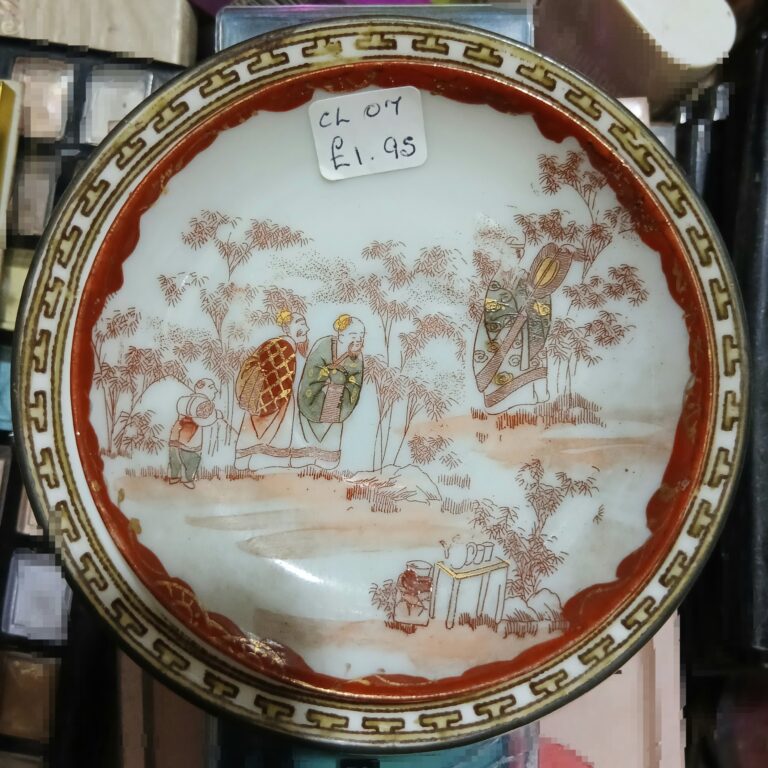
    There is a low-frequency hum inside an antique shop, an acoustic hush from dust and centuries of quiet survival. It is often the wounded object that commands the most reverence amidst the polished mahogany and gleaming silver. A spiderweb hairline fractured across the belly of a Qing dynasty jar; a cobalt Blue Willow plate stitched together with iron staples; a tea bowl held in delicate cohesion by golden veins of lacquer. In a modern economy obsessed with pristine surfaces and factory precision, these fractured ceramics defy logic. They do retain value despite their damage. Often, they derive their singular majesty precisely because they broke. The art market regularly bears witness to this quiet paradox. At major auction houses in London and New York, porcelain pieces bearing dramatic structural fractures, historic restorations or visible fractures routinely sell for astronomical sums. When a cracked 18th-century Chinese brush washer or a chipped Song Dynasty bowl is launched, purists do not turn away. Instead, connoisseurs see a vessel that has successfully negotiated with time. A pristine artifact can feel like an untouched relic in a glass museum case. A cracked ceramic, however, carries the irreplaceable friction of human history. This romantic obsession with fracture finds its deepest philosophical roots in the Japanese tradition of Kintsugi: literally, golden joinery. In 15th-century Japan, legend holds that the shogun Ashikaga Yoshimasa sent a damaged Chinese tea bowl back to China for repair. It returned bound by heavy and unsightly metal staples. Japanese craftsmen was displeased and sought a more poetic solution. He bonded the porcelain shards with Japanese lacquer dusting it with powdered gold. Rather than disguising the trauma, Kintsugi illuminated the break. This technique transformed a domestic accident into a radiant architecture of resilience. When collectors haunt dim antique parlors today for cracked celadon or worn earthenware, they are participating in a quiet rebellion against the disposable. We live in an era of engineered obsolescence where a small fracture on a smartphone screen renders the entire device wasted. Antique ceramics represent the opposite: fired earth that withstands centuries, absorbing the touch of generations, bearing scars as badges of longevity. A crack proves that the vessel was used, held, washed, dropped, mourned and salvaged. It shifts the object from a passive decoration to an active survivor. Even the historical methods of repair have become prized antiques in their own right. Before gold lacquer was widely available, 18th and 19th-century itinerant tinkerers repaired heirloom china using metal staples. They were drilling tiny holes on either side of a split and hammering in delicate bronze or iron rivets. To a contemporary eye, these industrial-looking stitches might seem like visual vandalism. Yet, to collectors of stapled china, those iron rivets are exquisite evidence of human ingenuity and resourcefulness from an era when nothing precious was ever casually thrown away.   Ultimately, the enduring value of cracked porcelain in antique shops lies in what it reflects about our own human condition. Perfection is intimidating, fragile and ultimately unfeeling. Rupture, on the other hand, is universal. When a buyer pays for a cracked jar, they are purchasing a physical manifestation of survival. They acquire a tangible reminder that broken things can be mended, that wounds can be highlighted with beauty and that time does not diminish value, but rather confers it.

  • |

    How Agatha Christie rewrote literary history

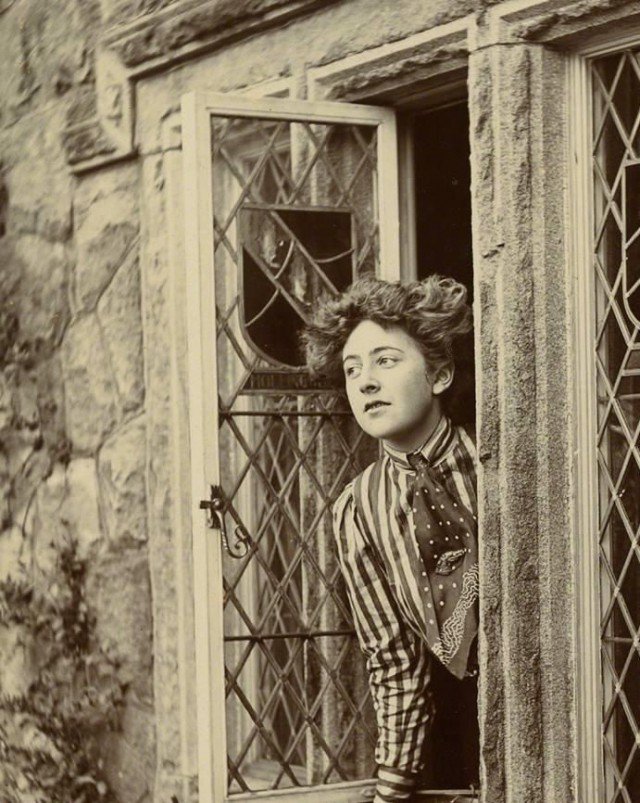
    Few storytellers in human history have captured the collective imagination quite like Agatha Christie. She’s crowned globally as the undisputed Queen of Crime. Her staggering literary output transformed detective fiction from a niche genre into an international phenomenon. Decades after her passing, her narratives continue to dominate bookshelves, theater stages and modern adaptations. The Birth of a Literary Legend Her extraordinary career kicked off in 1920 with the publication of The Mysterious Affair at Styles. This landmark debut did far more than announce the arrival of a talented new voice; it introduced the world to Hercule Poirot. With his meticulous habits, grand mustache, and reliance on his famous “little grey cells,” the Belgian detective quickly became a favorite among mystery enthusiasts. Over a writing career spanning more than half a century, Christie continued to shape the modern mystery landscape. She introduced a diverse ensemble of sleuths, most notably Miss Jane Marple. The deceptively gentle village spinster whose profound understanding of human flaws allowed her to solve the most baffling crimes. Together, Poirot and Marple helped define the Golden Age of detective fiction, establishing plot mechanisms, fair-play clues, and twist endings that writers still emulate today. Unprecedented Global Scale The  volume of Christie’s work is remarkable: 66 detective novels and 14 short story collections. However, her legacy is defined just as much by her unprecedented commercial reach. Holding the title of the best-selling fiction writer in history, her works have accumulated an estimated two billion copies sold worldwide. Her stories have transcended cultural and linguistic boundaries, earning her the distinction of being the world’s most-translated individual author, with her books available in more than 100 languages. Her estate notes that her total readership and circulation figures are surpassed by only two literary pillars in recorded history: the Bible and the plays of William Shakespeare. Record-Breaking Milestones Among her immense bibliography, specific works stand out as unprecedented triumphs. Her 1939 masterpiece, And Then There Were None, perfected the locked-room survival mystery. The novel alone has sold roughly 100 million copies, placing it among the highest-selling individual books ever written. Christie’s storytelling genius was hardly confined to prose. In 1952, she premiered The Mousetrap on the London stage. What began as a theatrical production turned into a record-shattering phenomenon, becoming the longest-running play in world history and proving that her ability to keep an audience guessing translates effortlessly across mediums. A Cultural Imprint   What sets Christie apart from her contemporaries is her masterclass approach to narrative design. She approached her plots like intricate logic puzzles, seamlessly weaving red herrings alongside genuine clues. Rather than relying on overt gore, she focused on psychological motives, human vulnerabilities, and the secrets hidden beneath respectable facades. By combining brilliant puzzle-box mechanics with immortal characters, Agatha Christie constructed a literary kingdom that remains unrivaled in the annals of fiction.

  • Bridal brands prepare for the Taylor Swift effect

    Taylor Swift’s wedding dress remains a mystery but bridal fashion companies around the world are already preparing for a possible new trend inspired by the pop star’s style. Fashion experts believe that the design fabric, color shape and overall look of Swift’s wedding outfit could influence what brides choose to wear in the coming years. Swift’s wedding dress remains a mystery According to Reuters, Taylor Swift wore a Christian Dior dress at her private wedding ceremony held at Madison Square Garden in New York on July 3. However full details and clear images of the dress have not yet been widely revealed. Millions of fans are eagerly waiting to see the dior outfit she wore on her special day. Bridal brands are already preparing David’s Bridal, one of the major bridalwear companies has already prepared around two dozen designs that could fit the style Swift may have chosen.  The company operates around 200 stores across the US. CEO Kelly Cook said the company is waiting for more photos and details of Swift’s actual dress.  Once more information becomes available the team will be able to move quickly with designs inspired by its key features. The company has already noticed a major increase in online searches for dresses similar to Swift’s possible style.  Prices for its wedding dresses range from a few hundred dollars to more than $3,000. Three possible swift inspired styles David’s Bridal design chief in Hong Kong, Viola Chan said the team has prepared three general styles inspired by Swift. These include dramatic decorated gowns simple and elegant dresses and shorter wedding gowns. She also believes that Swift’s makeup hairstyle dress color and flower arrangements could influence future bridal trends. Other brands are watching closely Spanish bridal brand Pronovias has also indicated that it is watching Swift’s dress for inspiration.  However the company plans to focus on broader fashion trends rather than directly copying her outfit. Sharon Sever, creative director at designer Galia Lahav, said that if Swift chooses an unusual color fabric or veil it could become a new trend in bridal fashion. New York design director Lisa Ponteroni also pointed out that celebrity photos can have a strong influence on the fashion industry. The Justin Alexander Group is also following the trend and may include some of Swift’s possible dress features in future designs. Brands avoid direct copies Not every bridal company wants to copy Swift’s outfit directly.  Luv Bridal founder and CEO Lane Litt said her company’s new designs would only take small amounts of inspiration from Swift’s style. The company may simply tell customers when it has dresses with features similar to those seen in Swift’s wedding look. Legal issues also matter There is also a legal side to celebrity inspired fashion. Legal experts say that copying the general cut or shape of a dress is not necessarily illegal.  However a company could face legal trouble if it falsely uses Taylor Swift’s or Dior’s name to mislead customers. For this reason most brands are focusing on the fashion ideas rather than using Swift’s name to market their products. Could Swift Start a new bridal trend? Taylor Swift’s wedding dress has become important not only to her fans but also to the bridal fashion industry. If more photos reveal a unique color fabric shape, or design those details could inspire thousands of brides. Swift’s private wedding outfit may therefore become a major source of bridal fashion trends for years to come.