कारोबार

  • |

    Sindh plans PPP model to transform Keti Bandar into deep-sea port and economic hub

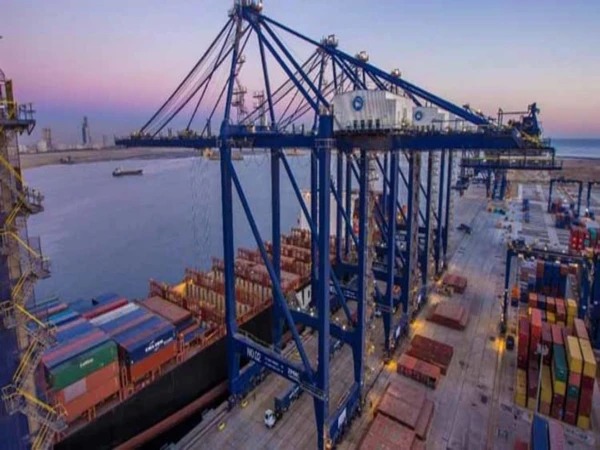
    KARACHI: Sindh Chief Minister Syed Murad Ali Shah has directed the provincial Investment Department to urgently formulate a comprehensive public-private partnership (PPP) framework for transforming Keti Bandar into a modern deep-sea port and a major commercial, industrial and energy centre. The directive was issued during a meeting held at the Chief Minister’s House on Saturday, where officials discussed a broader plan to develop Sindh’s coastal belt and unlock the economic potential of the Indus Delta. The proposed project is being planned in line with the vision associated with Shaheed Mohtarma Benazir Bhutto and aims to establish Keti Bandar as an important maritime gateway connecting port operations with industrial, logistics, fisheries and energy-related activities. Integrated economic corridor planned Chairing the meeting, Chief Minister Murad Ali Shah said Keti Bandar should be developed as part of an integrated maritime and economic corridor rather than as a standalone port project. He directed the relevant departments to prepare detailed proposals covering port infrastructure, industrial estates, transportation and logistics networks, fisheries, energy facilities and tourism. The chief minister also called for a phased implementation strategy that would identify the project’s immediate, medium-term and long-term development requirements. According to the proposed plan, the Keti Bandar Integrated Corridor would become a major engine for economic activity, employment generation and investment in Sindh. The project is also expected to provide a platform for attracting domestic and foreign investors to the province’s coastal areas. PPP framework to attract private investment The Sindh government intends to develop the project through a PPP model, allowing private-sector investors to participate in financing, construction, development and operation of various components. Under the proposed framework, Keti Bandar could eventually host a deep-sea port alongside logistics and warehousing facilities, industrial zones, energy infrastructure, fisheries-related businesses and tourism projects. The government believes that bringing private capital and expertise into the development process could help accelerate infrastructure construction while reducing the immediate financial burden on the provincial government. Officials have been directed to develop an investment-oriented model that clearly identifies potential projects, financing requirements, revenue opportunities and possible areas of private-sector participation. $1 billion to $2.5 billion investment potential According to the Sindh budget 2026-27, the proposed Keti Bandar Maritime, Fisheries and Petroleum Economic Corridor has an estimated investment potential of between $1 billion and $2.5 billion. The planned corridor would include a modern fishing harbour, seafood processing and export facilities, petroleum-handling terminals, logistics infrastructure and industrial support zones. The development of seafood-processing facilities is expected to create opportunities for value addition and increase the potential for exports from Sindh’s coastal areas. Similarly, improved port and logistics infrastructure could facilitate the movement of goods and provide industries with better access to domestic and international markets. Keti Bandar as future energy gateway Chief Minister Shah has also instructed officials to explore the potential of Keti Bandar as a future energy gateway. The proposed energy infrastructure would include facilities for the import and handling of LNG, RLNG and LPG, along with other supporting infrastructure required for energy-related operations. The development of such facilities could allow Keti Bandar to play a role in meeting future energy requirements while creating opportunities for investment in storage, transportation and related industries. A feasibility study has already identified approximately 4,000 acres of land for the proposed development. Officials have been asked to incorporate the identified land into the broader planning process and determine the infrastructure requirements for different components of the corridor. Focus on coastal and industrial development The proposed project is expected to have a broader impact beyond port operations. The provincial government plans to combine maritime infrastructure with industrial development, logistics, fisheries, energy and tourism to create an integrated economic zone. The Indus Delta and surrounding coastal areas have significant potential for fisheries and other maritime activities, but inadequate infrastructure has historically limited their commercial development. The government believes that modern transport links, processing facilities, storage infrastructure and port connectivity could help unlock this potential and generate new employment opportunities for local communities. The development of tourism facilities is also being considered as part of the wider strategy, with officials tasked with identifying suitable investment opportunities along the coastal belt. Long-term economic vision The proposed Keti Bandar project forms part of Sindh’s broader ambition to strengthen its position as a maritime and logistics centre in the region. The provincial government aims to use the coastline’s strategic location to attract investment, expand trade-related infrastructure and promote industrial activity. For the plan to succeed, however, authorities will need to complete detailed feasibility studies, establish an effective PPP structure, address infrastructure and connectivity requirements and ensure that environmental and coastal considerations are incorporated into the development process. The chief minister has directed the Investment Department and other relevant agencies to move quickly on the project and prepare a comprehensive roadmap. If successfully implemented, the Keti Bandar Integrated Corridor could transform the coastal area into a major maritime gateway while creating new opportunities in port operations, logistics, fisheries, energy, manufacturing and tourism.
  • | | |

    Pakistan set to begin $2.5bn ML-1 Railway upgrade …

    LAHORE: Pakistan Railways is moving ahead with preparations for the first phase of the $2.5 billion Main Line-1 (ML-1) project, with civil works expected to begin in January 2027 under the government’s accelerated implementation plan. The first phase will focus on the 480-kilometre Karachi-Rohri railway corridor, where new tracks will be constructed alongside safety fencing to prevent unauthorised access. The project is expected to take around two-and-a-half to three years to complete. Railways Minister Hanif Abbasi said the department was making every effort to meet the January deadline set by Prime Minister Shehbaz Sharif. He noted that consultations with contractors and consultants, international tendering, bidding, shortlisting and contract awards could take four to five months, but the government was determined to keep the project on schedule. Pakistan Railways has scheduled an online market engagement session for September 8 with local and international contractors, consultants and other stakeholders. The discussions will focus on project readiness, procurement, technical requirements, contract packages, qualification criteria, risk allocation and construction while railway operations continue. The Karachi-Rohri section has been prioritised because it carries a major share of the country’s railway traffic and includes stretches affected by deteriorating infrastructure and frequent accidents. Once upgraded, the corridor is expected to allow trains to operate at speeds of up to 160 kilometres per hour. The project will include track reconstruction, selected realignments, bridges, culverts, stations, freight facilities and other infrastructure along the Keamari-Landhi-Hyderabad, Hyderabad-Nawabshah and Nawabshah-Rohri sections. Upgrades to signalling, telecommunications and Walton Academy are also part of the broader plan. The Asian Development Bank is expected to finance the project, while Pakistan is also exploring co-financing from the Asian Infrastructure Investment Bank, World Bank, Islamic Development Bank and other partners. A meeting at Pakistan Railways headquarters reviewed preparations for the Karachi-Rohri upgrade, with Railway Board Chairman Syed Mazhar Ali Shah directing officials to complete the project review by October 30, 2026. Weekly monitoring of progress was also ordered. Officials said international expertise and market feedback would be incorporated into the project to improve its efficiency, sustainability and technical viability. Authorities also pledged to maintain transparency, competitiveness and merit throughout the procurement and implementation process. The government sees ML-1 as a key step towards modernising Pakistan’s railway network, improving passenger services, increasing freight efficiency and strengthening connectivity between major population centres and industrial areas.

  • | | |

    US-Pakistan trade surpasses $8 billion, says Natal…

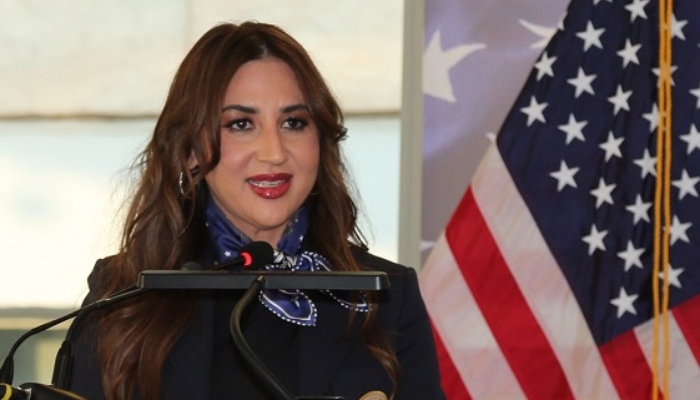
    US Chargé d’Affaires in Pakistan Natalie Baker has said that bilateral trade between the United States and Pakistan exceeded $8 billion in 2025. Baker visited Lahore on August 11 and 12, where she held meetings with Punjab Chief Minister Maryam Nawaz Sharif, Adviser Ali Dar, business leaders and technology experts. According to the US Embassy, discussions during the visit focused on artificial intelligence (AI), higher education, innovation, trade and investment opportunities between the two countries. Baker said the United States remained committed to working with Pakistan’s private sector, universities, innovators and government institutions to strengthen economic and technological cooperation. She noted that Pakistan’s technology sector was expanding rapidly, creating opportunities for greater collaboration in trade, investment, AI and emerging technologies. The US diplomat highlighted software development, digital services and artificial intelligence as areas with significant potential for cooperation between the two countries. Emphasising the importance of stronger commercial ties, Baker said bilateral trade had crossed the $8 billion mark in 2025. She also stressed the potential of US educational expertise to create new opportunities for Pakistani students while contributing to stronger economic ties between Pakistan and the United States. Baker’s Lahore visit focused on exploring new areas of partnership and strengthening existing economic and technological links. Discussions with government officials, business representatives and technology experts also highlighted the growing role of innovation and digital industries in Pakistan’s economy. The US diplomat said continued cooperation between the two countries could help expand investment, support technological development and create new opportunities for businesses and students in both countries.

  • |

    Germany’s delayed lignite review fuels debate over coal exit

    BERLIN: Germany’s decision to postpone an interim assessment of its planned lignite phase-out in North Rhine-Westphalia has raised speculation that some coal-fired power plants could remain available for longer than originally scheduled to protect the country’s electricity supply. The German government had been expected to publish an interim report by August 15 examining the consequences of the planned early shutdown of lignite-fired generation in the country’s largest state. However, the economy ministry has delayed the assessment while it awaits the outcome of tenders for new gas-fired power plants being conducted this year. The development has attracted attention because the report is expected to play an important role in determining whether Germany can maintain electricity security while moving ahead with its ambitious coal-exit strategy. Agreement with RWE Under an agreement reached in 2022 between the German government and energy company RWE, lignite-fired electricity generation in North Rhine-Westphalia is scheduled to end by March 2030. The timetable brought forward the shutdown of several lignite plants by eight years compared with Germany’s broader national coal phase-out target. Lignite, commonly known as brown coal, is among the most carbon-intensive fossil fuels and has long been a major target of Germany’s efforts to reduce greenhouse-gas emissions. The government nevertheless retained the possibility of reassessing the situation by 2026. If the review finds that electricity supplies could be threatened, some RWE facilities could potentially remain available until 2033. Delay raises market expectations The postponement of the interim report has prompted speculation in energy markets that Berlin may eventually use the security provisions included in the agreement. Market expectations have centred on around 3.6 gigawatts (GW) of RWE’s lignite-fired capacity potentially being placed into a so-called security standby arrangement. Under such a mechanism, plants could remain available to operate if the electricity system faces supply shortages, potentially extending their role through the end of 2033. The government, however, has not announced any decision to extend the operating life of the plants. RWE Chief Executive Markus Krebber said on Thursday that the company had not been informed of any change to the agreed 2030 shutdown date. He also indicated that the government had not approached RWE about extending the plants’ operations. Gas power becomes increasingly important The delay comes as Germany seeks to strengthen its electricity system with additional gas-fired generation. Germany has approximately 266 GW of installed electricity-generation capacity, but a substantial portion comes from solar and wind power. While renewable energy has expanded rapidly, both technologies are weather-dependent and cannot independently guarantee continuous electricity production around the clock. That has intensified concerns about how the country will maintain reliable power supplies as coal-fired generation is gradually removed from the system. Gas-fired plants are increasingly being considered as a flexible source of electricity that can support the grid when renewable generation is insufficient. The government’s current tenders for new gas capacity are therefore closely linked to the broader debate over how quickly Germany can retire coal-fired plants without creating supply risks. Security of supply remains a key concern Germany’s energy transition has faced a difficult balancing act between climate objectives and electricity reliability. The country wants to expand renewable generation while reducing its reliance on fossil fuels, but the retirement of conventional power plants removes generation capacity that can be dispatched when required. The issue became particularly sensitive following the country’s decision to phase out nuclear power, leaving policymakers with fewer sources of low-carbon, dispatchable electricity. Supporters of a rapid coal exit argue that expanding renewable generation, electricity storage, grid infrastructure and flexible gas capacity can compensate for the closure of coal plants. Critics maintain that Germany could face periods of tight supply unless sufficient backup generation is available. AfD presses for reversal The issue has also become politically contentious. The far-right Alternative for Germany (AfD), currently the country’s largest opposition party and leading nationwide opinion polls, has strongly opposed Germany’s coal and nuclear phase-out policies. The party has called for a reversal of the energy-exit strategy, arguing that the closure of conventional power stations could increase the risk of electricity shortages and potentially lead to blackouts. The government, meanwhile, faces the challenge of ensuring that its climate commitments do not undermine electricity security.

  • |

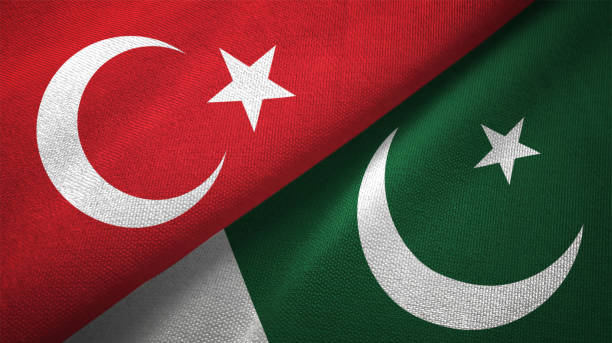
    ICCI awards in Istanbul highlight new opportunities for Pakistan-Turkiye economic partnership

    ISLAMABAD: The Islamabad Chamber of Commerce and Industry (ICCI) has used a series of high-level engagements in Istanbul to promote Pakistan’s private sector, recognise leading entrepreneurs and strengthen commercial ties between Pakistan and Turkiye. The ICCI International Excellence Awards 2026 brought together Turkish government representatives, diplomats, business leaders and members of the Pakistani and Turkish business communities, providing a platform to highlight the contribution of Pakistani entrepreneurs while exploring opportunities for greater bilateral trade and investment. Around 40 Pakistani business leaders representing a range of sectors were honoured at the awards ceremony for their contributions to the country’s economy and private-sector development, according to a press release issued on Saturday. The event also provided an opportunity for business representatives from both countries to discuss the potential for expanded commercial cooperation, investment partnerships and joint ventures. Turkish officials stress stronger business links Addressing the ceremony, Istanbul Deputy Governor Mehmet Sulun said initiatives bringing together business communities from Pakistan and Turkiye could play an important role in expanding people-to-people and business-to-business contacts. He said stronger interaction between entrepreneurs could create fresh opportunities in trade, investment and joint ventures while contributing to deeper ties between the two countries. Sulun observed that business leaders played a role beyond commercial activity, describing them as important contributors to friendship and mutual understanding between the two nations. He expressed confidence that the longstanding relationship between Pakistan and Turkiye would continue to develop and remain strong for future generations. Pakistan’s Consul General in Istanbul Khawaja Khurram Naeem also emphasised the importance of expanding direct links between the private sectors of the two countries. He said political and fraternal relations needed to be complemented by stronger commercial engagement if Pakistan and Turkiye were to significantly increase bilateral trade and investment. Naeem assured Pakistani business representatives that Pakistan’s diplomatic mission would continue supporting initiatives aimed at improving commercial cooperation and facilitating interaction between entrepreneurs from both countries. ICCI seeks expansion in trade and investment In his opening remarks, ICCI President Sardar Tahir Mehmood highlighted the longstanding historical, cultural and fraternal relationship between Pakistan and Turkiye. He said the two countries had strong political and people-to-people relations, but the economic relationship had considerable room for further expansion. Mehmood reaffirmed the ICCI’s commitment to supporting efforts aimed at increasing bilateral trade and investment in line with the ambitions of the leadership of both countries. He said the chamber was working to establish itself as an international platform connecting Pakistani businesses with global markets and partners. According to Mehmood, the ICCI is focusing on promoting Pakistani exports, attracting investment and developing international business partnerships while coordinating with government departments and other relevant institutions to improve the business environment. He stressed that greater ease of doing business and stronger institutional support would help Pakistani companies compete more effectively in international markets. Turkish chamber backs institutional cooperation Munir Ustun, a member of the Executive Board of the Istanbul Chamber of Commerce, welcomed efforts to bring the Pakistani and Turkish business communities closer. He stressed the importance of stronger institutional relationships between chambers and private-sector organisations in both countries. Ustun said regular business delegations, business-to-business meetings and joint commercial initiatives could help identify areas where cooperation could be expanded. He noted that significant untapped potential existed in bilateral trade and investment and that closer engagement between businesses could help turn that potential into concrete commercial projects. Faisal Town Group Director Zohair Majeed said the international recognition given to Pakistani entrepreneurs demonstrated the capability and resilience of the country’s private sector. He said Pakistani companies had the potential to compete in international markets and argued that stronger partnerships with Turkish businesses could create opportunities in investment, technology transfer and exports. According to Majeed, greater cooperation between businesses could also contribute to sustainable economic growth and help Pakistani companies gain access to new markets and technologies. Pakistan-Turkiye economic ties discussed at Independence Day event The ICCI delegation also participated in a separate event in Istanbul to mark Pakistan’s 79th Independence Day, where Pakistani and Turkish business representatives reaffirmed their commitment to strengthening bilateral economic cooperation. Speaking at the gathering, Mehmood said Pakistan’s independence had been achieved after enormous sacrifices by the country’s founding generation. He called on citizens and the business community to contribute to national development by promoting economic growth, investment and entrepreneurship. Mehmood said Pakistan and Turkiye shared decades of historical, cultural and fraternal ties, adding that the longstanding relationship should increasingly be reflected in stronger economic cooperation. He called for greater participation by the private sectors of both countries in trade, investment and joint ventures. The ICCI president said the chamber would continue to provide platforms where Pakistani and Turkish entrepreneurs could meet, explore commercial opportunities and develop long-term partnerships. Turkish business representatives also reiterated their commitment to deepening the relationship with Pakistan, particularly through increased trade, investment and direct business-to-business engagement. Business conference explores investment opportunities The economic engagement was further strengthened through a Business Opportunity Conference in Istanbul, which brought together business leaders from both countries to examine potential areas for cooperation. Participants discussed opportunities for expanding bilateral trade, establishing joint ventures, attracting investment and creating stronger business-to-business connections. Pakistan’s Consul General in Istanbul Khawaja Khurram Naeem participated actively in the discussions, responding to questions from Turkish business representatives and outlining Pakistan’s trade and investment potential. He also highlighted developments in the country’s business and investment environment and encouraged Turkish companies to examine opportunities in Pakistan. A significant number of Turkish companies participated in the conference and expressed interest in exploring commercial and investment prospects in Pakistan. During an interactive session, ICCI President Sardar Tahir Mehmood, along with former ICCI presidents Aamir Waheed Sheikh and Mohammad Ejaz Abbasi, and Dr Adeel Sami, Founder and President of the Pakistan-Turkiye Investment & Development Council, responded to questions from Turkish entrepreneurs. The discussion focused on practical mechanisms for strengthening commercial links and identifying sectors where Pakistani and Turkish companies could work together. Focus shifts from friendship to economic partnership The events in Istanbul underscored a

  • | | |

    Pakistan unveils major construction reforms to boo…

    ISLAMABAD: The federal government is preparing a wide-ranging reform package aimed at revitalising Pakistan’s construction industry, improving regulatory oversight and attracting greater investment in modern infrastructure. The proposed measures include the establishment of a Construction Industry Development Board (CIDB), consideration of a specialised Construction Development Bank (CDB), targeted tax reforms and changes to import and export policies. The proposals were discussed during a high-level meeting chaired by Federal Minister for Economic Affairs and Establishment Division Senator Ahad Khan Cheema. The meeting brought together senior government officials, representatives of the Construction Association of Pakistan and other stakeholders to examine the sector’s financial, regulatory and operational challenges. Under the proposed framework, the CIDB would promote the development of the construction industry while also regulating contractors, consultants and industry standards. The body would include representatives from both the public and private sectors and would seek to establish more consistent construction standards across the country. Senator Cheema said the government and the Construction Association of Pakistan were in agreement over the need for a dedicated regulatory and development body. The proposed framework will be presented to Prime Minister Shehbaz Sharif for approval. The government also plans to introduce targeted tax incentives and rationalise import and export policies to encourage the use of modern construction technologies and strengthen local production capacity. In a significant move to improve the quality and durability of public infrastructure, the standard Defect Liability Period for public development projects is expected to increase from one year to three years, with a longer-term plan to extend it to five years. The proposed reforms would also increase accountability for consultants. Unlike contractors, who can face penalties for poor performance, consultants currently have limited direct legal accountability. Under the new framework, consultants could be subjected to regulatory oversight and held financially and legally responsible for design defects and technical errors. The government is also examining the construction industry’s difficulties in obtaining financial and performance guarantees. Senator Cheema directed Minister of State for Finance Bilal Azhar Kayani to consult the State Bank of Pakistan and Pakistan Banks Association on these issues and assess the feasibility of establishing a dedicated Construction Development Bank. The government says the reforms are intended to ensure that public infrastructure projects deliver better value for money, remain durable and meet higher technical standards. Officials believe stronger regulation and accountability could reduce disputes, improve construction quality and bring Pakistan’s industry closer to international standards.

  • | | |

    Pakistan targets $1.5bn hybrid rice market in Chin…

    Pakistan has a major opportunity to increase its hybrid rice exports to China and could potentially secure exports worth up to $1.5 billion, according to industry experts. The opportunity has emerged as China looks for alternative sources of non-Basmati rice amid a decline in rice trade with India. Pakistani exporters believe the changing market conditions could allow the country to expand its presence in China. Shahzad Ali Malik, founding chairman of the Rice Exporters Association of Pakistan (REAP) and CEO of Guard Agricultural Research and Services, said Pakistan should move quickly to take advantage of the situation. He said Pakistan had a competitive edge because local farmers already grow Chinese hybrid rice varieties. With a coordinated strategy between the government and private sector, Pakistan could significantly increase its exports to the Chinese market. China is expected to remain one of the world’s largest rice importers. Its rice import demand for 2025-26 has been estimated at around 3.1 million tonnes. India had previously been an important supplier of non-Basmati rice to China. However, changes in Chinese import requirements and non-tariff restrictions have affected Indian rice shipments. This has created an opening for other suppliers. Pakistan is considered well placed to benefit because it already produces both Basmati and non-Basmati rice. Pakistan also has surplus stocks of several non-Basmati varieties. These include Chinese hybrid rice and IRRI varieties that are used in China for food processing and strategic food reserves. The hybrid rice segment offers particular potential. Pakistan uses hybrid seed parent lines imported from China. This could make it easier for Pakistani producers and Chinese buyers to maintain compatibility in varieties and quality standards. Pakistan also has an advantage in the non-GMO segment. Industry representatives believe this could strengthen the country’s position as Chinese buyers become more selective about imported rice. The Pakistan-China Free Trade Agreement could further support exports. Existing trade links and CPEC-related logistics may also help Pakistani exporters reduce transportation time and improve their competitiveness. The changing market could benefit both exporters and farmers. Lower competition from India may increase demand for Pakistani rice and could improve prices. Chinese buyers may also seek long-term contracts and assured supplies. Such arrangements could provide farmers with greater market certainty and encourage investment in rice production. However, industry experts say Pakistan must improve its export systems to take full advantage of the opportunity. The government and private sector will need to work together on contract farming, seed quality, certification and food safety requirements. Chinese authorities have strict standards for food safety and pesticide residues. Pakistani exporters will therefore need to ensure that rice consistently meets the required specifications. Seed companies can also play an important role. Improved hybrid seeds could increase yields per acre while helping farmers produce rice of consistent quality. Logistics will be another key factor. Industry representatives believe Pakistan’s ports and CPEC-linked infrastructure could help shorten delivery times and reduce costs. Rice is one of Pakistan’s most important export commodities and ranks second after textiles. An increase in rice exports could generate additional foreign exchange and provide greater economic opportunities for farmers, particularly in Punjab and Sindh. Malik estimated that Pakistan could increase its overall rice exports to around $5 billion within three to five years if the necessary planning, investment and policy support are provided. He also proposed establishing a Pakistan-China Rice Export Task Force. The proposed body could include rice exporters, seed companies and relevant government authorities. The task force could develop a long-term export strategy, coordinate with Chinese buyers and address regulatory and logistical challenges.

  • |

    Prices of 52 new medicines likely to be fixed soon

    ISLAMABAD: An important development has emerged regarding the prices of 52 new medicines approved by the Drug Regulatory Authority of Pakistan (DRAP) for life-saving treatment. The prices of the 52 new life-saving medicines are likely to be fixed this month. Sources said that a meeting between Prime Minister Shehbaz Sharif, the Health Minister and DRAP officials has been scheduled. According to sources, the Prime Minister will meet with the Ministers for Health and Finance and the CEO of DRAP tomorrow. The meeting will include a briefing on hardship cases and the pricing of 52 new medicines. Sources said the purpose of the meeting is to seek the Prime Minister’s support regarding the 52 new medicines and pending hardship cases. The newly approved medicines are intended for the treatment of serious conditions including cancer, diabetes, haemophilia, autoimmune disorders, critical-care conditions, severe infections, blood disorders and emergency medical conditions. The DRAP Policy Board and Pricing Committee have already approved the 52 new medicines while the Cabinet Drug Pricing Committee approved them on July 24. Sources said that the Cabinet Pricing Committee and DRAP have also determined the maximum prices for the new medicines. Meanwhile, hardship cases involving around 100 medicines for various diseases are still pending. Sources said that once approval is granted by the Cabinet, DRAP will issue an official notification regarding the prices of the new medicines.

  • |

    Gold prices edge lower in Pakistan as global rates decline

    KARACHI: Gold prices recorded a modest decline in Pakistan on Saturday, with the domestic market following a slight downward movement in international bullion rates. According to data released by the All Pakistan Sarafa Gems and Jewellers Association, the price of gold fell by Rs500 per tola, bringing the price to Rs459,936 per tola. The association reported a corresponding decline in the price of 10 grams of gold. The rate for 10 grams was reduced by Rs429, settling at Rs394,320. The decrease in domestic gold prices came as international bullion rates also moved lower. In the global market, gold fell by $5 per ounce to $4,375 per ounce. Market participants closely monitor international gold prices, currency movements and domestic demand when determining bullion rates in Pakistan. Changes in the international market can have a direct impact on local prices, particularly when combined with fluctuations in the exchange rate. Gold remains a popular investment and savings instrument in Pakistan, where consumers and investors closely track daily changes in bullion prices. Jewellery demand, inflation expectations and movements in global financial markets can also influence local buying and selling activity. The latest reduction, however, was relatively limited, indicating that the domestic bullion market remained broadly stable despite the decline in international prices.