कारोबार

  • |

    Global food prices hit three-year high in July

    Global food prices reached their highest level in three years in July. The United Nations Food and Agriculture Organization (FAO) said global food prices rose significantly due to weather conditions and the Iran-US war reaching a three-year high. The FAO Food Price Index tracks monthly changes in international prices of major food commodities. According to the index, global food prices rose to 131.1 points in July compared with 130.3 points in June. This was the highest level recorded since January 2023. The FAO’s chief economist had told a news agency in recent days that the world was once again facing food price inflation due to the wars in Iran and Ukraine as well as the El Niño climate phenomenon which can affect crop production. El Niño is a climate pattern in which a large part of the Pacific Ocean becomes unusually warm contributing to an increase in global temperatures. According to the international organization, wheat prices increased by 5.8% resulting in an overall 3.4% increase in commodity prices. Wheat exports through the Black Sea were affected while rising temperatures disrupted crop production in major wheat-growing regions. The FAO Vegetable Oil Price Index increased by 2% reaching its highest level since June 2022. Vegetable oil prices rose due to the Iran war and increased demand for biodiesel. Sugar prices increased by 5.6% amid weather-related concerns in Europe and Asia. However, meat prices declined by 2.8%.

  • | | |

    PSX retreats as profit-taking, oil prices hit sent…

    The Pakistan Stock Exchange (PSX) came under pressure on Friday as investors opted to book profits after the market’s recent gains. The benchmark KSE-100 Index fell sharply during early trading, reflecting cautious investor sentiment amid rising global oil prices and uncertainty over developments surrounding the Strait of Hormuz. The index dropped 771.05 points, or 0.42%, to 181,005.54 by 9:39am. Selling was reported across several major sectors, putting pressure on the overall market. By noon, the KSE-100 had recovered some of its losses and was trading at 181,326.54 points, down 450.05 points, or 0.25%, from Thursday’s close of 181,776.59. During the session, the index moved between an intraday high of 181,647.27 and a low of 180,620.08 points. Trading activity remained moderate, with around 146.05 million shares changing hands. The total value of traded shares stood at approximately Rs10.06 billion. Selling was visible in several heavyweight sectors, including automobile assemblers, cement companies, commercial banks, fertiliser firms, oil and gas exploration companies and oil marketing companies. Market sentiment was also affected by the continued rise in international crude prices. Investors remained cautious over possible disruptions to energy supplies amid tensions surrounding the Strait of Hormuz. Analysts attributed the decline largely to profit-taking following the market’s recent strong performance. Investors appeared reluctant to make fresh aggressive positions while global oil prices and geopolitical risks remained elevated. Despite Friday’s decline, the KSE-100 remained above the 181,000-point level, indicating that the broader market continued to retain much of its recent gains.

  • Gas Shortages and High Prices Derail Southeast Asia’s Energy Plans

    BANGKOK – Southeast Asia is facing a harsh reality check when it comes to electricity powered by natural gas. The region originally had massive plans to power its booming economies with natural gas. However, soaring costs and global equipment shortages are forcing a sudden change in direction. Today, government officials are realizing that the old […]

  • Singapore Oil Stocks Bounce Back as Fuel Inventories See Major July Surge

    BANGKOK – Singapore is witnessing a welcome shift in its critical energy markets this month. Recent data reveals that fuel oil inventories in the Asian trading hub have finally bounced back. Following several months of steady declines, onshore stockpiles surged by an impressive nine percent during July. This much-needed rebound pushes the busy port’s total […]

  • Singapore’s Global Talent Push: ONE Pass Holders Double in Two Years

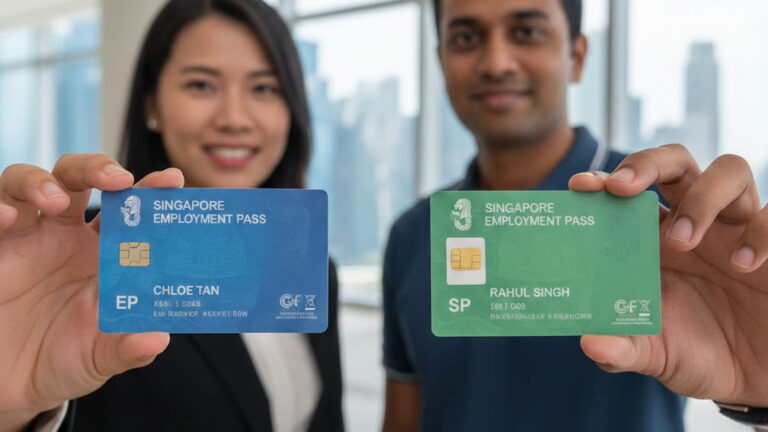
    BANGKOK – Singapore has significantly ramped up its push to attract the best minds in the world. The city-state has more than doubled the number of high-earning foreign professionals holding a special work visa since its launch. The number of Overseas Networks and Expertise (ONE) Pass holders jumped to 8,500 by December 2025. This is […]

  • | | | |

    25kW solar users exempt from Nepra approval

    The National Electric Power Regulatory Authority (NEPRA) has introduced a major relief for small-scale solar consumers by amending the Solar Regulations 2026. The new changes remove a key regulatory requirement for consumers installing solar systems of up to 25 kilowatts (kW). According to an official notification issued by NEPRA, consumers with solar power systems of up to 25kW will no longer need to obtain prior approval from the regulatory authority before installing or connecting their systems. Instead, the power to grant approvals has now been delegated to the relevant electricity distribution companies (DISCOs). Consumers will be able to complete the approval process directly through their local power utility, eliminating the need to seek separate permission from NEPRA. The amendment is expected to simplify the procedure for residential, commercial and small business consumers who want to switch to solar energy. By reducing regulatory hurdles, the revised framework aims to make the installation process faster, easier and more efficient. Energy experts believe the decision will encourage more consumers to invest in solar power by shortening approval times and reducing paperwork. The move is also expected to support Pakistan’s growing transition towards renewable energy and lessen dependence on conventional electricity sources. The revised regulations are intended to improve access to clean energy while giving electricity distribution companies greater authority to process applications and facilitate small-scale solar projects more quickly.

  • | | |

    Pakistan foreign exchange reserves rise in the fin…

      Pakistan’s foreign exchange reserves recorded a modest increase during the last business week of July, reflecting a slight improvement in the country’s external financial position. According to the latest figures released by the State Bank of Pakistan (SBP), the nation’s total foreign exchange reserves increased by approximately 32.5 million US dollars during the week ending 31 July. With this increase, Pakistan’s total foreign exchange reserves reached 22.47 billion US dollars. Although the weekly rise was relatively small, it is considered a positive development, as foreign exchange reserves play a vital role in maintaining economic stability, supporting international trade, and strengthening investor confidence. Higher reserves enable the country to meet its external debt obligations, finance imports, and manage fluctuations in the value of the Pakistani rupee. The SBP reported that its own foreign exchange reserves rose by 13.1 million US dollars taking the central bank’s holdings to 17.04 billion US dollars by the end of the reporting week. The increase indicates a gradual strengthening of the country’s official reserve position. Central bank reserves are particularly important because they are used to stabilize the foreign exchange market, ensure adequate liquidity for international transactions, and provide a financial cushion during periods of economic uncertainty. In addition to the improvement in the SBP’s reserves, the foreign exchange reserves held by Pakistan’s commercial banks also recorded an increase. According to the data, commercial banks’ reserves rose by 19.4 million US dollars bringing their total holdings to 5.43 billion US dollars. These reserves consist of foreign currency deposits and other external assets maintained by commercial banks to facilitate international trade, foreign currency transactions, and customer requirements. The combined increase in the reserves of both the State Bank and commercial banks contributed to the overall rise in the country’s foreign exchange holdings. While the increase may appear modest in comparison to the total volume of reserves, it demonstrates stability in Pakistan’s external financial sector during the reporting period. Foreign exchange reserves are closely monitored by investors, international financial institutions, and credit rating agencies because they provide an indication of a country’s ability to meet its international financial commitments. A healthy reserve position also supports economic confidence by reducing pressure on the exchange rate and helping the government manage external payment obligations more effectively. Pakistan’s foreign exchange reserves have experienced fluctuations over the past few years due to factors such as external debt repayments, import payments, remittance inflows, export earnings, and financial assistance from international partners. As a result, weekly changes in reserves are often influenced by routine external transactions, repayments, and foreign currency inflows. The latest increase in reserves suggests that Pakistan’s external account remained relatively stable during the final week of July. Economists note that sustaining and further improving reserve levels will depend on continued growth in exports, higher workers’ remittances, prudent fiscal and monetary policies, and the successful implementation of economic reforms. Maintaining adequate foreign exchange reserves remains essential for supporting macroeconomic stability, strengthening investor confidence, and ensuring the country’s ability to meet its international financial obligations in the months ahead.

  • |

    Pakistan sets record with 5,438 companies registered in July

    Islamabad – A new business record has been set in Pakistan with thousands of new companies registered with the Securities and Exchange Commission of Pakistan (SECP) in a single month. Business activity in Pakistan’s corporate sector has witnessed a significant acceleration as the SECP set a new record for the registration of new companies during July. According to official figures, 5,438 new companies were registered across the country in July marking the highest number of registrations recorded in a single month. During the same period, five international companies also established their offices in Pakistan including companies from Malaysia, the United Arab Emirates and China. According to the report, 112 newly registered companies have foreign directors on their boards indicating growing foreign investment and international business interest in Pakistan. The newly registered companies include 3,148 private limited companies while Punjab remained at the top with 2,756 new companies registered. This was followed by Islamabad with 1,053, Sindh with 864, Khyber Pakhtunkhwa with 450, Gilgit-Baltistan with 180 and Balochistan with 135 newly registered companies. IT sector leads new registrations A sector-wise analysis shows that Information Technology (IT) remained the leading sector with 1,008 new companies registered. Other sectors also recorded significant registrations including 845 companies in trading, 638 in services, 348 in construction, 256 in food and beverages, 207 in tourism, 181 in e-commerce, 165 in education, 162 in real estate development and 145 in corporate agriculture. According to business experts, the increasing number of new company registrations reflects growing private-sector investment, business confidence and new economic activity in the country. The rapid growth in registrations in the IT sector is also being viewed as a positive sign for the expansion of Pakistan’s digital economy.

  • |

    PSX extends rally as KSE-100 jumps nearly 1,500 points

    The Pakistan Stock Exchange (PSX) maintained its strong upward momentum on Thursday, with investors continuing aggressive buying across major sectors, pushing the benchmark KSE-100 Index higher by nearly 1,500 points during intraday trading. By 2:40pm, the KSE-100 Index was trading at 181,488.61 points, reflecting an increase of 1,473.68 points, or 0.82%, compared with the previous session’s close. The latest gain extended the market’s recovery after Wednesday’s sharp rally, indicating renewed investor confidence amid improving domestic and international market conditions. Market participants said buying activity remained broad-based, with investors accumulating shares in several heavyweight sectors. Strong demand was witnessed in automobile assemblers, cement manufacturers, chemical companies, commercial banks, fertiliser producers, oil and gas exploration firms, oil marketing companies (OMCs), and power generation stocks. Among the index-heavy companies contributing to the rally were Attock Refinery Limited (ARL), Hub Power Company (HUBCO), Mari Energies (MARI), Oil and Gas Development Company (OGDC), Pakistan Petroleum Limited (PPL), Pakistan Oilfields Limited (POL), MCB Bank, Meezan Bank (MEBL), and National Bank of Pakistan (NBP), all of which traded in positive territory during the session. The bullish sentiment follows Wednesday’s impressive recovery, when the benchmark KSE-100 Index climbed 2,931.71 points, or 1.66%, to settle at 180,014.93 points. The surge enabled the index to reclaim the important 180,000-point milestone for the first time in 16 trading sessions, signaling renewed optimism among investors. Analysts attributed the recent gains to easing geopolitical concerns in the Middle East, which have reduced fears of supply disruptions in global energy markets. The decline in international crude oil prices has also helped improve investor sentiment by easing inflationary concerns and strengthening expectations for economic stability. The recovery has encouraged investors to return to the equity market, particularly in sectors expected to benefit from lower energy costs and improving macroeconomic indicators. Banking and energy stocks remained among the biggest contributors to the benchmark index’s advance. Meanwhile, global financial markets presented a mixed picture on Thursday. Asian stock markets paused after a technology-led rally in the previous session, while crude oil prices traded within a narrow range as investors monitored developments surrounding potential diplomatic progress between Iran and the United States. MSCI’s broad index of Asia-Pacific shares excluding Japan declined by 0.69%, weighed down primarily by losses in technology stocks. South Korea’s benchmark index fell 3.64%, while Japan’s Nikkei 225 dropped 1.57%. Major technology companies also came under pressure. In South Korea, Samsung Electronics slipped 2.44%, while semiconductor manufacturer SK Hynix fell 6.95%. In Japan, memory chip producer Kioxia plunged 9.61%, and Tokyo Electron declined 4.61%. The cautious mood in Asia followed a weaker overnight performance on Wall Street, where the Nasdaq Composite ended its recent winning streak. Investors reacted to quarterly earnings from major technology companies, including SpaceX and Advanced Micro Devices (AMD). Although companies continued to highlight strong demand for artificial intelligence-related investments, market participants remained cautious about the sustainability of heavy spending on AI infrastructure. Investors also questioned whether profitable businesses such as satellite internet services could continue financing expensive data centre expansion over the long term.

  • | | |

    SECP registers record 5,438 new companies in July

    The Securities and Exchange Commission of Pakistan (SECP) recorded its highest-ever monthly company registrations, with 5,438 new companies incorporated during July, reflecting growing business activity and investor confidence in the country’s corporate sector. According to the SECP, five international companies established offices in Pakistan during the month. The foreign firms are from Malaysia, the United Arab Emirates (UAE), and China, highlighting continued overseas interest in Pakistan’s business environment. The commission said 112 newly registered companies include foreign directors, indicating increasing international participation in the local corporate sector. Of the total registrations, 3,148 were private limited companies, while 2,117 were single-member companies. In addition, 127 limited liability partnerships (LLPs) were incorporated during the month. The SECP also registered 28 non-profit organisations and 18 public companies. Provincially, Punjab accounted for the largest share of registrations, with 2,756 companies, representing 51% of the total. Islamabad followed with 1,053 companies, while Sindh registered 864, Khyber Pakhtunkhwa 450, Gilgit-Baltistan 180, and Balochistan 135 new companies. The information technology (IT) sector recorded the highest number of new incorporations, with 1,008 companies registered during July. Other major sectors included trading with 845 new companies, services with 638, and construction with 348 registrations. The SECP also reported significant growth in other industries, with 256 companies registered in the food and beverages sector, 207 in tourism, 181 in e-commerce, 165 in education, 162 in real estate development, and 145 in corporate agriculture. The record number of company registrations reflects continued expansion across multiple sectors of Pakistan’s economy and increasing formalisation of businesses under the country’s corporate regulatory framework