فیچرڈ

  • | |

    PIMS denies CT Scan failure after Imran Khan’s h…

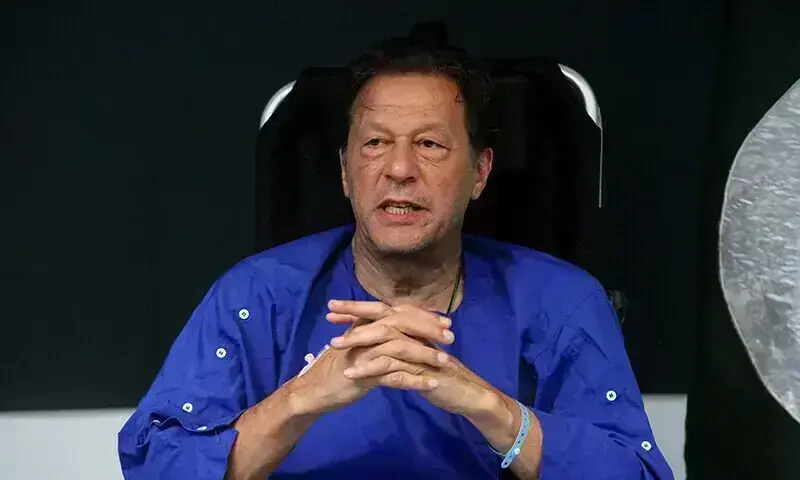
    ISLAMABAD: The Pakistan Institute of Medical Sciences (PIMS) has rejected reports that its CT scanning facility was unavailable after former prime minister and PTI founder Imran Khan was unable to undergo a recommended heart scan during his recent visit to the hospital. In a statement issued on Tuesday, the hospital administration said the CT machine installed in 2022 “remains functional” and continues to provide diagnostic services. Imran, who is currently incarcerated at Adiala Jail, was taken to Pims last week for an eye-related procedure and other medical examinations. Doctors had reportedly recommended a CT coronary angiography (CTA), a diagnostic test used to examine the coronary arteries and identify possible blockages. However, the test was not performed before he was returned to jail. The development prompted Prime Minister Shehbaz Sharif to order an inquiry into reports that the required facility at Pims was not operational. An inquiry committee was subsequently constituted to establish the facts surrounding the missed examination. Pims clarified that medical imaging procedures are carried out according to clinical assessments, specialist recommendations, patient-safety requirements and established medical protocols. The administration also cautioned against interpreting the use or non-use of a particular imaging procedure outside its medical context. A senior Pims doctor, speaking on condition of anonymity, said approximately a dozen CT coronary angiographies had been performed at the hospital before the latest statement was issued. The controversy has also intensified demands from PTI leaders for Imran to be transferred to Shifa International Hospital in Islamabad. The Supreme Court had directed on August 18 that he be shifted to the facility. PTI Information Secretary Sheikh Waqas Akram has questioned why the recommended examination was not carried out. He said a government-appointed medical board examined Imran on August 10, while a Pims cardiologist had recommended the cardiac scan earlier due to reported fluctuations in blood pressure, palpitations, headaches and restlessness, along with concerns related to his age and prolonged incarceration. Akram alleged that the test was considered medically necessary but was not conducted when Imran was brought to Pims. He further claimed that hospital officials cited the unavailability of the facility despite the presence of a functioning CT scanner. The conflicting accounts have placed renewed attention on Imran’s medical care and the circumstances surrounding the recommended cardiac examination, with the government-ordered inquiry expected to clarify whether the test was withheld for medical reasons or because of an operational issue.
  • | |

    OGDC top executives receive monthly salaries rangi…

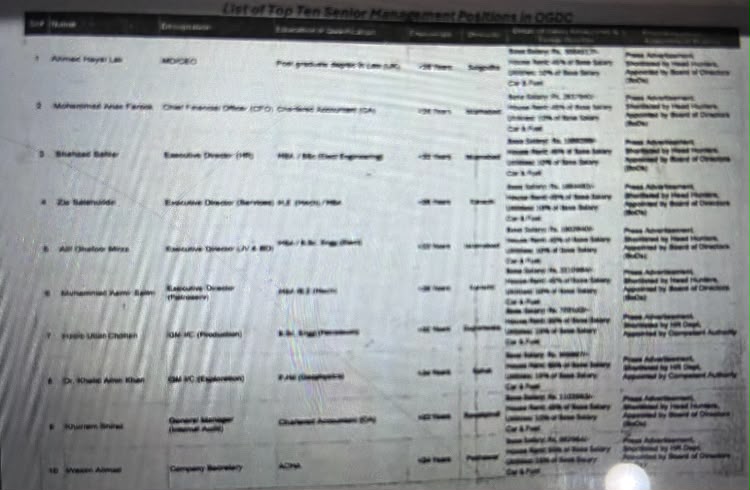
      Islamabad:Details of the salaries and benefits of senior officials at Oil and Gas Development Company Limited (OGDC) were presented before the Senate, revealing that the company’s Managing Director and Chief Executive Officer receives a basic monthly salary of more than Rs. 5.56 million. The information was shared with parliament as part of a disclosure concerning the remuneration packages of senior executives at the state-owned exploration and production company. The figures show significant differences in the basic salaries of OGDC’s top management, with the company’s highest-paid official earning several million rupees each month before allowances and other facilities are added. According to the details presented in the Senate, Ahmed Hayat Lak, OGDC’s Managing Director and CEO, receives a basic monthly salary of Rs. 5,564,171. Chief Financial Officer Muhammad Anas Farooq earns Rs. 2,837,940 per month, while Executive Director Petroleum Muhammad Aamir Saleem receives Rs. 2,211,990. Among other executive directors, Shehzad Safdar, Executive Director Human Resources, has a basic monthly salary of Rs. 1,889,298. Zia Salahuddin, Executive Director Services, receives Rs. 1,849,433, while Atif Ghafoor Mirza, Executive Director Joint Ventures and Business Development, earns Rs. 1,893,434. The salaries of general managers are comparatively lower but still substantial. Khurram Shehraz, General Manager Internal Audit, receives Rs. 1,100,929 per month. Dr. Khalid Ameen Khan, General Manager Exploration, earns Rs. 900,881, while General Manager Production Habib Ullah Chohan receives Rs. 700,443. The company secretary, Waseem Ahmad, has a basic monthly salary of Rs. 607,754. In addition to their basic salaries, the ten senior officials are entitled to several allowances and facilities. These include a house-rent allowance equivalent to 45 percent of their basic salary and utilities allowance amounting to 10 percent of the basic pay. They are also provided with car and fuel facilities. After the applicable allowances are included, the monthly remuneration package of the OGDC managing director exceeds Rs. 8.6 million. The CFO’s overall monthly package is reported to be more than Rs. 4.4 million. The information presented to the Senate also showed that all ten officials have more than three decades of professional experience. Most of the executives were recruited through press advertisements and headhunters before being appointed by OGDC’s Board of Directors. Their educational qualifications include professional and advanced degrees in fields such as law, chartered accountancy, business administration, engineering and geophysics. The MD is based in Islamabad, while other senior executives are posted in Islamabad, Karachi, Quetta and Sukkur. OGDC is Pakistan’s largest exploration and production company and is listed on the stock exchange, with the government holding a majority share. The disclosure has drawn attention to the compensation structures followed by state-owned enterprises. During the Senate proceedings, questions were raised regarding whether OGDC’s remuneration packages are comparable with those offered by private-sector exploration and production companies. Senators also discussed the possible impact of high executive compensation on the company’s overall operational expenses. However, no change to the existing salary and benefits structure was announced during the briefing.

  • | |

    PHA illuminates Punjab to mark Eid Milad-un-Nabi

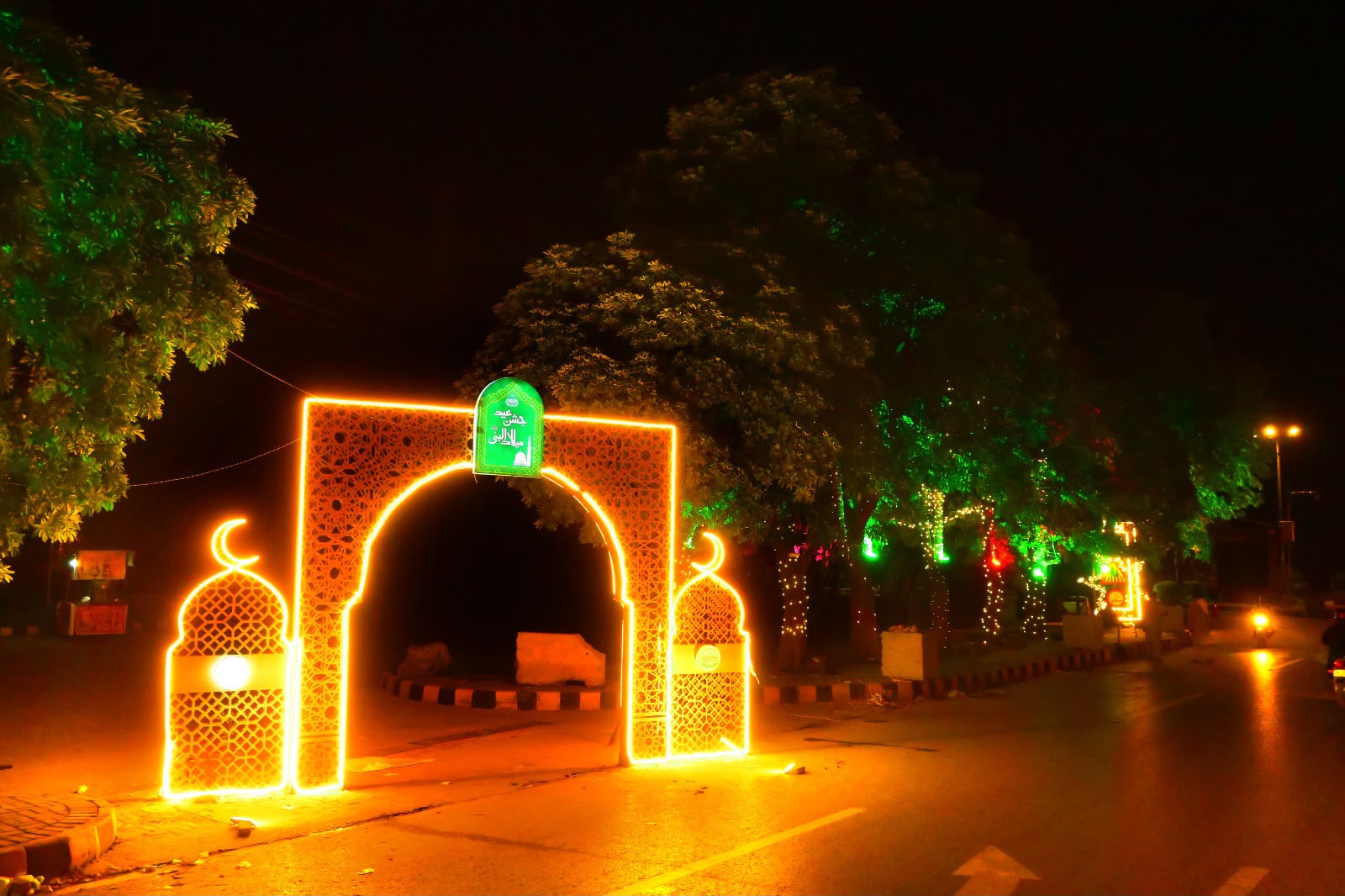
      LAHORE: Cities across Punjab were illuminated with decorative lights and religious-themed displays as the Punjab Horticulture Authority (PHA) arranged special decorations to mark Eid Milad-un-Nabi, filling public spaces with festive and spiritual displays. As part of its annual celebrations, the PHA installed illuminated signs, decorative structures and religious motifs across all 21 districts under its administrative jurisdiction. Public parks, green belts and other prominent locations were decorated to reflect the religious significance of the occasion while adding a festive appearance to major urban areas. In Lahore, the authority carried out extensive arrangements, including the installation of specially designed billboards and religious-themed displays. Digital campaigns were also launched along important city routes, particularly The Mall and Gulberg, where illuminated decorations attracted public attention. Similar arrangements were made in several other major cities of Punjab. Rawalpindi, Faisalabad, Multan, Bahawalpur, Khushab and Rahim Yar Khan were among the cities where parks and public spaces were decorated with colourful lighting and religious artwork. Illuminated domes, Islamic calligraphy, floral arrangements and other decorative features were used to create a festive atmosphere in honour of Eid Milad-un-Nabi. PHA district offices were also decorated with lights and buntings, giving government buildings a distinctive green appearance associated with the sacred occasion. The decorations were prepared ahead of the celebrations, with horticulture teams working to ensure that the installations were completed on time. PHA Director General Ahmad Usman Javaid described the celebrations as a significant honour and blessing. He said the authority had begun preparations several weeks before the occasion, with its horticulture and field staff working extensively, including overnight, to complete the arrangements. The celebrations were accompanied by discussions on the future administrative and financial direction of the authority’s newly established district agencies. During a separate meeting, Director General Javaid instructed the district agencies to prepare individual revenue-generation plans aimed at improving their financial sustainability. The initiative is intended to help reduce the agencies’ dependence on government funding while allowing them to generate resources according to the economic potential of their respective areas. The meeting reviewed the operational performance of the district agencies, administrative arrangements and progress in organisational development. Officials highlighted the importance of establishing financially sustainable institutions capable of meeting part of their expenses through locally generated revenue. Javaid directed the agencies to identify potential sources of income within their districts and develop strategies according to local commercial conditions. He stressed that all revenue-generating activities must remain within the relevant legal and regulatory framework. According to the PHA chief, Punjab’s districts have different economic and commercial characteristics, meaning that a uniform revenue model may not be suitable for every area. He said agencies should instead develop plans based on the opportunities available locally. For instance, districts with substantial commercial activity could generate revenue through the regulation of outdoor advertising. Other districts may have greater opportunities to lease underutilised government land or develop public-private partnerships for the construction, operation and management of parks. The PHA leadership said the objective was to create stronger and more financially independent district institutions while continuing to improve public parks, green spaces and horticultural services across Punjab. The Eid Milad-un-Nabi decorations and the accompanying administrative initiatives reflected the authority’s efforts to combine public-space beautification with longer-term institutional development.

  • | |

    PTI leader Mian Mahmoodur Rashid shifted to servic…

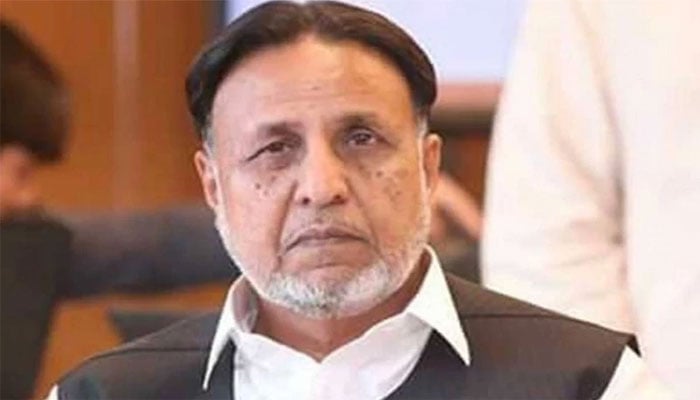
      LAHORE:Former Punjab minister and Pakistan Tehreek-e-Insaf (PTI) leader Mian Mahmoodur Rashid has reportedly developed health complications and was shifted from prison to Services Hospital in Lahore for medical treatment. According to party sources in Lahore, Mahmoodur Rashid was transferred to the hospital after his health condition deteriorated. The move was made to provide him with specialised medical care and allow doctors to carry out the necessary treatment. Party sources said that the PTI leader underwent surgery for a tumour located in his abdomen. The operation was performed at Services Hospital, where doctors treated the medical condition that had been causing him health concerns. Following the surgery, Mahmoodur Rashid was reportedly transferred back to the prison hospital for post-operative care and monitoring. His condition is being observed by medical staff as he recovers from the procedure. The development has attracted attention because Mahmoodur Rashid is a senior PTI figure and a former member of the Punjab provincial government. His health has previously been a matter of concern for his party, particularly while he has remained in custody. The party sources did not provide extensive details about the nature of the tumour, its size or whether it was benign or malignant. They also did not disclose further information regarding the exact duration of his hospital stay or the expected recovery period. Medical procedures involving abdominal tumours can require careful post-operative observation, particularly during the initial recovery period. The decision to keep the PTI leader under medical supervision after the operation indicates that doctors are continuing to monitor his condition. Mahmoodur Rashid has remained a prominent figure within PTI and has held important political responsibilities in Punjab. As a former provincial minister, he has been associated with the party’s political activities for several years. His transfer from prison to a major public-sector hospital highlights the medical arrangements made for prisoners who require treatment beyond the facilities available inside a jail. Prison authorities generally rely on external hospitals when inmates require specialised diagnostic procedures, surgery or other forms of treatment that cannot be adequately provided by a prison medical unit. According to the available information, the sequence of events involved his transfer from prison to Services Hospital, the surgical treatment of the abdominal tumour and his subsequent return to the prison hospital for continued care. The party sources did not indicate any immediate complications resulting from the surgery. Further information about his health is expected to depend on the medical assessment carried out by doctors during his recovery. PTI supporters and party members have expressed concern over the health of the former Punjab minister, particularly because he is currently in custody and requires ongoing medical attention. The development comes as several PTI leaders and workers remain involved in legal and political proceedings following the party’s prolonged confrontation with the government and state institutions. Mahmoodur Rashid has remained among the senior party figures facing legal proceedings. For now, his recovery and medical condition are being monitored by healthcare professionals. The latest reports indicate that after undergoing surgery for the abdominal tumour at Services Hospital, he has been moved to the prison hospital, where he will continue to receive medical care. Further details about his condition, the outcome of the surgery and his recovery timeline are expected to emerge as doctors continue their assessment.

  • | |

    Noreen Niazi meets Imran Khan in Adiala jail, Alee…

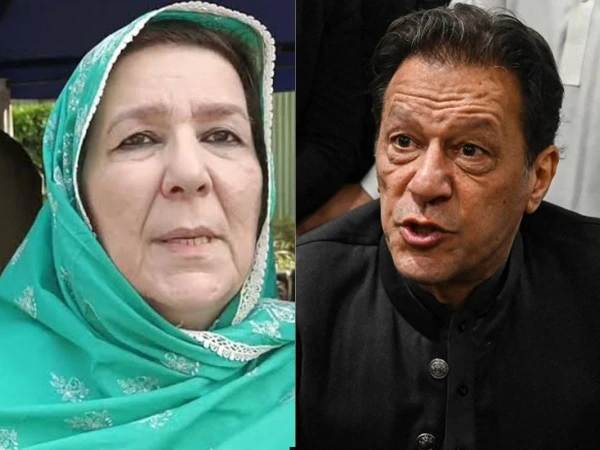
    Pakistan Tehreek-e-Insaf (PTI) founder and former chairman Imran Khan was visited by his sister Noreen Niazi at Adiala Jail, while another of his sisters, Aleema Khan, said that relief for the former prime minister could only come through the courts. According to reports, Noreen Niazi met Imran Khan at Adiala Jail and later returned to the Factory Check Post. Media representatives and PTI workers attempted to ask her questions but she did not speak to the media and left without commenting. Speaking to the media outside Adiala Jail, Aleema Khan raised concerns about restrictions on meetings and communication with Imran Khan. She said that Imran Khan had still not been allowed to speak with his children, describing the situation as contempt of court. She also said that she and Dr. Uzma Khan had not been allowed to meet him. Aleema Khan maintained that the family was following court orders and questioned why the government was allegedly reluctant to implement them. She said that Dr. Uzma and Dr. Faisal had spoken about their experiences and that the family would present its concerns before the court. She further said that people were expressing relief because the courts appeared to be making efforts to ensure justice. According to Aleema Khan, public confidence in the judiciary could decline if people did not receive justice. “Courts themselves have to provide relief to the PTI founder,” Aleema Khan said emphasizing that the family’s hopes remained attached to the judiciary. She also criticized what she described as the government’s failure to follow court orders, saying that refusing to implement judicial decisions could create the impression that the authorities did not recognize the courts. Aleema Khan said she stood with judges who were working according to the law and urged Pakistanis to stand with their courts as well. The meeting between Noreen Niazi and Imran Khan comes amid continuing legal and political tensions surrounding the PTI founder. Aleema Khan’s remarks have once again highlighted the importance of judicial decisions and their implementation in matters concerning Imran Khan.

  • | |

    Islamabad call center raided in cybercrime investi…

    ISLAMABAD: The National Cyber Crime Investigation Agency (NCCIA) conducted a targeted raid on an online call center in Islamabad’s G-6 sector and seized digital devices and other material allegedly linked to cybercrime activities. According to a statement issued by the NCCIA, the operation was carried out on the basis of intelligence information and with a search warrant. During the raid officials seized digital devices and other materials that were allegedly being used for cybercrime-related activities. The agency said that no arrests were made during the operation because the foreign and local suspects allegedly involved in the activities were not present at the call center when the raid was conducted. The seized digital equipment has been sent to a forensic laboratory for detailed examination. Investigators are expected to analyze the devices and other material to determine their connection with the suspected cybercrime activities. The NCCIA said that further details would be shared once the forensic examination and investigation are completed. The agency did not disclose the identities of the individuals allegedly associated with the call center. Authorities have increasingly focused on online fraud, fake call centers and digital networks allegedly involved in financial and cyber-related crimes. The NCCIA stated that action against fraudulent operations, fake call centers and online fraud networks would continue without discrimination. The Islamabad call center raid is part of the agency’s ongoing efforts to identify and investigate networks suspected of using digital platforms for illegal activities. The forensic analysis of the seized devices is expected to provide investigators with additional information about the operation and the individuals potentially connected to it. The agency’s investigation will determine whether the seized equipment was used for cybercrime and what further legal action may be taken against those involved. For now, no arrests have been reported while the investigation and forensic examination of the seized digital material remain underway.

  • | |

    Pakistan, US discuss bilateral cooperation and reg…

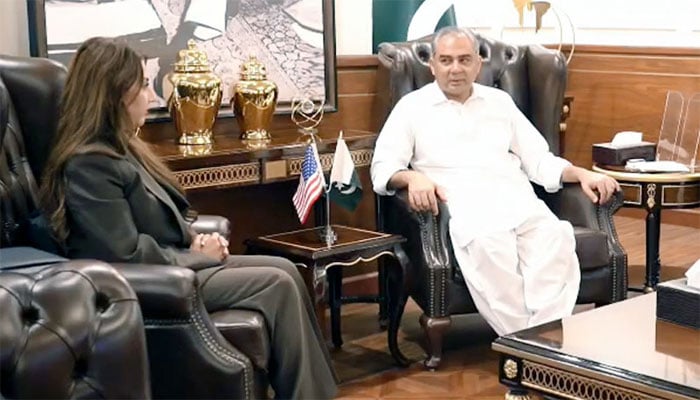
      Federal Interior Minister Syed Mohsin Naqvi held a meeting with US Chargé d’Affaires to Pakistan Natalie Baker in Islamabad, where the two sides discussed regional developments, security matters and ways to strengthen cooperation between Pakistan and the United States. The meeting focused on the overall situation in the region, with particular attention given to peace and stability. Both sides exchanged views on ongoing regional developments and discussed the importance of maintaining cooperation to address emerging security challenges. According to the details of the meeting, Pakistan and the United States also discussed their bilateral relationship and explored opportunities to expand cooperation across different areas. The two sides expressed interest in strengthening existing mechanisms of collaboration and developing further partnerships in areas of mutual interest. Law-enforcement cooperation was also an important part of the discussion. Naqvi and Baker exchanged views on joint programmes and training opportunities involving police officers from both countries. Such initiatives were discussed as a means of improving professional capabilities, sharing expertise and strengthening coordination between law-enforcement institutions. The officials also discussed the need for greater cooperation against organised crime, drug trafficking and human smuggling. Both sides agreed to enhance collaboration in these areas, recognising that such crimes often operate across national borders and require coordinated efforts between countries. The discussion highlighted the importance of information sharing, professional training and institutional cooperation in tackling transnational criminal networks. Strengthening law-enforcement coordination could help both countries improve their ability to respond to security threats and combat criminal activities that affect communities in Pakistan and beyond. During the meeting, US Chargé d’Affaires Natalie Baker also praised Field Marshal Syed Asim Munir for what she described as his positive diplomatic role in promoting peace and stability in the region. Her remarks came amid broader discussions on regional security and the importance of diplomatic engagement in addressing tensions and maintaining stability. The appreciation reflected the US side’s recognition of Pakistan’s role in contributing to regional peace efforts. The meeting between Naqvi and Baker comes as Pakistan and the United States continue to engage on a range of security and bilateral matters. Cooperation between the two countries has traditionally included areas such as counterterrorism, law enforcement, border security and efforts to combat transnational crime. The latest discussions indicate an effort to further strengthen practical cooperation, particularly in areas directly linked to public security and law enforcement. The proposed police training and exchange programmes could provide opportunities for officers from both countries to learn from each other’s experiences and improve their professional skills. Meanwhile, increased coordination against organised crime, drugs and human trafficking could contribute to more effective efforts against criminal networks. The meeting also underscored the broader importance of the Pakistan-US relationship at a time when regional developments continue to influence security and diplomatic priorities. Both countries have an interest in maintaining communication and cooperation on issues that affect regional peace and stability. Overall, the talks reflected a focus on strengthening bilateral ties through practical cooperation, particularly in law enforcement and security. The agreement to enhance joint efforts against organised crime, drug trafficking and human smuggling, along with discussions on police training programmes, demonstrates the two sides’ shared interest in addressing common challenges. The meeting also provided an opportunity for both officials to reaffirm the importance of continued engagement between Pakistan and the United States on regional peace, stability and security.

  • | |

    PTI Chairman says Imran Khan’s hospital transfer…

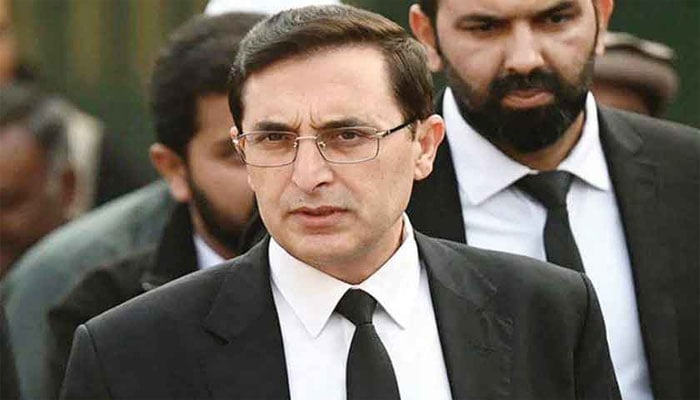
      Pakistan Tehreek-e-Insaf (PTI) Chairman Barrister Gohar Ali Khan has said that the plan to transfer the party’s founder, Imran Khan, to a hospital was changed at the last moment, claiming that significant progress had already been made towards arranging the transfer. Speaking to the media at Dahagal Naka on Adiala Road in Rawalpindi, Gohar said the party’s efforts had been disrupted at the final stage. He expressed regret that Imran Khan could not receive treatment at Shifa International Hospital, saying it would have been a positive development if the former prime minister had been treated there. However, Gohar said he was not disappointed and would make another attempt to ensure that the party founder received appropriate medical treatment. He stressed that political dialogue and communication should not be abandoned, saying that efforts to maintain contact must continue. The PTI chairman clarified that all discussions held so far had focused solely on Imran Khan’s health. He also rejected a video circulating on social media that purportedly showed a meeting between him and Imran Khan, describing the footage as fake. Gohar urged political leaders and other stakeholders not to politicise Imran Khan’s health or turn the issue into a matter of political rhetoric. He maintained that the Supreme Court’s orders regarding the PTI founder’s treatment should have been implemented. According to Gohar, Imran Khan’s medical treatment was a straightforward matter and there was no justification for preventing his transfer. He said whoever stopped the transfer or changed the plan at the last moment had made the wrong decision. He acknowledged that the PTI also had concerns about Imran Khan’s security but said the government had never informed the party that security concerns were preventing his transfer to Shifa International Hospital. Gohar further said the party’s core and political committees had already made their position clear through official statements, asking supporters and party workers not to go to Shifa Hospital. Instead, Imran Khan was transferred to the Pakistan Institute of Medical Sciences (PIMS). However, Gohar claimed that the required treatment was not provided there either. He maintained that the Supreme Court’s directions could still be implemented if the relevant authorities were willing to act on them. The PTI chairman also revealed that the party’s petition had been assigned a case number in the Supreme Court and that a request had been submitted for an early hearing. He said the united opposition would now adopt a joint strategy in both the National Assembly and the Senate. Addressing allegations that the PTI had violated court orders, Gohar rejected the claim, saying the party had not disobeyed any Supreme Court directive. He clarified that Imran Khan’s sister had spoken publicly and confirmed that he had been taken to PIMS. Gohar said the PTI’s contempt petition was intended to seek implementation of the Supreme Court’s orders. He described it as a civil contempt matter rather than an attempt to challenge the court. He also mentioned that Noorain Niazi had been pleased after meeting Imran Khan the previous Tuesday. Gohar concluded by saying that Imran Khan’s health and security remained the party’s primary concerns. He also stressed the importance of opposition parties remaining united, arguing that reforms were urgently needed in the judiciary, Election Commission and provincial affairs.

  • | |

    Punjab bans 8 stage actresses for one month over i…

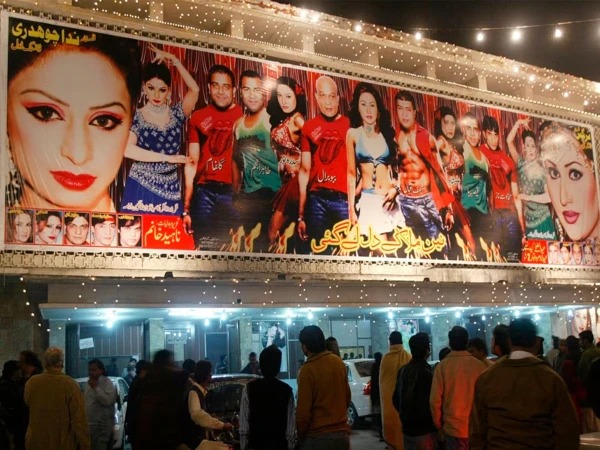
    The Punjab government has imposed a one-month ban on eight stage actresses following complaints and monitoring reports concerning inappropriate performances and gestures during theatre shows. According to a notification issued by the Punjab Information and Culture Department the action was taken on the basis of monitoring reports prepared by the Punjab Council of the Arts (PUCAR). The actresses affected by the ban are Mahi Rajput, Hina Sheikh, Malaika Shehzadi, Madiha Khan, Mehak Noor, Mano Multani, Raima Mehr and Hasna Jutt. They will not be permitted to perform in theatres during the one-month suspension period. PUCAR Director Mughis Bin Aziz said that monitoring of stage dramas was continuing across Punjab. He added that action was being taken against performers and productions found violating the applicable rules and regulations. According to the government notification, complaints regarding inappropriate acts and gestures during stage performances were investigated and found to be valid. The authorities subsequently decided to impose temporary performance restrictions on the eight actresses. The action comes amid increased government monitoring of stage dramas in Punjab. Authorities have been focusing on the quality of theatre productions, compliance with performance regulations and the prevention of content considered inappropriate under existing rules. A Punjab government spokesperson said that the measures were aimed at preventing dances gestures and other performances that violate established regulations or ethical standards. The Punjab bans 8 stage actresses decision highlights the government’s continued efforts to regulate theatre performances across the province. Officials have indicated that monitoring will continue and that further action may be taken if similar violations are identified. The one-month restriction applies specifically to theatre performances according to the notification. The latest action is expected to keep the debate over artistic expression, theatre regulation and government oversight of stage dramas in Punjab in the spotlight.

  • | |

    Court grants interim bail to business partner’s …

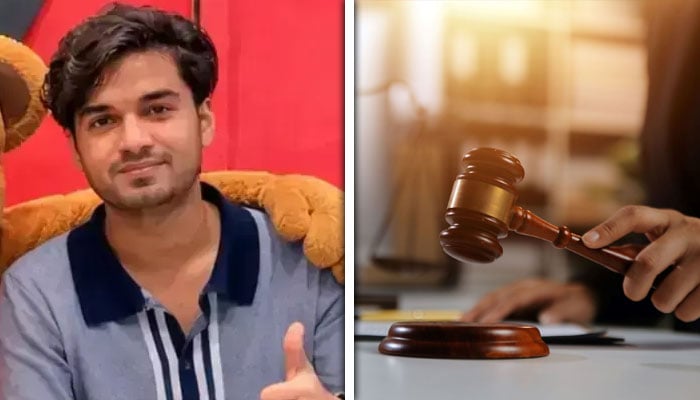
      A Karachi Additional District and Sessions Court has granted interim bail to Abdullah, the brother of the business partner of young trader Mir Raza Ali, in connection with the businessman’s murder case. The court approved Abdullah’s interim pre-arrest bail until September 1, providing him temporary protection from arrest while the investigation into the case continues. Abdullah had approached the court seeking bail before arrest after being allegedly linked to the investigation surrounding Mir Raza Ali’s death. During the hearing, the court also issued notices to the investigating officer and the complainant in the case. The judge directed the applicant to submit surety bonds worth Rs100,000 as part of the conditions attached to the interim bail. According to Abdullah’s lawyer, there was no basis for treating his client as a suspect in the murder. The lawyer informed the court that Abdullah had a business-related connection with Mir Raza and used to supply chocolates to him. The defence further explained that Abdullah had spoken to Mir Raza by telephone on the night when the young trader left his home. According to the lawyer, the phone conversation took place at around 3:30am. The lawyer argued that the late-night phone call should be viewed in the context of their regular business dealings rather than being treated as evidence of involvement in the alleged crime. The defence also accused the police of harassing Abdullah during the investigation. His lawyer told the court that law-enforcement officials were repeatedly troubling the applicant despite the absence of any established evidence connecting him directly to the murder. The lawyer maintained that communication between Abdullah and Mir Raza at around the same time was not unusual. He explained that after completing his work, Mir Raza would generally speak with the applicant around that time. The defence therefore requested the court to provide Abdullah with protection from arrest while the authorities continued investigating the circumstances surrounding Mir Raza Ali’s death. After hearing the arguments, the court granted interim bail until September 1 and directed the relevant parties, including the investigating officer and complainant, to respond to the bail application. The applicant was also ordered to submit the required surety bonds. The court’s decision does not amount to a final determination regarding Abdullah’s involvement in the case. The interim bail merely prevents his immediate arrest while the matter is considered further by the court. The murder investigation remains ongoing, and the police are expected to examine the circumstances surrounding Mir Raza’s death, including his final movements, communications and interactions with people connected to him. The late-night telephone conversation between Mir Raza and Abdullah is among the details that investigators may consider while establishing a timeline of events. However, the defence has maintained that the conversation was consistent with their normal business-related communication. The case has attracted attention because of the young trader’s death and the subsequent investigation into people associated with him. Abdullah’s decision to seek pre-arrest bail indicates that he feared possible arrest during the investigation. The court’s issuance of notices to the investigating officer and complainant means that the prosecution and police will have an opportunity to present their position regarding the allegations and the bail request. For now, Abdullah remains protected by the interim bail order until September 1, subject to the conditions imposed by the court. Further proceedings are expected to determine the next legal steps in the case and whether the investigating authorities have sufficient evidence to proceed against him.