تازہ ترین

  • | |

    China’s burger boom draws coffee chains and …

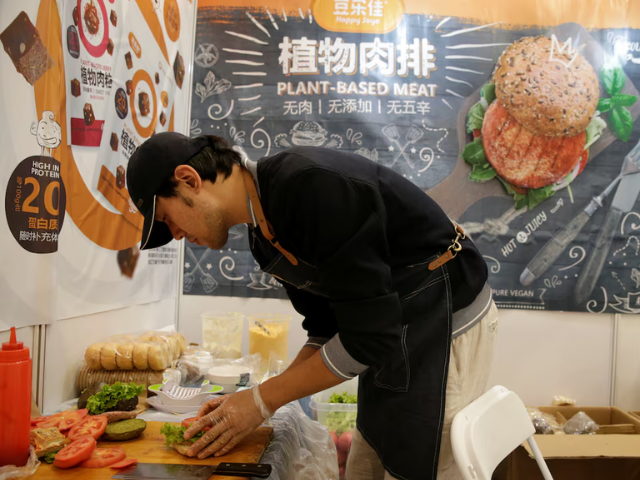
    Burgers have become one of China’s most contested fast food categories, with budget minded diners and shrinking household sizes fueling a rush that now includes hotpot operators and coffee brands alongside established global chains. Yum China’s Pizza Hut Burger Bar concept, which places a dedicated burger counter inside existing Pizza Hut locations, expanded to more than 200 outlets within six months, the company said in July. Yum China plans to grow the format to between 500 and 600 outlets by the end of 2026, representing roughly 10 percent of its total Pizza Hut store network in China. The surge into burgers reflects broader changes in Chinese consumer habits. As households shrink and economic uncertainty keeps spending cautious, diners increasingly favor lower cost, portable meals that deliver convenience without sacrificing value. That shift has transformed burgers from a niche Western import long dominated by McDonald’s, KFC and Burger King into one of the most fiercely contested segments of China’s restaurant industry, drawing a wave of new entrants eager to capture market share. Last month, hotpot chain Haidilao entered the space with a new concept called Huanxianbao, or Fresh Burger, which sells burgers alongside pizza, pasta and fried chicken. Coffee chain M Stand has also opened burger focused locations in several cities. China’s Western style fast food market was valued at 499.65 billion yuan, or about $74.1 billion, in 2025 and is projected to reach 587.09 billion yuan by 2027, according to data provider iiMedia Research, even as several global brands face broader challenges in the market. Burgers ranked as the top preference among consumers surveyed, with 55 percent selecting the category. While still a relatively small slice of China’s overall fast food industry, the burger segment alone was worth $18.4 billion in 2025 and is expected to grow 8.7 percent annually through 2035, according to Emergen Research. Part of the category’s appeal lies in simple economics. Food industry analyst Zhu Danpeng said burgers offer a lower cost alternative to full service restaurant meals while still functioning as a substantial meal, calling them a strong value for money option amid cautious consumer spending. Wang Fang, a university student in Beijing, said burgers have become a default lunch choice for her and her classmates because they cost less than ordering several dishes at a sit down restaurant. She said a burger loaded with meat, vegetables and butter makes for an affordable, balanced meal. The category’s rise also tracks with shifting demographics. Growing numbers of single person households, smaller families and young urban professionals have driven demand for convenient meals sized for one, a trend Yum China says is opening opportunities across its brand portfolio. Pizza Hut added burgers to its menu in 2024, and by 2025 the category accounted for a mid single digit percentage of Pizza Hut’s total sales in China, the company said. Yum China expects burgers to generate more than 1 billion yuan in sales this year, representing 5 to 6 percent of the brand’s revenue. The company said burgers resonate strongly with takeaway and delivery customers in China, where 43 percent of consumers order delivery at least once a week, compared with a global average of 23 percent, according to Euromonitor. The growing appetite for burgers has drawn competitors from across the industry. Domestic chains such as Tasiting now compete directly with McDonald’s, Yum China’s KFC and Shake Shack for market share. International brands are eager to join the competition as well. When US chain Five Guys opened its first stores in Beijing this month, customers waited more than two hours to be served. Wendy’s said in May that it plans to enter the Chinese market and open as many as 1,000 franchised restaurants over the next decade. Liu Tao, a 48 year old musician in Beijing, regularly takes his 11 year old son to McDonald’s on Sundays, fitting the meal into a tight schedule between the boy’s math and English classes. He said burgers work well when time is short and he needs food that feels clean, quick and won’t bore his son, noting that his son often eats in the car on the way to his next class.

  • | |

    Wet spring fuels costly disease battle for Canadia…

    Canadian farmers growing durum, spring wheat, canola and pulse crops have spent the growing season battling an unusually aggressive wave of crop diseases triggered by the wettest year the country has seen this decade. Jake Leguee, who farms roughly 19,000 acres, or about 7,689 hectares, of durum, wheat, lentils, flax and spring wheat in southeastern Saskatchewan, said he sprayed his entire operation with fungicide this year to keep disease pressure under control. He said the costs associated with that level of treatment add up quickly. The sudden surge in crop disease during early summer poses a serious threat to both the quantity and quality of Canada’s harvest this year. Canada ranks as the world’s top exporter of canola, durum wheat, dry peas and oats, and stands among the leading global suppliers of high protein spring wheat, making the outcome of this year’s harvest significant well beyond its own borders. The disease outbreak traces back to an extremely wet spring and early summer that left soils saturated with moisture, creating ideal conditions for fungal disease once temperatures turned hot and humid. That combination has forced many farmers into a difficult decision this season, choosing between spending additional money on crops that may not turn a profit given elevated fertilizer and input costs, or investing further to protect whatever yield remains in the field. For farmers like Sabourin, the level of moisture and frequency of rain throughout the season left little room for debate about whether to apply fungicide. Leguee said it will take several more weeks before he knows whether he applied the right fungicides in the right locations at the right time. He said his crops look healthy so far, with the exception of his lentils, though he cautioned that disease damage can sometimes hide inside kernels and pods that appear fine from the outside. That uncertainty means the ultimate quantity and quality of Canada’s export crops remain unresolved just as full scale harvesting gets underway across the prairies. Leguee said farmers will not have a clear picture of how the season played out until combines actually move through the fields, adding that fungicide treatment does not always deliver the results growers hope for.

  • | |

    Nestle turns to AI to build products for weight lo…

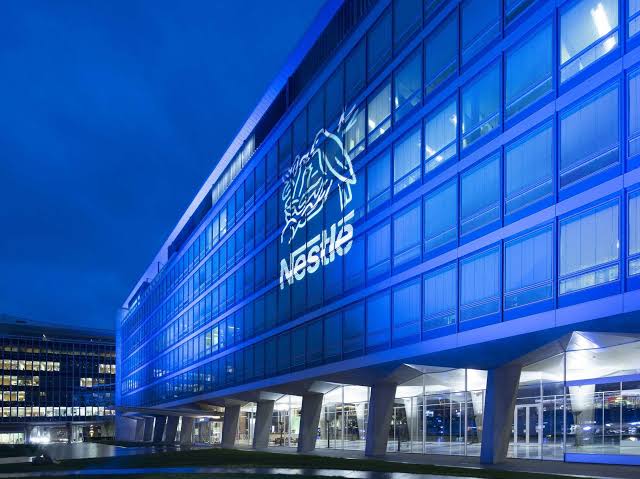
    Nestle is working to convert the rapid rise of GLP-1 weight loss drugs from a business threat into an opportunity, deploying artificial intelligence and nutritional research to develop products aimed at the millions of consumers now taking medications like Ozempic and Wegovy. The fast growing adoption of drugs made by Novo Nordisk and Eli Lilly has raised concerns among investors that appetite suppressing medications could permanently dent demand for packaged foods, snacks and beverages. Nestle sees the same trend differently, believing the drugs are creating a new market for products that address the side effects associated with rapid weight loss. Chief Technology Officer Stefan Palzer told a foreign news agency that Nestle is using artificial intelligence and other technology to analyze clinical research, identify effective nutrient combinations and build products tailored specifically to GLP-1 users. He said the company believes its existing product portfolio positions it well to capture what he described as a major opportunity. Materials shown to reporters outlined side effects tied to rapid weight loss, including muscle loss and the loss of facial volume sometimes referred to informally as Ozempic face, along with areas where Nestle believes its products could help address those issues. The GLP-1 drug market remains dominated by Eli Lilly’s Mounjaro and Zepbound alongside Novo Nordisk’s Wegovy and Ozempic. Roughly 16 million Americans currently take GLP-1 medications, according to Boston Consulting Group, a number expected to grow significantly by the end of the decade. Nestle’s strategy centers on developing products suited to the needs of weight loss drug users while relying on AI to speed up research, product development and consumer analysis. Addressing side effects directly Palzer said Nestle scientists have spent time studying the downstream effects of rapid weight loss and building products intended to help consumers manage them. The company uses AI tools to process large volumes of clinical research and identify nutrient combinations that may support muscle health, hydration and overall nutritional intake. Nestle has already begun adding collagen protein to products under its Vital Proteins brand to address concerns about skin, hair and nail health linked to rapid weight loss. In the United States, Nestle’s business created the Boost Advanced Nutrition Shake, marketed as containing 35 grams of protein to support muscle health during weight loss. In Asia and Australia, the company introduced a higher protein version of its Milo malt drink called Milo PRO High Protein. Rival ice cream makers are grappling with similar pressures, shifting toward higher protein products, smaller portions and simpler ingredient lists. An AI powered recipe database Artificial intelligence plays an increasingly central role throughout Nestle’s product development process. The company has built internal systems to analyze scientific literature, simulate consumer behavior, spot emerging trends and help product developers navigate a database containing roughly 120,000 recipes. One such tool, an internal platform called Food Genie, helps scientists and developers predict how recipes might perform and identify opportunities for reformulation, according to Palzer. He said the scale of Nestle’s recipe database gives the company an advantage, noting that a smaller company with only a thousand recipes would struggle to model and predict outcomes using AI, since the technology depends heavily on large volumes of data. Nestle is also testing AI driven consumer simulations designed to predict how shoppers will respond to new products and health claims before they reach store shelves, and the company uses AI to monitor social media activity and identify emerging consumer trends. Palzer said the technology helps distinguish genuine, lasting trends from short term noise around particular topics, and said he expects AI to play a growing role in that kind of trend analysis going forward. Skepticism remains among some experts Not everyone is convinced specialized products offer meaningful advantages over conventional food. Amanda Avery, an associate professor of nutrition and dietetics at the University of Nottingham in central England, said it is unfortunate that consumers keep turning to new, more expensive products that often contain the same protein and nutrients found in whole, fresh foods. She noted that meat, fish, eggs, dairy, beans, nuts and pulses remain relatively affordable sources of protein and other nutrients. Even so, Avery said she expects products marketed specifically to GLP-1 users to find a ready customer base, acknowledging that marketing exerts significant influence over consumer choices and suggesting Nestle has likely done its homework before entering the space.

  • | |

    Sindh government spokesperson accuses Hafiz Naeem …

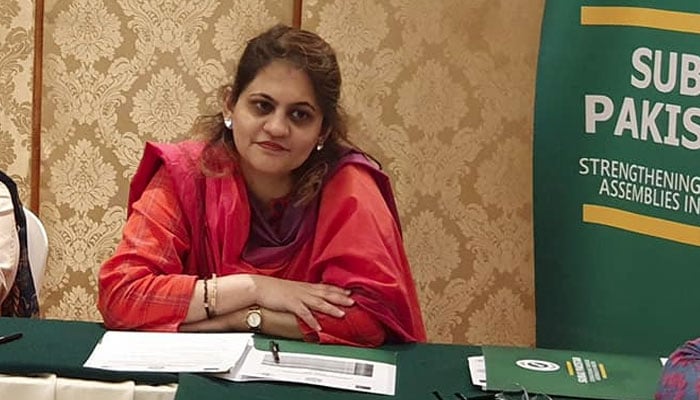
      Sindh government spokesperson Sadia Javed has accused Jamaat-e-Islami Pakistan Emir Hafiz Naeem ur Rehman of distorting the context of what she described as sincere national agreements reached in the past. In a statement issued from Karachi, Sadia Javed said that Hafiz Naeem was presenting previous national agreements in a misleading manner. She criticised the Jamaat-e-Islami leader for allegedly attempting to portray past understandings between political stakeholders in a way that did not reflect their original spirit or context. She questioned Hafiz Naeem’s position on electricity generated from Thar coal, asking why he remained silent about what she described as some of the cheapest electricity being produced through the country’s indigenous coal resources. “Why is Hafiz Naeem silent on the inexpensive electricity generated from Thar coal?” she questioned, while responding to his criticism of the Sindh government and the Pakistan Peoples Party (PPP). Sadia Javed also strongly rejected what she described as allegations against the Sindh government, saying that Hafiz Naeem had no justification for issuing what she termed “mafia certificates” to others. She challenged the Jamaat-e-Islami leader to examine his own political record before making accusations against others. According to her, political leaders should first reflect on their own actions and positions before questioning the credibility or performance of others. The Sindh government spokesperson further defended the provincial government’s policies and highlighted the importance of Thar coal in meeting Pakistan’s energy requirements. She suggested that criticism of the provincial government should be based on facts and a complete understanding of the agreements and projects under discussion. Another Sindh government spokesperson, Ghanhor Khan, also criticised Jamaat-e-Islami and Hafiz Naeem, accusing them of making allegations based on what he described as political hypocrisy. Ghanhor Khan said that making accusations against the PPP over the issue of Independent Power Producers (IPPs) was part of what he called Jamaat-e-Islami’s unsuccessful political strategy. He argued that the party was attempting to use the controversial issue of IPPs to create political pressure against the PPP and the Sindh government. The dispute comes amid renewed political debate over Pakistan’s electricity sector, particularly the cost of power generation, agreements with IPPs and the role of domestic energy resources. Political parties have frequently criticised successive governments over electricity prices, power-sector contracts and energy policies. The Sindh government has continued to highlight Thar coal as an important component of its energy strategy, while its political opponents have raised questions about governance, transparency and the broader impact of energy-sector agreements. The exchange between the Sindh government and Jamaat-e-Islami reflects growing political tensions over energy policy and the interpretation of past agreements. While Hafiz Naeem has criticised the government’s handling of the power sector, Sindh government representatives have rejected his allegations and questioned the consistency of his political position. Both sides have continued to defend their respective positions, with the Sindh government emphasising its energy initiatives and Jamaat-e-Islami maintaining its criticism of the power-sector policies.

  • | |

    Former Pakistan test cricketer Basit Ali hospitali…

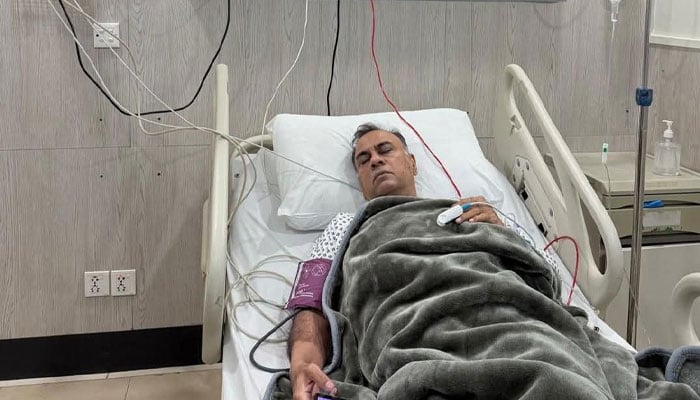
      Former Pakistan Test cricketer Basit Ali has been hospitalized after experiencing a heart-related health issue. The 55-year-old former international cricketer was taken to a private hospital, where doctors are currently treating him. According to Basit Ali’s wife, the former cricketer was brought to the hospital for an angioplasty procedure. She said that Basit Ali is currently under medical care and that doctors are monitoring his condition. Further details about his health are expected to emerge following the treatment. Basit Ali is a well-known former Pakistani cricketer who represented the national team during the 1990s. He was regarded as a talented middle-order batsman and became known for his aggressive approach at the crease. During his international career, he represented Pakistan in both Test and One Day International cricket. Basit Ali played 19 Test matches for Pakistan, scoring 858 runs. In the longer format, he was part of the national side during a period when Pakistan had a highly competitive cricket team and several established international batsmen. In One Day International cricket, Basit Ali represented Pakistan in 50 matches and scored 1,265 runs. His ability to score quickly and play attacking strokes made him a notable member of Pakistan’s limited-overs squad. The former cricketer’s hospitalization has drawn attention from the Pakistani cricket community, with fans and former players expressing concern over his health. His family has confirmed that he is receiving treatment at the private hospital. Angioplasty is a medical procedure commonly used to restore blood flow through narrowed or blocked arteries. During the procedure, doctors generally open the affected blood vessel to improve circulation. The decision to perform angioplasty depends on the patient’s medical condition and the assessment of the treating doctors. Basit Ali’s illness comes as a reminder of the importance of timely medical attention when symptoms related to the heart occur. His family brought him to the hospital for treatment, where specialists are currently attending to him. Born in Karachi, Basit Ali made his international debut for Pakistan in the early 1990s. Although his international career was relatively short, he remained a familiar figure in Pakistani cricket. Following his playing career, he continued to remain associated with the sport through cricket-related activities and analysis. His experience as a former international player has also allowed him to remain connected with Pakistan’s cricketing circles. Over the years, he has regularly shared his views on Pakistan cricket and the performances of national players. The cricket fraternity is now awaiting further updates regarding his condition. His family has requested prayers and good wishes as he undergoes treatment. At present, Basit Ali remains under medical supervision at the private hospital. His wife has confirmed that he was admitted for angioplasty and that treatment is underway. Fans and cricket supporters across Pakistan are hoping for his speedy recovery and a return to good health.

  • | |

    Overseas Pakistanis welcome proposal for creation …

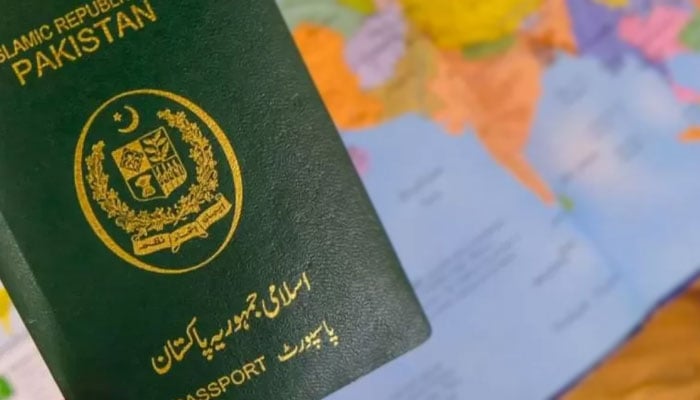
      Overseas Pakistanis have welcomed the proposal to create new provinces in the country, describing it as a positive step toward improving administrative efficiency, strengthening governance and bringing public institutions closer to citizens. Rajah Nasir Hussain, a representative of overseas Pakistanis and a prominent businessman from Gujar Khan, expressed his support for the proposal . He said the idea of creating seven provinces should be considered alongside the establishment of an eighth province comprising Islamabad and the Potohar region. According to Hussain, the creation of new provinces could help address administrative challenges and improve the delivery of public services. He stressed, however, that any decision regarding the creation of new provinces should be made through constitutional amendments and broad political consensus. He said the issue should not be treated as a matter of political rivalry or regional competition. Instead, it should be viewed as an administrative reform aimed at improving governance and ensuring that citizens in different parts of the country receive better access to state institutions and public services. Hussain also highlighted the important role played by overseas Pakistanis in the national economy. He said millions of Pakistanis living and working abroad contribute significantly to the country through remittances. The funds sent by overseas Pakistanis provide vital support to Pakistan’s economy and help strengthen the country’s financial system. He noted that overseas Pakistanis continue to make economic contributions despite living outside the country. Their remittances support families, increase foreign exchange inflows and contribute to economic stability. In his view, their role should therefore be recognised not only in economic terms but also through greater representation in the country’s administrative and political framework. Hussain argued that the government and political leadership should explore new mechanisms through which overseas Pakistanis can participate more effectively in national affairs. He said their experience of living and working in different countries gives them exposure to modern administrative systems, business practices and governance models that could potentially benefit Pakistan. He further suggested that overseas Pakistanis should have greater opportunities to contribute to policy discussions concerning economic development, investment, governance and administrative reforms. Their participation, he said, could help policymakers understand international practices and identify approaches that may be adapted to Pakistan’s circumstances. Regarding the proposed new provinces, Hussain emphasised the importance of consultation among all stakeholders. He said political parties, provincial governments, civil society, constitutional experts and representatives of the affected regions should be involved in the discussion before any final decision is taken. He maintained that the creation of provinces should be based on administrative requirements, population, geographical considerations, economic viability and the interests of local communities rather than short-term political objectives. The proposal to consider Islamabad and Potohar as an eighth province, he said, should also be examined within this broader framework. Such a move, if supported by constitutional and political consensus, could potentially improve administrative management and representation in the region. Hussain reiterated that overseas Pakistanis support reforms aimed at strengthening the country’s administrative structure. He said the debate over new provinces provides an opportunity to consider broader governance reforms while ensuring constitutional procedures and national consensus. He concluded that overseas Pakistanis should be regarded as important stakeholders in Pakistan’s future. Given their economic contributions and national role, developing effective mechanisms for their political and administrative representation should be considered a priority alongside wider institutional reforms.

  • | | |

    ISPR calls India’s ‘Operation Sindoor&…

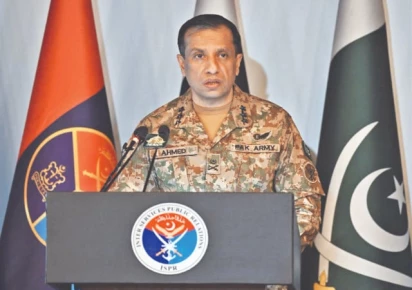
    Pakistan has strongly rejected what it described as India’s attempt to reshape the history of the 2025 military confrontation through a recently produced documentary on “Operation Sindoor,” calling the production a highly dramatized and factually distorted portrayal of events. In a statement, Pakistan said the documentary relied on selectively edited interviews, emotional narration and cinematic reconstructions to present a version of the conflict designed primarily for domestic political consumption. It argued that the production failed to provide an objective account of the military engagements and instead sought to portray a disputed outcome as an unequivocal Indian victory. Pakistan also questioned the documentary’s chronology surrounding the Pahalgam incident of April 22, 2025. It said India had subsequently claimed that the alleged perpetrators of the incident were identified and eliminated on July 28, nearly three months after Operation Sindoor. Islamabad argued that this timeline raised questions about India’s assertion that the May 7 operation was specifically intended to punish those responsible for the Pahalgam attack. The statement further rejected India’s claim of “100 percent mission success,” maintaining that Pakistani forces had effectively responded to the Indian offensive during what Pakistan refers to as Marka-e-Haq. Islamabad claimed that eight Indian military aircraft were shot down during the confrontation and said Pakistan later launched Operation Bunyanum Marsoos, targeting military installations with precision-guided rockets and missiles, precision air-launched munitions, loitering munitions and artillery. Pakistan said the documentary itself contained admissions that undermined its portrayal of decisive Indian dominance. According to Islamabad, references by Indian military officials to Pakistani missile and drone activity, prolonged engagements along the Line of Control and the activation of Indian air-defence systems demonstrated that the confrontation involved significant military exchanges on both sides. The Pakistani statement also challenged New Delhi’s account of how hostilities ended. It noted that the documentary acknowledged communication between the two countries’ Directors General of Military Operations and an agreed cessation of military activity. Islamabad said this account was inconsistent with portraying the conclusion of the conflict as an unconditional Indian military victory, particularly given the role of international diplomatic engagement in facilitating the ceasefire. Pakistan further accused the documentary of presenting contradictory explanations for India’s approach to escalation. While the production reportedly emphasised surprise attacks, precision strikes and escalation dominance, it simultaneously portrayed India as deliberately restricting the scope of the conflict and offering Pakistan an opportunity to withdraw. Islamabad described the documentary as an attempt to create a politically convenient narrative rather than an impartial military assessment. It maintained that cinematic reconstructions and official claims could not alter the chronology of events, the military engagements or the losses suffered during the confrontation. Pakistan said it had no need to construct an alternative narrative around Marka-e-Haq, arguing that battlefield developments, diplomatic interactions and subsequent statements by Indian officials provided sufficient material for assessing the conflict. Reaffirming its stated commitment to regional peace and stability, Pakistan said its armed forces remained prepared to protect the country’s sovereignty and territorial integrity. It warned that any future military escalation would receive a strong response, while asserting that no subsequent narrative or media production could change the actual course of events on the battlefield.

  • | |

    EU plans sweeping new sanctions on Russia

    The European Union is preparing its most extensive round of sanctions against Russia since the war in Ukraine began, with the proposed measures aimed primarily at Moscow’s military-industrial complex. EU foreign policy chief Kaja Kallas told German newspaper Die Welt that the new sanctions would significantly increase pressure on Russia and could raise the number of sanctioned Russian individuals and entities by about one-third. EU diplomatic sources said the European External Action Service is expected to propose sanctions against around 1,600 people and entities linked to Russia’s defence sector. The proposed measures would include asset freezes as well as travel and transaction restrictions. The EU has already sanctioned nearly 3,000 Russian individuals and companies. According to EU diplomatic sources, the new list could be presented to member states in early September, with formal adoption targeted for October. Unlike broader sanctions packages, the proposed designations are not expected to include new sector-wide restrictions, a move intended to speed up approval. Kallas said the EU would continue increasing economic pressure until Moscow ends its war in Ukraine. However, EU sanctions require unanimous approval from all member states, and previous measures have faced delays because of disagreements among countries. The latest move comes as the EU seeks to strengthen its pressure on Russia while avoiding the lengthy disputes that have complicated previous sanctions packages.

  • | |

    Torrential rain floods low-lying areas of twin cit…

    RAWALPINDI/ISLAMABAD: Torrential rainfall for the second consecutive day has inundated several low-lying areas of Rawalpindi and Islamabad, disrupting normal life and prompting authorities to step up emergency measures. According to the Managing Director of the Water and Sanitation Agency (WASA), Shamsabad received the highest rainfall, with 116 millimetres recorded in the area. WASA has declared a rain emergency and cancelled the leave of field staff to ensure an immediate response to any emergency. Heavy machinery has been positioned at vulnerable locations, including Liaquat Bagh, Committee Chowk Underpass, Murree Road, Dhok Khuba, Circular Road and Sadiqabad, to accelerate drainage operations. The agency said the water level in Nala Lai had reached 10.5 feet at Katarian and 8.5 feet at Gowalmandi. Authorities are closely monitoring the situation as further rainfall could increase the risk of urban flooding in vulnerable areas. Moreover, Lahore is experiencing hot and humid weather, with the current temperature recorded at 31°C and the maximum expected to reach 35°C. The minimum temperature is likely to remain at 28°C, while humidity stands at 75 percent and winds are blowing at 6 kilometres per hour. The Meteorological Department has forecast heavy rainfall in Lahore from August 17 to 20 as part of the sixth monsoon spell, with rain expected across Lahore and other districts of Punjab until August 21. Authorities have warned of possible water accumulation in low-lying areas and urban flooding. In view of the forecast, WASA Lahore has been placed on high alert on the special directives of Punjab Chief Minister Maryam Nawaz Sharif. WASA Vice Chairman Chaudhry Shahbaz Ahmed, DG WASA Punjab Tayyab Fareed, and MD WASA Lahore Ghufran Ahmed have directed officials to ensure that all major roads and underpasses remain clear and drainage operations continue without interruption. DG WASA Punjab directed all field teams to remain fully mobilised, while MD WASA Lahore instructed officials to operate disposal stations on generators in areas facing power outages to ensure uninterrupted drainage operations. The WASA Vice Chairman directed officials to keep pumps at all disposal stations operational and ensure that screens are regularly cleaned to prevent blockages. MD WASA Lahore also directed all Town Directors to closely monitor their respective areas and take immediate action wherever necessary. Meanwhile, WASA Lahore has released the latest rainfall record, with 21mm recorded at the Nishtar Town Director Office, 2.2mm in Kahna and 25.4mm at the Nishtar Town Disposal Station. The Nishtar Town Disposal Station recorded the highest rainfall among the reported locations. Under the directives of MD WASA Lahore Ghufran Ahmed, continuous monitoring of drainage operations is underway, with field officers and staff remaining fully mobilised to ensure the timely disposal of rainwater. The Meteorological Department has also advised citizens to take precautionary measures during rainfall and avoid unnecessary travel. Relevant authorities have been directed to remain alert and take all necessary measures to deal with any emergency situation.

  • | | |

    Kushner’s Gaza mission end in deadlock as Israel…

    JERUSALEM: US President Donald Trump’s envoy and son-in-law Jared Kushner has concluded two days of talks with Israeli and Hamas representatives without securing a clear breakthrough in efforts to revive Washington’s Gaza peace plan. Kushner met Israeli Prime Minister Benjamin Netanyahu on Monday, following discussions with Hamas political leader Khalil Al-Hayya in Egypt a day earlier. The meetings were aimed at overcoming the deadlock surrounding the US-backed plan as fighting and Israeli military operations continue in Gaza. An Israeli official said Netanyahu made clear that Israel would not withdraw from the positions outlined in the October ceasefire arrangement and would continue military operations in Gaza when deemed necessary. Israel has also maintained that reconstruction cannot begin until Hamas is fully disarmed. The meeting between Kushner and Netanyahu lasted several hours and was also attended by Nickolay Mladenov, the Trump administration’s Board of Peace envoy for Gaza. Israeli officials described the discussions as deep and constructive, while a Board of Peace official called them productive and said the sides had agreed on a possible way forward without providing further details. Netanyahu’s office said Israel and the Board of Peace agreed that Gaza’s disarmament and demilitarisation must be completed before major reconstruction begins. The two sides also agreed to form working groups focused on disarmament as well as sanitation, clean water and other public health needs in the territory. The talks come as Netanyahu faces a challenging election campaign ahead of the October 27 vote, making major concessions on Gaza politically difficult, according to diplomats. Kushner’s meeting with Hamas representatives in Egypt was his second known engagement with the group. He previously participated in talks with Hamas alongside US envoy Steve Witkoff in October 2025, negotiations that contributed to a ceasefire agreement and the release of hostages held by Hamas. Earlier, Jared Kushner met Israeli Prime Minister Benjamin Netanyahu in Jerusalem on Monday as Washington stepped up efforts to revive its stalled plan for ending the Gaza war. The meeting came a day after Kushner held talks in Cairo with Hamas representatives, including senior leader Khalil Al-Hayya, marking his second known direct engagement with the Palestinian group. Kushner was accompanied in Jerusalem by Trump’s Board of Peace envoy for Gaza, Nickolay Mladenov. The latest diplomatic push comes amid deep disagreements over the implementation of the US-backed Gaza plan. Under the proposal, Hamas and other armed groups would surrender their weapons while Israeli forces would gradually withdraw from Gaza. An international stabilisation force, alongside a new Palestinian police force, would then help maintain security in the territory. Netanyahu, however, has insisted that Israeli troops will not withdraw until Hamas and other armed groups are fully disarmed. Israel has also rejected a separate US-backed roadmap aimed at moving the broader peace plan forward. Diplomats say Israel is unlikely to make major concessions on Gaza ahead of the country’s October 27 election, adding another challenge to Washington’s efforts to break the deadlock. The talks have gained urgency as implementation of the ceasefire framework remains limited, with Israeli strikes continuing in Gaza despite commitments under the US plan. Hamas has said it accepts the proposed disarmament framework but argues that its implementation depends on Israel fulfilling its own obligations, including withdrawing forces and ending attacks. Kushner previously met Hamas officials alongside US envoy Steve Witkoff in October 2025. Those discussions helped produce an agreement that led to a Gaza ceasefire and the release of hostages captured during the October 7, 2023 attack. The latest meetings suggest Washington is seeking to reopen negotiations and bridge the widening gap between Israel and Hamas before the Gaza peace initiative loses further momentum.