Letters to the Editor

  • Shortage of water in dasht

    By Baloch Khan Through the columns of your respected newspaper, I would like to draw the attention of the concerned authorities to the serious shortage of water in Dasht. The people of our area are facing great difficulties because clean drinking water is not available. Women and children have to travel long distances to fetch water. Sometimes the available water is dirty and unsafe, which causes many diseases. Farmers are also suffering because there is not enough water for their crops and animals. I request the government and the concerned departments to solve this problem by repairing water supply systems, installing new water pipelines, and providing clean drinking water to the people of Dasht as soon as possible. I hope my letter will be published and the authorities will take immediate action.

  • Bridging the Education Gap

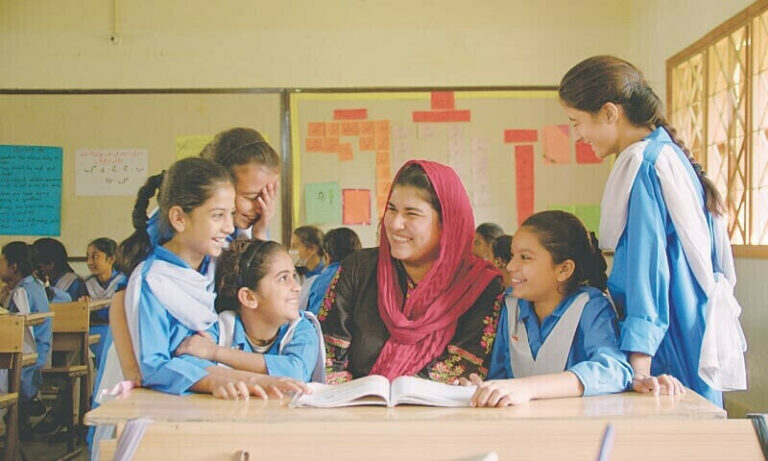
    By Baloch Khan The education gap is one of the biggest challenges facing Pakistan. Students in cities often have better schools, qualified teachers, and modern facilities, while many students in rural and remote areas study without basic classrooms, libraries, laboratories, or even enough teachers. This unequal system denies many children the opportunity to achieve their full potential. Every child deserves access to quality education regardless of where they live or how much their family earns. The government should improve public schools, appoint qualified teachers on merit, provide learning materials, and ensure equal educational opportunities for all students. Investing in education is investing in the country’s future. Unless this gap is reduced, social and economic inequality will continue to grow. It is time for the authorities to take practical steps to ensure that every child receives the education they deserve

  • Criminals on Pak Sar Zameen

    We call Pakistan Pak Sar Zameen, “the Land of the Pure.” But pure for whom? Tell me, honestly… pure for whom? For the criminals? For the rapists? For the child abusers? For the killers who walk our streets untouched by iron shackles or jail cells? Because it certainly does not feel pure for our children. The entire country is busy discussing India’s Jantar Mantar, an issue that we have no business obsessing over. Everyone knows what India should do, but everyone forgets what Pakistan must do. On that very same day, while the nation was distracted by a controversy across the border, six-year-old Dua was murdered in Karachi. Where was the collective scream? Where was the demand for change? And where were the changemakers? We have time to argue about borders, about politics, about things that do not touch our homes. But when a child is murdered in our own city, we scroll past, we sigh, we say “Inna Lillahi wa inna ilayhi raji’un,” and we move on. We move on! And Dua is not alone. In 2026, it feels like every other day another child loses their life. Six-year-old Muhammad Wali from Lea Market. Three-year-old Kulsoom from Quaidabad. Tomorrow, another child will be slaughtered. Another name will join the cemetery’s roll call. How many more parents will decorate graves instead of hearing the pitter-patter of their tiny feet? This is the lullaby that replaces safety in our children’s souls. Our children fall into open manholes because nobody bothers to close them. They are thrown from rooftops. They are abused until they cry, raped until they are wounded, murdered until their funerals become routine. Yet we choke on the same bitter question. Why are the murderers not swinging from ropes? Why are the rapists not rotting in cells? Why are the abusers not dragged through the streets until they beg for death? A nation is not judged by how boldly it sings the national anthem. It is not judged by the scale of its army or the height of its flags. It is judged by the number of tiny coffins that leave its homes. So I ask again: if this is truly the Land of the Pure, why are the purest souls in this country the ones who cry alone, die alone, and are forgotten alone?

  • Mental Health Matters

    By Asma Qayyum Mental health is an essential part of a person’s overall well-being. It influences how we think, feel, make decisions, cope with stress, and interact with others. Despite its importance, many people still hesitate to discuss mental health because of fear, stigma, shame, or misunderstanding. Breaking this silence is the first step toward creating a society where everyone feels safe and encouraged to seek help. According to the World Health Organization (WHO), approximately 1 in every 8 people worldwide lives with a mental health condition. The WHO also reported that around 1.1 billion people were living with a mental disorder in 2021. Furthermore, depression affected approximately 280 million people globally in 2019, including 23 million children and adolescents. These figures highlight that mental health challenges are widespread and can affect anyone, regardless of age, gender, or social background. Among the most common mental health conditions are anxiety and depression, which affect hundreds of millions of people around the world. Several factors contribute to poor mental health, including academic pressure, financial difficulties, family conflicts, traumatic experiences, loneliness, bullying, and excessive use of social media. Young people are particularly vulnerable because they often experience significant emotional, academic, and social pressures during their formative years. Poor mental health can have serious consequences for both individuals and society. It may reduce concentration, lower academic and workplace performance, damage relationships, and increase the risk of physical health problems. If left untreated, mental health conditions can significantly reduce a person’s quality of life and overall well-being. The encouraging news is that most mental health conditions can be effectively treated and managed with timely support. Seeking help from mental health professionals, talking to trusted family members or friends, exercising regularly, getting enough sleep, eating a balanced diet, and practicing healthy stress-management techniques can greatly improve mental well-being. Schools, colleges, workplaces, and communities also play a vital role by promoting awareness, reducing stigma, and encouraging open conversations about mental health. In conclusion, mental health deserves the same attention and care as physical health. By encouraging open discussions, supporting those who are struggling, and increasing public awareness, we can break the silence surrounding mental health. Together, we can build a more compassionate, understanding, and healthier society where no one feels alone in facing mental health challenges.

  • Death Certificate

    By Waseem Hasil Every family eventually faces the quiet, overwhelming pain of losing someone they love. In those raw moments of grief, the last thing anyone should have to worry about is whether they can afford the paperwork required to officially honor their loss and settle their loved one’s affairs. I am writing to you today not just as a citizen raising a policy issue, but as someone deeply concerned about how our current administrative system treats grieving families during their most vulnerable hours. While government policies often announce free registration, the human reality at the ground level tells a very different story. Citizens arriving at local union council offices or municipal counters are frequently met with unexpected charges, costly attestation fees, and confusing legal hurdles. For a family that has just lost its primary earner, coming up with extra money for delayed registration fines, stamp papers, or succession documentation is an agonizing extra weight to carry. It feels deeply unfair that obtaining a basic legal paper, something essential for pension claims and family inheritance, becomes a financial negotiation. Official procedures should reflect compassion and empathy, serving as a support system rather than an added obstacle. When we allow indirect fees and procedural delays to mount, we make an already heartbreaking situation needlessly harder for ordinary people who are simply trying to do what is right. I sincerely appeal to your office to step into the shoes of those waiting at municipal desks across the country. Please establish strict oversight to clear away hidden fees, simplify the paperwork, and ensure that every family, regardless of their financial status, can obtain a death certificate with dignity and ease.

  • Losing Hope After Being Rejected

     By Granaz Assa Every student dreams of getting an opportunity to show their talent and prove their abilities. Schools and educational institutions regularly organize speech, debate, and other competitions to encourage students to discover their potential and build their confidence. These events are meant to inspire students and help them grow. However, there is an issue that is rarely discussed: the disappointment and loss of hope that many students experience after being rejected without being given a fair chance. Many students spend days or even weeks preparing for these competitions. They write and revise their speeches, practice repeatedly, and overcome their fear of speaking in front of an audience. They invest their time, energy, and emotions because they believe that their hard work will be recognized. Unfortunately, some students are rejected within just a few moments, sometimes before they even get the opportunity to present their speech. Such rejection can be deeply discouraging. While rejection is a natural part of life and no one can succeed every time, every student deserves a fair opportunity to demonstrate their abilities. If a student’s speech is weak, if their confidence is low, or if they need to improve their presentation skills, they should be informed of their mistakes with kindness and honesty. Constructive feedback helps students understand where they need improvement and motivates them to work harder. A student who knows their weaknesses can overcome them and return stronger in the future. On the other hand, rejecting students without any explanation or guidance only leaves them confused, disappointed, and hopeless. Instead of learning from the experience, they may begin to doubt their abilities. Such experiences can have a lasting impact on a student’s confidence. Many talented students stop participating in competitions because they fear facing rejection again. They begin to believe that their efforts have no value and that their voices do not matter. As a result, they lose the confidence to express themselves and miss opportunities to develop important communication and leadership skills. Educational institutions should remember that competitions are not only about selecting winners. They are also about encouraging learning, building confidence, recognizing potential, and helping every student grow, regardless of the final result. I have personally experienced this feeling. After being rejected without a chance to present my speech, I felt extremely hopeless and disappointed. I questioned whether all my hard work had been meaningless. However, I later realized that every student deserves encouragement, even if they are not selected. A few words of guidance and constructive feedback can restore confidence and inspire students to keep trying. By giving every participant a fair chance and treating them with respect, educational institutions can help students remain hopeful, determined, and ready to achieve greater success in the future.

  • The Addiction of Social Media

    By Saba Bakhtiyar I am writing this letter to share important information with you that today is the age of technology. Mobile phones and the internet have made our lives easier. But one big drawback of this technology is social media addiction. Facebook, WhatsApp, Instagram, TikTok, and YouTube have connected people together, and many people have become addicted to them. What is social media addiction? When someone spends too much time on social media and feels restless without it, that is called social media addiction. In this condition, people think that if they do not check their phones, they will be left behind by the world. People also use social media to overcome their loneliness. However, many people are unaware that this habit can turn out to be dangerous for them. It can affect mental health, cause depression, lead to a lack of sleep, create distance in families and relationships, and reduce students’ attention towards education, which is another big problem. Social media is a tool. If we use it wisely, it helps us. If we misuse it, it harms us. Seeing perfect lives online makes people feel insecure about their own lives, and it has also increased online harassment and hate comments. Moreover, notifications and reels distract people from their work and studies. They are so busy on social media that they are not interested in their personal work. Due to social media, it is affecting people a lot. People share too much personal information, which can be misused. As well as this, many people are addicted to checking their phones every few minutes. The most dangerous thing is that nowadays small children are using mobile phones, and it is affecting them a lot. Their eyes are affected due to excessive phone use. Children can also easily access inappropriate content online, and they spend less time playing outdoor games. Parents should set screen time limits for their children and give them outdoor games and books instead of mobile phones. A mobile phone is a tool, not a toy for small children. Parents must guide them. People should also stay away from their mobile phones as much as possible. It is a very huge problem for people. They should use mobile phones, but within limits. Set a daily time limit for social media use, and follow pages that teach you, not just entertain you. Do not use your mobile phone all the time because it is very harmful.

  • A Better Tomorrow Starts Today

    By Nazaink Majid Everyone dreams of a better future, but dreams only come true when we take action today. Every good choice we make, every lesson, and every small effort we put in helps build a brighter tomorrow. Instead of waiting for the perfect time we should start making positive changes today. “A Better Tomorrow Starts Today” reminds us that if we want to change our future, we must begin in the present. Every small step taken today brings us closer to the life we aspire to achieve. Every day presents us with countless choices. Some may seem small, such as waking up early, completing our work on time, reading a book, or helping someone in need. However, these small decisions gradually shape our character and determine our future. Success is not the result of one extraordinary action but of many ordinary actions repeated consistently. Those who use today wisely are the ones who enjoy a better tomorrow. A healthy future begins with healthy choices. Eating nutritious foods, exercising regularly, maintaining good hygiene, and getting enough sleep improve both physical and mental well-being. Likewise, avoiding harmful habits such as procrastination, laziness, and excessive screen time helps individuals become more productive. Small healthy routines practiced everyday lead to long-term benefits. Creating a better tomorrow is not only a personal responsibility but also a social one. Every individual can contribute to society by showing kindness, respecting others, and helping people in need. At the same time, protecting the environment is essential for future generations. Planting trees, keeping our surrounding clean, reducing plastic waste, conserving water, are simple action that have a lasting impact. A sustainable future begins with responsible actions taken today. Life is filled with challenges and setbacks, but challenges should not discourage us. Instead, they should inspire us to grow stronger and wiser. Every failure teaches valuable lessons, and every difficulty provides an opportunity to improve. Successful people are not those who never fail but those who continue moving forward despite failure. Determination, patience, and resilience transform today’s struggles into tomorrow’s achievements. A better tomorrow is built not only through success but also through strong values. Kindness, honesty, responsibility create trust and strengthen relationships. Positive values practiced daily create lasting change. A better tomorrow is not a distant dream – it is the result of what we choose today. Every positive action, every lesson learned, every kind word spoken, and every responsible decision contributes to a brighter future. Instead of waiting for the perfect moment, we should begin now. By working hard, caring for others, protecting our environment and believing in our ability to improve, we can recreate a future filled with hope and opportunity. The journey toward a better tomorrow begin with a single step taken today.

  • Poor State of Education in Balochistan

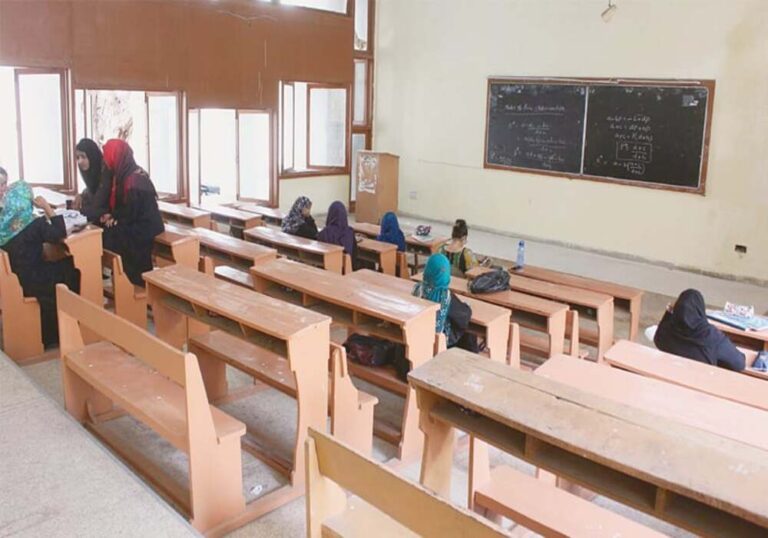
    By Shayhaq Siraj Balochistan, despite being the largest province of Pakistan, continues to suffer from a deeply neglected education system. Thousands of children are still out of school, while those enrolled often face a lack of basic facilities. Many schools exist only on paper, and in several areas, buildings are either in ruins or completely absent. One of the most pressing issues is the shortage of qualified teachers. In rural districts such as Kech and Turbat, students are deprived of quality instruction, leading to poor academic performance and high dropout rates. Additionally, the absence of proper monitoring allows ghost teachers and mismanagement to persist unchecked. The situation is further worsened by a lack of infrastructure. Schools without electricity, clean drinking water, and furniture are a common sight. In extreme weather conditions, students are forced to study in unbearable environments, which discourages attendance and learning. Education is the backbone of any society, yet it remains a low priority in Balochistan. Immediate steps must be taken by the government to improve school facilities, recruit trained teachers, and ensure strict accountability. Without urgent reforms, the future of an entire generation remains at risk.