Letters to the Editor

  • Urgent Need for Clean Drinking Water in Gwadar

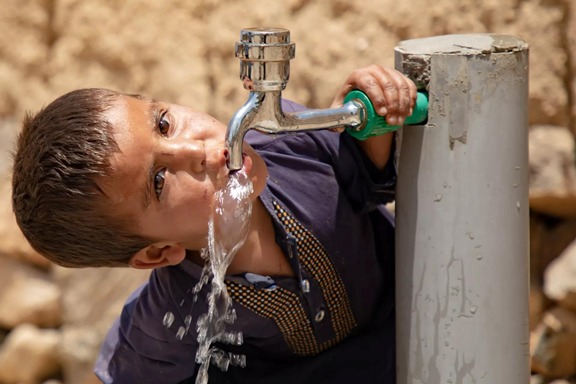
    By Shayhaq Siraj Gwadar, a city that stands as a symbol of development and economic promise, is unfortunately facing a severe crisis of clean drinking water. Despite being a focal point of national and international attention due to its strategic importance, the basic necessity of safe water remains a distant dream for many residents. The people of Gwadar are forced to rely on water tankers and private suppliers, which are often expensive and unreliable. In many areas, the available water is contaminated and unfit for human consumption, posing serious health risks, especially to children and the elderly. Waterborne diseases are becoming increasingly common, highlighting the urgent need for intervention. It is deeply concerning that while large-scale development projects are underway, the fundamental rights of local citizens are being overlooked. Access to clean drinking water is not a luxury; it is a basic human right that must be ensured for every individual. The authorities must take immediate and effective measures to address this crisis. Investment in proper water supply infrastructure, desalination plants, and efficient distribution systems is crucial. Furthermore, strict monitoring should be implemented to ensure the quality of water being supplied to the public. Gwadar’s true progress cannot be measured solely by infrastructure and investment but by the well-being of its people. Providing clean drinking water is essential for a healthy, prosperous, and sustainable future. I hope the concerned authorities will take swift action to resolve this pressing issue.
  • Afghanistan lost peace under the Taliban

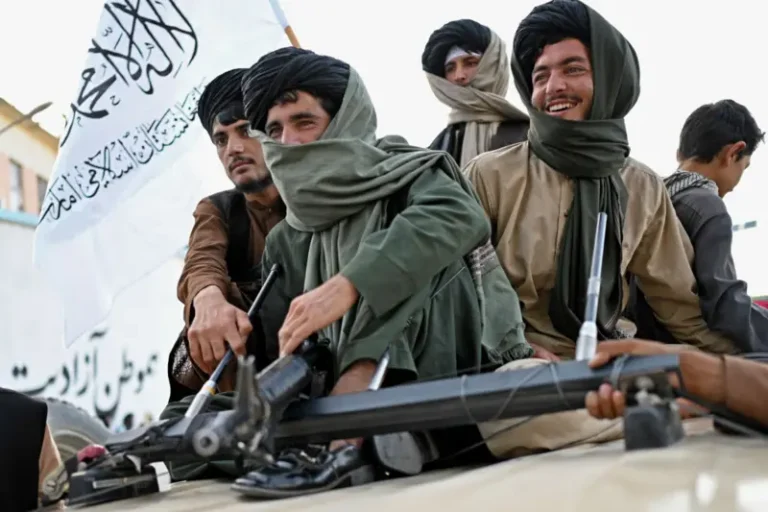
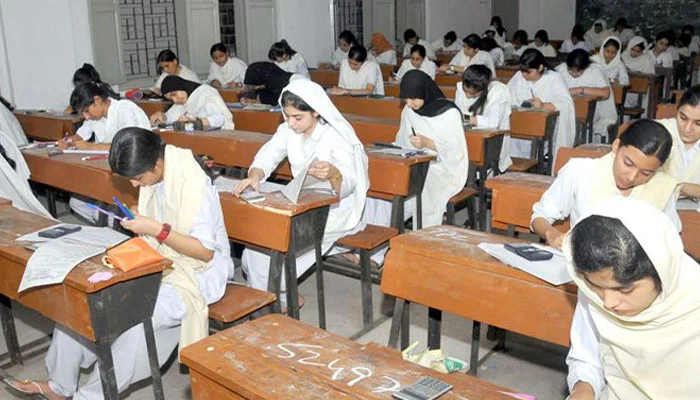
    By Kulsoom Amanullah When Taliban entered Kabul in Augusta 2021,the loss of peace in Afghanistan and the role of the Taliban in the country’s long and difficult history. Afghanistan has suffered from decades of war, political conflict, and instability. The Taliban have been an important part of this history, and their return to power in 2021 changed the lives of millions of Afghan people. The Taliban first emerged in Afghanistan in the 1990s and controlled most of the country by 1996. Their rule was known for strict religious policies and restrictions on many aspects of daily life. After the attacks of September 11, 2001, the United States and its allies invaded Afghanistan, and the Taliban government was removed from power. However, the conflict continued for many years. During this period, Afghan civilians experienced violence, displacement, poverty, and insecurity. In August 2021, the Taliban returned to power after the withdrawal of United States and allied forces. Since then, Afghanistan has faced many serious challenges. Although the level of large-scale fighting has decreased compared with some earlier years, peace is more than simply the absence of war. True peace requires safety, freedom, economic stability, education, and respect for the rights and dignity of all people. One of the most serious concerns under the Taliban has been restrictions on women’s and girls’ education and participation in society. Girls have faced severe restrictions on secondary and higher education, while women have also faced limitations on employment and public life. These policies have created deep concern both inside and outside Afghanistan. Education is essential for the development of any country, and denying opportunities to a large part of the population can make it harder for Afghanistan to achieve long-term progress. The Afghan people also face economic and humanitarian difficulties. Many families struggle with poverty and limited access to basic services. Years of war have weakened the country’s infrastructure and economy. The international community has provided humanitarian assistance, but Afghanistan still needs long-term solutions that can help its people live with dignity and hope. At the same time, it is important to remember that ordinary Afghan people are not responsible for the conflicts that have affected their country. They are the ones who have suffered the most from decades of violence and instability. Afghan families deserve the opportunity to live peacefully, earn a living, educate their children, and build a secure future. Afghanistan needs a peaceful and inclusive future. The Taliban, as the current rulers of the country, have a major responsibility to create conditions in which all citizens can live safely and with dignity. The rights of women and girls, access to education, economic development, and humanitarian needs should be given serious attention. The story of Afghanistan teaches us that lasting peace cannot be achieved through force alone. It requires dialogue, justice, education, cooperation, and respect for human rights. I hope that one day Afghanistan will move beyond its painful past and become a peaceful country where every citizen can live without fear and every child can dream of a better future.

  • A Town without Education

    By Zoya Khan Naseer Ahmed I am writing to bring your attention to a pressing issue at Government Girls High School in Balicha, which is currently facing a severe shortage of qualified teachers. Many teachers from Balicha choose to relocate and teach in cities so that their own children can receive a better education, leaving our local school understaffed. Not every family has the financial means to relocate or send their children to cities for schooling; most of the local population depends entirely on this government institution. When asked why proper instruction is lacking, some educators explain that staying in Balicha compromises their own children’s academic futures due to limited facilities. However, every child deserves access to quality education regardless of their socio-economic status or geographic location. At present, students are deprived of proper instruction in core subjects. While Urdu, Islamiat, and Arabic are taught regularly in some classes, essential subjects like English, Mathematics, Science, and Geography are frequently neglected due to the absence of specialized teachers. This deficit is particularly critical for students in Grades 9 and 10, where key scientific disciplines—including Biology, Chemistry, and Physics—are not taught properly. Without adequate instruction in these foundational subjects, students are unable to prepare effectively for their board examinations or pursue higher education successfully. Every student deserves an equal opportunity to learn. I urge the relevant authorities to appoint qualified teachers to Government Girls High School, Balicha, ensuring that students can receive a complete education and build a better future.

  • Ali Raza’s Murder: A Wake-Up Call for Justice and Safety in Karachi

    By Nazaink Majid I am writing this letter to seek justice for the tragic and heartbreaking murder of Ali Raza. Mirza Raza Ali, a famous Wafflix food grand owner from Gulistan -e-Johar and who was murdered in Gulistan -e- Johar, Karachi. According to a Pakistan today on the police investigation, Mir Ali Raza was in contact with his fiance until 11:30 PM, after which he returned to his home in PECHS. At around 3:00 AM on July 28, his fiance attempted to reach him again. Over a span of roughly 20 minutes, she made more than 40 panic calls and sent multiple text messages expressing immediate concern for his safety, none of which were answered. Police Sources confirmed that before leaving his PECHS house, Mir Ali Raza had abruptly deleted his social media accounts and disconnected his whatsapp. And he sent some amount of money to his father’s account. On 28 July at 4:12, Ali Raza went to his home. The following days, on the night of 29 July, his body was left at a location, and people discovered it on the morning of 30 July. The painful death of Ali Raza shows that people’s lives are not safe. No family should have to suffer the loss of a loved one in a such a way. Ali Raza’s death is a reminder that every life matters and every citizen deserves safety. We demand justice for Ali Raza and safety for every citizen of Karachi. No one should live in fear. Every person deserves justice, Safety and the chance to live without danger. The Ali Raza’s death should not become just another incident forgotten with time. It should be a wake-up call for stronger action, and safety for everyone. We appeal to the authorities to stand with the victim’s family, investigate this matter with honesty, and ensure that justice is served. No family should have to suffer such a loss, and no one life should be taken without accountability.

  • The Growing Issue of Fake Degrees and Certificates

    By Sania Rahim I would like to draw the attention of the concerned authorities and the general public toward the rapidly growing issue of fake degrees and certificates, which is becoming a serious threat to our society day by day. Education is considered the backbone of any nation. It builds skilled professionals, responsible citizens, and a strong economy. However, the increasing trend of fake educational documents is weakening this very foundation. Today, some people obtain fake degrees and certificates to secure jobs, promotions, admissions, and other benefits without having the required knowledge, skills, or hard work. This unfair practice is not only injustice to deserving candidates but is also damaging the credibility of our educational institutions. The most alarming part is that fake degrees are now being used in sensitive fields such as medicine, engineering, teaching, law, and public administration. An unqualified doctor, engineer, or teacher can endanger human lives and the future of entire communities. When unskilled people occupy important positions through fraudulent documents, the quality of services declines, accidents increase, and public trust in institutions erodes. It also discourages honest students who spend years studying and working hard to earn genuine qualifications. Another major consequence is corruption. The network of agents, printing presses, and online sellers who manufacture and sell fake degrees is growing because of high demand and weak verification systems. This creates a parallel market where money replaces merit. As a result, competent individuals are left behind while unqualified people move ahead, which ultimately harms national progress. To control this serious issue, I would like to suggest some necessary steps: First, the government should establish a centralized, digital database of all degrees and certificates issued by recognized boards and universities. Every employer and institution should be bound to verify documents through this system before hiring or admission. Second, strict legal action should be taken against those involved in making, selling, and using fake degrees. Heavy fines and imprisonment can serve as a strong deterrent. Third, awareness campaigns should be launched in schools, colleges, and on media platforms to educate students and parents about the dangers and legal consequences of using fake documents. Fourth, professional bodies like the Pakistan Medical Commission, Pakistan Engineering Council, and education departments must regularly audit their members and employees. In conclusion, fake degrees are not just a paper problem. They are a threat to merit, public safety, and the future of our country. I sincerely hope that the concerned departments, law enforcement agencies, and educational authorities will take immediate and effective steps to eliminate this malpractice and restore trust in our education system.

  • Virat kholi and 2027 ODI World cup

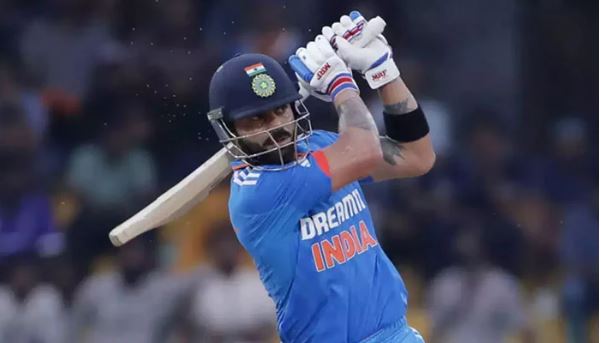
    By Muhammad Naseer Virat Kohli’s possible presence in the 2027 ODI World Cup has already created excitement among cricket fans. After years of remarkable performances, Kohli has become one of the most respected ODI batters of his generation. He has openly reaffirmed his commitment to playing in the 2027 World Cup, giving fans hope that they may see him represent India in another major tournament. The 2027 World Cup will be especially important because it could be one of the final major international tournaments of his career. Kohli has already experienced the pressure and excitement of World Cups on several occasions. He was part of India’s 2011 World Cup-winning team and later became one of the tournament’s most consistent performers. His extraordinary ability to chase difficult targets has made him particularly valuable in ODI cricket. His experience could also provide important guidance to younger players entering their first World Cup. However, reaching 2027 will require maintaining fitness, form, and consistency over the coming years. Cricket is an unpredictable sport, and no player can guarantee what the future will bring. Nevertheless, Kohli’s determination suggests that he still has ambitions left to fulfil in the 50-over format. For millions of supporters, watching him in another World Cup would be an emotional experience. His presence could also add enormous attention to the tournament. More importantly, the younger generation could learn from his preparation, discipline, and approach to the game. Kohli has already achieved numerous individual milestones, but another World Cup triumph would add another memorable chapter to his career. India will have many talented players by 2027, so the final team selection will depend on form and fitness at that time. If Kohli remains at his best, his experience could be extremely valuable in a high-pressure tournament. The 2027 World Cup may therefore become not only a competition for India but also another stage in the remarkable story of one of cricket’s modern greats. Fans will undoubtedly hope to see his familiar number on the Indian jersey when the tournament begins. Whether he produces another unforgettable innings or simply guides younger teammates, his contribution could be significant. For now, the possibility of Virat Kohli playing in the 2027 ODI World Cup is enough to keep cricket lovers eagerly waiting for what could be another memorable chapter in his extraordinary career.

  • Pakistan: The Moment Frustration Met Patience

    Why would two nations that had been at war for months agree to let Pakistan carry their words to one another? The answer says a great deal about the place Pakistan has earned in the global hierarchy. Few countries are able to exchange views openly with both Tehran and Washington, yet Pakistan has built exactly that kind of standing through years of patient and balanced diplomacy. In Switzerland this June, that effort proved its worth. When the Iranian delegation grew frustrated and stepped away from the table, the negotiations might easily have collapsed. Instead, mediators from Pakistan and Qatar kept the channels open, passing messages between the two sides until the heat dissipated. The meeting at Burgenstock stretched on for eighteen hours, a test of patience that Pakistan met with gracious endurance. And what did it pocket for its own benefit? Nothing for itself. Its only aim was to silence the guns and keep the Strait of Hormuz open, so the wider world could feel some relief. Is that not the affirmation of a nation that proceeds in good faith? Credibility of this magnitude is not cultivated overnight. It is built progressively, through transparency and disciplined action, and in Switzerland, the world saw clearly that Pakistan possesses this cross-cultural credibility.

  • Women Left Waiting at NADRA Office, Turbat

    By Baloch Khan Through the columns of your esteemed newspaper, I wish to draw the attention of the concerned authorities to the poor treatment of women at the NADRA office in Turbat. Many women, including elderly applicants and mothers with children, are forced to wait for long hours while some staff members fail to deal with them efficiently and respectfully. Every citizen deserves equal treatment and timely service, especially in a government office that provides essential identity documents. Delays, mismanagement, and a lack of proper assistance cause unnecessary hardship for women. I request the authorities to investigate the matter, ensure respectful behavior by the staff, and improve services so that women can complete their work without unnecessary delays and inconvenience.

  • Pollution problem in karachi

    By Baloch Khan Through the pages of your newspaper, I want to draw attention to the serious problem of pollution in Karachi. The city is facing increasing air, water, and waste pollution due to smoke from vehicles, industrial emissions, garbage, and improper waste disposal. Pollution is badly affecting the health of citizens. Many people are suffering from breathing problems and other diseases because of polluted air. Burning garbage and increasing traffic are making the environment more harmful. I request the concerned authorities to take strict action against pollution. More trees should be planted, waste should be properly managed, factories should follow environmental rules, and citizens should be educated about keeping the city clean. I hope your newspaper will highlight this important issue and the authorities will take immediate steps to solve it.

  • Equal Treatment for Every Student

    By Baloch Khan Government schools are established to provide equal education and opportunities to every student. Unfortunately, in some schools, favoritism has become a serious concern. Some teachers give special attention to a few students while ignoring others. This unfair treatment discourages hardworking students and creates an unhealthy learning environment. Another troubling issue is the rude behavior of some teachers. Instead of guiding students with patience and respect, they often scold and humiliate them. Such behavior affects students’ confidence and their interest in education. Teachers should inspire children, not make them afraid of coming to school. The education department should monitor government schools regularly and take strict action against favoritism, negligence, and unprofessional behavior. Every child deserves equal treatment, respect, and a quality education