National

  • |

    Prisoner dies by suicide in Muzaffargarh jail

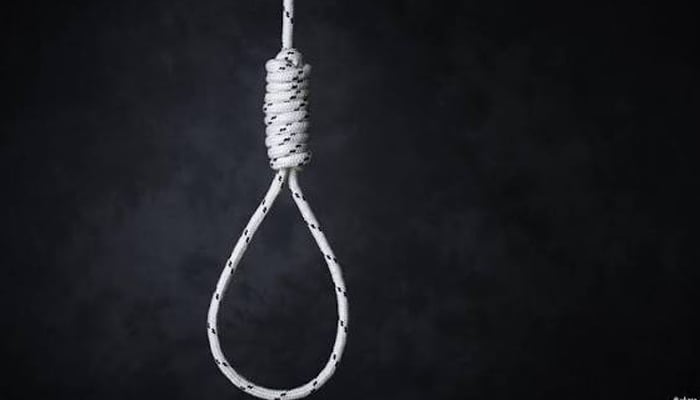
      A convicted murderer allegedly died by suicide inside Muzaffargarh District Jail, prompting authorities to launch an investigation into the incident. According to police, Shahid Iqbal Gabol, a resident of Alipur, had been serving a life sentence after a court convicted him of murdering his wife. Jail authorities said Gabol was also receiving treatment for a mental health condition during his imprisonment. Police said Gabol allegedly used a bedsheet to make a noose and hung himself from a grill inside the prison. Jail staff discovered him and informed the relevant authorities. Police from City Police Station said they have begun legal proceedings to determine the circumstances surrounding the death. Meanwhile, prison officials have launched an internal inquiry to establish whether any negligence by jail staff contributed to the incident and to identify those responsible, if any. Authorities are expected to examine the circumstances leading up to the death, including the prisoner’s mental health treatment and the security measures in place at the time of the incident.

  • | |

    POC holders allowed to perform Hajj under Pakistan…

    ISLAMABAD: Holders of the Pakistan Origin Card (POC) will now be able to perform Hajj under Pakistan’s official Hajj quota, according to sources familiar with the development. Sources said one per cent of Pakistan’s total Hajj quota will be reserved for POC holders. The decision is expected to provide an opportunity for overseas Pakistanis of Pakistani origin who no longer hold Pakistani citizenship or passports to perform Hajj through Pakistan’s quota for the first time. Under the arrangement, 1,792 POC holders will be eligible to perform Hajj using Pakistan’s allocated quota. The sources said Saudi Arabia has allowed POC holders to be included in Pakistan’s Hajj quota. The permission is being described as a significant development for people of Pakistani origin living abroad who have surrendered their Pakistani citizenship or passports but retain their connection with the country through the Pakistan Origin Card. POC holders will reportedly be eligible to benefit from both the government and private Hajj schemes. This will give eligible applicants the option of choosing between the two arrangements, subject to the applicable rules and requirements. The allocation of one per cent of the overall quota means that a specific number of pilgrims of Pakistani origin will be accommodated within Pakistan’s annual Hajj arrangements without holding Pakistani citizenship. The facility is particularly significant for overseas Pakistanis who have maintained strong links with Pakistan despite giving up their citizenship. The Pakistan Origin Card provides such individuals with a formal connection to the country and facilitates their access to several rights and services. Sources said the inclusion of POC holders in Pakistan’s Hajj quota has been permitted by Saudi authorities following discussions concerning arrangements for Pakistani pilgrims. The move is expected to benefit members of the Pakistani diaspora who have previously faced limitations in performing Hajj through Pakistan because they no longer possess Pakistani passports. The development comes as preparations for the upcoming Hajj season continue. A large number of Pakistani pilgrims are expected to travel to Saudi Arabia under both government and private schemes. The government has also been working on arrangements concerning accommodation, transportation, medical facilities and other services for Pakistani pilgrims. The inclusion of POC holders could further strengthen the connection between Pakistan and its overseas community, particularly those who continue to maintain cultural, family and social ties with the country.

  • | |

    JSMU issues separate notifications on Dr Nighat Sh…

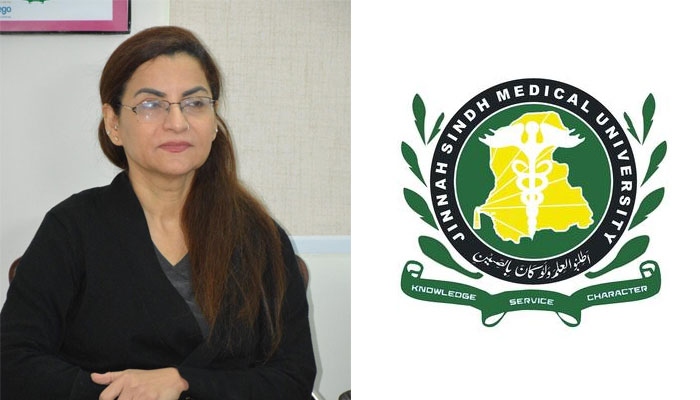
    Jinnah Sindh Medical University (JSMU) has issued two separate notifications regarding the retirement and subsequent contractual appointment of Professor Dr Nighat Shah, daughter of former Sindh chief minister Syed Qaim Ali Shah. According to the university’s notifications, Dr Nighat Shah retired from government service on August 12, 2026, but was allowed to continue working at the university as a Professor of Gynaecology (BPS-21) for another three years on a contractual basis. The two notifications were issued separately. One formally announced her retirement, while the other approved her immediate appointment on a three-year contract following her retirement. According to the retirement notification issued by JSMU Registrar Dr Azam Khan, Dr Nighat Shah, who was serving as Professor of Gynaecology and Obstetrics in BPS-21 as well as Pro-Vice Chancellor, retired from government service with effect from the afternoon of August 12. The notification also referred to an earlier order dated October 6, 2025, under which she had been appointed Pro-Vice Chancellor of the university. Her tenure as Pro-Vice Chancellor was linked to her period of government service and was therefore due to end upon her retirement. However, a separate notification issued by the university states that, following a decision by the Sindh government and approval from the competent authority, the Syndicate, Dr Nighat Shah was permitted to continue her services at JSMU as Professor of Gynaecology for three years on a contractual basis. The new contract will take effect from August 13, 2026, just one day after her retirement from government service. The arrangement means that, according to the university’s own notifications, Dr Nighat Shah formally retired from government employment on August 12 but resumed her professional duties at the same institution without any break from August 13 under a three-year contractual appointment. The development has drawn attention because of the timing of the two notifications, with the retirement order followed immediately by the contractual appointment. Dr Nighat Shah was appointed Pro-Vice Chancellor of JSMU in October 2025. Her new contractual role, however, is specifically as Professor of Gynaecology rather than as Pro-Vice Chancellor. The three-year contract will allow her to continue teaching and providing academic and professional services at the university until the completion of the approved contractual period, subject to the terms and conditions of her appointment.

  • | |

    SHC orders independent probe into HIV cases at Kar…

    KARACHI: The Sindh High Court has directed the provincial government to establish an independent committee to conduct a comprehensive investigation into the reported spread of HIV among children treated at Karachi’s Kulsum Bai Valika Hospital. A two-member bench, headed by Justice Adnanul Karim Memon and comprising Justice Muhammad Jaffer Raza, issued the directions while announcing its reserved judgment on a petition seeking an impartial investigation, medical treatment and compensation for affected children. The court noted that the departmental inquiries and reports submitted so far were not sufficient to establish the actual number of affected patients, determine how the virus was transmitted or assess whether proper infection-control procedures were followed. According to figures presented by the Sindh government, 78 children were identified as HIV-positive at the hospital, while screening in the surrounding area detected another 120 cases. However, the petitioner claimed that the number of infected children could be around 200. The court ordered the Sindh chief secretary to head the inquiry committee and include two senior government officers of at least BS-20 rank. The officers should preferably have no direct administrative connection with the hospital or the investigations already conducted. The committee has been directed to establish the exact number and identities of HIV-positive children and other patients who were treated at the hospital during the relevant period. It will also investigate the possible source and method of HIV transmission on the basis of medical and scientific evidence. The committee will examine whether disposable syringes or other medical equipment were reused, improperly discarded or inadequately sterilised in violation of medical standards and applicable laws. It will also review the hospital’s infection-prevention arrangements, including the procurement, storage and use of auto-lock, auto-destruct and auto-break syringes. The roles of doctors, nurses, technical staff, administrative officials and supervisors will also come under scrutiny. The committee will determine whether any official failed to fulfil a legal, administrative or supervisory responsibility. The inquiry will further assess ongoing departmental proceedings against 37 officials and determine whether those proceedings adequately address individual responsibility. Officials will also examine whether the Sindh Regulation and Control of Disposable Syringes Act, 2010, or any other relevant law was violated and identify those responsible if evidence establishes wrongdoing. The committee has been authorised to examine medical and laboratory reports, screening records, procurement and stock registers, syringe records, duty rosters, infection-control reports, inspection documents, departmental inquiry material and relevant CCTV footage. The inquiry must provide an opportunity for a fair hearing to anyone against whom adverse findings are proposed. The committee has been directed to submit its report to the competent authority and the high court within two months of its formation. The court also directed the Sindh chief secretary to ensure that all affected HIV-positive children and other identified patients receive uninterrupted medical care while the inquiry continues. The treatment must include medicines, diagnostic tests, counselling and follow-up care and must be provided completely free of cost. The government and SESSI will bear all expenses, and no costs are to be recovered from affected children or their families. Treatment should continue for as long as medically necessary. Given the vulnerability of the children, the court also ordered authorities to determine whether affected families are entitled to compensation, financial assistance or other relief under the relevant laws and government policies. The court stressed that no affected child or family should face discrimination, stigma or denial of lawful assistance because of HIV status. It further ordered authorities to protect the privacy and confidentiality of the children’s identities and medical records. The Sindh chief secretary and health department secretary were directed to take immediate corrective and preventive measures at the hospital to prevent further avoidable risks to patients. Authorities were also ordered to ensure strict compliance with infection-control procedures and the law governing disposable syringes. The court said the case involved fundamental rights, including the rights to life, health, dignity and fair treatment. It observed that the matter could not be treated merely as an administrative issue because the state has a constitutional responsibility to protect life and ensure proper public health and medical safety. At the same time, the court cautioned that allegations or departmental proceedings alone cannot establish the guilt of individual officials. Responsibility must be determined through evidence and after providing the concerned persons an opportunity to defend themselves. The court also took notice of an incident involving the petitioner, Advocate Tariq Mansoor, during proceedings. According to the order, Mansoor allegedly raised his voice and encouraged people accompanying him, while some individuals reportedly recorded videos inside the courtroom. The court said the incident disrupted proceedings and affected the dignity and decorum of the courtroom. It also noted that the situation was serious enough for the bench to retire to chambers before completing the order. The court issued a show-cause notice to Mansoor, asking why contempt and criminal proceedings should not be initiated against him. Court security officials were also directed to explain an alleged security lapse that allowed a group of people to enter the courtroom and disrupt proceedings. The Sindh High Court Bar Association and Sindh Bar Council were asked to intervene and take appropriate measures regarding the alleged misconduct.

  • | |

    Pipeline blast disrupts gas supply across Balochis…

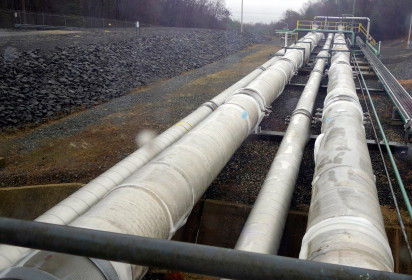
    QUETTA: Gas supplies to Quetta and several areas of Balochistan were suspended on Thursday after an explosion damaged a major gas pipeline in the Bolan region. Officials said the blast occurred near Gokurt. An 18-inch-diameter pipeline was damaged by an explosive device near its valve assembly. The damaged facility is located around 800 metres from the National Highway. The explosion disrupted gas supplies to Quetta, Kolpur, Mach, Mastung, Kalat, Pishin and Ziarat. Flames reportedly emerged from the damaged pipeline shortly after the blast. The area was secured to prevent further danger and allow authorities to inspect the site. The Sui Southern Gas Company (SSGC) said repair teams would be sent to the location after security clearance is granted. Engineers and technical teams will assess the damage first. Restoration work will begin after the site is declared safe. The company has not yet announced when gas supplies will be fully restored. The suspension has caused concern among residents and businesses in the affected areas. Many households depend on the gas network for cooking and other daily needs. Businesses and commercial establishments may also face difficulties if the disruption continues for an extended period. Security authorities have started investigating the explosion. Officials are also examining the circumstances surrounding the damage to the pipeline. The incident highlights continuing security concerns surrounding energy infrastructure in Balochistan. Gas pipelines in the province have previously been targeted in similar attacks. A similar incident was reported in Balochistan earlier this year. In March, an 18-inch gas pipeline near the Western Bypass in Harnai’s Akhtarabad area was damaged in an explosion. Explosives had reportedly been planted beneath the pipeline. The blast destroyed a significant section of the infrastructure and disrupted gas supplies to several areas. The earlier incident affected parts of Quetta and upper Balochistan. Several localities, including Airport Road, Nawan Kali, Jinnah Town, Hazarganji, Kuchlak, Pishin and Ziarat, experienced disruptions. The March explosion also caused a major fire. Large flames were seen rising from the damaged pipeline, creating panic among people living nearby. Authorities are continuing their investigation into Thursday’s blast. Security officials will also determine the extent of the damage and assess the measures required to protect the pipeline network.

  • | |

    PML-N challenges Rathore’s victory in AJK consti…

    MUZAFFARABAD: PML-N candidate Chaudhry Mohsin Aziz has challenged the election result of Azad Jammu and Kashmir’s LA-17 Haveli-Kahuta constituency, alleging irregularities in the compilation of results and seeking a recount of votes. The Azad Jammu and Kashmir Election Commission has accepted the petition for hearing and summoned the relevant parties in Muzaffarabad. Mohsin has alleged that the official result was changed through manipulation of election documents. He claimed that results received from polling stations showed him winning the constituency by a significant margin. According to his claim, the results compiled by presiding officers showed him leading by around 8,600 votes. He alleged that there was a substantial discrepancy between those results and the figures later submitted to the returning officer. The PML-N candidate said he had approached the returning officer and requested a recount but his request was rejected. He has also called on PPP Chairman Bilawal Bhutto-Zardari to support a recount. Mohsin said he would leave politics if a transparent recount showed that he had not won the constituency by a substantial margin. The disputed constituency was won by PPP candidate and AJK Prime Minister Faisal Mumtaz Rathore, according to the officially issued result. Form-27 showed Rathore securing 33,872 votes, while Mohsin Aziz received 32,354 votes. Independent candidate Tariq Saeed stood third with 12,538 votes. Mohsin has disputed these figures and alleged that the result was altered after the polling process. He also alleged that armed individuals intimidated voters at some polling stations during election day. He claimed tensions increased after the rival camp realised that it could face defeat. The PML-N candidate has vowed to pursue the matter through the electoral process and said he would not accept what he described as an attempt to deprive him of his mandate. The election commission’s decision to hear the petition has formally brought the disputed result before the relevant electoral forum. The proceedings will determine whether a recount or any further action is warranted. Political tensions in the constituency have also continued following the election. Several vehicles parked along a roadside in Hoter village were reportedly vandalised. Local residents said the windows of the vehicles were smashed during an alleged attack. The vehicles were reportedly parked outside the residence of senior PPP leader Zahid Hashmi, who is also president of the International Kashmir Peace Forum Europe. According to local sources, individuals associated with the PML-N and an independent candidate were allegedly involved in the incident. The allegations have not been independently verified. Some of the affected vehicles reportedly belonged to people who had travelled from Saudi Arabia to participate in the election. The affected individuals alleged that, besides damaging their vehicles, the attackers took passports and cash from some of them.

  • | | |

    AJK police allege 8 officers ‘abducted&#8217…

    MUZAFFARABAD: Azad Jammu and Kashmir (AJK) police on Thursday alleged that eight highway police personnel deployed for election duty had been “abducted” by the proscribed Joint Awami Action Committee (JAAC), as tensions continue to simmer across the region. Police spokesperson SSP Khawar Ali Shaukat made the allegation during a televised press conference in Rawalakot, claiming that the personnel were being held by members of the group and had been subjected to what he described as “brutal abuse”. According to the spokesperson, the security personnel were attacked while carrying out their election-related duties. He claimed the officials’ families had also been threatened, allegedly being warned that the personnel would be killed if the protesters’ demands were not accepted. “We will not allow pressure to be exerted over the lives of these officials,” Shaukat said, calling for the immediate release of the personnel. He warned that authorities would take action if the officials were harmed, their release was obstructed or their families continued to receive threats. The police spokesperson also rejected the perception that the JAAC was a peaceful movement, alleging that recent incidents showed the group was willing to use violence to challenge the state’s authority and institutions. “The state is not weak,” he said, adding that authorities had exercised restraint despite the escalating tensions. Shaukat also appealed to residents to distance themselves from the group and urged parents to monitor their children, alleging that propaganda was being used to encourage young people to participate in unrest. His remarks came as AJK continues to hold elections in phases amid heightened security concerns. The region has witnessed weeks of demonstrations led by the JAAC, which has been demanding, among other things, the abolition of 12 seats in the local legislature reserved for refugees from Indian-held Kashmir. Tensions escalated on July 28 when clashes were reported between protesters and law enforcement personnel in Rawalakot and Mirpur. The violence reportedly resulted in several casualties and further intensified the political and security situation. The government has also accused elements it describes as militants of exploiting the unrest and pursuing a foreign agenda, alleging Indian financial backing. Those allegations have added another layer to an already tense political environment. Last week, AJK Information Secretary Muhammad Rashid Hanif said seven law enforcement personnel, including police and Rangers officials, had been killed during the recent unrest. Meanwhile, Thursday’s police statement has placed renewed focus on the safety of personnel deployed for election duties. Shaukat called on the JAAC to release the eight officials and warned that any further violence against state employees would trigger a firm response under the law and Constitution. The allegations have not been independently verified, and the JAAC’s response to the police claims was not included in the report.

  • | |

    Seven workers abducted in armed raid on Chagai min…

    Seven workers were abducted after a group of armed men raided a private mining site in Chagai district and allegedly took away vehicles, fuel and other equipment worth millions of rupees. According to sources, the incident occurred around 1pm on Tuesday at a mine in Mahian Kaur, located approximately 15 to 18 kilometres west of Chagai town. Eight unidentified armed men reportedly arrived at the mining site on motorcycles. They took control of the facility and held the workers hostage before taking seven employees away with them. Four of the abducted workers were from Gilgit. They were identified as Wajahat, Wajid, Shahid and Sabir. The other three workers were locals. They were identified as Ziauddin from Dalbandin, Shah Saleem from Mahian in Chagai and Saeed Muhammad, who is also from Mahian. Sources said the armed men remained at the mining site for several hours. They reportedly stayed there until around 7pm before leaving with the hostages and equipment. The attackers allegedly took a Zambad vehicle and a four-wheel-drive pickup from the site. A motorcycle was also reportedly taken. More than 20 solar panels were among the items removed from the mining facility. The attackers also allegedly took bedding, kitchen equipment and other supplies used by the workers. A large quantity of fuel was also taken. Sources said the stolen fuel included around 2,500 litres of diesel and 1,500 litres of petrol. The attackers reportedly carried out the operation without facing resistance. They then left the area with the seven workers and the stolen property. The incident was reported to the relevant authorities soon after the attackers departed. Local administration and security officials have launched efforts to trace the abducted workers and recover the vehicles and other property. Search efforts are continuing in the area, while authorities are also investigating the identity and motives of the armed men. The abduction has raised fresh security concerns for workers and private mining operations in Chagai, where remote mining sites can be difficult to secure. At the time of reporting, there was no confirmed information about the whereabouts or condition of the seven abducted workers.

  • | | |

    Ministers seek PM’s approval for prices of 52 vi…

    ISLAMABAD: The federal health ministry has sought an urgent meeting with Prime Minister Shehbaz Sharif to obtain approval for the pricing of 52 newly registered life-saving medicines. Health Minister Syed Mustafa Kamal and Finance Minister Senator Muhammad Aurangzeb are expected to attend the meeting along with Federal Health Secretary Muhammad Aslam Ghauri and Drug Regulatory Authority of Pakistan (DRAP) Chief Executive Officer Dr Obaidullah. Officials said the health ministry has contacted the prime minister’s adviser, Tauqeer Shah, requesting an early appointment for the delegation. The Cabinet Committee on Drug Pricing had already approved prices for the 52 medicines during its meeting on July 24. However, the medicines cannot be legally marketed in Pakistan until the federal cabinet gives its final approval. After cabinet approval, DRAP will be able to issue notifications fixing the maximum retail prices of the medicines, allowing pharmaceutical companies to formally launch the products in the regulated market. Health ministry officials said the proposed meeting with the prime minister is aimed at obtaining his support for placing the pricing decision before the federal cabinet at the earliest. The delegation is also expected to raise the issue of hardship cases involving several essential medicines. Manufacturers and importers of these medicines have requested price adjustments, arguing that continued production or imports at the existing prices have become increasingly difficult. A senior health ministry official said the government was concerned because several registered medicines remained unavailable in the regulated market despite their prices having been approved by the drug pricing committee. The official said the delegation would brief the prime minister on the situation and seek immediate action to prevent further shortages. Among the medicines facing supply pressure are essential products such as influenza vaccines and morphine used in cancer treatment, along with other drugs whose manufacturers have reported difficulties in maintaining supplies at existing prices. The Cabinet Committee on Drug Pricing, chaired by Finance Minister Muhammad Aurangzeb, approved the 52 pricing cases after reviewing recommendations submitted by DRAP’s Drug Pricing Committee and Policy Board. All 52 cases forwarded by the Drug Pricing Committee and endorsed by the DRAP Policy Board were approved by the cabinet committee. However, the committee’s decision is not the final step in the process. The federal cabinet must endorse the recommendations before DRAP can officially notify the maximum retail prices. The medicines covered by the proposed pricing decision are used to treat a range of serious and chronic conditions. They include medicines for cancer, diabetes, haemophilia, Parkinson’s disease, autoimmune disorders, blood-clotting conditions and severe infections. Some are also used in intensive-care units and emergency treatment. Officials believe timely approval could help bring the newly registered medicines into the regulated market and improve availability for patients requiring specialised treatment.

  • | |

    KP CM launches mobilisation campaign for September…

    PESHAWAR: Khyber Pakhtunkhwa Chief Minister Muhammad Sohail Afridi has launched a province-wide street mobilisation campaign from Khyber district ahead of the September 27 long march. Addressing a rally in Khyber, Afridi said the campaign had formally begun from the historic Bab-e-Khyber and would continue across the country before culminating in Islamabad. The movement has been given the name “Long March Bil-Qist — A Long March for Justice.” According to the chief minister, its stated objectives include seeking the release of PTI founder Imran Khan through constitutional and peaceful means, demanding equal application of the law and calling for accountability for those responsible for alleged injustice and oppression. Afridi urged young people across Pakistan to participate in the September 27 march, saying the youth had an important role in determining the country’s political future. He said the mobilisation launched in Khyber would gradually be expanded to other parts of the country and continue until the movement achieved its declared objectives. The chief minister praised residents of Khyber for their participation in the campaign. He said rally participants had travelled around 30 kilometres while demonstrating enthusiasm and commitment to the movement. Afridi claimed that preparations were under way to mobilise two million people for the September 27 march. He said more than 100,000 participants from Khyber district alone were expected to join the Islamabad-bound movement. He also claimed that membership of the campaign seeking Imran Khan’s release had reached 520,000, with Punjab currently having the largest number of members. The chief minister expressed confidence that large numbers of people from different parts of Pakistan would participate in the march. Speaking about the role of young people, Afridi said frustration with the existing political and governance system was growing among the younger generation. He called on the youth to remain determined despite political and other challenges. He argued that if young people demonstrated their strength and determination collectively, the movement could become a major political force. Afridi also criticised those he accused of contributing to Imran Khan’s imprisonment, weakening democratic institutions and affecting the country’s governance system. He maintained that the movement would remain peaceful and constitutional while pursuing its political demands. The chief minister described September 27 as a potentially significant day for Pakistan, saying participants would seek to influence the country’s political direction and play a role in determining its future.