seven workers abducted
| |

Seven workers abducted in armed raid on Chagai min…

Seven workers were abducted after a group of armed men raided a private mining site in Chagai district and allegedly took away vehicles, fuel and other equipment worth millions of rupees.

According to sources, the incident occurred around 1pm on Tuesday at a mine in Mahian Kaur, located approximately 15 to 18 kilometres west of Chagai town.

Eight unidentified armed men reportedly arrived at the mining site on motorcycles. They took control of the facility and held the workers hostage before taking seven employees away with them.

Four of the abducted workers were from Gilgit. They were identified as Wajahat, Wajid, Shahid and Sabir.

The other three workers were locals. They were identified as Ziauddin from Dalbandin, Shah Saleem from Mahian in Chagai and Saeed Muhammad, who is also from Mahian.

Sources said the armed men remained at the mining site for several hours. They reportedly stayed there until around 7pm before leaving with the hostages and equipment.

The attackers allegedly took a Zambad vehicle and a four-wheel-drive pickup from the site. A motorcycle was also reportedly taken.

More than 20 solar panels were among the items removed from the mining facility. The attackers also allegedly took bedding, kitchen equipment and other supplies used by the workers.

A large quantity of fuel was also taken. Sources said the stolen fuel included around 2,500 litres of diesel and 1,500 litres of petrol.

The attackers reportedly carried out the operation without facing resistance. They then left the area with the seven workers and the stolen property.

The incident was reported to the relevant authorities soon after the attackers departed.

Local administration and security officials have launched efforts to trace the abducted workers and recover the vehicles and other property.

Search efforts are continuing in the area, while authorities are also investigating the identity and motives of the armed men.

The abduction has raised fresh security concerns for workers and private mining operations in Chagai, where remote mining sites can be difficult to secure.

At the time of reporting, there was no confirmed information about the whereabouts or condition of the seven abducted workers.
Similar Posts

  • | | | |

    Two Chinese oil tankers safely cross Bab el-Mandeb…

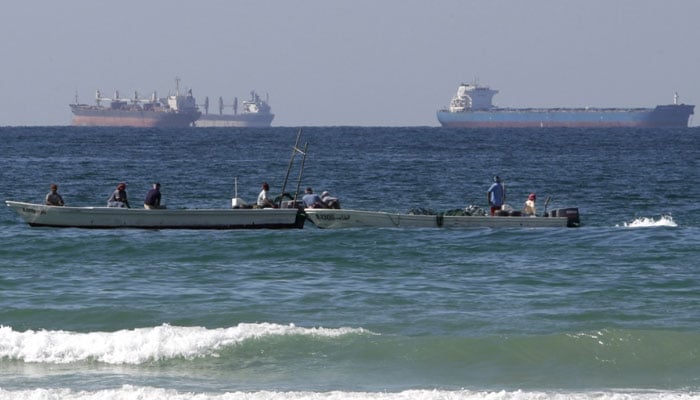
    RIYADH: Two Chinese supertankers carrying Saudi crude oil have safely passed through the Bab el-Mandeb Strait, despite growing security concerns following the Houthi movement’s recently announced naval blockade targeting Saudi-linked shipping. According to international media reports and shipping data, the vessels successfully navigated one of the world’s busiest maritime chokepoints, even as commercial shipping across the region faces mounting disruption due to escalating tensions in the Middle East. The two tankers departed earlier this week from Saudi Arabia’s Yanbu Port, transporting crude oil to China. Maritime tracking data indicated that both ships identified themselves as carrying Chinese crews, a detail analysts believe may have helped reduce the risk of interception while transiting the strategically important waterway. The successful voyage comes at a time when regional shipping routes are under increasing pressure. While the Bab el-Mandeb passage remained open for these vessels, traffic through the Strait of Hormuz has slowed significantly amid heightened geopolitical tensions and security threats. Industry monitoring organizations reported that only one oil tanker crossed the Strait of Hormuz on Thursday, marking the lowest daily traffic recorded since May 7. The sharp decline reflects growing concerns among shipping companies over the safety of vessels operating in the Gulf region. The latest developments follow the Houthis’ announcement of a naval blockade against Saudi shipping, raising fears of further disruptions to global energy supplies. The Red Sea and nearby waterways serve as vital corridors for international trade, with millions of barrels of crude oil passing through them every day. Maritime security experts say shipping companies are increasingly reassessing routes, insurance coverage, and operational risks as tensions continue to rise. Some firms have warned that insurance policies for vessels operating in high-risk conflict zones could become more expensive or even be withdrawn if security conditions deteriorate further. Although the two Chinese tankers completed their journey through Bab el-Mandeb without incident, analysts caution that the broader security situation remains highly volatile. Any escalation involving key maritime routes could have significant consequences for global oil markets, freight costs, and international supply chains. The safe passage of the vessels offers temporary reassurance for energy markets, but observers note that commercial shipping in the region remains vulnerable as geopolitical tensions persist. Governments, shipping operators, and energy traders are closely monitoring developments, with particular attention focused on the strategic waterways that connect the Gulf to global markets.

  • | | | |

    Iran warns US forces face regional expulsion

    Senior Iranian officials on Wednesday issued fresh warnings against the United States, declaring that American forces could eventually be forced out of the Middle East while linking any future reopening of the Strait of Hormuz to changes in Washington’s policies. Ebrahim Azizi, chairman of the Iranian parliament’s National Security Committee, said the removal of US military forces from the region and from countries hosting American bases was only a matter of time. In a post on X, he claimed the US would eventually have to focus its resources on securing its own territory instead of maintaining military installations abroad. The remarks came as Iranian media reported that ongoing discussions between Tehran and Oman over future navigation arrangements in the Strait of Hormuz would not automatically lead to the reopening of the strategic shipping route. According to Iranian state media, negotiations are being conducted solely between Iran and Oman, with officials insisting that the process is independent of the United States. Iranian sources maintained that even if an agreement is reached with Muscat, the waterway will remain closed unless Washington changes what Tehran describes as its hostile policies and interference. The Strait of Hormuz is one of the world’s most critical energy corridors, carrying a significant share of global oil shipments. Any disruption to traffic through the strait has the potential to affect international energy markets and regional security. Meanwhile, the United Nations expressed concern over a sharp increase in executions in Iran. UN High Commissioner for Human Rights Volker Türk said at least 56 people had been executed on national security-related charges since March, including dozens connected to protest-related cases. He warned that the growing use of capital punishment appeared aimed at creating fear within society. Regional tensions also escalated after Yemen’s Houthi movement claimed responsibility for a missile attack on the Saudi oil tanker Wafaa in the northern Red Sea. The group said the vessel was struck by ballistic missiles as part of its campaign targeting Saudi shipping. Houthi spokesman Yahya Saree claimed the movement had targeted eight Saudi oil tankers since launching its maritime blockade in late July and said dozens of other vessels had either been prevented from passing or forced to change course. Saudi authorities had not commented on the claims at the time of reporting. Separately, Iranian lawmaker Esmail Kowsari criticised US President Donald Trump’s approach toward Tehran, describing Washington’s negotiating strategy as inconsistent and unreliable. He accused the US administration of issuing conflicting statements regarding the Strait of Hormuz and Iran’s regional position. Iranian officials also blamed what they described as continued US pressure and military threats for slowing negotiations with Oman over navigation in the Strait of Hormuz, insisting that Tehran would not conclude any agreement under external pressure.

  • |

    Women allege rape, abuse at UK Army teen college

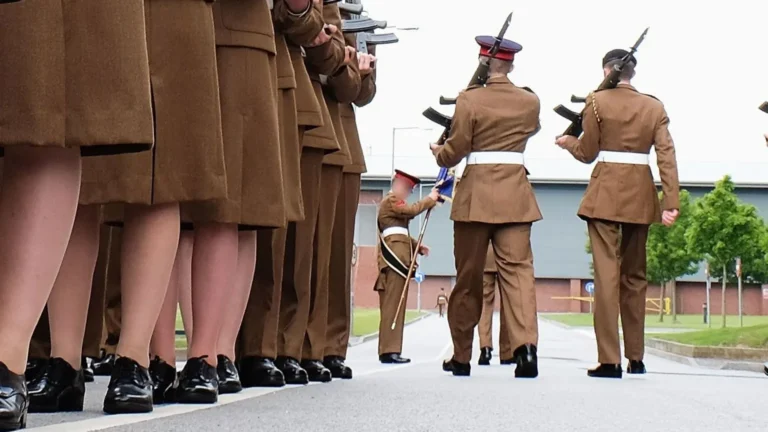
    Four former female recruits have accused the UK’s Army Foundation College (AFC) in Harrogate of fostering a culture of sexual abuse, harassment and misogyny, with one woman alleging she was raped by several fellow recruits when she was 17 years old. The women, who attended the military training college over the past five years, shared their experiences publicly for the first time. They said they faced sexual violence, harassment and degrading treatment while undergoing training at the college, which prepares teenagers for military service. One former recruit said she accepted an invitation to another recruit’s room, believing it was harmless. She alleged that several male recruits sexually assaulted and raped her over the course of several hours. The traumatic incident forced her to leave the Army within weeks, saying she could no longer continue her training after the attack. Another former recruit alleged that a fellow trainee trapped her inside a room before sexually assaulting her. She said she managed to escape after struggling with the attacker. A third former recruit’s mother said her daughter endured repeated sexual harassment throughout her training and even blocked her dormitory door at night because the room’s lock was broken and she feared male recruits entering. A fourth woman claimed some instructors openly made sexist remarks, rated female recruits based on their appearance and entered female dormitories without warning. She alleged that such behaviour encouraged disrespectful attitudes toward women among male trainees. Official data obtained through freedom of information requests revealed that police received 16 reports of sexual offences linked to the college during the year ending in June. The reported incidents included allegations of sexual assault, exposure and voyeurism. Separate Ministry of Defence figures showed that 176 complaints involving inappropriate sexual behaviour were recorded at the college between January 2018 and June 2025. Most complaints involved junior soldiers, while dozens concerned permanent staff members. The British Army described the allegations as extremely serious and distressing, stating that criminal or unacceptable behaviour has no place in the armed forces. It said several reforms have been introduced to improve victim support and strengthen the handling of serious offences, including specialist investigations conducted outside the normal chain of command. The Army also said it encourages anyone who has experienced or witnessed misconduct to report it and maintained that the college remains committed to providing a professional, safe and supportive environment for all recruits. However, concerns have grown over the safety of young recruits following previous convictions involving Army personnel for sexual offences and wider reports highlighting sexual misconduct within the armed forces.

  • | |

    Pakistan pushes for US-Iran dialogue under Islamab…

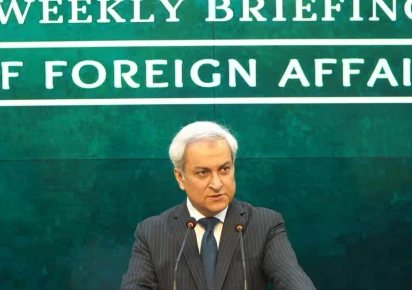
    Pakistan is continuing diplomatic efforts to bring the United States and Iran back to the framework of the Islamabad Memorandum of Understanding (MoU) in a bid to ease regional tensions and promote dialogue, the Foreign Office (FO) said on Thursday. Speaking at the weekly media briefing, Foreign Office spokesperson Tahir Hussain Andrabi said Pakistan remains actively engaged with all relevant parties to encourage the implementation of the Islamabad MoU and the Pakistan-Qatar joint understanding aimed at reducing tensions. He said negotiations are continuing to restore stability, particularly in the Strait of Hormuz, and to support efforts for de-escalation through dialogue and diplomacy. The spokesperson noted that although the region had witnessed a brief period of relative calm, the security situation remains fragile. He said Pakistan hopes the reduction in hostilities will pave the way for a lasting ceasefire and meaningful negotiations. Reaffirming Islamabad’s position, Andrabi said dialogue and diplomacy remain the only practical solution to the ongoing crisis. He added that Pakistan welcomes every initiative aimed at resuming talks between Iran and the United States and will continue to play a constructive role in regional peace efforts. He urged all sides to exercise maximum restraint and honour their commitments to resume technical-level discussions under the Islamabad MoU. Highlighting Pakistan’s recent diplomatic engagements, Andrabi said Prime Minister Shehbaz Sharif and Saudi Crown Prince Mohammed bin Salman agreed to continue close coordination for regional peace, stability and the uninterrupted movement of lawful maritime trade through the Red Sea and the Strait of Hormuz. He said Deputy Prime Minister and Foreign Minister Ishaq Dar also held separate telephone conversations with Saudi Foreign Minister Prince Faisal bin Farhan and Jordanian Foreign Minister Ayman Safadi. The discussions focused on the evolving regional situation, diplomatic cooperation and efforts to maintain peace and stability. The spokesperson said Pakistan and Kuwait also reaffirmed their longstanding partnership and agreed to expand cooperation in trade, investment, energy, information technology, agriculture, education and healthcare. He added that Kuwait’s ratification of the Pakistan-Kuwait Defence Cooperation Agreement would further strengthen defence collaboration between the two countries. Andrabi also highlighted Pakistan’s participation in the Shanghai Cooperation Organisation (SCO) Council of Foreign Ministers meeting, where Islamabad reaffirmed its commitment to regional connectivity, the China-Pakistan Economic Corridor (CPEC) and the Belt and Road Initiative while expressing readiness to assume the SCO chairmanship for 2026-27. On Pakistan-US relations, he said Ishaq Dar recently met a visiting US congressional delegation and an American business delegation, reaffirming Pakistan’s commitment to expanding bilateral cooperation through stronger parliamentary, economic and people-to-people engagement. Addressing the situation in Palestine, Andrabi said Pakistan joined several Arab and Islamic countries in condemning Israeli actions in Jerusalem and called on the international community to uphold international law, protect Palestinian rights and preserve the historical and religious status of Al-Aqsa Mosque.

  • |

    Laila Zuberi shares advice on handling marital disagreements

    Senior Pakistani actress Laila Zuberi has shared thoughtful advice on how married couples can handle disagreements, anger, and tense situations in a relationship. During a conversation with host Nida Yasir, the veteran actress discussed the importance of remaining calm when emotions run high between husband and wife. She advised women that when their husbands are angry, it may be better to avoid immediately arguing or responding in anger. According to her, reacting in the heat of the moment can sometimes make a disagreement worse rather than helping resolve it. Laila explained that when either a husband or wife becomes angry, the other person should give them some time and space to calm down. Once emotions have settled, the couple can discuss the actual reason behind the disagreement and try to find a solution through a calm conversation. The actress also shared a personal rule that she and her husband established at the beginning of their marriage. She revealed that they decided they would never go to sleep while being angry or upset with each other. According to Laila, the couple makes an effort to resolve their differences before going to bed. This includes talking through their problems, apologising when necessary, and making an effort to understand each other. She believes that addressing disagreements instead of allowing resentment to continue can help maintain a healthier relationship. However, Laila Zuberi’s comments sparked a discussion among social media users, particularly regarding her suggestion that women should remain silent when their husbands are angry. Several users questioned why the advice appeared to be directed mainly at women. They argued that maintaining peace during an argument should be a shared responsibility between both partners rather than something expected from only one person. Some social media users pointed out that if a wife is expected to remain quiet when her husband is angry, the same principle should apply when the wife is the one who loses her temper. In their view, both partners should give each other time to cool down before continuing a difficult conversation. One user offered a humorous take on the situation, suggesting that couples should simply follow a “turn-by-turn” rule. Whenever one partner becomes angry, the other should remain silent until the situation becomes calmer. Despite the debate surrounding her comments, the central message from Laila focused on communication, patience, and resolving disagreements rather than allowing anger to damage a relationship. Laila Zuberi is regarded as one of Pakistan’s veteran television actresses. Her career is linked to the early days of Pakistan Television, and she initially worked as a radio artist before moving into television during the 1980s. She gained recognition through memorable performances in several popular television productions, including Guest House. Over the years, she has appeared in numerous acclaimed dramas and established herself as a respected figure in Pakistan’s entertainment industry.

  • |

    Electricity tariff may rise by Rs1.34 per unit

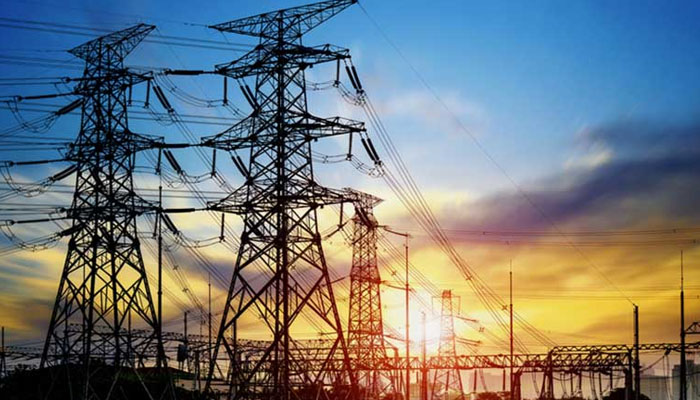
    ISLAMABAD: Electricity consumers across Pakistan may face another increase in power tariffs as the National Electric Power Regulatory Authority (NEPRA) considers a quarterly adjustment that could raise electricity prices by Rs1.34 per unit each month for three months. NEPRA has reserved its decision on a request submitted by power distribution companies seeking to recover around Rs34 billion from consumers under the quarterly tariff adjustment mechanism. According to sources, the proposed adjustment could increase the electricity tariff by Rs1.34 per unit for each of the next three months. If approved, consumers would see the additional charge reflected in their monthly electricity bills during the applicable period. The distribution companies have sought the adjustment to recover costs incurred during the relevant quarter. NEPRA reviewed the request and heard the stakeholders’ positions before reserving its decision. Sources said the regulator will conduct a detailed assessment of the claims before issuing its final decision. The authority will determine the exact amount to be passed on to consumers after reviewing the companies’ financial data and adjustment claims. The final decision will clarify whether NEPRA approves the full requested amount and how the additional cost will affect electricity consumers.

Leave a Reply

Your email address will not be published. Required fields are marked *