National

  • | |

    IHC seeks govt response over Arshad Chaiwala’s p…

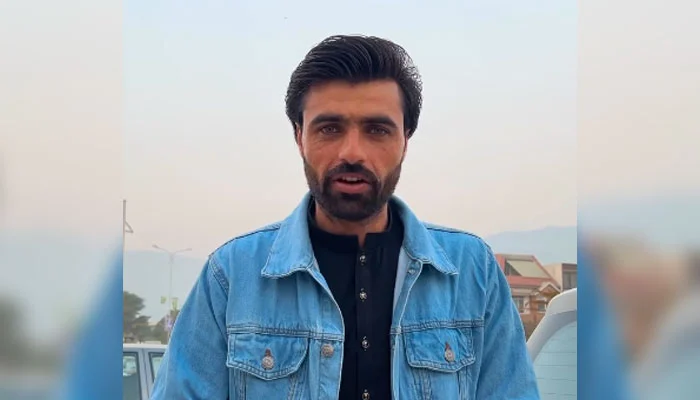
    The Islamabad High Court (IHC) has sought responses from the federal government and the Directorate General of Immigration and Passports over the reported non-renewal of the passport of Arshad Khan, popularly known as “Arshad Chaiwala.” Justice Umair Majid Malik heard the petition filed by Arshad Khan, with Barrister Umar Ejaz Gilani representing him in court. The petitioner’s counsel told the court that Arshad Khan is an entrepreneur who has promoted Pakistani culture internationally. According to the counsel, the National Database and Registration Authority (NADRA) verification board has already cleared Arshad Khan’s identity. His Computerised National Identity Card (CNIC) is also active. The court was informed that Arshad had applied for renewal of his passport on August 20, 2025. However, despite the passage of nearly a year, the renewed document had allegedly not been issued. The lawyer said Arshad had repeatedly contacted the office of the interior secretary to resolve the matter but had not received a satisfactory response. He also informed the court that a legal notice had been served on the interior secretary. Despite the notice, no response was reportedly received. Arshad has asked the high court to direct the authorities to issue his renewed passport without further delay. His petition also seeks a declaration that the continued failure to issue the passport is unlawful and violates his fundamental rights. During the hearing, Justice Umair Majid Malik observed that the court would first obtain the position of the relevant government authorities before examining the matter further. The IHC subsequently issued notices to the Director General Immigration and Passports and the federal government through the interior secretary.

  • | |

    Over 317,000 Pakistanis leave for overseas jobs

    LAHORE: More than 317,000 Pakistanis travelled abroad for employment during the first half of 2026, as economic pressures, unemployment, inflation and limited professional opportunities continue to push workers towards international job markets. Official figures show that 317,436 Pakistanis left the country for employment between January and June. Saudi Arabia remained the most popular destination, attracting 183,951 Pakistani workers during the six-month period. The United Arab Emirates ranked second with 50,773 workers, followed by Qatar with 34,025. Bahrain received 13,329 Pakistani workers, while 4,673 travelled to Türkiye for employment. Several other countries, including Cyprus, Greece, the United Kingdom and Malaysia, also attracted Pakistani workers. Of the total number, 316,848 workers completed their overseas employment registration through the Bureau of Emigration and Overseas Employment (BE&OE). Another 588 workers secured employment through the Overseas Employment Corporation (OEC). The overseas workforce includes professionals from a wide range of sectors. Doctors, engineers, IT specialists, software developers, technicians and paramedical workers are among those seeking better employment prospects abroad. Experts say the continuing outflow could have both positive and negative consequences for Pakistan. Remittances sent by overseas workers provide an important source of foreign exchange and support millions of families in Pakistan. However, the departure of skilled professionals could also create challenges for sectors already facing shortages of qualified workers. Economic difficulties are being cited as a major factor behind the growing trend. Rising living costs, unemployment, heavy taxation and limited career opportunities have encouraged many young professionals to consider leaving the country. Experts have also expressed concern over Pakistan’s technological infrastructure. They argue that inadequate digital facilities, slow or disrupted internet services and limited research opportunities make it harder for professionals and businesses to compete internationally. The high cost of higher education is another concern. Young people seeking advanced qualifications often face significant financial pressure, while limited employment opportunities after graduation can encourage them to seek careers overseas. Thousands of additional Pakistanis are reportedly preparing to leave for employment and are currently completing documentation and other formal requirements through government offices. Workers travelling abroad have also reported difficulties during the departure process at airports in Lahore, Karachi, Islamabad and other cities. The trend is not limited to blue-collar workers. A significant number of highly qualified professionals and students are also considering international opportunities. Some Pakistani students who travelled to Canada, Europe and the United States on scholarships have expressed a desire to return after completing their studies. However, they say their decision will depend on whether employment, research and professional opportunities improve in Pakistan.

  • |

    Türkiye, Saudi Arabia and Pakistan to establish new defence cooperation mechanisms

    ANKARA: Türkiye, Saudi Arabia and Pakistan are set to establish new political and military coordination mechanisms following the signing of a landmark joint defence agreement, as the three countries move to strengthen strategic cooperation amid growing security concerns in the region. Türkiye’s Defence Ministry said on Thursday that the framework agreed by the three countries would bring senior political and military leadership into a structured mechanism aimed at enhancing coordination on defence and security matters. The three nations signed the Makkah Joint Defence Agreement on August 7, marking a significant development in their security relations. The agreement comes at a time of heightened tensions across the Middle East, with the escalation of regional hostilities raising security concerns among Gulf states and other countries in the region. Under the agreement, an armed attack against any one of the three countries would be treated as an attack against all members. The provision establishes a collective-defence commitment similar in principle to the collective security arrangement contained in Article 5 of the North Atlantic Treaty Organisation (NATO). High-level political and military coordination According to the Turkish Defence Ministry, the new mechanisms will involve the defence ministers, foreign ministers and military chiefs of Türkiye, Saudi Arabia and Pakistan. The arrangement is expected to provide the three countries with a regular platform for consultations on regional security developments, defence policy and potential threats. It could also facilitate closer coordination between their armed forces and government institutions. The agreement reflects the growing strategic importance of cooperation between the three Muslim-majority countries, particularly as regional security challenges continue to evolve. Joint military exercises planned The Turkish ministry also said the three countries were planning joint military exercises under the new defence framework. Such exercises could provide opportunities for their armed forces to improve interoperability, exchange operational experience and strengthen their ability to coordinate during potential security crises. Defence cooperation is also expected to extend beyond military exercises. The Turkish side said the agreement could pave the way for greater collaboration in the defence industry, including joint production, technology sharing and other forms of industrial cooperation. The expanded defence-industry partnership could allow the three countries to explore opportunities for developing and producing defence equipment together while sharing technical expertise and capabilities. Agreement follows rising regional tensions The pact was signed against the backdrop of heightened tensions in the Middle East, which have raised concerns over the security of Gulf countries and critical energy infrastructure. The escalation has also highlighted the importance of collective security arrangements and closer coordination among regional powers. For Pakistan, the agreement represents another step towards strengthening defence and strategic ties with Türkiye and Saudi Arabia. Islamabad has traditionally maintained close military and diplomatic relations with both countries. The agreement is therefore expected to broaden cooperation from traditional bilateral defence relations towards a more structured trilateral framework involving political consultations, military coordination and defence-industrial collaboration. Pakistan’s Deputy Prime Minister and Foreign Minister Ishaq Dar has also clarified the scope and intent of the Makkah agreement, stressing the nature of the arrangement and its broader security objectives. The three countries are now expected to work out the details of the new mechanisms, including the structure of ministerial consultations, military coordination and proposed joint exercises.

  • | |

    Pakistan names 1st lunar rover ‘Jinnah-1’ ahea…

    ISLAMABAD: The Space and Upper Atmosphere Research Commission (SUPARCO) has officially named Pakistan’s first lunar rover “Jinnah-1,” marking a significant milestone in the country’s space exploration journey. The name was selected through a nationwide competition that attracted more than 4,000 suggestions from people across Pakistan. The title “Jinnah-1” was proposed by seven participants, with the final winner chosen through a draw. Seventeen-year-old Tayyab Karim from Bahawalnagar was declared the winner after submitting the name. SUPARCO said the name pays tribute to Quaid-e-Azam Muhammad Ali Jinnah and represents Pakistan’s ambition, progress and determination to explore new frontiers in space. The rover is scheduled to travel to the Moon in 2029 as part of China’s Chang’e-8 mission. Once deployed, Jinnah-1 will carry out scientific research in the lunar south polar region, contributing to Pakistan’s growing role in international space exploration. The mission is expected to provide Pakistani scientists and researchers with valuable opportunities to participate in lunar scientific studies and advance the country’s capabilities in space technology.

  • | | |

    Asim Munir, Norway FM push regional security coope…

    A high-level Norwegian delegation led by Foreign Minister Espen Barth Eide met Pakistan’s Chief of Army Staff and Chief of Defence Forces, Field Marshal Syed Asim Munir, at General Headquarters (GHQ) in Rawalpindi on Thursday. According to the Inter-Services Public Relations (ISPR), the meeting focused on matters of mutual interest, regional security and Pakistan-Norway bilateral relations. During the meeting, Field Marshal Asim Munir presented Pakistan’s perspective on global peace and regional stability. He stressed the need for greater cooperation and joint efforts to address emerging security challenges. The two sides also discussed the evolving security environment in the region and the importance of strengthening coordination between Pakistan and Norway. The Norwegian foreign minister acknowledged the role of the Pakistan Armed Forces in contributing to regional peace and stability. Both sides expressed their commitment to further strengthening bilateral relations and expanding cooperation, particularly in the fields of defence and security. The meeting comes as Pakistan continues to engage with international partners on regional security, peace and broader strategic issues. The discussions with the Norwegian delegation provided an opportunity for both countries to explore avenues for deeper institutional and defence-related engagement. The two sides reaffirmed their resolve to maintain regular engagement and enhance cooperation in areas of mutual interest.

  • | |

    Petrol pumps shut nationwide from August 15

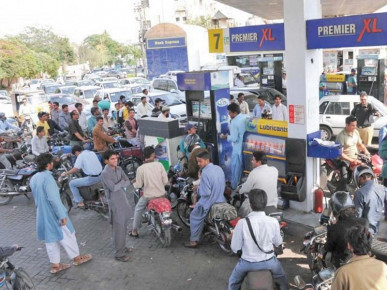
    Pakistan’s petrol dealers have announced an indefinite nationwide strike from August 15 after talks with the government failed to resolve their concerns over the fuel pricing mechanism. The Pakistan Petroleum Dealers Association (PPDA) said on Thursday that negotiations with government representatives did not produce a breakthrough. The association maintained that its major demand regarding the daily adjustment system for petroleum product prices remained unresolved. PPDA Chairman Malik Khuda Baksh said the government was unwilling to change the existing mechanism during the talks. However, officials reportedly assured the dealers that an increase of Rs1.34 in their profit margin would be considered, subject to approval from the federal cabinet. The assurance failed to convince the dealers to withdraw their strike call. According to the association, its delegation left the negotiations following the unsuccessful talks and travelled back to Karachi. An emergency meeting of the PPDA executive committee was also convened to discuss the situation. The association subsequently reaffirmed its decision to shut petrol pumps across the country from Saturday morning. The proposed shutdown could create difficulties for motorists and businesses if it continues for an extended period, particularly as another major transport strike is already affecting movement of goods across Pakistan. The All Pakistan Goods Transport Alliance has also decided to continue its nationwide strike after negotiations with the federal and Sindh governments failed to resolve transporters’ demands. Alliance President Malik Shahzad Awan said the strike had entered its sixth day and would continue until the government formally accepted the transporters’ demands and issued the required notification. He accused both the federal and provincial governments of failing to take the issue seriously. Awan said transporters would not end their protest merely on the basis of verbal assurances. At the same time, he appealed to transporters to remain peaceful and avoid blocking roads during the protest. The petrol dealers had initially announced their planned shutdown earlier this week after giving the government a 72-hour deadline to address their concerns. They had warned that the existing fuel pricing arrangement was making it increasingly difficult for dealers to operate their businesses. The dispute centres largely on the mechanism used to determine petroleum prices and the margins available to petrol pump owners. Earlier, another petrol dealers’ body had postponed a planned nationwide shutdown following talks with the petroleum ministry. The dealers had called for reforms to the fuel pricing mechanism and expressed concerns over delays in implementing previously agreed measures.

  • | |

    Wanted terrorist commander killed in Bannu operati…

    BANNU: A highly wanted terrorist commander carrying a bounty of Rs6 million has been killed during an intelligence-based operation (IBO) in Bannu, police said on Thursday. The slain militant was identified as Naseer Muhammad, alias Geedarh, according to Bannu District Police Officer (DPO) Captain (Retd.) Muhammad Furqan Bilal. The operation was jointly conducted by Bannu Police and the Counter Terrorism Department (CTD) following intelligence reports about the presence and movement of suspected terrorists in the area. Police said security teams launched targeted actions in Akbar Ali Khan Kili, Sada Khel, Sadarwan and surrounding areas under the supervision of DPO Bilal. Search and surveillance activities were also carried out during the operation. Security was strengthened in different parts of Bannu Township and areas falling within the Domel police jurisdiction. Authorities said further information about the operation and the identity and activities of the slain terrorist would be released after the operation was fully completed. The latest action is part of intensified counterterrorism operations in Bannu, where security forces have carried out several intelligence-based raids in recent weeks. On August 10, a joint operation in the Miryan area resulted in the killing of a suspected terrorist and the detention of eight others. District police, CTD, Elite Force and Pakistan Army personnel participated in that operation. According to police, the suspect killed during the August 10 operation was allegedly attempting to plant an improvised explosive device when security personnel intercepted him. Weapons and ammunition were also recovered. A similar operation was conducted in Bannu on July 20, when another suspected terrorist was killed and eight others were detained by a joint security team. The latest operation comes amid continued security concerns across Khyber-Pakhtunkhwa. The province has witnessed a series of attacks targeting police, security personnel and public infrastructure in recent months. On July 15, terrorists attacked the Miryan police station in Bannu using an explosives-laden vehicle before engaging security personnel in a prolonged gun battle. The attack left several police officers and civilians injured. Security officials have since increased surveillance and intelligence-based operations across sensitive areas of the district. Bannu and other parts of southern K-P have remained particularly vulnerable because of their proximity to the Afghan border and the continued threat posed by militant networks. The federal government has repeatedly called on Afghan authorities to prevent militant groups from using Afghan territory to plan and carry out attacks against Pakistan. The security situation has also resulted in increased operations targeting suspected militant hideouts, movement routes and support networks. Earlier incidents in Bannu included attacks on public infrastructure and attempts to damage key transport links through explosives.

  • |

    LHC warns of serious environmental consequences

    The Lahore High Court has issued a 265-page detailed judgment in cases related to smog and environmental degradation, warning that continued damage to nature could leave future generations without essential natural resources. The court said human activities have pushed the environment and climate to a critical stage. Pollution, excessive use of natural resources and environmental degradation are intensifying rapidly, making immediate and effective action necessary. The judgment stressed that environmental protection is not solely the responsibility of government departments. Citizens, institutions, businesses, educational organisations and local authorities must also play their part. The court expressed serious concern over the rapid decline in groundwater levels, describing the situation as extremely dangerous. It stressed that water remains essential for human survival and warned that its unnecessary consumption and wastage could create severe problems for future generations. The court directed relevant authorities to introduce practical measures to conserve water and reduce unnecessary consumption. As part of its water conservation measures, the court directed authorities to ensure that water used for ablution at mosques is collected instead of being wasted. The court ordered that the collected water should be reused for watering plants and greenery. It observed that even small conservation measures could have a significant impact when implemented on a large scale. The judgment highlighted the strong connection between environmental protection and fundamental human rights. The court noted that the right to a clean, healthy and sustainable environment has gained constitutional significance in Pakistan following the insertion of Article 9A into the Constitution. It called for long-term policies to protect air, water, soil, trees and other natural resources instead of relying only on temporary measures during severe smog episodes. The court warned that continued neglect of the environment could cause irreversible damage. It stressed that authorities must treat environmental protection as a permanent priority rather than responding only when smog or other environmental emergencies become severe. The Lahore High Court has issued several directions during the long-running smog case covering air pollution, tree plantation, groundwater conservation and urban environmental management. Through its continuing supervisory role, the court has also monitored the implementation of these measures by government departments and environmental bodies. The judgment called for collective action and changes in human behaviour to tackle Punjab’s growing environmental challenges and protect natural resources for future generations.

  • | |

    Hassan Nisar receives KP Youth Excellence Award

    PESHAWAR: The Khyber Pakhtunkhwa government has presented the Youth Excellence Award to Hassan Nisar, founder of Metrix Pakistan, for his efforts to promote youth development, education and skills across the province. Adviser to the Chief Minister on Sports and Youth Affairs Taj Muhammad Tarand presented the award during a ceremony at Sahibzada Abdul Qayum Hall, University of Peshawar, held to mark International Youth Day. The Directorate of Youth Affairs organised the event, which brought together government officials, students, entrepreneurs and youth representatives. Hassan Nisar, who hails from Khanpur, Haripur, founded Metrix Pakistan in 2022. Since then, the organisation has arranged workshops, training sessions and educational programmes for young people in various parts of KP, particularly underserved communities. Its initiatives cover digital marketing, artificial intelligence, blockchain, entrepreneurship and other technology-related fields, helping thousands of young people gain practical skills and knowledge. Much of the organisation’s work focuses on areas outside major cities, where young people often have limited access to education, technology and professional opportunities. Speaking at the ceremony, Taj Muhammad Tarand praised Hassan Nisar’s efforts to empower young people and contribute to the province’s development. Secretary Sports and Youth Affairs Muhammad Asif and Director Youth Affairs Abbas Khan Afridi also recognised his contributions. Hassan Nisar said the award encouraged him and his team to continue expanding educational and skills-development opportunities for young people, especially those from underserved communities.

  • | |

    At UN Summit, Tanweer Ahmed demands global action …

    American Pakistani businessman and analyst Tanweer Ahmed has called for greater investment in young people and urged governments, businesses and international institutions to ensure that artificial intelligence (AI) expands opportunities rather than deepens existing inequalities. Addressing a Youth and AI Summit at the United Nations on International Youth Day 2026, Ahmed said young people should be viewed not only as beneficiaries of development but also as innovators, decision-makers, community leaders and partners in shaping the future. He described AI as a defining force of the Fourth Industrial Revolution, saying rapid advances in artificial intelligence, robotics, data, connectivity, biotechnology and automation were transforming economies and societies at an unprecedented pace. Ahmed said the impact of AI would extend across education, healthcare, public services, entrepreneurship, security and employment, creating both challenges and opportunities for the younger generation. He highlighted the growing importance of digital skills, creativity, adaptability, ethical decision-making and technological confidence in preparing young people for future jobs. “Talent is everywhere. Opportunity is not,” he said, stressing that young people in cities such as Karachi, Nairobi, Riyadh and Dhaka could possess the same potential as those living in major global technology centres but often lacked equal access to resources and opportunities. According to Ahmed, AI could help bridge this gap by allowing students to access knowledge beyond traditional classrooms, entrepreneurs to reach international markets and researchers to process information at unprecedented speeds. However, he cautioned that technological progress alone would not guarantee equal opportunity. Access to education, skills, credentials and technology must also be expanded to prevent AI from worsening existing inequalities. Pakistan’s AI potential Speaking about Pakistan, Ahmed said the country’s large young population could become a major economic strength if properly prepared for the emerging digital economy. He pointed to initiatives including ACT AI — Awareness, Competency and Tools Training for Artificial Intelligence, associated with the state-owned enterprise AXI. The programme focuses on practical AI capabilities, including generative AI, agentic AI systems, productivity tools, automation and sector-specific applications. Ahmed emphasised the importance of making AI education accessible to young people from different academic backgrounds, including those without previous programming or AI experience. He said young Pakistanis should be equipped to use AI not only for education and employment but also for entrepreneurship, public service and innovation. He also highlighted the role of MicroCerts, a government-backed initiative aimed at providing accessible and market-oriented skill certifications. Ahmed argued that traditional university degrees would continue to be valuable, but rapidly changing technology required young people to keep learning throughout their careers. Micro-certifications, he said, could help workers demonstrate specific skills and create new pathways to employment, freelancing, entrepreneurship and further education. Youth urged to become AI creators Ahmed said young people should not be trained merely to consume AI technologies. Instead, they should learn to develop, question, govern and innovate with AI while understanding its ethical and social consequences. He stressed that technology could not replace human compassion, character, judgement and responsibility. “AI can process enormous amounts of information,” he said, while emphasising that decisions about the kind of society humanity wants to build must remain a human responsibility. He also called for stronger international cooperation to develop common skills frameworks, support youth-led innovation and expand access to recognised digital credentials. Governments, universities, technology companies, international organisations and civil society, he said, must work together to ensure young people can participate meaningfully in the AI-driven economy. Ahmed further stressed that technological development must be accompanied by environmental responsibility, noting that AI systems, data centres and cloud computing require significant infrastructure and energy. Addressing young people around the world, he urged them to actively shape the future rather than wait for it. He called on the younger generation to learn emerging technologies, develop solutions, create businesses and communities, and use AI with a clear sense of purpose. Who is Tanweer Ahmed, the Pakistani-American philanthropist? Pakistani-American businessman and philanthropist Tanweer Ahmed has attracted renewed attention in Pakistan following his reported $9 million contribution to the National University of Sciences and Technology (NUST) and his recent appearance alongside senior Pakistani officials in the United States. Ahmed, who is based in Houston, has built a diverse business portfolio in the United States while also becoming involved in philanthropy, education, healthcare and cricket. His recent contribution to NUST is aimed at supporting talented students from financially disadvantaged backgrounds. The endowment is expected to provide scholarships to deserving students each year, with a particular focus on fields such as artificial intelligence, information technology, science and other emerging technologies. Ahmed has said his objective is to ensure that talented Pakistani students are not deprived of quality education because of financial difficulties. He has also expressed plans to expand similar scholarship initiatives to other educational institutions. The businessman has also supported infrastructure and technology-related initiatives at NUST, including the development of facilities intended to strengthen research and innovation. His philanthropic activities extend beyond education. Ahmed has been associated with healthcare initiatives in Pakistan and has supported efforts aimed at providing assistance to communities affected by natural disasters. He also drew attention for his role in relief efforts following the devastating floods that struck Pakistan in 2022. He has been credited with helping mobilise substantial humanitarian assistance for flood-affected communities. Ahmed’s business journey began after he moved to the United States as a student. According to accounts of his career, he initially worked in restaurants and at gas stations while trying to establish himself. He later moved through several positions in the American fast-food industry. His career accelerated after he joined Jack in the Box as a shift manager. His performance and business approach helped him move into senior management positions, eventually leading to opportunities in the Taco Bell franchise system. Ahmed later expanded into franchising and developed a large portfolio of food outlets across several US states. His business interests have also extended into insurance, energy, transportation and other sectors. Over the years, he has developed a reputation as an entrepreneur who combines commercial ventures with philanthropic activities. Ahmed