National

  • | |

    Current system has lost public trust, reset is ine…

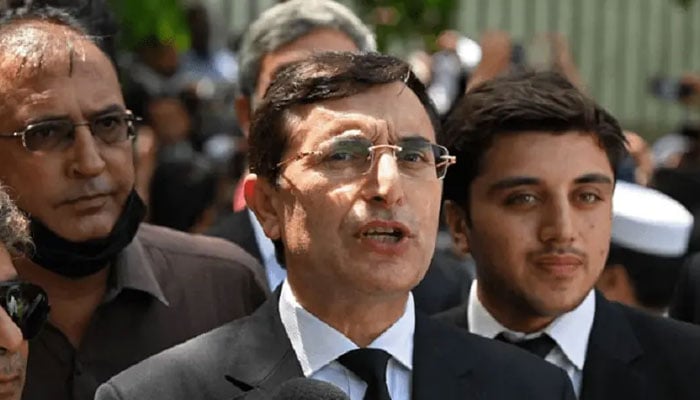
    Barrister Gohar Ali Khan, Chairman of the Pakistan Tehreek-e-Insaf (PTI), said the country’s current political system has lost the confidence of the public and requires a complete reset to restore democratic credibility. Speaking to the media outside Adiala Jail in Rawalpindi, Barrister Gohar said that instead of forming more governments under the existing circumstances, the leadership should return to the people and seek a fresh public mandate. He claimed that a key coalition partner had publicly described the prime minister as the beneficiary of a rigged election. According to Gohar, such a statement should have prompted the prime minister to immediately seek a vote of confidence in the National Assembly. The PTI chairman argued that the prime minister failed to obtain a vote of confidence and had therefore lost the moral legitimacy to continue in office. He added that the prime minister’s silence on the issue reflected a loss of political support and public confidence. Barrister Gohar further alleged that the government’s administrative structure had effectively collapsed. He claimed the government had lost its constitutional, legal and democratic standing, making the continuation of the current system increasingly difficult. He said the time had come for the existing political system to come to an end, adding that the Constitution provides a legal mechanism for moving a vote of no confidence. He said PTI would consult its allies before deciding its future course of action. The PTI chairman also said he believed the Pakistan Peoples Party (PPP) had emerged from a disputed electoral process. Calling for a political solution, Barrister Gohar urged all stakeholders to develop a national consensus to resolve the country’s ongoing political crisis. He stressed that Parliament should seriously address the public demands coming from all provinces.

  • | |

    Sindh to launch EV taxi service in September

    Sindh’s Senior Minister Sharjeel Inam Memon chaired a meeting of the Transport and Mass Transit Department, where officials approved the launch of an electric vehicle (EV) taxi service in September and the induction of 50 double-decker buses in October as part of efforts to modernize public transport across the province. According to a spokesperson for the Transport Department, the meeting also decided to introduce 1,000 electric buses in phases by the end of the current year. The initiative aims to expand environmentally friendly public transport and improve commuting facilities for residents. The meeting further approved new routes for the Peoples Bus Service, connecting Larkana to Qambar and Qambar to Shahdadkot, to improve transport links in northern Sindh. Officials briefed the provincial minister on the progress of various transport and mass transit projects during the meeting. Sharjeel Memon directed authorities to complete the construction of all depots for the Red Line Bus Rapid Transit (BRT) project within the scheduled timeline. He also instructed officials to ensure the early operational launch of the new Peoples Bus Service routes between Larkana, Qambar and Shahdadkot. The minister confirmed that the Sindh government’s EV taxi service will begin operations in September. He added that the planned fleet of 1,000 electric buses will be introduced gradually to strengthen the province’s public transport network. He also announced that 50 new double-decker buses are expected to arrive in Karachi in October, providing commuters with improved and modern travel facilities.

  • | |

    Errors found in Mir Raza Ali’s initial post-…

    Fresh discrepancies have emerged in the initial post-mortem report of young businessman Mir Raza Ali, raising concerns that the investigation into his death could be compromised. According to medico-legal sources, several inconsistencies were identified after examining photographs of the body, prompting questions about the accuracy of the preliminary findings. Sources said the images showed a small gunshot wound on the lower back and a larger wound on the chest. They added that the injuries appeared inconsistent with the details recorded in the initial post-mortem report. The photographs also reportedly showed the fingers of the victim’s left hand tightly clenched around broken grass, while suspicious marks were observed on the right hand. Medico-legal officials said these details could be significant for the ongoing investigation. According to the sources, another visible injury was found beneath the victim’s chin, which was also not adequately addressed in the preliminary examination. The report further suggested that the body was approximately 24 to 36 hours old at the time it was examined. Sources familiar with the findings said the gunshot entry wound appeared larger than the exit wound in the report, while the photographs indicated the bullet had entered from the back and exited through the front. They stressed that these contradictions require further forensic review. Officials also noted that the body appeared swollen in the photographs and the face was severely disfigured. They said a detailed examination of the head could have helped determine the exact cause of the facial injuries and provided additional forensic evidence. The discrepancies have raised concerns that flaws in the initial post-mortem documentation may affect the direction and credibility of the investigation.

  • KP governor visits Swat blast victims, vows to fight terrorism

    SWAT : Governor Khyber Pakhtunkhwa Faisal Karim Kundi on Tuesday visited Swat where he inquired after the victims injured in the recent suicide blast at Saidu Sharif Hospital, reaffirming the government’s resolve to eliminate terrorism and provide the best possible medical care to the wounded. During his visit to the hospital, the Governor met the injured, prayed for their early recovery and expressed solidarity with the affected families. Commissioner Malakand Masood Ahmad, Regional Police Officer (RPO) Syed Fida Hassan Shah, senior officials of the district administration, police and other relevant departments accompanied the governor. Governor Kundi reviewed the medical facilities being provided to the injured and directed the hospital administration to ensure the best possible treatment for all victims. He said the pain and suffering of those injured in the “cowardly terrorist attack” was shared by the entire province and the nation, adding that the government stood firmly with the affected families and would always remember the sacrifices of the martyrs and the injured in the fight against terrorism. Later, the Governor visited the office of the RPO Malakand where he was briefed on the overall law and order situation in Malakand Division, ongoing counter-terrorism measures, police preparedness, security challenges and the strategy to combat terrorism. He also offered prayers for the departed souls of the martyrs and patience for their bereaved families. Talking to media, Governor Kundi paid tribute to the police and security forces for their bravery and steadfastness in combating terrorism over the years. He said the country had yet to fully equip the police with modern weapons and the resources required to effectively tackle the menace, stressing that the federation, provinces and all political forces must demonstrate complete unity against terrorism. The Governor alleged that terrorists were receiving support and facilitation from across the border and reiterated that Afghan territory should not be allowed to be used against Pakistan. He further alleged that India and Israel were attempting to exploit Afghan soil against Pakistan and said the issue had been raised at international forums. Governor Kundi said attacks on mosques, educational institutions and public places were completely against the teachings of Islam, adding that there would be no negotiations with terrorists and the state would confront them with full force. He said Pakistan had successfully foiled India’s attempts to portray it as a terrorist state through effective diplomacy and added that the country’s constructive role in easing tensions between Iran and the United States had earned international recognition, reinforcing its image as a peace-loving country committed to regional peace and stability.

  • | |

    Punjab CNF seizes 24.7 tonnes of narcotics worth R…

      Lahore, August 4, 2026: The Punjab Counter Narcotics Force (CNF) has intensified its crackdown on drug trafficking across the province, achieving significant success in recent intelligence-led operations. The campaign is being carried out under the special directives of Punjab Chief Minister Maryam Nawaz Sharif as part of the government’s commitment to building a “Drug-Free, Healthy and Safe Punjab.” Over the past two weeks, the CNF conducted 85 intelligence-based operations across the divisions of Lahore, Dera Ghazi Khan, Rawalpindi, Gujranwala, Faisalabad, Bahawalpur and Sargodha. These coordinated raids targeted major drug trafficking networks operating in different parts of the province. The operations resulted in the arrest of 93 suspected drug traffickers, while authorities recovered approximately 296 kilograms of narcotics with an estimated market value of more than Rs. 53.4 million. Officials described the operations as a major step toward curbing the illegal drug trade and improving public safety. The seized narcotics included a wide range of illegal substances such as hashish, opium, cannabis (weed), crystal meth (Ice), poppy straw, cocaine, heroin and five litres of illicit liquor. In addition to narcotics, the CNF recovered a significant cache of weapons from the suspects. These included 13 pistols, two sub-machine guns (SMGs), four rifles and seven drones that investigators believe were being used to facilitate criminal activities and drug distribution. Director General of the Punjab Counter Narcotics Force, Commander Brigadier Mazhar Iqbal, said the Force’s success should not only be measured by the quantity of drugs confiscated but also by its ability to dismantle organised drug trafficking networks across Punjab. He noted that the CNF continues to rely on modern intelligence gathering, professional expertise and coordinated operational planning to identify and eliminate criminal groups involved in the narcotics trade. He further highlighted the Force’s overall performance since it became operational in August 2025. According to the Director General, the Punjab CNF has recovered a cumulative 24.7 tonnes of narcotics valued at more than Rs. 2.23 billion. He described these achievements as evidence of the provincial government’s zero-tolerance policy against narcotics and the effectiveness of its law enforcement strategy. Commander Brigadier Mazhar Iqbal also credited the Force’s progress to close coordination among various law enforcement agencies, which has strengthened efforts to combat drug trafficking and disrupt criminal organisations operating throughout the province. Reaffirming the CNF’s commitment, the Director General said the Force will continue to launch vigorous and indiscriminate operations against drug dealers and traffickers. He stressed that intelligence-driven policing, enhanced operational capabilities and sustained enforcement efforts will remain central to achieving the government’s vision of a province free from the menace of narcotics. Punjab authorities have reiterated that the fight against drugs remains a top priority, emphasizing that continued action against traffickers is essential to protecting communities, safeguarding young people and ensuring a healthier and safer future for the province.

  • 20-kanal government land deal faces Parliament scrutiny

    Islamabad: A long running agreement involving government land, a private training institute and millions of rupees came under intense scrutiny as lawmakers questioned the terms of the Hazza Institute of Technology arrangement during a meeting of the National Assembly Standing Committee on Federal Education and Professional Training. Members raised serious questions over how a private institute continued operating on government provided land, why the agreement was extended for another 15 years and whether public interest was fully protected in the deal. The committee was informed that around 20 kanals of land were provided to Hazza Institute under a Public Private Partnership model, but lawmakers questioned whether the government was receiving proper benefits from the arrangement. The issue was discussed during the 25th meeting of the committee after members raised concerns about repeated projects being given to the same institute and questioned whether Hazza had received special preference over other organisations. The Executive Director of the National Vocational and Technical Training Commission (NAVTTC), Muhammad Amir Jan, rejected allegations of favouritism and said no institution was being supported unfairly. He told the committee that decisions regarding Hazza were made by previous administrations and that he was responsible for dealing with the existing agreement according to government rules. According to the briefing, the Hazza Institute project started in 2010 under a Public Private Partnership model. A Saudi Arabia based training company along with its local partner was selected after a process at that time. Under the original plan, the government was supposed to provide land and invest Rs 340 million through the Workers Welfare Fund. Officials informed the committee that while the land was provided, the planned investment was not released. The agreement was later rewritten in 2018 by the National Training Bureau, which transferred responsibilities to NAVTTC. The new arrangement continued for 15 years starting from 2018 and would remain effective until 2033. During the meeting, members questioned why the government did not take action earlier to review or end the agreement. The committee members asked for details of the agreement and questioned why a private organisation was allowed to continue using government property without clear financial benefits for the state. NAVTTC officials explained that the agreement was legally valid and the institute was considered an authorised occupant under the existing contract. However, the Executive Director admitted that some terms of the agreement were one sided and needed to be reviewed. He informed the committee that under the agreement, the government had limited powers to remove the institute before the completion period. Officials said efforts were now underway to renegotiate the terms and ensure that the government receives proper value from the land the institute is using. The committee was informed that NAVTTC had already taken back around 4,000 square feet of built up space from the total area for establishing a NAVTTC incubation centre. The official said the total built up area was around 20,000 square feet and explained that under the Built Operate Transfer model, ownership would eventually return to the government after the agreement period ends. The financial side of the matter also came under discussion. Officials informed the committee that Hazza was linked with an overseas training programme and was expected to train thousands of young Pakistanis for foreign employment opportunities. The committee was told that the institute was involved in a programme targeting 4,000 trainees, out of which 780 had already completed training and moved forward. The Executive Director stated that no additional funds would be released unless the programme produced results and overseas employment targets were achieved. He also informed the committee that disputes and complaints involving Hazza had reached different forums, including government platforms, with competing groups filing complaints against each other. Members demanded greater transparency and said that government land and public resources must be managed in a way that protects national interest. The committee also questioned the extension of the agreement period, noting that the original partnership documents from 2010 and 2011 had different timelines. Officials explained that the agreement was revalidated in 2018, restarting the 15 year period from that year. The committee directed NAVTTC to review the matter carefully and provide a progress report after two months. Chairperson Mahtab Akbar Rashdi said the committee wanted practical action and clear decisions rather than further delays. She stressed that while investment made by private partners should be considered, government interests and accountability must remain the priority.

  • | |

    Ishaq Dar to attend Jerusalem ministerial meeting …

    Deputy Prime Minister and Foreign Minister Ishaq Dar will travel to Jordan to participate in a ministerial meeting focused on the worsening situation in occupied Jerusalem, reaffirming Pakistan’s diplomatic support for the Palestinian cause. According to the Foreign Office, the meeting, scheduled for August 5, will bring together foreign ministers from Arab League member states and several Islamic countries to discuss recent developments in Jerusalem and coordinate a unified response to the evolving situation. The Foreign Office said Dar is attending the meeting at the invitation of Jordan’s Deputy Prime Minister and Foreign Minister Ayman Safadi. During the visit, participating foreign ministers are also expected to meet Abdullah II to discuss regional developments and ongoing efforts aimed at addressing the challenges facing the Palestinian people. On the sidelines of the conference, Ishaq Dar is expected to hold bilateral meetings with several foreign ministers to exchange views on regional issues, including the humanitarian situation in Palestine and broader Middle East developments. The Foreign Office described Pakistan’s participation as a reflection of its longstanding and principled support for the Palestinian people. It reiterated Pakistan’s position in favor of an independent, sovereign and contiguous State of Palestine based on the pre-1967 borders, with East Jerusalem (Al-Quds Al-Sharif) as its capital. Pakistan has consistently condemned actions that it says threaten the historical and legal status of Islamic and Christian holy sites in Jerusalem, including repeated incursions into the Al-Aqsa Mosque compound.

  • | | |

    Fazl says Naqvi couldn’t speak without PM&#8…

    Jamiat Ulema-e-Islam (F) chief Maulana Fazlur Rehman has said Interior Minister Mohsin Naqvi could not have made recent remarks without consulting the prime minister, while calling for a national policy to address the country’s political and administrative challenges. Addressing a press conference in Quetta, Fazlur Rehman said there was no comprehensive national policy to improve the country’s current situation. He said the proposal to create new provinces should be considered carefully in light of Pakistan’s administrative structure and overall capacity. He said creating new provinces was not a bad idea in principle, but stressed that it was not a simple process and required serious consideration of the country’s political, constitutional and financial realities. The JUI-F chief alleged that new political debates were often introduced to divert public attention from pressing national issues. He urged Mahmood Khan Achakzai to convene a meeting of the joint opposition to discuss the country’s political situation. Fazlur Rehman said if such a meeting was not called, his party would organize a broader national-level conference to deliberate on the challenges facing the country. He warned that democracy could not flourish if governments continued to be formed according to individual preferences rather than the public mandate. He further said democratic institutions had weakened and Parliament was no longer functioning effectively. According to him, Pakistan must be governed strictly in accordance with the Constitution to restore public confidence. Calling for a fair and nationally inclusive policy, Fazlur Rehman said the country needed governance based on justice and equality. He also confirmed that JUI-F had decided not to join the government in Balochistan. Commenting on provincial politics, he said JUI-F remained the country’s largest public political movement and added that he had no knowledge of any proposal regarding Abdul Malik Baloch becoming the next chief minister of Balochistan.

  • | |

    MQM-P groups resume talks after Bahadurabad clash

    Differences between two groups within the Muttahida Qaumi Movement-Pakistan (MQM-P) have led to renewed contacts and negotiations between the rival factions, according to party sources. The dispute reportedly surfaced after a party meeting at the MQM-P headquarters in Bahadurabad, Karachi. Tensions escalated during the incident, with members of one group allegedly engaging in a physical confrontation with MPA Ijazul Haq, party leader Zakir, and their supporters. MQM-P leader Aminul Haq claimed that members of the opposing group also resorted to intense aerial firing during the confrontation. He said one party worker sustained injuries in the firing, while several others were hurt as a result of stone-pelting. Following the escalation, senior leaders from both sides have started communicating with each other in an effort to ease tensions and resolve their differences through dialogue. Party sources said the two groups are currently holding discussions and exploring ways to settle the dispute. The sources added that the two factions may hold a joint press conference within the next 48 hours. During the press conference, the leadership is expected to outline the party’s future course of action and announce decisions aimed at addressing the internal differences. The developments come as the party seeks to prevent further escalation and restore unity among its ranks following the clash at the Bahadurabad headquarters.

  • |

    Petrol, diesel prices may fall further

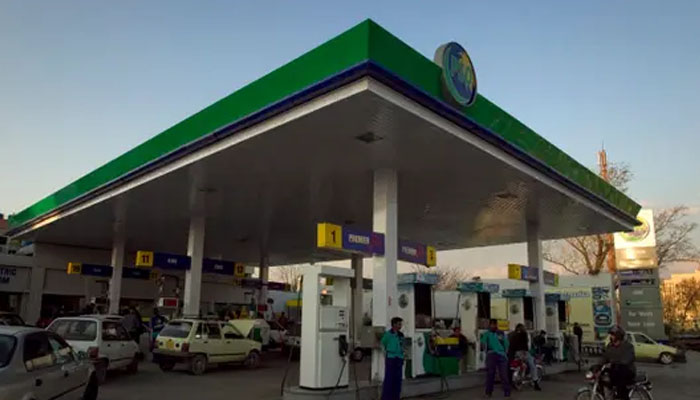
    Petroleum product prices in Pakistan may see another reduction from August 5, offering potential relief to consumers already facing high fuel costs. According to sources within the Oil and Gas Regulatory Authority (OGRA), the price of petrol could decrease by Rs3.39 per litre, while high-speed diesel may become cheaper by Rs4.07 per litre. The latest calculations suggest that the price of petrol could fall to approximately Rs328.56 per litre after the proposed reduction. Similarly, the price of high-speed diesel may come down to an estimated Rs385.86 per litre. OGRA sources said the initial working for the possible price adjustment has been completed. The final decision, however, will depend on the government’s review of the latest calculations and other relevant factors before announcing the new prices. The possible reduction comes shortly after the government announced a cut in petroleum prices. In the previous adjustment, the government reduced the price of petrol by Rs4.08 per litre, while the price of diesel fell by Rs2.45 per litre. If the latest proposed cuts receive approval, consumers could see another decline in fuel prices within a short period. A reduction in petrol prices would directly benefit motorists and households that rely on private vehicles for daily commuting. Lower diesel prices could also provide some relief to the transport sector, as diesel powers a large number of commercial vehicles, buses, trucks and other heavy transport used to move people and goods across the country. A decline in fuel prices may also help reduce pressure on transportation and logistics costs. Since diesel plays a major role in the movement of agricultural produce, industrial goods and essential commodities, any reduction in its price could potentially ease some of the cost burden on businesses and consumers. However, the impact of the proposed reduction on overall inflation will depend on several factors, including transportation costs, exchange rate movements and international oil prices. The government is expected to announce the final petroleum prices after completing its review and approving the new rates. The expected adjustment comes as consumers continue to closely monitor fuel prices because of their direct impact on household budgets and the cost of everyday goods and services. Any further reduction in petrol and diesel prices could provide some short-term financial relief to the public and businesses.