title Story

  • | | | |

    Petrol down Rs3.39, diesel Rs4.07

    The federal government has announced another reduction in petroleum prices, lowering the rates of both petrol and high-speed diesel (HSD) effective August 5 under the recently introduced daily fuel pricing mechanism. According to a notification issued by the Ministry of Petroleum, the price of petrol has been reduced by Rs3.39 per litre, bringing the new rate to Rs328.56 per litre. The price of high-speed diesel has also been cut by Rs4.07 per litre, with the revised rate set at Rs385.86 per litre. The latest reduction follows a similar decrease announced a day earlier, reflecting continued adjustments under the government’s daily fuel price review system. The new pricing mechanism, introduced on July 17, determines fuel prices using a seven-day average of international oil market rates. The policy aims to align domestic petroleum prices more closely with global market trends and allow quicker adjustments in response to fluctuations in crude oil prices. Pakistan remains heavily dependent on imported crude oil and refined petroleum products, making local fuel prices highly sensitive to movements in international energy markets. Changes in global oil prices directly affect the country’s import bill, foreign exchange reserves and inflation. Energy analysts say international petroleum prices continue to be influenced by geopolitical developments, including tensions in the Middle East, decisions by OPEC+ countries, sanctions on major oil producers and disruptions in key global shipping routes. These factors can significantly impact crude oil prices and transportation costs, ultimately affecting domestic fuel prices in Pakistan.

  • | | |

    Ishaq Dar lands in Jordan for key Palestine talks

    AMMAN: Pakistan’s Deputy Prime Minister and Foreign Minister Ishaq Dar arrived in Jordan’s capital, Amman, on Wednesday to participate in a high-level ministerial meeting focused on the situation in the occupied Palestinian territories, as Islamabad steps up its diplomatic engagement on the ongoing Middle East crisis. According to Pakistan’s Foreign Office, Dar was received at the airport by Jordanian Foreign Ministry Director Suja Al-Majali and Pakistan’s Ambassador to Jordan Khurram Sarfraz, marking the start of an important diplomatic visit. During his stay, Dar is scheduled to attend the ministerial conference on occupied Jerusalem, where regional leaders and foreign ministers are expected to discuss the worsening humanitarian situation in Palestine, recent developments in the region, and coordinated diplomatic efforts aimed at achieving peace and stability. The deputy prime minister is also expected to hold a meeting with King Abdullah II of Jordan, one of the Middle East’s leading voices on the Palestinian issue. The discussions are likely to focus on the latest regional developments, Pakistan-Jordan bilateral ties, and cooperation on matters of mutual interest. In addition, Dar will meet several foreign ministers on the sidelines of the conference to exchange views on the humanitarian crisis in Gaza, the broader Palestinian issue, and international efforts to secure a lasting ceasefire and political solution. Pakistan has consistently reiterated its support for the Palestinian people and has called for an immediate end to violence, unrestricted humanitarian assistance, and the establishment of an independent Palestinian state based on pre-1967 borders, with East Jerusalem as its capital. Dar’s visit is being closely watched as Pakistan continues to strengthen diplomatic coordination with regional partners while advocating for peace, stability, and justice for the Palestinian people on international forums.

  • | | |

    Pakistan, US boost anti-terror partnership

    Pakistan and the United States have reaffirmed their commitment to expanding cooperation against terrorism during the fourth round of the Pakistan-US Counterterrorism Dialogue held in Washington. The meeting brought together senior officials from both countries to discuss the changing regional and global security situation. The dialogue was led by Pakistan’s Special Secretary Ambassador Nabeel Munir and the US Coordinator for Counterterrorism, Ambassador Gregory LoGerfo. Both sides reviewed the current terrorist threat environment. They exchanged views on security challenges facing the region. Officials also explored practical ways to strengthen cooperation in tackling terrorism and violent extremism. A joint statement issued after the meeting said both countries share a common interest in defeating terrorist organisations. It added that Pakistan and the United States remain committed to working together to improve regional and international security. The discussions focused on strengthening border security and improving coordination between the two countries. Officials also discussed measures to disrupt terrorist financing and facilitation networks. They agreed that closer cooperation is essential to prevent terrorist groups from expanding their activities. During the dialogue, both delegations identified several militant organisations that continue to threaten regional peace and stability. These included ISIS-Khorasan (ISIS-K), Al Qaeda, Tehreek-i-Taliban Pakistan (TTP), and the Balochistan Liberation Army (BLA), along with affiliated groups. Both governments reaffirmed their determination to confront these organisations and protect their citizens from terrorism. The two countries also agreed to deepen cooperation through bilateral engagement and multilateral platforms. They stressed the importance of intelligence sharing, information exchange, and joint efforts to improve counterterrorism capabilities. Pakistan’s Foreign Office said the two sides held detailed discussions on regional and global terrorist threats. Both countries pledged to enhance collaboration in addressing security challenges and maintaining regional stability. The latest dialogue reflects improving relations between Islamabad and Washington after years of strained ties following the withdrawal of US forces from Afghanistan in 2021. Since then, both countries have gradually rebuilt engagement by focusing on areas of mutual interest instead of past differences. Besides counterterrorism, Pakistan and the United States have increased cooperation in trade, investment, climate change, and regional peace. Officials from both countries believe continued dialogue is essential to strengthen bilateral relations and promote long-term stability.

  • | | | |

    Trump says Hormuz reopening near, warns Iran of consequences

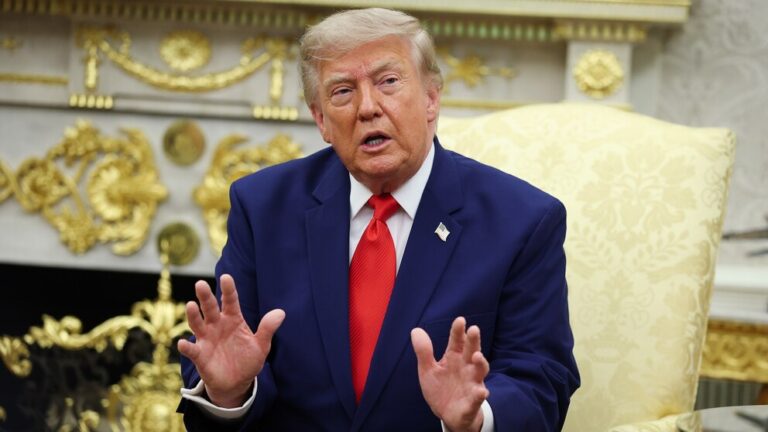
    US President Donald Trump has said the Strait of Hormuz could reopen “very soon” as diplomatic efforts with Iran continue, while warning that Tehran would face a strong military response if negotiations fail. Speaking during an interview with Fox News, Trump expressed optimism about the ongoing talks, saying discussions had made significant progress. He claimed Iranian representatives had requested negotiations at a time when the United States was preparing for a large-scale military operation. According to Trump, Washington agreed to engage in dialogue after receiving signals from Tehran that it was willing to negotiate. He stressed that the United States remains committed to preventing Iran from acquiring nuclear weapons and said abandoning the talks would have serious consequences. The US president said negotiators spent the entire day in discussions and described the atmosphere as positive. He added that a successful agreement could help restore normal shipping through the Strait of Hormuz, one of the world’s most important energy routes. Trump also suggested that reopening the strategic waterway would ease pressure on global energy markets. He said lower oil prices could eventually translate into cheaper fuel costs for consumers and urged energy companies to reduce gasoline prices if market conditions improve. Speaking later to reporters in California, Trump said developments with Iran were moving in the right direction and indicated that greater clarity on the negotiations could emerge within the next 48 hours. Diplomatic efforts are reportedly being supported by regional mediators, including Oman and Qatar. Discussions are focused on restoring safe maritime navigation through the Strait of Hormuz while reducing tensions between Washington and Tehran. However, Iranian officials have maintained that progress depends on an end to US threats and continued respect for Iran’s sovereignty. The Strait of Hormuz is a vital global shipping lane through which a significant share of the world’s oil and liquefied natural gas exports passes. Any disruption to traffic through the waterway has immediate consequences for international energy markets and global trade. Financial markets reacted positively to reports of progress in the negotiations. Oil prices declined while Asian stock markets advanced on expectations that a diplomatic breakthrough could reduce regional tensions and restore uninterrupted shipping. Meanwhile, reports from Israel indicated growing concern over Washington’s diplomatic approach. Some Israeli officials reportedly believe the United States is prioritising a negotiated settlement with Iran, although no official Israeli government statement has confirmed those claims.

  • | | |

    Pakistan marks Kashmir Exploitation Day

    Pakistan observed Kashmir Exploitation Day on August 5, with political leaders reaffirming their support for the people of Indian-administered Kashmir and describing India’s actions of August 5, 2019, as illegal and contrary to international law and United Nations resolutions. Deputy Prime Minister and Foreign Minister Ishaq Dar said Pakistan remains committed to supporting the Kashmiri people’s right to self-determination. In his message, he stated that India’s unilateral constitutional changes made on August 5, 2019, were unlawful and pledged Pakistan’s continued moral, political and diplomatic support for Kashmiris. He also urged India to reverse all measures that altered the disputed region’s constitutional status. The Foreign Office said Pakistan continues to observe Kashmir Exploitation Day to highlight the events of August 5, 2019. A spokesperson praised the courage, resilience and sacrifices of the people of Indian-administered Kashmir and reiterated Islamabad’s support for their cause. Punjab Chief Minister Maryam Nawaz paid tribute to the families of those who lost their lives during the Kashmir conflict and urged the United Nations and international human rights organisations to take notice of alleged human rights violations in the region. She said Pakistan would never accept the constitutional changes introduced by India in 2019. Sindh Chief Minister Syed Murad Ali Shah said India’s actions were against United Nations Security Council resolutions and called on the international community to play a greater role in protecting human rights in Kashmir. Senate Chairman Syed Yousaf Raza Gilani condemned India’s August 5 measures, saying attempts to alter the region’s demographic composition and identity were unacceptable. In Peshawar, a solidarity rally led by Khyber Pakhtunkhwa Governor Faisal Karim Kundi was held from the Civil Secretariat to the Governor House. Government employees and people from different walks of life participated in the event. Addressing the rally, Kundi said Pakistan would continue to stand with the people of Kashmir and support their aspirations. Sindh Home and Law Minister Zia-ul-Hassan Lanjar said the use of force and restrictions could not weaken the determination of the Kashmiri people. Sindh Assembly Speaker Owais Qadir Shah also urged the United Nations to play a more effective role in addressing the situation. Jamaat-e-Islami chief Hafiz Naeem ur Rehman said the struggle of the Kashmiri people would continue until the dispute is resolved in accordance with United Nations resolutions. Senator Sherry Rehman praised the resilience and determination of Kashmiris, while Federal Minister Amir Muqam, speaking at a rally in Islamabad, reiterated Pakistan’s support for Kashmir and criticised India’s policies in the disputed territory. PPP Parliamentarians Secretary General Nayyar Bukhari also condemned India’s 2019 constitutional changes, saying they had failed to suppress the Kashmiri people’s demand for self-determination and warning that such policies could undermine regional peace.

  • | | |

    Roads sealed around Karachi Press Club ahead of PT…

    Several roads surrounding the Karachi Press Club were closed on Wednesday as authorities implemented security measures ahead of a possible protest by Pakistan Tehreek-e-Insaf (PTI), causing traffic congestion in nearby areas. According to traffic police, the closures have led to increased vehicle movement on surrounding roads as commuters seek alternate routes. Officials said the diversions were introduced to ensure a smooth flow of traffic and minimise disruption during the expected demonstration. Traffic coming from MR Kiani Chowrangi has been redirected towards Thana Gali, while vehicles approaching Fawara Chowk are being diverted to Aiwan-e-Sadr Road and Zainab Market. Authorities have also rerouted traffic from the Coast Guard area towards the lane leading to the Passport Office to ease congestion around the Press Club. Traffic police have advised motorists to follow the designated diversion plans and cooperate with officials on duty to avoid delays. The precautionary measures come amid expectations of a PTI protest in the city, with law enforcement agencies maintaining heightened security in and around the area to ensure public safety and maintain order.

  • | | | |

    Iran warns US forces face regional expulsion

    Senior Iranian officials on Wednesday issued fresh warnings against the United States, declaring that American forces could eventually be forced out of the Middle East while linking any future reopening of the Strait of Hormuz to changes in Washington’s policies. Ebrahim Azizi, chairman of the Iranian parliament’s National Security Committee, said the removal of US military forces from the region and from countries hosting American bases was only a matter of time. In a post on X, he claimed the US would eventually have to focus its resources on securing its own territory instead of maintaining military installations abroad. The remarks came as Iranian media reported that ongoing discussions between Tehran and Oman over future navigation arrangements in the Strait of Hormuz would not automatically lead to the reopening of the strategic shipping route. According to Iranian state media, negotiations are being conducted solely between Iran and Oman, with officials insisting that the process is independent of the United States. Iranian sources maintained that even if an agreement is reached with Muscat, the waterway will remain closed unless Washington changes what Tehran describes as its hostile policies and interference. The Strait of Hormuz is one of the world’s most critical energy corridors, carrying a significant share of global oil shipments. Any disruption to traffic through the strait has the potential to affect international energy markets and regional security. Meanwhile, the United Nations expressed concern over a sharp increase in executions in Iran. UN High Commissioner for Human Rights Volker Türk said at least 56 people had been executed on national security-related charges since March, including dozens connected to protest-related cases. He warned that the growing use of capital punishment appeared aimed at creating fear within society. Regional tensions also escalated after Yemen’s Houthi movement claimed responsibility for a missile attack on the Saudi oil tanker Wafaa in the northern Red Sea. The group said the vessel was struck by ballistic missiles as part of its campaign targeting Saudi shipping. Houthi spokesman Yahya Saree claimed the movement had targeted eight Saudi oil tankers since launching its maritime blockade in late July and said dozens of other vessels had either been prevented from passing or forced to change course. Saudi authorities had not commented on the claims at the time of reporting. Separately, Iranian lawmaker Esmail Kowsari criticised US President Donald Trump’s approach toward Tehran, describing Washington’s negotiating strategy as inconsistent and unreliable. He accused the US administration of issuing conflicting statements regarding the Strait of Hormuz and Iran’s regional position. Iranian officials also blamed what they described as continued US pressure and military threats for slowing negotiations with Oman over navigation in the Strait of Hormuz, insisting that Tehran would not conclude any agreement under external pressure.

  • | | |

    PTI protest in Karachi triggers clashes, arrests a…

    KARACHI: Supporters of Pakistan Tehreek-e-Insaf (PTI) staged a protest near Fawara Chowk in Karachi to express solidarity with the party’s founder, leading to clashes with police and widespread traffic disruptions across the city. According to reports, PTI workers pelted police with stones during the demonstration. In response, police used tear gas and baton charges to disperse the protesters. The unrest forced nearby businesses to shut down, while commuters and residents faced significant inconvenience. Police detained several PTI leaders and workers, including PTI Sindh Secretary General Dr Masroor Sial. The protest caused severe traffic congestion around Governor House, Metropole, and Shaheen Complex. Authorities closed multiple roads to traffic, including the stretch from M.R. Kiani Road to Fawara Chowk and Din Muhammad Wafai Road. The route from Coast Guard to Regal Chowk and Sarwar Shaheed Road was also closed. In addition, the road from M.T. Khan Road towards PIDC remained blocked. Traffic restrictions were also imposed on both tracks of Zamzama Street and Khayaban-e-Shamshir, as well as both sides of Sir Shah Suleman Road from Quba Masjid, Ghareebabad, to Liaquatabad. Motorists were advised to use alternative routes as authorities worked to manage the situation.