देश-विदेश

  • | | | | |

    Israel won’t leave Gaza until Hamas disarms, Pea…

    JERUSALEM: Israeli forces will not withdraw from the Gaza Strip until Hamas is fully disarmed, according to Nikolay Mladenov, following high-level talks with Israeli Prime Minister Benjamin Netanyahu. The remarks came after a meeting in West Jerusalem between Mladenov, who heads the US-backed Board of Peace, and Netanyahu, where the two sides discussed the future of Gaza, regional security and the implementation of a proposed peace framework. According to a statement issued by the Board of Peace, reports suggesting that Israel had agreed to withdraw from Gaza before Hamas is disarmed are inaccurate. The organization stressed that the Israeli military’s withdrawal would only take place once Hamas had surrendered all of its weapons, including both light and heavy arms, and dismantled its network of underground tunnels. “The objective is clear and leaves no room for ambiguity,” the Board of Peace said in a statement shared on social media. It added that the long-term goal is the complete removal of weapons from the Gaza Strip and the transition toward civilian governance capable of maintaining stability and security. The meeting also highlighted concerns raised by Israeli political leaders regarding the peace initiative recently announced by the US president. While details of the proposal have not been fully disclosed, Israeli officials reportedly voiced reservations about aspects of the plan during discussions with Mladenov. Meanwhile, Hamas rejected the latest position, insisting that implementation of any agreement would remain impossible unless Israel fulfills its own obligations under the proposed framework. The group argued that both parties must comply with agreed commitments for any lasting ceasefire or political settlement to succeed. According to a news agency report citing two people familiar with the discussions, Mladenov also urged Netanyahu to halt Israeli military operations in Gaza, emphasizing the importance of reducing violence and creating conditions for diplomatic progress. Despite a ceasefire announced in October 2025, Israeli military operations in Gaza have continued, with both sides accusing each other of violating understandings reached under previous agreements. The continued fighting has complicated international efforts to revive negotiations and address the humanitarian situation in the territory. The latest statements underscore the deep divisions that continue to hinder peace efforts, with disarmament, security guarantees and governance remaining among the most contentious issues in negotiations over Gaza’s future.
  • |

    Drone attack near Moscow kills 5, injures 6

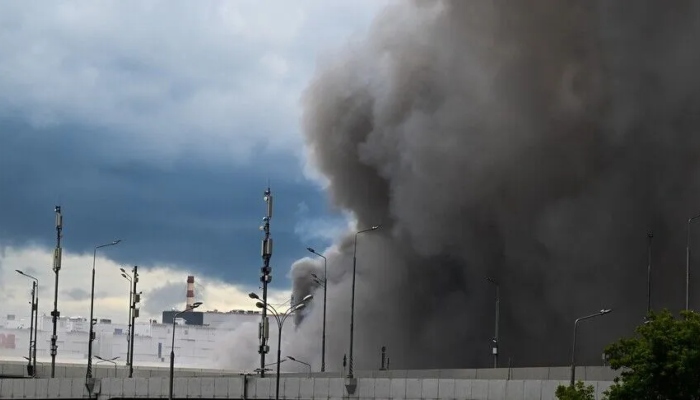
    A drone attack in the Moscow region has killed at least five people and left six others critically injured, according to Russian news agencies. The attack reportedly struck an area near the Russian capital, causing a fire inside a warehouse. The blaze added to the damage caused by the drone strike and prompted emergency responders to move quickly to the scene. Rescue workers and medical teams are assisting those affected by the incident, while the injured victims have been taken for medical treatment. Officials have described the condition of six injured people as critical, raising concerns that the death toll could increase in the coming hours. Authorities are assessing the extent of the damage and continuing emergency operations at the site. The exact circumstances surrounding the drone attack, including the origin of the drones and the intended target, have not yet been fully established. The incident comes amid heightened security concerns in and around Moscow, where drone attacks have periodically targeted the Russian capital and surrounding areas. Such incidents have prompted authorities to strengthen air-defence measures and increase security around key infrastructure and industrial facilities. Russian officials are expected to provide further details as emergency teams complete their work and investigators examine the scene. The latest attack has once again highlighted the growing security challenges posed by drone warfare and its potential impact on civilian areas and critical facilities.

  • |

    Bangladesh seeks India’s clarification over Hasina speech

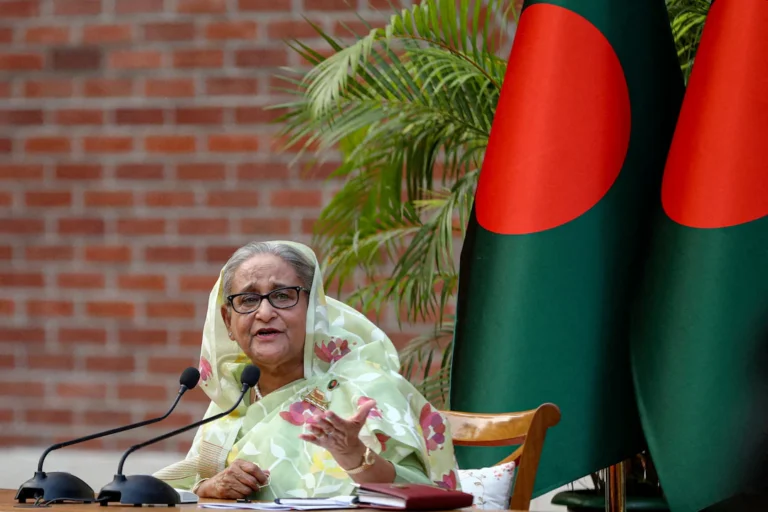
    DHAKA: Bangladesh has asked India to clarify its position over a planned virtual address by former prime minister Sheikh Hasina, saying political activities by a fugitive could undermine efforts to improve relations between the two neighboring countries. The request comes ahead of an event scheduled for August 5 in New Delhi, where Hasina is expected to deliver a video address alongside her son, Sajeeb Wazed Joy, during a programme organized by the Foreign Correspondents’ Club of South Asia. Bangladesh’s State Minister for Foreign Affairs Shama Obaed Islam said Dhaka is committed to strengthening ties with India but believes New Delhi should clearly explain its stance regarding political activities by individuals wanted by Bangladeshi authorities. She said Bangladesh has repeatedly expressed concerns over Hasina and other leaders of the Awami League making political statements while residing in India. According to the minister, Dhaka does not want such activities to negatively affect the progress made in bilateral relations. The minister noted that the event is not being organized by the Indian government but added that Bangladesh is prepared to raise the matter through diplomatic channels if required. India’s Ministry of External Affairs had not issued an official response to the remarks at the time of reporting. Relations between Bangladesh and India have remained under strain since Hasina left Bangladesh in August 2024 following a student-led uprising that ended her tenure in office. Although both countries have recently indicated a willingness to rebuild diplomatic engagement, the issue of Hasina’s stay in India continues to be a sensitive matter. Bangladesh has formally requested Hasina’s extradition to face legal proceedings. In 2025, she was sentenced to death in absentia over crimes against humanity linked to the 2024 crackdown on anti-government protests. Hasina has rejected the verdict, describing it as politically motivated and without legal validity. Despite the legal cases against her, Hasina has said she intends to return to Bangladesh in the future, while her planned virtual appearance has once again brought the issue of her presence in India into the diplomatic spotlight.

  • |

    South Korea heatwave death toll rises to 16

    South Korea is facing an intense heatwave that has claimed at least 16 lives so far this year, as soaring temperatures continue to put millions of people at risk. According to data released by the South Korean Ministry of the Interior and Safety, 2,025 people suffered from heat-related illnesses between May 15 and August 2. Of those affected, 16 people died from complications linked to the extreme heat. The country has experienced a sharp rise in temperatures over the past week, with daily heat records broken three times. On Sunday, the city of Yangsan recorded a temperature of 42.5 degrees Celsius, marking the highest temperature ever recorded in South Korea. Authorities have also issued a severe heatwave warning for the capital, Seoul, where temperatures are expected to climb close to 40 degrees Celsius again. Officials have urged residents to take precautions, particularly during the hottest hours of the day, and to stay hydrated while limiting outdoor activities. The extreme weather has raised concerns for vulnerable groups, including older adults and people with disabilities. To protect those most at risk, medical workers are monitoring the health of around 63,000 highly vulnerable individuals across the country. Officials are encouraging citizens to avoid prolonged exposure to the sun, drink plenty of water and seek medical assistance if they experience symptoms such as dizziness, weakness, confusion or unusually high body temperature. The latest figures highlight the growing impact of the prolonged heatwave, with authorities continuing to closely monitor conditions and take measures to reduce the risks associated with extreme temperatures.

  • |

    US democrat challenges antisemitism claims over Israel aid

    US Democratic politician Abdulrahman Mohamed El-Sayed has pushed back against attempts to portray criticism of US funding for Israel as antisemitic, arguing that invoking concerns about antisemitism to defend the actions of a foreign government ultimately harms Jewish Americans. Speaking during an interview with a US host, El-Sayed said that criticism of government policies should not automatically be dismissed as hatred against a religious or ethnic community. He stressed that the fight against antisemitism must continue alongside efforts to combat Islamophobia and other forms of discrimination. El-Sayed argued that both antisemitism and Islamophobia represent serious challenges that society must confront rather than use as political tools. He said Americans should be able to question how public funds are being spent, particularly when those funds support the military policies of another country. “We cannot remain silent and ignore why the United States provides billions of dollars in annual assistance and how that support is being used,” he said, questioning whether American aid should contribute to policies he described as involving racial segregation. The Democratic politician also criticized Washington’s approach to military assistance, saying the US should not provide unconditional support to any foreign government. He argued that American involvement in the war in Gaza over the past several years was not inevitable and that Washington should have taken a more critical approach to its relationship with Israel. El-Sayed’s comments reflect a broader debate within the Democratic Party and across the United States over American military and financial support for Israel. While supporters of Israel argue that US assistance helps protect a key ally and supports its security, critics have called for stricter conditions on aid and greater scrutiny of Israel’s military actions. The remarks also highlight the growing political debate over how to distinguish legitimate criticism of Israeli government policies from antisemitism, while ensuring that concerns about antisemitism are not dismissed or minimized.

  • | | |

    Pakistan seeks early refinancing of $1.3 billion C…

    ISLAMABAD: Pakistan has formally requested China to speed up the refinancing of a $1.3 billion commercial loan as Islamabad seeks to strengthen its foreign exchange reserves and ease pressure on its external financing position. According to sources, Pakistani authorities are currently holding discussions with their Chinese counterparts to complete the refinancing process at the earliest. The two sides are working to finalize the required terms, conditions, and procedural requirements. Officials expect the refinancing arrangements to conclude soon, with the funds likely to reach Pakistan within the current month if the remaining formalities are completed on schedule. Sources within the Ministry of Finance said the government expects the timely arrival of the funds to provide much-needed support to the country’s foreign exchange reserves. The refinancing would also help Pakistan manage its external debt obligations without placing additional pressure on its existing reserve position. Pakistan made external payments of around $2.2 billion in July, including the repayment of approximately $1.3 billion in Chinese commercial financing. The government now seeks to refinance the repaid amount to maintain liquidity and strengthen its financial position. The move comes as Pakistan continues to manage its external financing requirements and maintain adequate foreign exchange reserves to meet upcoming debt repayments and other international payment obligations. The successful completion of the refinancing deal with China would offer temporary relief to the country’s external account and support overall financial stability.

  • | |

    Deadly heatwave sweeps South Korea, claims 16 live…

    SEOUL: South Korea is grappling with one of the most intense heatwaves in its recorded history, with at least 16 people losing their lives and more than 2,000 others suffering from heat-related illnesses as extreme temperatures continue to grip the country. According to South Korean authorities, the nation recently recorded its highest temperature in 122 years of weather observations, with the southern city of Yangsan reaching a scorching 42.5°C. For the first time, officials have issued an extreme heat warning for the capital, Seoul, highlighting the severity of the ongoing weather conditions. President Lee Jae Myung has instructed government agencies to step up emergency measures to protect vulnerable groups, including the elderly, outdoor workers, and people with underlying health conditions. He also directed officials to closely monitor the country’s electricity supply as soaring demand for cooling systems places added pressure on the power grid. Climate experts say the unprecedented heat is being driven by a combination of persistent high-pressure weather systems and the growing impact of climate change, which has intensified extreme weather events across the region. Authorities continue to urge residents to limit outdoor activities, stay hydrated, and take precautions as the record-breaking heatwave shows little sign of easing.

  • | | |

    Pezeshkian says Iran seeks peace, not wider conflict

    Iranian President Masoud Pezeshkian has said that Iran has no intention of prolonging the current conflict or expanding it beyond its existing scope. However, he made it clear that the country will continue to defend its sovereignty, territorial integrity and national interests against any threat. Speaking at a ceremony in Tehran, the president said Iran’s policy is based on protecting its borders while avoiding any unnecessary escalation. He stressed that the country does not seek war but will not hesitate to respond if its security or independence is challenged. Pezeshkian said maintaining national security is not only the responsibility of the armed forces but also depends on the unity and solidarity of the Iranian people. He urged citizens to set aside political and social differences and work together to strengthen the country during a difficult period. The president said internal unity is one of the strongest defenses against foreign interference. According to him, divisions within society can create opportunities for outside powers to influence domestic affairs. He added that a united nation is better equipped to face political, economic and security challenges. He emphasized the need to build a strong and stable society where people enjoy confidence in national institutions and where hostile elements cannot create unrest or weaken public trust. He said Iran must focus on strengthening its social fabric to prevent enemies from exploiting internal disagreements. Pezeshkian also called for greater national cooperation to overcome current challenges. He said every segment of society has a role to play in safeguarding the country’s future and preserving stability. The Iranian president reiterated that his government remains committed to protecting the country’s borders and national interests while pursuing policies that avoid a wider regional conflict. He said Iran’s priority is to maintain security, preserve national unity and prevent conditions that could lead to further instability.

  • | | |

    Hezbollah slams Israel talks as ‘humiliation’

    Hezbollah Secretary-General Sheikh Naim Qassem has strongly criticized direct negotiations between Lebanon and Israel, describing the dialogue as a series of “concessions” that have failed to serve Lebanon’s national interests. Speaking during an Arbaeen commemoration in the Lebanese city of Baalbek, Qassem said the ongoing negotiations had brought “humiliation and repeated compromises” rather than meaningful progress. He urged Lebanese leaders to avoid external pressure and instead pursue policies that safeguard the country’s sovereignty. The Hezbollah chief also criticized President Joseph Aoun, claiming the president had failed to play a neutral and unifying role during the current political situation. Qassem argued that Lebanon’s leadership should engage in dialogue with domestic political forces rather than making concessions to achieve foreign policy objectives. He further claimed that Israeli attacks were halted only after a memorandum linked to efforts between Iran and the United States helped reduce tensions. According to Qassem, Lebanon’s political leadership would not achieve lasting stability by following policies influenced by outside powers. Meanwhile, Iranian President Masoud Pezeshkian reiterated that Iran remains committed to defending its territorial integrity but has no intention of expanding the ongoing conflict beyond its borders. Addressing a gathering in Tehran, Pezeshkian said Iran would continue protecting its national security while focusing on strengthening internal unity. He stressed that a united society would leave no opportunity for foreign interference or attempts to create divisions within the country. The latest statements come as uncertainty continues over possible diplomatic contacts between Iran and the United States. US President Donald Trump recently said discussions with Tehran were underway and described them as a final opportunity to reach an agreement. However, Iranian officials denied that any negotiations were currently taking place or that formal meetings had been scheduled. The conflicting statements have added to uncertainty over future diplomatic efforts to ease regional tensions. The regional situation has also affected global energy markets. Saudi energy giant Aramco reported a sharp rise in second-quarter earnings, saying higher oil prices and supply disruptions linked to the regional conflict significantly boosted its financial performance. The company said it maintained production despite challenging conditions across the region.

  • |

    North Korea issues fresh warning to US allies

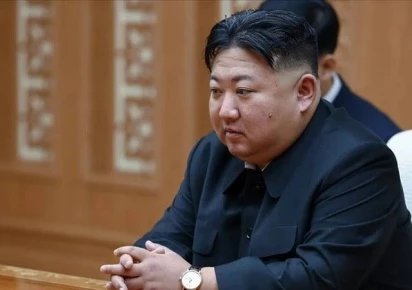
    PYONGYANG: North Korea has accused the United States, Japan and South Korea of creating a new security crisis in the Asia-Pacific, claiming their expanding military cooperation is increasing regional tensions and threatening stability. In a commentary published by the state-run Korean Central News Agency (KCNA), a military commentator alleged that the three allies are strengthening their joint combat capabilities through large-scale military exercises and closer defence coordination. The statement specifically criticized the recently concluded Rim of the Pacific (RIMPAC) naval exercise, describing it as a rehearsal for military aggression rather than a routine multinational drill. According to North Korean officials, the exercise involved more than 30,000 personnel, over 30 warships, five submarines and nearly 190 aircraft. Pyongyang claimed the United States is attempting to strengthen its military influence across the Asia-Pacific with the support of Japan and South Korea. It also objected to recent US-South Korea air force and logistics exercises, plans to expand American military command structures in Japan and the deployment of advanced US missile systems in the region. North Korea warned that it would respond to what it described as growing military threats by further strengthening its own deterrence capabilities. Officials said any increase in external pressure would be met with corresponding defensive measures. Separately, North Korea’s Foreign Ministry rejected recent accusations by the United States and its allies that Pyongyang poses a growing cyber threat. The ministry dismissed the allegations as politically motivated and without evidence. A foreign ministry spokesperson argued that the United States has been expanding military activities in cyberspace through cyber commands, joint cyber exercises and the use of artificial intelligence in defence operations. The spokesperson claimed Washington, rather than Pyongyang, was contributing to rising tensions in the cyber domain. North Korea reaffirmed that it would continue taking measures to safeguard its national security and protect its development interests against what it described as increasing pressure from Western countries.