US democrat challenges antisemitism claims over Israel aid
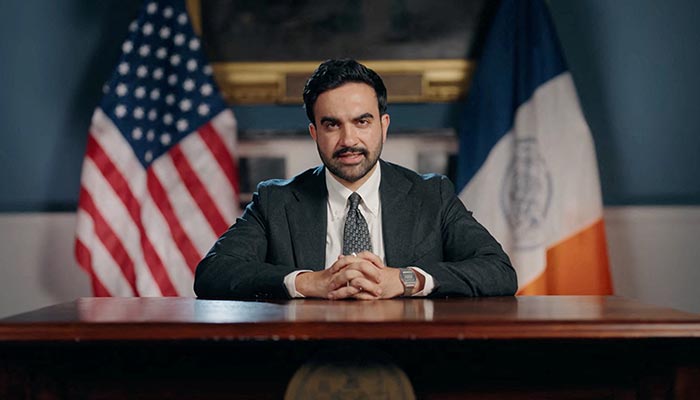
US Democratic politician Abdulrahman Mohamed El-Sayed has pushed back against attempts to portray criticism of US funding for Israel as antisemitic, arguing that invoking concerns about antisemitism to defend the actions of a foreign government ultimately harms Jewish Americans.
Speaking during an interview with a US host, El-Sayed said that criticism of government policies should not automatically be dismissed as hatred against a religious or ethnic community. He stressed that the fight against antisemitism must continue alongside efforts to combat Islamophobia and other forms of discrimination.
El-Sayed argued that both antisemitism and Islamophobia represent serious challenges that society must confront rather than use as political tools. He said Americans should be able to question how public funds are being spent, particularly when those funds support the military policies of another country.
“We cannot remain silent and ignore why the United States provides billions of dollars in annual assistance and how that support is being used,” he said, questioning whether American aid should contribute to policies he described as involving racial segregation.
The Democratic politician also criticized Washington’s approach to military assistance, saying the US should not provide unconditional support to any foreign government. He argued that American involvement in the war in Gaza over the past several years was not inevitable and that Washington should have taken a more critical approach to its relationship with Israel.
El-Sayed’s comments reflect a broader debate within the Democratic Party and across the United States over American military and financial support for Israel. While supporters of Israel argue that US assistance helps protect a key ally and supports its security, critics have called for stricter conditions on aid and greater scrutiny of Israel’s military actions.
The remarks also highlight the growing political debate over how to distinguish legitimate criticism of Israeli government policies from antisemitism, while ensuring that concerns about antisemitism are not dismissed or minimized.