Rome talks continue despite fresh Israel-Lebanon c…
JERUSALEM: Fresh violence erupted along the Israel-Lebanon border on Wednesday after two Israeli soldiers were killed during a military operation in southern Lebanon, prompting retaliatory Israeli airstrikes even as diplomatic talks aimed at reducing tensions continued in Rome.
The latest escalation comes despite a US-brokered security arrangement reached in June, which was intended to ease hostilities between Israel and Lebanon following months of cross-border clashes.
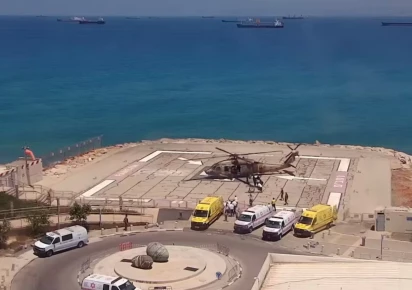
According to Israeli authorities, the two soldiers were killed and four others wounded when an explosion ripped through a building they had entered during a security sweep inside southern Lebanon. Israeli Army Radio, citing a security source, reported that investigators were still trying to determine whether the explosive device had been planted before or after the ceasefire agreement.
Soon after the incident, the Israeli military described the explosion as a “blatant ceasefire violation” and launched a series of retaliatory strikes targeting areas in southern Lebanon.
Lebanese officials said one civilian was killed and at least 12 others were injured after Israeli strikes hit the town of Tibnin, around 25 kilometres from Mansouri. Before the attack, the Israeli military issued an evacuation warning for residents in the area—the first such online warning directed at Lebanon in more than a month.
However, Israel’s tone appeared to soften a day later. In a statement mourning the soldiers, Defence Minister Israel Katz did not directly accuse Hezbollah or refer to a ceasefire violation, signalling that Israeli authorities may be seeking to avoid a wider military escalation.
Israel continues to maintain a buffer zone inside southern Lebanon, saying its forces are operating there to eliminate threats posed by the Iran-backed Hezbollah movement and to enhance border security.
Meanwhile, diplomatic efforts remain underway in Rome, where Israeli and Lebanese officials are participating in talks that began on Tuesday and are scheduled to continue through Thursday. The negotiations are focused on strengthening the June security arrangement and preventing further violence along the volatile frontier.
The renewed bloodshed underscores the fragile nature of the ceasefire and highlights the challenges facing mediators seeking lasting stability in the region. While both sides have expressed interest in preventing a broader conflict, sporadic violence continues to threaten the progress made through recent diplomatic initiatives.
With negotiations still in progress and tensions remaining high, regional observers fear that any further incidents along the border could quickly undermine the fragile peace and derail ongoing efforts to maintain security between the neighbouring countries.