देश-विदेश

  • |

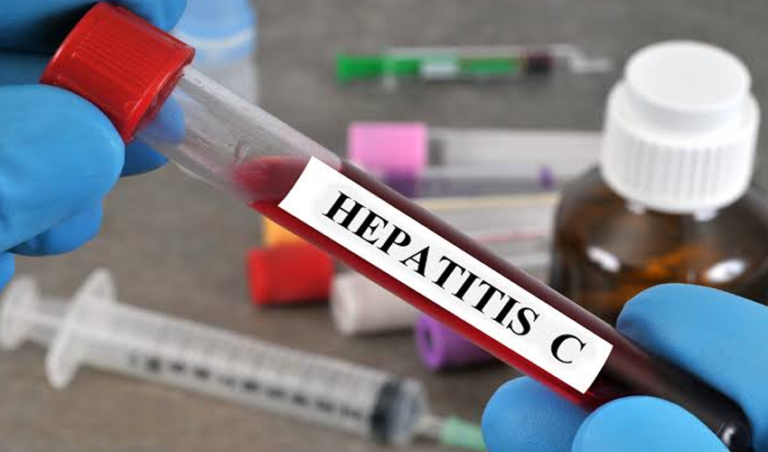
    England on track to eliminate hepatitis C by 2030

    More than 100,000 people in England have received potentially life-saving treatment for hepatitis C in the past decade, as the NHS steps up efforts to eliminate the virus as a public health threat by 2030. New NHS figures show that more than 100,000 people have been diagnosed and treated since pioneering antiviral medicines were introduced in 2015, putting England among a handful of countries that have already exceeded the World Health Organisation benchmark of treating 80% of known hepatitis C cases. (NHS England) Hepatitis C is a viral infection that can damage the liver and, if left untreated, can lead to serious and potentially life-threatening conditions including cirrhosis, liver failure and liver cancer. The infection can remain undetected for years because many people experience no noticeable symptoms until significant liver damage has already occurred. However, modern treatment has transformed the disease. A free course of antiviral tablets lasting between eight and 12 weeks can cure more than 95% of cases. The NHS says effective treatment could reduce the number of people requiring liver transplants by 80% over the next decade, while also reducing cases of liver cancer and cirrhosis. Deaths from hepatitis C have already fallen by 36% over the past ten years. (NHS England) NHS urges people at risk to get tested The latest figures have prompted the NHS to urge people who may be at greater risk of having undiagnosed hepatitis C to order a free and confidential home-testing kit. Those particularly encouraged to test include people who have moved to England from certain Eastern European countries, anyone who has had a tattoo abroad, and people who currently use or have previously used injectable drugs. Adults born in Ukraine, Romania, Estonia, Latvia, Poland, Albania, Lithuania, Bulgaria, Czechia and Slovakia are also being urged to test. The NHS says some people from these countries may have been exposed to the virus through medical or dental procedures before 1991, when modern sterilisation standards were introduced. The free home-testing service is designed to reach people who may not otherwise come into contact with drug and alcohol services, sexual health services, GPs or A&E departments. Thousands of hidden cases identified The NHS has significantly expanded hepatitis C testing over the past five years. A first-of-its-kind programme offering hepatitis C testing to patients having blood tests in participating A&E departments has identified around 1,900 previously undiagnosed cases since 2022. GP practices are also asking new patients whether they received a blood transfusion before 1996, helping identify people who may have been infected through the contaminated blood scandal. The treatment programme was made possible on a large scale following a landmark 2019 agreement between the NHS and pharmaceutical companies Gilead Sciences, MSD and AbbVie, which enabled access to modern curative treatments. (NHS England) ‘Determined to finish the job’ Professor Frankie Swords, NHS national medical director, said hepatitis C could cause serious harm including liver failure and cancer, while many people could remain unaware they have the virus. He said treating more than 100,000 people in a decade was a major achievement but stressed that the NHS would continue looking for people with undiagnosed infections. “England is now leading the world in the mission to eliminate this disease and on course to beat the WHO’s 2030 target,” Professor Swords said. He added that the NHS was “determined to keep up the momentum and finish the job”. “With hepatitis C curable in more than nine out of ten cases, we are committed to finding and treating everyone who needs support,” he said. (NHS England). Patient urges others to take the test Among those treated is 65-year-old Paul Eatwell from Blackburn, Lancashire, who discovered he had hepatitis C after routine liver-function tests following a change of GP. His new doctor ordered additional tests, including screening for hepatitis C. Paul said he initially could not believe the result because he had no symptoms and could not understand how he might have contracted the virus. The precise source of his infection was never established, although possible risk factors included surgery in South Africa several decades ago. He said the specialist team helped answer his questions and reassured him about the condition. Paul said treatment was far less difficult than he had imagined, involving one tablet a day for 12 weeks and several blood tests. He urged anyone who believes they may have been exposed to hepatitis C to get tested, saying that knowing their status could provide peace of mind. ‘Leading the world’ Health and Social Care Secretary Yvette Cooper said the progress demonstrated the impact of NHS treatment and prevention programmes. She said hepatitis C was now curable in the vast majority of cases and described the UK’s progress as part of efforts to “wipe out this disease for good”. “This is exactly the kind of preventative, forward-looking healthcare that we want the NHS to deliver across the board – catching illness earlier, easing pressure on hospitals, and giving people the chance to live longer, healthier lives,” Cooper said. (NHS England. Dr Sema Mandal, deputy director of Blood Safety, Hepatitis, STIs and HIV at the UK Health Security Agency, said the sharp fall in cases since 2015 demonstrated the impact of expanded testing and access to modern treatments. She said treating more than 100,000 people in ten years had brought England closer than ever to eliminating hepatitis C as a public health threat. The Hepatitis C Trust also called for continued long-term investment to maintain the progress made by the national programme, particularly among marginalised communities that can face barriers to healthcare. Rachel Halford, chief executive of The Hepatitis C Trust, said continued funding would be essential to ensure people at greatest risk were not left behind. Hepatitis B remains a challenge While England’s progress against hepatitis C is described as world-leading, health authorities stress that elimination of viral hepatitis as a whole also includes hepatitis B. Further work is therefore required to improve diagnosis and access to treatment for people living with hepatitis B. A national


  • |

    Amber heat-health alert issued across England

    An Amber Heat-Health Alert has been issued across affected parts of England as hot weather continues, with the alert remaining in place until 9am on Friday, August 14. Health authorities are urging people to take precautions during the heat, particularly those who may be more vulnerable to high temperatures. People are advised to drink plenty of water, avoid the hottest part of the day where possible and take steps to keep cool. Authorities have also urged the public to check on family members, friends and neighbours who may struggle to cope with the heat. Those considered particularly vulnerable include older people, young children and babies, as well as people living with existing health conditions. The alert is intended to raise awareness of the potential health impacts of sustained high temperatures and encourage people to take preventative measures. People are advised to keep indoor spaces as cool as possible, stay out of direct sunlight during the hottest periods and seek medical advice if they become seriously unwell because of the heat. The Amber Heat-Health Alert will remain in force until 9am on Friday, August 14, unless conditions change earlier. Authorities are continuing to monitor the weather situation and are urging the public to take the heat seriously, particularly as temperatures remain elevated across parts of the country.

  • |

    London motorway chaos: M25 closed after major industrial fire near St Albans

    A major industrial fire near London has forced the closure of the M25 in both directions, triggering widespread traffic disruption and fears of possible explosions. The blaze broke out at a commercial premises in Ventura Park, near St Albans, shortly after 9.20am on Tuesday. Huge plumes of thick smoke could be seen rising over the motorway as firefighters rushed to contain the fire. The M25 has been closed between Junction 21A and Junction 22, with motorists warned to avoid the area and use alternative routes. Emergency services took the decision to close the motorway amid concerns over smoke, falling debris and the potential for secondary explosions from the industrial site. Multiple fire appliances have been deployed to tackle the blaze, while police officers are also at the scene managing the emergency and surrounding traffic. National Highways has warned motorists to expect significant delays and congestion, urging drivers to allow extra time for their journeys or avoid the affected area altogether. The incident has caused major disruption on one of London’s key orbital routes, with congestion building on surrounding roads as traffic is diverted away from the closed section. Residents close to the fire have been advised to keep windows and doors closed because of the heavy smoke. The fire is also close to a railway line, with Network Rail representatives liaising with firefighters as emergency services assess the situation. The cause of the fire has not yet been established. Emergency crews remain at the scene and the M25 will stay closed while firefighters work to bring the blaze under control and authorities determine when it is safe to reopen the motorway. Motorists are being urged not to travel towards the affected section and to follow official traffic and emergency-service instructions. The incident remains ongoing.

  • Special event held in Manchester to mark Kashmir Exploitation Day

    Manchester – A special event was organized by the Consulate General of Pakistan in Manchester to mark Kashmir Exploitation Day. Member of Parliament Afzal Khan and prominent Kashmiri leader Raja Najabat Hussain addressed the gathering, while Consul General Imtiaz Feroz Gondal read out a special message from the Prime Minister of Pakistan. The event was also attended by Nina Khan Mashriqi, Chairperson of JKSDMI Cheshire, UK, an international award-winning businesswoman and social activist, who works under the leadership of Kashmiri leader Raja Najabat Hussain. She participated in the event as a special guest and expressed strong solidarity with the people of Kashmir. A large number of community leaders and prominent personalities also attended the event, including Haroon Afzal Khattana, former Lord Mayor of Manchester Yasmin Dar, Chaudhry Tahir Siddiq, Mahmood Khan, PML-N leader Nabeel Butt, Rasib Khan, Father Falak Sher, Tajammul Gurmany, and Dr. Younis Parvez. Addressing the gathering, the speakers urged the international community to take notice of the human rights situation in Indian Illegally Occupied Jammu and Kashmir (IIOJK) and play an effective role in finding a peaceful resolution to the Kashmir dispute. The speakers said that the people of Pakistan and Kashmir share historic, religious and cultural bonds. They emphasized that overseas Pakistani and Kashmiri communities would continue their efforts to highlight the Kashmir issue at international forums and raise their voice for the rights of the Kashmiri people. Expressing concern over Indian actions in occupied Kashmir, the speakers stressed that the political and fundamental rights of the Kashmiri people must be respected. Nina Khan Mashriqi said that the Indian measures imposed on August 5, 2019, should be reversed and that the people of Kashmir must be given their fundamental right to self-determination. She reaffirmed her commitment to continuing diplomatic and political efforts to highlight the Kashmir issue at international forums and to make the voice of the Kashmiri people heard around the world. The event concluded with special prayers for the right to self-determination of the Kashmiri people, the security and prosperity of Pakistan, and peace in the region.

  • |

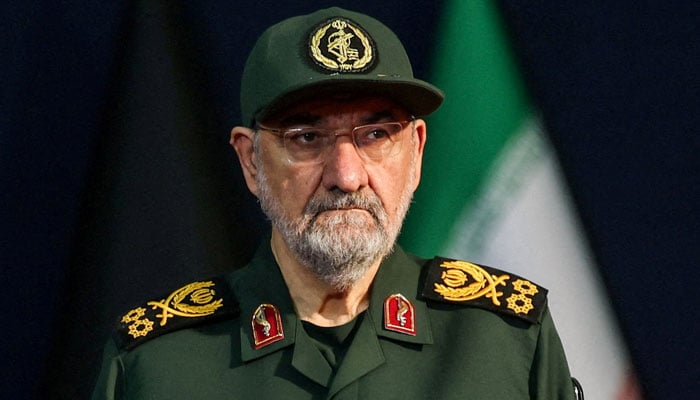
    Mohsen Rezaei takes Iran’s top security post

    Iran has appointed veteran Revolutionary Guards commander Mohsen Rezaei as secretary of the Supreme National Security Council (SNSC), placing a prominent security figure in a senior position at a sensitive time for the country. Rezaei, 71, replaces Mohammad Baqer Zolqadr as secretary of the council. Zolqadr has instead been appointed as a political adviser to Supreme Leader Ayatollah Mojtaba Khamenei. The SNSC plays a central role in coordinating Iran’s national security and foreign policy. It is formally chaired by President Masoud Pezeshkian and includes senior military, intelligence and government officials. Rezaei brings decades of military and political experience to the position. He joined the Islamic Revolutionary Guard Corps (IRGC) after the 1979 Islamic Revolution and became its commander in 1981, when he was only 27. He remained at the helm of the IRGC for 16 years. Much of his tenure coincided with the Iran-Iraq war from 1980 to 1988. During that period, he oversaw the development of the organisation’s land, naval and air capabilities. After leaving the IRGC command, Rezaei remained an influential figure within Iran’s political and security establishment. He later served for more than two decades as secretary of the Expediency Discernment Council. He also entered electoral politics and repeatedly sought the presidency of Iran. From 2021 to 2023, he served as vice president for economic affairs under former President Ebrahim Raisi. Rezaei holds a doctorate in economics from the University of Tehran, although much of his career has been focused on military, security and political affairs. His relationship with Supreme Leader Mojtaba Khamenei is another significant factor behind his new appointment. Rezaei was named a military adviser to Khamenei after the latter assumed the supreme leadership earlier this year. Khamenei also issued a decree appointing Rezaei as his representative on the SNSC. The decree highlighted Rezaei’s extensive military experience, particularly his role during the Iran-Iraq war. During the ongoing conflict involving Iran, the United States and Israel, Rezaei has frequently made public statements on security and foreign policy issues. He has expressed strong opposition to concessions in negotiations with Washington and has repeatedly taken a hard-line position on Iran’s security interests. His appointment therefore places an experienced IRGC commander at the centre of Iran’s national security decision-making structure. Rezaei’s political journey began even before the Islamic Revolution. As a teenager, he became involved in opposition activities against Iran’s Pahlavi monarchy. He was arrested by SAVAK, the Shah’s security service, in 1973.

  • |

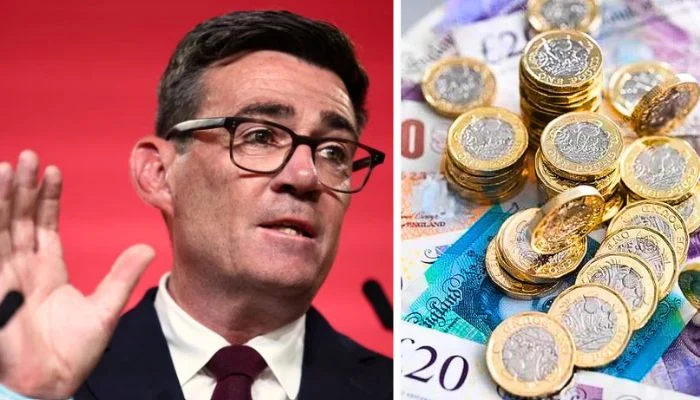
    UK government announces crackdown on subscription traps 

      British Prime Minister Andy Burnham has announced a new package of measures aimed at easing financial pressure on households as the UK continues to face concerns over the cost of living. The government says it will take action against business practices that can leave consumers paying more than expected, including misleading discounts and difficult-to-cancel subscriptions. The measures form part of Burnham’s wider “everyday fixes” agenda, which focuses on addressing common financial frustrations faced by families across the country. One of the first priorities will be an accelerated crackdown on so-called “subscription traps”, under which consumers can find themselves automatically paying for services they no longer want. The government also plans to tackle misleading pricing practices used by retailers. These include fake “was” prices, invented reductions and misleading recommended retail prices that can make a product appear to offer a much larger discount than it actually does. The changes are intended to prevent businesses from artificially increasing the price of an item before reducing it, creating the impression that shoppers are receiving a significant bargain. Burnham said consumers should be able to trust the discounts advertised to them, particularly at a time when household budgets remain under pressure. He argued that if a product is promoted as being half price, customers should be confident that they are genuinely receiving a 50% reduction. Subscription services are another major focus of the government’s plans. According to government figures, there are approximately 155 million active subscriptions across the UK, while unwanted subscriptions cost consumers around £1.6 billion every year. The average consumer has several subscriptions, ranging from streaming and entertainment services to magazines, beauty products and other recurring services. Under the new rules, companies will be required to provide clearer information before customers sign up and remind them when free or discounted trials are approaching their end. Businesses will also have to make cancellation procedures significantly easier. Consumers who sign up online will be able to cancel through a straightforward online process rather than being forced to navigate lengthy telephone calls or complicated cancellation systems. Another important protection will be a 14-day cooling-off period following the end of certain trials or the renewal of long-term contracts. This will give customers additional time to reconsider a subscription and leave if they no longer want it. The government estimates that consumers could save an average of £14 a month for every unwanted subscription they successfully cancel early. Overall, the wider consumer-protection measures are expected to provide substantial financial benefits to households. The subscription rules are being brought forward from the previous timetable, with the government aiming for the new protections to take effect in January 2027. The changes are designed to give consumers greater control over their spending while putting greater responsibility on companies to make their pricing and cancellation policies transparent. Burnham has described the measures as an effort to make everyday life fairer and less frustrating for British families. While the reforms will not resolve every aspect of the cost-of-living pressures facing households, the government says they are intended to deliver practical savings and prevent consumers from being caught out by unfair commercial practices.