ukrainian prisoners recount
| |

Ukrainian prisoners recount torture, sexual abuse while in Russian detention

Former Ukrainian detainees and Ukrainian officials accused Russia on Monday, August 11, of systematically torturing prisoners of war and civilian detainees, holding captives incommunicado and subjecting them to beatings, electric shocks and sexual abuse, with thousands still in captivity.

Russia rejected the allegations made at an informal UN Security Council meeting, with its Deputy UN Representative Maria Zabolotskaya calling it “a disinformation campaign” and alleging that Russian prisoners in Ukraine were subjected to “torture and degradation and moral and physical abuse.”

Khuan Alberto Levya Garsiya, still an active member of the Ukrainian military, said his Russian captors subjected him to every imaginable form of torture during 1,183 days in captivity.

“Yes ..I was tortured,” he told reporters after the UN meeting. “Anything you can think of that can be done hurtful, humiliating to a man, unwillingly. Anything that comes to your mind, not only verbal, physical abuse, daily beatings, electrocution, excessive, excessive exercises in freezing cold when it’s minus degrees…sexual abuse. Everything that can be applied to a person into making a person break mentally. It was all applied to me and most of my comrades.”

Garsiya said he was lucky to survive but two of his friends were beaten to death in detention centers in the Donetsk region. Prisoners were held in “overcrowded barracks without adequate conditions,” where “almost all POWs were ill with dysentery” and many were starving, he told the UN meeting.

A Ukrainian with a Cuban father, he said guards targeted him particularly because of his Latino name, accusing him of being “a mercenary and an American spy.”

Crimean Tatar activist Leniie Umerova, released in a prisoner exchange in 2024, said she was detained while trying to visit her seriously ill father in Crimea.

She described being moved through “seven detention facilities” in what she called “a carousel of repression” and accused Russia of using torture against Ukrainians in captivity.

Oleg Gushin of the Ukrainian government’s Coordination Headquarters for the Treatment of Prisoners of War said Ukrainian prisoners were “killed and tortured” in detention.

He said Kyiv had identified “more than 300 places of detention” in Russia and occupied Ukrainian territory and that while more than 9,000 Ukrainians had been returned through exchanges, “thousands” remained in Russian captivity.

Ukraine’s Chargé d’Affaires Volodymyr Pavlichenko called for greater international pressure and accountability for Russia’s treatment of prisoners.

‘Widespread and systematic’

UN Assistant Secretary-General for Human Rights Claudia Fuentes Julio said UN monitoring showed that “widespread and systematic torture and ill-treatment of Ukrainian prisoners of war and civilian detainees by the Russian Federation authorities continues,” including sexual violence.

Since February 2022, the UN Office of the United Nations High Commissioner for Human Rights had documented the execution of 129 Ukrainian prisoners of war at the beginning of their captivity and the deaths of 48 in custody, resulting from torture, denial of medical care, or other inhumane conditions of detention, she said.
Must Read

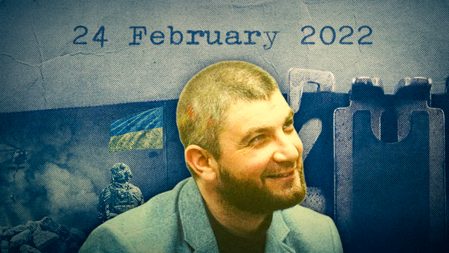
In Ukraine, February is the month of violent memories


In Ukraine, February is the month of violent memories

She said more than 95% of Ukrainian prisoners of war interviewed reported experiencing torture or ill-treatment.

She said more than half also reported sexual violence, including “rape, gang rape, beating while nude, beatings to the genitals, electric shocks to the genitals and nipples, and degrading treatment of a sexualized nature.”

She said the UN had received “consistent accounts of severe beatings with objects such as batons, heavy belts, and wood, electric shocks, dog attacks, mock executions, and other forms of torture.”

Fuentes Julio said the OHCHR had also documented torture and ill-treatment of Russian and third-country national prisoners of war held by Ukraine, but “on a fundamentally different scale.”

She said about half of Russian and third-country prisoners interviewed reported abuse during initial stages of captivity. – Rappler.com
Similar Posts

  • |

    Constitution, rule of law and strong defence key to Pakistan’s future, says Senator Abdul Qayyum

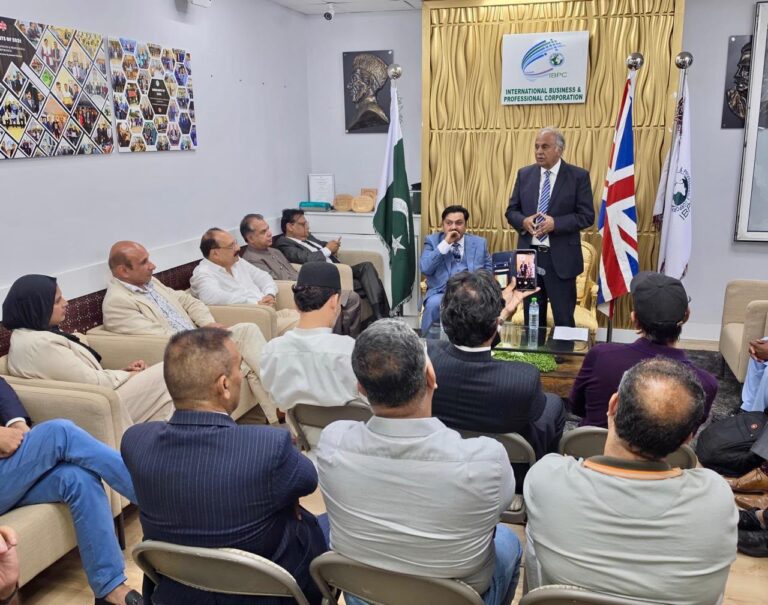
    LONDON:  Constitutional supremacy, the rule of law, a vibrant economy and a strong defence are the four pillars that will safeguard Pakistan’s sovereignty and ensure its long-term stability, former Chairman of the Senate Standing Committee on Defence Production Senator Lt Gen (R) Abdul Qayyum HI(M) said in London. Addressing a Pakistan Independence Day reception organised by the International Lawyers Club UK (ILCUK) in London to mark Pakistan’s 79th Independence Day, the President of the Pakistan Ex-Servicemen Society (PESS) said Pakistan’s independence was won through “immense sacrifices, visionary leadership and the constitutional struggle led by Quaid-e-Azam Muhammad Ali Jinnah.” “Among the greatest blessings of Allah Almighty is living as free citizens of an independent and sovereign Pakistan,” he said, adding that the country’s freedom “is not merely inherited but has to be continuously protected through unity, discipline and national resolve.” Paying tribute to Pakistan’s Armed Forces, Senator Abdul Qayyum said the military had repeatedly defended the country’s sovereignty and territorial integrity against external aggression, terrorism and hybrid threats. “Our Armed Forces have successfully confronted external aggression, terrorism and various hybrid threats because of the determination of our people and the sacrifices, professionalism and courage of our soldiers,” he said. “The nation takes pride in its internationally respected Armed Forces, which have repeatedly defended Pakistan’s sovereignty and territorial integrity.” He warned that Pakistan continued to face a range of internal and external challenges, including terrorism, foreign-sponsored insurgency, disinformation campaigns, sectarianism and political polarisation. He stressed that operations against terrorists and armed militants should be viewed as a constitutional responsibility of the state rather than political repression. “Action against armed militants, terrorists and those working against the state should not be misconstrued as repression, but rather as the constitutional responsibility of the state to protect the lives and property of its citizens,” he said. While acknowledging the importance of democratic freedoms, Senator Abdul Qayyum said freedom of expression must be exercised responsibly. “Freedom of expression and difference of opinion should never come at the expense of national security,” he said, adding that unity between the people, constitutional institutions and the Armed Forces remained “the strongest guarantee of Pakistan’s sovereignty, stability and democratic future.” Highlighting the historic contribution of lawyers to the Pakistan Movement, he said the legal fraternity had played a decisive role in achieving independence through constitutional means. He urged lawyers and barristers to continue defending the Constitution, upholding the rule of law and strengthening democratic institutions. Turning to Pakistan’s future priorities, the senator called for strict adherence to constitutional governance, separation of powers, an independent judiciary and impartial accountability. He also advocated comprehensive industrial and agricultural reforms, greater investment in education, science, research and artificial intelligence, modernisation of Pakistan’s defence capabilities and stronger border security. Referring to criticism of the military, Senator Abdul Qayyum said retired servicemen, pensioners of second-line forces and civilians associated with the defence sector stood firmly behind the Armed Forces. “Those who demonise this sacred institution in the national and international media do no service to the country,” he said, urging the media to report responsibly and avoid undermining institutions responsible for safeguarding Pakistan’s security. Concluding his address, Senator Abdul Qayyum called on Pakistanis at home and abroad to renew their commitment to strengthening national institutions, rebuilding the economy, educating future generations and honouring the sacrifices of the nation’s martyrs. “I am confident that through unity, collective effort and by placing national interests above political differences, Pakistan will emerge stronger, more resilient and more prosperous in the years ahead,” he said.

  • |

    Canadian carrier resolves cabin crew strike through provisional labor agreement

    The industrial action carried out by WestJet flight attendants concluded following overnight negotiations that yielded a provisional contract between the Canadian airline and the Canadian Union of Public Employees Local 8125. The resolution arrived early Monday morning after a brief strike that disrupted travel plans nationwide over the weekend. Union leadership confirmed that the consensus marks progress regarding operational credit structures, ensuring better recognition and wage distribution for duties performed on the ground prior to takeoff, including passenger boarding and delay management. Management at the carrier expressed satisfaction with the outcome, highlighting the dedication of the workforce. Unofficial terms indicate the proposal includes an immediate pay raise retroactive to the start of the year, alongside adjusted duty allocations. While flight operations are slated to rebuild gradually pending safety verifications and roster adjustments, the negotiated terms remain subject to formal ratification by the union membership.

  • |

    South Korean President Lee Jae Myung calls for peace talks with North Korea

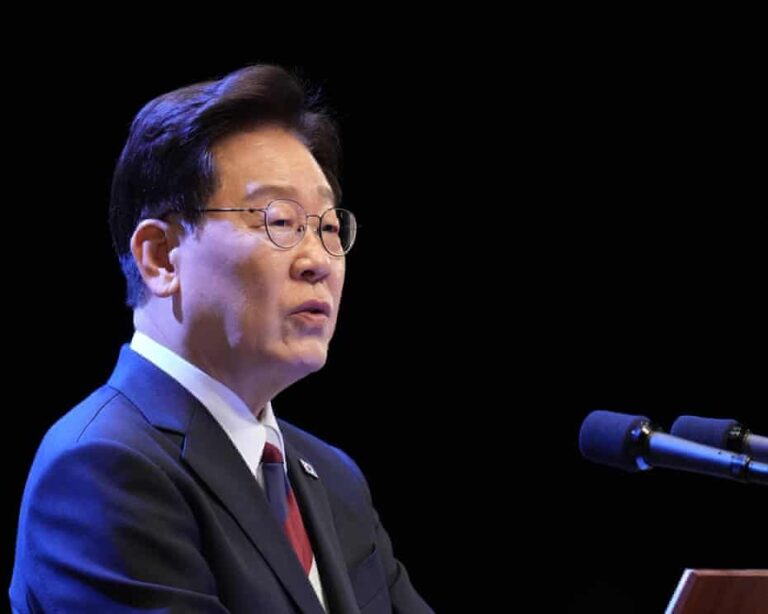
    South Korean President Lee Jae Myung has urged North Korea to return to dialogue to establish a permanent peace regime and formally conclude the 1950–53 Korean War. Delivering a speech to mark the anniversary of Korea’s liberation from Japanese colonial rule, Lee emphasised the necessity of peaceful coexistence and proposed diplomatic discussions to address Pyongyang’s nuclear capabilities alongside regional security safeguards. The Korean War concluded with an armistice agreement rather than a formal peace treaty, leaving the peninsula in a technical state of conflict for decades. Lee affirmed that Seoul is prepared to implement pre-emptive measures to reduce military friction and prevent escalation, building upon earlier pledges to respect North Korea’s governance system. Diplomatic relations between the two nations remain strictly frozen, with North Korean leader Kim Jong-un officially abandoning reunification goals and designating South Korea as a primary adversary. Pyongyang has repeatedly rejected previous diplomatic overtures from Seoul while criticising joint US–South Korean military exercises. Additionally, Lee addressed regional affairs with Tokyo, advocating for an approach that confronts historical grievances while fostering future cooperation with Japan as a neighbouring state.

  • | |

    Pakistan moves to establish strategic petroleum re…

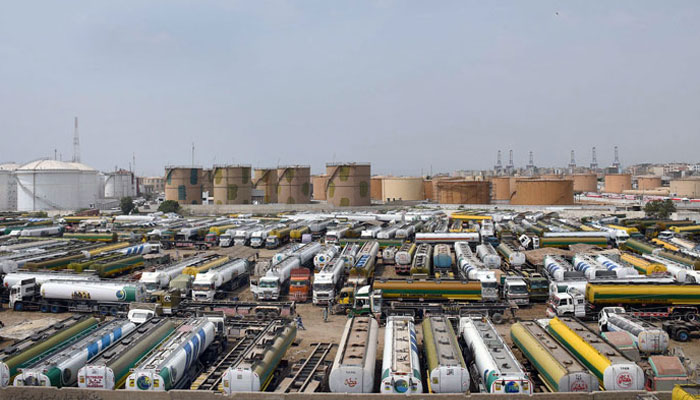
    ISLAMABAD: Pakistan has taken a major step towards strengthening its energy security by initiating a feasibility study for the establishment of strategic petroleum reserves, with international energy consultancy Wood Mackenzie selected to undertake the project. Federal Minister for Petroleum Ali Pervaiz Malik chaired a meeting to formally launch the initiative, stressing that energy security is closely tied to the country’s national security. During the meeting, officials discussed the scope of the feasibility study, its expected completion timeline and the proposed framework for developing strategic petroleum reserves in Pakistan. Wood Mackenzie was chosen through a competitive bidding process after four firms submitted proposals for the project. The consultancy will assess key aspects of the proposed reserves and provide recommendations on their structure and development. The initiative is expected to help Pakistan improve its preparedness against potential disruptions in global oil supplies and strengthen the country’s overall energy resilience.

Leave a Reply

Your email address will not be published. Required fields are marked *