
murad decides transform
|

CM Murad decides to transform Sindh PPP Unit into private limited company

KARACHI : Sindh Chief Minister Syed Murad Ali Shah has decided to restructure the Public-Private Partnership (PPP) Unit into a private limited company to build a more autonomous, commercially agile and investment-oriented PPP ecosystem for the next phase of development in the province.

The decision was taken at a meeting chaired by the chief minister at the CM House on Wednesday. The meeting was attended by Special Assistant to the CM on Investment Syed Qasim Naveed, Chief Secretary Asif Hyder Shah, Principal Secretary to CM Agha Wasif, Planning and Development Board Chairman Najam Shah, Finance Secretary Fayaz Jatoi, Transport Secretary Asad Zamin and other senior officials.
The chief minister was informed that Sindh’s PPP programme has emerged as Pakistan’s leading sub-national PPP initiative, with a growing portfolio of projects in roads and bridges, transport, economic zones, information technology, energy, water, livestock, education, health and environmental sectors.
The programme has received international recognition at platforms including the UNECE PPP Forum and The Asset Infrastructure Awards. Sindh’s PPP programme was also ranked sixth in Asia by The Economist in 2018. The PPP Unit has additionally provided technical and legal support to other provinces for strengthening their PPP frameworks and project structuring.
The meeting noted that the Unit’s transition into a private limited company would enable it to promote and facilitate PPP projects more effectively, assist procuring agencies, strengthen departmental PPP nodes, formulate and implement policies and guidelines, build capacity and monitor portfolio performance.
The chief minister directed that the proposed institutional transformation be pursued to remove operational bottlenecks, retain specialised professionals and ensure continuity in PPP project development and implementation. He emphasised the need for a strong institutional structure capable of providing timely technical, financial and legal support to departments and implementing agencies.
Mr Shah was informed that the existing PPP Unit faced challenges in retaining skilled staff because of limited competitive compensation and incentives. The absence of dedicated project implementation units and project directors in certain departments was also affecting the pace and quality of project delivery.
The proposed PPP Private Limited Company will have greater commercial flexibility to undertake strategic activities, make equity investments where required, mobilise capital through financial instruments and support project financing. It will also be able to develop diversified revenue streams beyond government funding, subject to the approval and oversight of its board.
The chief minister underscored that the company must operate with robust governance, transparent performance review mechanisms and clear statutory oversight. He directed that the new structure should strengthen PPP nodes in provincial departments, empower competent officers and ensure that projects are processed efficiently without compromising accountability.
The meeting concluded that the restructuring would help improve administrative efficiency, facilitate innovative financing, enhance investor confidence and accelerate the delivery of development projects. The chief minister said the objective was to establish a capable, sustainable and responsive PPP institution that could contribute meaningfully to Sindh’s progress and prosperity.
Similar Posts

  • | |

    Pakistan’s HIV crisis deepens as child infection…

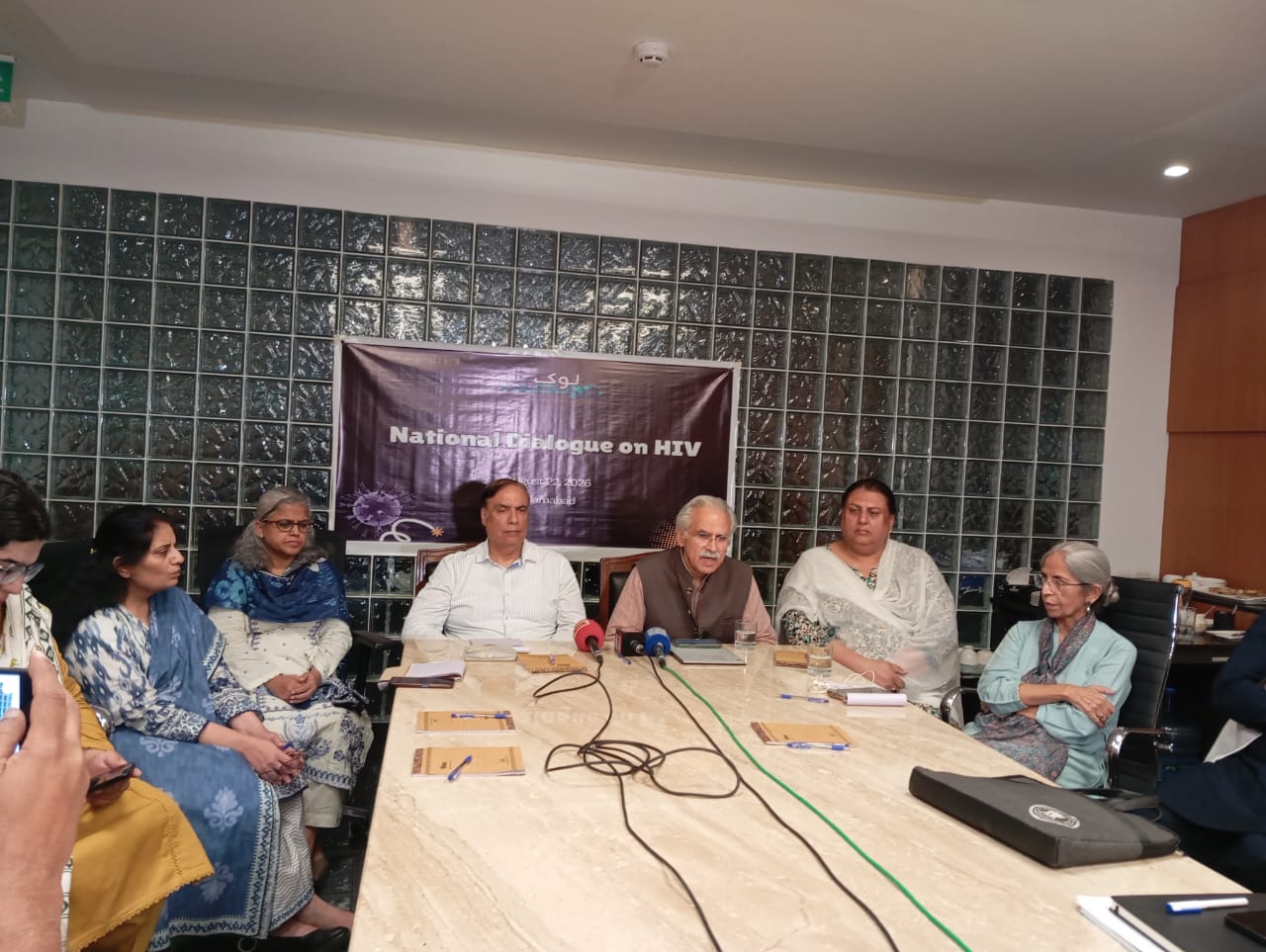
      Islamabad: Pakistan is facing a growing HIV crisis, with an estimated 369,000 people living with the virus while only about 84,400 cases are formally registered, according to a government Task Force report. Health experts and concerned citizens have warned that the real situation may be much worse because the country still lacks reliable and complete disease data. The warning came during a National Dialogue on HIV and AIDS organised by Lok Sehat, where doctors, public health experts, medical organisations, civil society groups and representatives of communities affected by HIV discussed the growing problem. Lok Sehat Convener Dr Zafar Mirza said the government must stop trying to control the disease by controlling or hiding data. He demanded that reliable information about HIV and other blood-borne diseases should be made available and that the government should take greater financial responsibility for HIV, tuberculosis, and malaria instead of depending heavily on international donors. The issue has become more serious because HIV infections are increasingly being reported among children and people outside the groups traditionally considered at higher risk. The Task Force report estimates that 369,000 people are living with HIV in Pakistan, but only around 84,400 cases are formally registered and about 60,789 people are receiving antiretroviral treatment. The report says the recent appearance of HIV among children in low-risk rural communities points to serious weaknesses in infection control, blood safety, healthcare regulation, and medical management. The situation in Taunsa Tehsil of Dera Ghazi Khan has raised particular concern. The Task Force report says 127 children were confirmed to have HIV during a five-month period between December 2024 and April 2025. Around 79 percent of those children were below five years of age, with the median age only three years. Investigations largely ruled out transmission from mothers because nearly all mothers of the infected children tested negative for HIV. The report identified unsafe blood transfusions and contaminated injection practices as major drivers of the Taunsa outbreak. It also found problems involving blood donor screening, unregulated healthcare providers, reuse of disposable syringes, excessive use of injections, poor sterilisation and weak infection prevention systems. Dr Zafar Mirza said repeated use of syringes and needles was a major suspected route of HIV transmission among people receiving healthcare. He called for proper training of healthcare workers and public awareness so patients and families understand the importance of using new syringes and needles. He also urged doctors to avoid unnecessary injections when oral medicines are medically suitable. The problem is not limited to one area. Former National AIDS Control Programme and IHRA chief Dr Quaid Saeed said 13 HIV outbreaks had been reported in Pakistan during the last 18 years, but only two, including the outbreaks in Jalalpur Jattan and Ratodero, had been extensively investigated. He called for proper investigations into every outbreak. The Task Force report also says the Ratodero outbreak in Sindh in 2019 affected more than 1,000 people, most of them children under 12. Investigations linked the outbreak to contaminated syringes, unsafe injections, unregulated blood transfusions, quackery and serious weaknesses in infection prevention and control. Experts also raised concerns about the treatment of people living with HIV. Dr Zafar Mirza said stigma remains a serious problem, including within parts of the medical profession. He said there had been cases where doctors refused to treat patients after learning that they had HIV. He stressed that HIV does not spread through ordinary contact such as shaking hands or being near an infected person. He called for stronger public awareness through television, newspapers and social media to correct false beliefs and reduce discrimination against patients. In Islamabad, infectious diseases expert Dr. Naseem Akhtar said many of the HIV cases seen at her centre involved people who inject drugs, deportees, transgender persons, men who have sex with men, and female sex workers. She said some cases had also been found among children. Dr Asma Naseem said the situation in Karachi was also worrying, particularly because of a rise in HIV cases among children. She said children with HIV were being brought to the Sindh Institute of Urology and Transplantation with kidney failure, describing the trend as highly concerning. The experts said weak regulation of healthcare facilities was another major part of the problem. Dr. Zafar Mirza called for stronger healthcare commissions, blood transfusion authorities, and other regulators, along with better funding, trained staff, and modern technology. The government Task Force has recommended nationwide surveillance of syringes, stronger regulation of medical devices, and a phased move towards auto-disable syringes. It has also proposed tougher action against unsafe medical practices. Another major recommendation is the creation of a national real-time HIV surveillance dashboard. The system would collect information from treatment centres, blood transfusion centres, provincial disease surveillance units and other health facilities so that new cases could be reported quickly at the national level. The Task Force has also proposed stronger testing and care for children, including early infant diagnosis, trained counsellors and paediatric HIV specialists in areas facing outbreaks. It has recommended social protection for children living with HIV, including support for medicines, nutrition, education, transport and psychological care. The proposed reforms also include stronger laws, mandatory reporting of HIV cases and outbreaks, better sharing of health data between provinces and agencies, and accountability for public and private healthcare providers where negligence contributes to disease transmission. The government report says a high-level National HIV Technical Working Group is also proposed, with experts including Maj. Gen. (R) Dr. Azhar Mehmood Kayani, Dr. Zafar Mirza, Dr. Abdul Wali Khan, Dr. Amjad Mahmood, Dr. Adnan Khan, Dr. Huma Qureshi, Dr. Hasan Abbas Zaheer, Brig. Dr. Nuzhat Mushahid, Dr. Saira Afzal, Dr. Fatima Mir, Dr. Saba Jamal, Dr. Rana Jawad Asghar and Dr. Khalid Rehman. Dr Zafar Mirza also raised concern over Pakistan’s dependence on international funding. During the briefing, he said that around 90 percent of spending on HIV, tuberculosis and malaria over the previous five years had come through the Global Fund. He argued that Pakistan should gradually take full

  • | |

    Supreme Court upholds death sentence in woman’s …

    The Supreme Court has issued a landmark ruling concerning women’s rights, declaring that a woman’s right to seek khula (judicial divorce) is a constitutional right and that violence against a woman exercising this right amounts to an attack on the Constitution. A three-member bench of the Supreme Court dismissed the jail petition filed by convict Waseem Abbas and upheld his death sentence. Justice Muhammad Hashim Khan Kakar authored the four-page detailed judgment. According to the judgment, women are fully protected under Articles 9, 14 and 25 of the Constitution, which guarantee their security, dignity and equal rights. The court said that anyone who uses violence against a woman seeking khula would face the full force of the law. It observed that killing a woman for exercising her legal right is an act of brutality and open defiance of the law. The Supreme Court further ruled that a convict involved in a cold-blooded and planned murder does not deserve any concession. The judgment also clarified that the testimony of relatives cannot automatically be rejected in cases involving crimes committed within the privacy of a home. The court said forensic evidence recovered from the crime scene provided conclusive evidence against the accused. The forensic examination established a match between the recovered bullet casings and the pistol linked to the crime. The Supreme Court found no legal or factual flaw in the decisions of the lower courts and upheld the death sentence awarded to Waseem Abbas. According to the case record, Waseem Abbas shot and killed his former wife, Shehnaz Bibi, on October 11, 2020. She had obtained a legal khula decree from a family court before the incident. The convict allegedly entered the woman’s home and killed her around 48 hours after she obtained the decree. A trial court subsequently sentenced Abbas to death and awarded him 10 years in prison. The Lahore High Court later upheld the death sentence.

  • |

    Samsung chip profit soars 250-fold as AI supply deals pile up

    Samsung Electronics stunned markets on Thursday with news that its chip division’s profit had surged more than 250-fold. Alongside the results, the company revealed fresh multi-year supply agreements with major data center operators. It also warned that global chip shortages are likely to worsen and could persist well into 2028. That bold forecast, however, was not enough to calm investor nerves. Concerns remain high over the enormous sums tech firms are pouring into AI infrastructure. Samsung’s shares rose as much as 8.4 percent during trading before closing 0.7 percent lower. Even with that dip, the stock outperformed rival SK Hynix, which closed down a sharper 5.6 percent the same day. Kim Seok-hwan, a market analyst at Mirae Asset Securities, said sentiment around chipmakers has shifted. Investors, he noted, are increasingly unsure how long today’s unusually high profit margins can be maintained. This comes right after Samsung’s chip business posted a record-breaking 70 percent operating profit margin. Samsung revealed it has already struck supply agreements with the five biggest data center companies globally. The firm added that it is close to finalizing deals with five more major players, though it did not name them. Jaejune Kim, executive vice president of Samsung’s memory division, told analysts that nearly every client is now asking for long-term, multi-year contracts instead of short-term arrangements. According to Kim, Samsung wants roughly two-thirds of its memory output locked into long-term supply deals. This approach echoes similar moves by SK Hynix, both aiming to shield themselves from the industry’s usual boom-and-bust swings. These new contracts generally span at least five years and often include upfront payments along with guaranteed floor prices, helping companies manage the financial risk tied to heavy capital spending. This announcement follows several rough months for chip stocks, driven largely by investor unease over ballooning AI infrastructure costs and rising competitive pressure from Chinese chipmakers. Both factors have raised doubts about how sustainable current earnings levels really are. Adding to that unease, Meta Platforms disclosed a steep 91 percent drop in its second-quarter free cash flow on Wednesday. That followed an even more striking development from Alphabet the week before, which reported its first-ever quarter with negative cash flow. Together, these results have intensified questions across the industry about whether the current pace of AI spending can hold up much longer without straining company finances.

  • | | |

    Rhea Chakraborty opens up about years of suspicion…

    Indian actress Rhea Chakraborty has opened up about one of the most difficult periods of her life, saying that she spent years under suspicion following the death of her former boyfriend and actor Sushant Singh Rajput. Rhea’s life changed dramatically in 2020 after Sushant Singh Rajput was found dead at his Mumbai residence. The case attracted enormous public attention, while Rhea faced intense scrutiny, criticism and legal proceedings. Months ago, the Central Bureau of Investigation (CBI) reportedly filed a closure report in the case, providing major relief to Rhea. She was cleared of the allegations connected to the case. Rhea and her brother Showik Chakraborty had also been arrested by India’s Narcotics Control Bureau in connection with a drugs-related case linked to the investigation into Sushant’s death. The actress recently discussed her experience while appearing on the second season of The Traitors. During a conversation with host Karan Johar, she was asked whether she would prefer to present herself as innocent or as a traitor in order to survive the show. Rhea chose the role of the innocent. Explaining her decision, she said that she had finally received a clean chit and that people had learned she was innocent. She added that she had remained under suspicion for a very long time and no longer liked the feeling of being viewed through that lens. The actress has previously spoken about the impact the controversy had on her life. She said the experience affected her mental well-being and that she struggled with post-traumatic stress disorder following the intense period of public and legal scrutiny. For Rhea Chakraborty, the recent developments appear to represent an important turning point. After years of controversy surrounding her name, the CBI closure report has allowed her to publicly emphasize her position and move forward. Her comments on The Traitors have once again brought attention to the long-running controversy, while also highlighting the personal toll she says the ordeal took on her. Rhea Chakraborty says she is innocent, and her latest remarks show how deeply the years of suspicion and public scrutiny continue to shape her perspective on that chapter of her life.

  • | |

    Pakistan envoy Saadia Altaf Qazi honors Sahara Wel…

    OSLO: In a heartfelt ceremony marking the end of her diplomatic tenure in Norway, Pakistan’s Ambassador to Norway, Saadia Altaf Qazi presented a certificate of appreciation to Hafiz Muhammad Aslam Haq, chairman of the Sahara Welfare Foundation, in recognition of his longstanding humanitarian services and commitment to social welfare. The ambassador acknowledged Hafiz Aslam Haq’s contributions to supporting underprivileged communities across Pakistan, including assistance for poor families, orphans, widows and victims of devastating floods. She praised the foundation’s welfare initiatives, describing them as a valuable example of community service and compassion that reflects the true spirit of humanity. During the ceremony, Hafiz Aslam Haq paid tribute to Ambassador Saadia Altaf Qazi for her dedicated service to the Pakistani community in Norway and her efforts to strengthen diplomatic, cultural and people-to-people ties between Pakistan and Norway. He commended her leadership throughout her diplomatic assignment and wished her continued success in her future responsibilities. Expressing his gratitude for the recognition, Hafiz Aslam Haq thanked the ambassador for honoring his organization’s humanitarian work. He also extended his best wishes and prayers for her health, prosperity and continued achievements in representing Pakistan abroad. The event came as Ambassador Saadia Altaf Qazi concluded her diplomatic mission in Norway. Following the completion of her tenure, she is departing Oslo to assume her new assignment as Pakistan’s ambassador to Thailand. Her tenure in Norway has been widely recognized for promoting stronger bilateral relations, engaging with the Pakistani diaspora and enhancing cooperation between the two countries. The farewell recognition ceremony served not only as a tribute to humanitarian service but also as a celebration of the enduring partnership between Pakistan and Norway, highlighting the important role played by both diplomats and community leaders in strengthening international goodwill and supporting those most in need.

  • | |

    14 newborns die after fire erupts in PIMS gynaecol…

    ISLAMABAD: At least 14 newborns have died after a fire erupted in the nursery of the gynaecology ward at the Pakistan Institute of Medical Sciences (PIMS) in Islamabad on Wednesday, according to rescue officials. Initial information suggests that the blaze broke out after an air-conditioning compressor reportedly exploded inside the nursery, rapidly spreading fire and smoke through the facility. Emergency response teams rushed to the hospital and launched an operation to bring the fire under control. Rescue personnel also worked to evacuate patients and secure the affected area. The incident has caused deep concern at the major public-sector hospital, while authorities are expected to investigate the circumstances surrounding the fire and determine whether safety measures and emergency protocols were adequately followed. Further details regarding the victims, the extent of the damage and the official findings are awaited.

Leave a Reply

Your email address will not be published. Required fields are marked *