Congo virus case confirmed: health experts issue u…
Health authorities have confirmed a case of Congo virus, also known as Crimean-Congo Hemorrhagic Fever (CCHF), after laboratory testing verified the infection. Officials said the patient’s Congo PCR test returned positive, prompting renewed calls for public awareness and preventive measures against the potentially life-threatening disease.
According to health officials, the patient underwent several medical examinations, including a specialized PCR test for the Congo virus. The results confirmed the presence of the infection, allowing doctors to begin appropriate treatment and monitoring while taking necessary infection control measures.
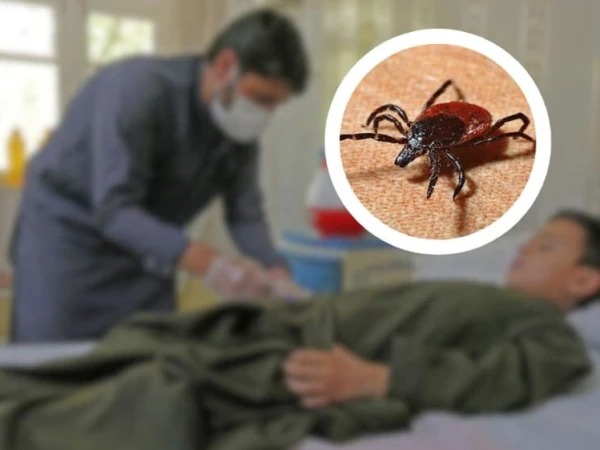
Medical experts explain that Crimean-Congo Hemorrhagic Fever is a viral disease primarily transmitted through the bite of infected ticks commonly found on livestock. The virus can also spread through direct contact with the blood, tissues, or bodily fluids of infected animals, making people who work closely with livestock more vulnerable to infection.
Healthcare professionals have warned that the virus can also spread from one person to another through close contact with the blood or bodily fluids of an infected patient. For this reason, strict infection prevention protocols are essential in hospitals and healthcare facilities to protect medical staff and caregivers.
The symptoms of Congo virus usually begin suddenly and may include high fever, severe weakness, intense headache, muscle pain, nausea, and fatigue. In more serious cases, patients may experience bleeding from the nose and gums, bruising on the skin, and internal bleeding, which can become life-threatening if not treated promptly.
Experts emphasize that prevention remains the most effective way to reduce the spread of the disease. People who handle livestock are advised to wear protective clothing and gloves, inspect animals for ticks, and avoid direct contact with animal blood or tissues whenever possible. Farmers, butchers, veterinarians, and livestock traders are considered among the highest-risk groups.
Health authorities have also urged hospitals and healthcare workers to follow strict infection control practices, including the use of personal protective equipment (PPE) when treating suspected or confirmed cases. Early diagnosis and timely medical care can improve patient outcomes and help limit the spread of the virus.
As public health officials continue to monitor the situation, citizens are encouraged to seek immediate medical attention if they develop symptoms after exposure to ticks or infected animals. Increased awareness, proper hygiene, and preventive measures remain essential in reducing the risk of Congo virus transmission, particularly during periods of increased livestock movement.