diesel prices rise

Diesel Prices Rise Again, Bus Fares Set to Increase

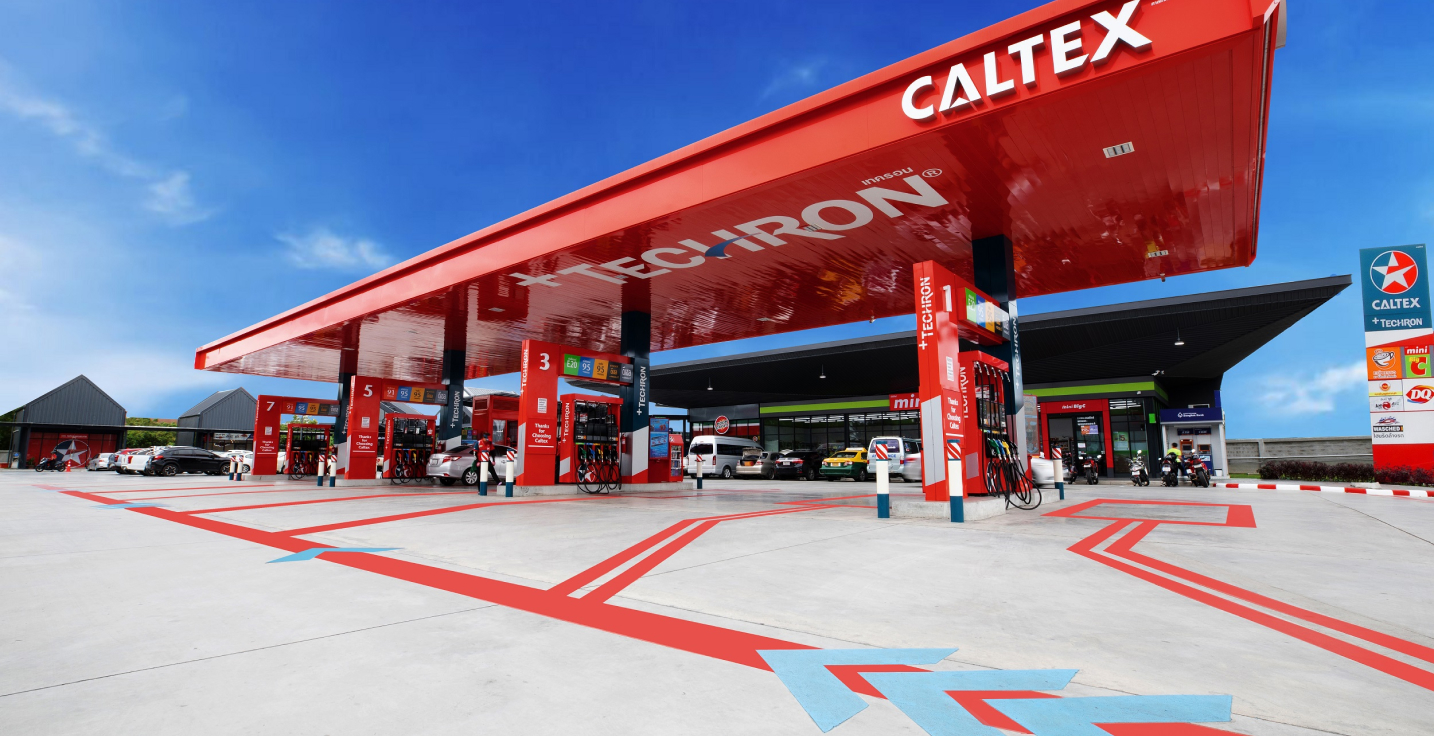
BANGKOK — Diesel prices in Thailand rose again on April 3 after the Oil Fuel Fund committee reduced subsidies for a second consecutive day, pushing retail costs higher and leading to increases in public transport fares just ahead of the Songkran holiday period.

Thailand Raises Diesel Price by Another 3.50 Baht per Liter

The subsidy for diesel was cut by 3.51 baht per litre to 14.27 baht per litre, resulting in pump prices rising by 3.50 baht per litre to 47.74 baht per litre. Biodiesel B20 saw a similar increase, with prices climbing by 3.50 baht per litre to 42.74 baht per litre following a subsidy reduction of 3.48 baht per litre.

Consecutive Hikes

The latest adjustment follows an earlier subsidy reduction, marking two consecutive days of price increases. Authorities said the move reflects ongoing pressure on the Oil Fuel Fund and the need to gradually reduce financial support for fuel pricing. The changes come at a sensitive time, just ahead of the Songkran Festival, when travel demand typically surges across the country.

Bus and Van Fares to Rise

In response to rising fuel costs, the Transport Department has approved fare increases for public transport operators. Bus fares will rise by 5 satang per kilometre, while passenger van fares will increase by 2 baht per 100 kilometres.

A Transport Department spokesperson said the adjustment was necessary as fares had not been revised for a long time despite increasing operational costs. He added that without the fare increase, operators could be forced to reduce services or halt freight transport due to declining profitability — a disruption that would be particularly problematic during the upcoming holiday period when maintaining transport capacity is essential. The fare changes are intended to ensure service continuity and support operators facing higher fuel expenses.

Further Adjustments Possible

Local media reported that further adjustments to fuel subsidies and transport fares may be considered if global energy prices remain volatile. Authorities are expected to continue monitoring the financial status of the Oil Fuel Fund while balancing the impact on consumers and businesses. The immediate focus remains on maintaining stable transport services during the Songkran travel period.

Thai Government to Promote B20 Biodiesel as Cheaper Alternative

For motorists and public transport users, the consecutive price hikes add to mounting household costs. And with the Songkran holiday approaching — a time when millions of Thais travel to their hometowns — the timing of the increases has only intensified the financial strain on those already grappling with a sustained rise in the cost of living.

-Thailand News (TN)
Similar Posts

  • | | |

    AJK polling underway at 23 atations in Bagh

    BAGH: Voting is underway at 23 polling stations across two constituencies in Azad Jammu and Kashmir’s (AJK) Bagh district, in a closely watched exercise following disputes and allegations of irregularities during the region’s phased elections. Polling began at 8am on Saturday and is scheduled to continue until 5pm, with authorities deploying additional security personnel to ensure voters can cast their ballots without fear or disruption. The polling is being held in LA-15 (Bagh Central) and LA-16 (Eastern Bagh), where voting could not take place at several stations during the third phase of the elections earlier this week. The AJK Election Commission subsequently withheld the results of both constituencies and ordered polling at the remaining stations. In LA-15, PPP candidate Sardar Ziaul Qamar had secured 16,637 votes in the stations where polling was held, followed by PML-N’s Mushtaq Ahmed Minhas with 15,015 votes. Jamaat-i-Islami candidate retired Brig Dr Muhammad Khan stood third with 12,259 votes. Meanwhile, the withheld result in LA-16 involves 14 polling stations with 7,238 registered voters. Results from the remaining stations had placed PML-N’s Sardar Mir Akbar in front with 19,515 votes, giving him a lead of 3,225 votes over PPP’s Sardar Qamaruz Zaman. The contest has remained tense, with candidates from all five parties accusing their rivals of large-scale rigging. Election authorities, however, have stressed that adequate security has been arranged. AJK Chief Election Commissioner retired Justice Ghulam Mustafa Mughal said sufficient police and law-enforcement personnel had been deployed at polling stations to provide voters with a “fear-free environment”. The latest polling is part of an election process conducted in phases amid unrest and law-and-order concerns across the region. The third phase was initially planned for all 11 constituencies of Poonch Division but was limited to Bagh and Haveli districts after security concerns emerged. The Election Commission has already announced the result for LA-14 (Bagh-I), where Jammu Kashmir Awami Dast-o-Bazu Party candidate Sajid Iqbal Abbasi won by a substantial margin. The election in neighbouring LA-17 (Haveli), however, has become the subject of a separate dispute after AJK Prime Minister Faisal Mumtaz Rathore was declared the winner. His PML-N rival, Engineer Mohsin Aziz, challenged the result, prompting the Election Commission to hear arguments from both sides. With voting now underway at the remaining 23 stations, attention is focused on turnout, security and whether the fresh polling will finally settle the disputed contests in Bagh.

  • | |

    Maryam approves 30,000-acre shrimp farming plan

    Punjab Chief Minister Maryam Nawaz has given in-principle approval for a major shrimp farming project covering 30,000 acres across the province. The plan includes areas such as Bahawalpur and aims to turn unused and barren land into productive aquaculture zones. The decision was taken during a meeting on shrimp farming and fisheries development in Punjab. Officials briefed the chief minister about progress on the project and the potential for expanding shrimp production in different parts of the province. Maryam Nawaz directed authorities to speed up work on introducing modern, technology-based shrimp farming in Sargodha. The decision follows successful experimental farming activities in Muzaffargarh. The chief minister said Punjab had significant potential to develop a large shrimp farming industry. She said barren land could be transformed into productive farms and eventually become a major centre for shrimp exports. She said the development of a complete local value chain would help Punjab emerge as a leading shrimp-exporting region. The value chain would cover farming, processing, packaging, transportation and marketing. According to the chief minister, the project could also help save valuable foreign exchange. Local food businesses currently rely on imported shrimp to meet part of their demand. Increasing domestic production could reduce the need for imports and keep more foreign exchange within the country. Maryam Nawaz directed officials to gradually involve the private sector in the shrimp farming programme. She said private investment and modern technology could help expand production and improve the efficiency of the sector. The project is also expected to create new employment opportunities in farming, processing, transportation and related businesses. Officials will work on developing the necessary infrastructure and facilities as the programme expands. The chief minister stressed the need for a modern and commercially viable fisheries sector in Punjab. She directed the relevant departments to ensure that the project moves forward according to a clear and practical plan. During the meeting, Maryam Nawaz was also given a detailed briefing on the Kahna Fish Market. Officials discussed the market’s development and related fisheries activities.

  • Thailand Launches Search For Candidate To Lead WHO

    BANGKOK, Thailand — Thailand has officially initiated the selection process to nominate a candidate for the director-general of the World Health Organization, aiming to secure the top post at the global health agency and elevate the nation’s standing in international healthcare. Chula Partners with World Economic Forum to Launch 2025 Gender Gap Report: Thailand Leads […]

  • | | |

    91 trade exhibitions, 11 foreign delegations but n…

    Islamabad:Pakistan has preferential trade arrangements with 93 countries. Its trade promotion authority participated in 91 international exhibitions and sent 11 trade delegations abroad in the last financial year, yet the country still has no registered Pakistani trade representative organisation or joint chamber in China. The absence of a formal Pakistani commercial organisation in China became a major point of concern before the Senate Standing Committee on Commerce, as senators questioned why Pakistan has not established a stronger private sector trade presence in one of its most important international markets. The committee, chaired by Senator Anusha Rahman, was told that no Pakistani joint chamber is currently registered in China and no Pakistani trade representative organisation is operating there. The Secretary Commerce said a Pakistani chamber could be established in China either as a joint chamber or as a branch, but it would have to meet the requirements set by Chinese authorities. He further explained that only one joint chamber from Pakistan could register itself in China under the relevant arrangements. Senators questioned why such an organisation had not been established despite the large scale business relationship between Pakistan and China. The Secretary Commerce said the reason could best be explained by the trade organisations themselves. The issue became more important when senators asked what real benefit Pakistan would gain from establishing a joint chamber or representative office. The Secretary Commerce said the Ministry of Commerce could not give a clear position on the matter and suggested that the Federation of Pakistan Chambers of Commerce and Industry and other chambers should provide their views. He said Pakistani private sector organisations could establish a chamber in major Chinese commercial centres such as Beijing or Shanghai, while the Ministry of Commerce would provide full support to interested chambers if they fulfilled Chinese requirements. Senator Anusha Rahman said a chamber could help Pakistani companies follow up more effectively on commercial opportunities in China. The discussion exposed a gap between Pakistan’s growing trade ambitions and its physical commercial presence in an important foreign market. The committee also examined the performance of the Trade Development Authority of Pakistan and its efforts to increase exports. The Chief Executive of TDAP said the authority was often blamed whenever Pakistan’s exports failed to grow, but export performance depended on several factors beyond the authority’s direct control. He pointed to production costs, electricity prices and the cost of financing as major factors affecting the ability of Pakistani businesses to compete in international markets. This means that simply sending trade delegations or participating in international exhibitions cannot guarantee higher exports if Pakistani products remain expensive to produce. The Commerce Minister, Jam Kamal Khan, told the committee that the Ministry of Commerce regularly sends policy proposals and recommendations to the government to improve the country’s trade environment. He said he had also proposed to the Prime Minister that reciprocal incentives should be pursued to increase exports. The minister said the Ministry of Commerce was working on new proposals to improve international marketing and increase Pakistani exports. He stressed that Pakistan could not become more competitive in international markets without dealing with the underlying costs faced by businesses and improving the investment environment. The figures presented by TDAP showed that the authority remained active in promoting Pakistani products abroad. During the last financial year, TDAP participated in 91 international exhibitions. The authority also organised or supported 11 trade delegations to foreign countries to search for new markets and strengthen business connections. Pakistan currently has preferential trade arrangements with 93 countries, giving Pakistani businesses access to special trade opportunities in international markets. However, the Senate committee stressed that trade agreements and international relationships must produce visible economic results. Members said Pakistan’s trade agreements should not remain only on paper. They should lead to higher exports, more investment and greater access for Pakistani businesses in foreign markets. The Chief Executive TDAP also clarified an important point about the authority’s financing. TDAP does not receive funding from the Export Development Fund. Instead, it receives government financing for specific projects. The committee also discussed the importance of stronger cooperation between Pakistani and Chinese institutions and private sector organisations. Senator Saleem Mandviwalla highlighted the role that Chinese international cooperation and trade specialists could play in developing stronger business and investment links. The discussion suggested that Pakistan needs to connect several areas of economic policy instead of treating export promotion as a separate activity. Lower production costs, cheaper and reliable electricity, easier access to finance, stronger investment policies, better international marketing and effective trade representation are all important if Pakistani companies are to compete successfully abroad. TDAP’s participation in 91 international exhibitions and 11 foreign trade delegations shows that the authority is actively trying to open doors for Pakistani exporters. But the Senate discussion also made clear that opening doors is only the first step. Pakistan must ensure that its businesses are able to walk through those doors with competitive products, attractive prices and the capacity to supply international buyers. The committee appreciated TDAP’s efforts but stressed the need for a coordinated national strategy linking trade policy, investment, industrial competitiveness, export promotion and overseas market representation.

  • |

    Petroleum Levy collection hits record Rs1.57 trill…

    Pakistan’s petroleum levy collection reached a record Rs1.567 trillion during the fiscal year 2025-26, exceeding both the government’s target and the International Monetary Fund’s (IMF) projection, according to sources. The government also collected an additional Rs50.16 billion as Climate Support Levy during the fiscal year, adding further revenue from petroleum products. Sources said petroleum levy collections increased by Rs347.24 billion compared with the previous fiscal year. The total collection stood nearly Rs100 billion above the government’s target of Rs1.468 trillion for FY2025-26. The collection also surpassed the IMF’s estimate. The global lender had projected petroleum levy revenues of around Rs1.546 trillion for the fiscal year, meaning the actual collection exceeded the projection by approximately Rs21 billion. Petroleum levy revenues have continued to rise sharply in recent years. The government collected Rs1.220 trillion in FY2024-25, compared with Rs1.019 trillion in FY2023-24. In FY2022-23, petroleum levy collection stood at around Rs580 billion. The latest figures reflect the government’s growing reliance on petroleum-related revenues to strengthen its fiscal position and meet revenue requirements under its economic programme. At present, the government charges a petroleum levy of Rs80 per litre on petrol, while high-speed diesel carries a levy of Rs77.28 per litre. In addition, the government imposes a separate Climate Support Levy of Rs5 per litre each on petrol and diesel. The record collection comes as the government continues to seek higher revenues while managing fiscal pressures and meeting commitments under its agreement with the IMF. The increased levy revenue provides additional funds for the federal budget but also adds to the overall cost burden on consumers through petroleum prices.

  • | |

    Makkah Pact Seen as key to regional stability

      LAHORE, Aug 12 (APP): Senior journalists, defence analysts and experts have described the Makkah Joint Defence Pact between Pakistan, Saudi Arabia and Türkiye as a significant step towards regional peace, collective security and stronger defence cooperation. The views emerged during a panel discussion titled “Makkah Pact: Peace, Security and Stability”, organised by the Press Information Department (PID) Lahore. PID Lahore Director General Shafqat Abbas said the agreement aimed to strengthen peace, stability and mutual trust rather than target any country. He stressed the importance of diplomacy, dialogue and cooperation in resolving regional disputes. He said Pakistan, Saudi Arabia and Türkiye brought different strengths and experiences to the partnership, creating opportunities for cooperation in defence, diplomacy, trade and investment. Abbas also said Pakistan’s national strength should extend beyond defence and include education, science, technology, skilled human resources and a strong economy. He urged the country to turn its defence capabilities into broader economic gains through research, skills development and increased exports. Senior journalist and analyst Mujeebur Rehman Shami highlighted Pakistan’s achievements in defence and diplomacy but called for greater investment in education, science, technology and skills. He also stressed the need to increase exports and improve economic productivity. Journalist Salman Ghani said the three countries offered complementary strengths, with Pakistan contributing its defence capabilities, Saudi Arabia its economic influence and Türkiye its advanced defence industry and technology. He said the pact could also encourage investment and economic cooperation. Defence analyst Col (retd) Abid said Pakistan’s leadership and military diplomacy played an important role in developing the agreement. He noted that its impact could extend beyond defence to economic, diplomatic and strategic affairs. Other speakers, including Dr Faleha Afzal, Malik Salman, Dr Farzana Riaz and journalist Noorullah, called for greater unity among Muslim countries and urged Pakistan to pursue economic development alongside defence preparedness. The participants agreed that stronger cooperation between Pakistan, Saudi Arabia and Türkiye could contribute to regional peace and stability. They also emphasised dialogue, common interests and coordinated efforts to address shared challenges. At the end of the session, Shafqat Abbas thanked the participants and said such discussions helped promote informed public debate on important national and international issues.

Leave a Reply

Your email address will not be published. Required fields are marked *