thai education minister
| | | |

Thai Education Minister Seeks Tougher School Safety Rules

Thailand –

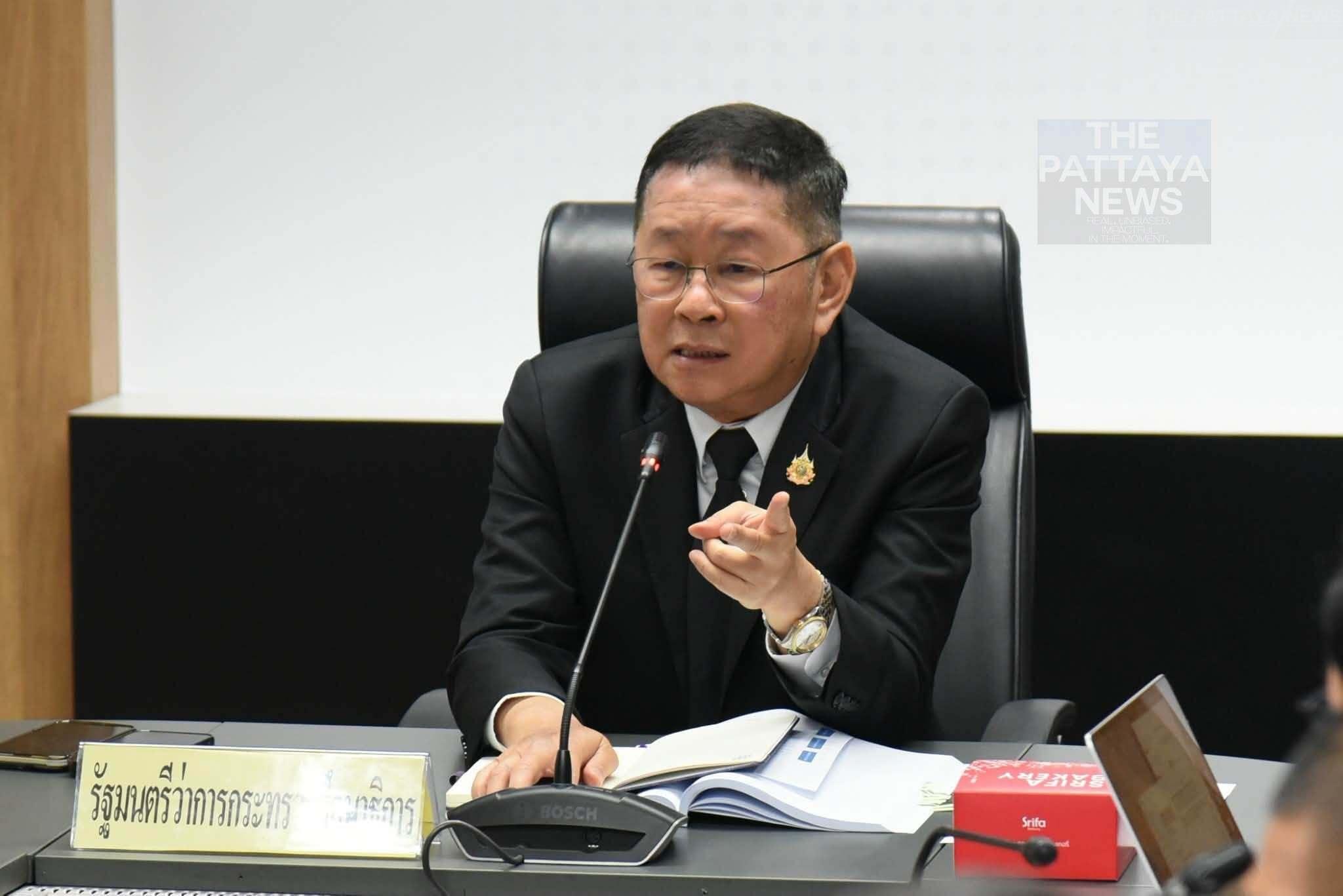
Education Minister Prasert Chandraruangthong has said he plans to seek Cabinet approval for tougher school safety rules that would allow designated teachers to inspect for and confiscate weapons following the recent violence at a school in Nonthaburi.

Prasert is expected to submit the proposed Ministry of Education rules to the Cabinet today (Aug 11). These would prohibit weapons and other potentially dangerous items on school grounds and authorize designated teachers to conduct inspections and seize prohibited items.

The ministry is also considering procedures for searches when there are reasonable grounds to suspect wrongdoing or when behavior indicates a possible safety risk. The proposed rules seek to give schools greater authority to detect threats and prevent dangerous items from entering educational institutions.

Prasert also urged the public to be cautious about information circulating online, as police have yet to determine a motive in the Nonthaburi incident. Some claims shared through social media and messaging platforms are inaccurate, and authorities have asked the public to rely on verified information while the investigation continues.

The preceding is a press release from the Thai Government PR Department.

Similar Posts

  • 20-kanal government land deal faces Parliament scrutiny

    Islamabad: A long running agreement involving government land, a private training institute and millions of rupees came under intense scrutiny as lawmakers questioned the terms of the Hazza Institute of Technology arrangement during a meeting of the National Assembly Standing Committee on Federal Education and Professional Training. Members raised serious questions over how a private institute continued operating on government provided land, why the agreement was extended for another 15 years and whether public interest was fully protected in the deal. The committee was informed that around 20 kanals of land were provided to Hazza Institute under a Public Private Partnership model, but lawmakers questioned whether the government was receiving proper benefits from the arrangement. The issue was discussed during the 25th meeting of the committee after members raised concerns about repeated projects being given to the same institute and questioned whether Hazza had received special preference over other organisations. The Executive Director of the National Vocational and Technical Training Commission (NAVTTC), Muhammad Amir Jan, rejected allegations of favouritism and said no institution was being supported unfairly. He told the committee that decisions regarding Hazza were made by previous administrations and that he was responsible for dealing with the existing agreement according to government rules. According to the briefing, the Hazza Institute project started in 2010 under a Public Private Partnership model. A Saudi Arabia based training company along with its local partner was selected after a process at that time. Under the original plan, the government was supposed to provide land and invest Rs 340 million through the Workers Welfare Fund. Officials informed the committee that while the land was provided, the planned investment was not released. The agreement was later rewritten in 2018 by the National Training Bureau, which transferred responsibilities to NAVTTC. The new arrangement continued for 15 years starting from 2018 and would remain effective until 2033. During the meeting, members questioned why the government did not take action earlier to review or end the agreement. The committee members asked for details of the agreement and questioned why a private organisation was allowed to continue using government property without clear financial benefits for the state. NAVTTC officials explained that the agreement was legally valid and the institute was considered an authorised occupant under the existing contract. However, the Executive Director admitted that some terms of the agreement were one sided and needed to be reviewed. He informed the committee that under the agreement, the government had limited powers to remove the institute before the completion period. Officials said efforts were now underway to renegotiate the terms and ensure that the government receives proper value from the land the institute is using. The committee was informed that NAVTTC had already taken back around 4,000 square feet of built up space from the total area for establishing a NAVTTC incubation centre. The official said the total built up area was around 20,000 square feet and explained that under the Built Operate Transfer model, ownership would eventually return to the government after the agreement period ends. The financial side of the matter also came under discussion. Officials informed the committee that Hazza was linked with an overseas training programme and was expected to train thousands of young Pakistanis for foreign employment opportunities. The committee was told that the institute was involved in a programme targeting 4,000 trainees, out of which 780 had already completed training and moved forward. The Executive Director stated that no additional funds would be released unless the programme produced results and overseas employment targets were achieved. He also informed the committee that disputes and complaints involving Hazza had reached different forums, including government platforms, with competing groups filing complaints against each other. Members demanded greater transparency and said that government land and public resources must be managed in a way that protects national interest. The committee also questioned the extension of the agreement period, noting that the original partnership documents from 2010 and 2011 had different timelines. Officials explained that the agreement was revalidated in 2018, restarting the 15 year period from that year. The committee directed NAVTTC to review the matter carefully and provide a progress report after two months. Chairperson Mahtab Akbar Rashdi said the committee wanted practical action and clear decisions rather than further delays. She stressed that while investment made by private partners should be considered, government interests and accountability must remain the priority.

  • | | |

    How long will monsoon rains continue in Lahore?

    Lahore: Intermittent monsoon rains continued across Lahore after resuming late Monday night, bringing much-needed relief from intense heat and humidity. The Pakistan Meteorological Department (PMD) has forecast that the wet spell will continue throughout the day, with additional rainfall expected across Lahore and other parts of Punjab over the next 24 hours. According to the Met Office, Lahore’s minimum temperature is expected to remain around 27°C, while the maximum temperature may reach 32°C. Cloudy conditions and intermittent showers are likely to persist, contributing to cooler weather across the city. The Punjab Provincial Disaster Management Authority (PDMA) has issued an alert to district administrations across the province, directing officials to remain on high alert and take precautionary measures to minimize the risk of rain-related incidents, urban flooding, and water accumulation. Meanwhile, WASA Lahore has deployed emergency teams to ensure the timely drainage of rainwater from roads and low-lying areas. Managing Director Ghufran Ahmed, along with other officials, is personally monitoring the city’s drainage operations to prevent disruptions caused by heavy rainfall. Rainfall data recorded across Lahore showed varying intensities in different localities. Nishtar Town received the highest rainfall at 42.2 mm, followed by Lahore Airport with 30 mm. Other recorded rainfall included 20.6 mm in Johar Town, 12.6 mm at Upper Mall, 6.8 mm in Kahna, 3.4 mm on Defence Road, and 2.2 mm at the WASA Head Office in Gulberg. Authorities have advised residents to remain cautious during heavy rain, avoid unnecessary travel in waterlogged areas, and stay updated through official weather advisories. With more rainfall expected over the coming hours, emergency response teams remain on standby to address any weather-related emergencies. The ongoing monsoon spell is expected to continue improving weather conditions while increasing the possibility of localized flooding in low-lying areas if heavy showers persist.

  • | | |

    Pakistan seeks strategic economic ties with Saudi …

    ISLAMABAD: Prime Minister Shehbaz Sharif has expressed Pakistan’s desire to transform its longstanding relationship with Saudi Arabia into a mutually beneficial strategic economic partnership, in line with the vision of Saudi Crown Prince and Prime Minister Mohammed bin Salman. The Prime Minister made the remarks during a meeting with a high-level Saudi business delegation headed by Prince Mansour bin Mohammad Al Saud, Chairman of the Saudi-Pak Joint Business Council, at the Prime Minister’s House in Islamabad. During the meeting, Prime Minister Shehbaz conveyed his regards to Saudi King Salman bin Abdulaziz Al Saud and Crown Prince Mohammed bin Salman. He highlighted the deep-rooted brotherly relations between the two countries and stressed the need to expand bilateral trade, investment and economic cooperation. The prime minister expressed hope that Prince Mansour’s latest visit would build upon earlier discussions and lead to the signing of memoranda of understanding and agreements in several sectors. He described the current period as an ideal opportunity to strengthen cooperation through both government-to-government and business-to-business partnerships. The Saudi delegation showed interest in investment opportunities across a wide range of sectors, including agriculture, ports, highways, airport outsourcing, real estate, energy, power distribution and information technology. Prime Minister Shehbaz welcomed the proposals and assured the delegation of Pakistan’s support for mutually beneficial investment ventures. Prince Mansour thanked the prime minister for the warm reception and reaffirmed the Saudi government’s and business community’s commitment to expanding business-to-business ties with Pakistan. During its visit, the delegation is also scheduled to hold meetings with senior government officials and representatives of the private sector. PM Condemns Pishin Terrorist Attack Meanwhile, Prime Minister Shehbaz Sharif strongly condemned the terrorist attack on labourers working on a road construction project in the Suranan area of Pishin district. The prime minister expressed sorrow over the loss of lives and extended condolences to the families of the victims. He denounced the targeting of hardworking citizens as a cowardly act and reaffirmed the government’s determination to combat terrorism. He stressed that the nation remained united against terrorism and that terrorists and their facilitators would not be permitted to undermine peace and stability in the country. The prime minister also prayed for the departed souls and for strength and patience for the bereaved families.

  • | |

    Petrol and diesel prices increased again in Pakist…

    The government has increased the prices of petroleum products once again announcing new rates for petrol and high-speed diesel. The revised prices will remain effective for two days. According to a notification issued by the Petroleum Division the Oil and Gas Regulatory Authority (OGRA) revised petroleum prices under the pricing mechanism approved by the federal government. The price of high-speed diesel has increased by Rs1.11 per litre taking its new price to Rs371.80 per litre. Diesel was previously priced at Rs370.69 per litre. Meanwhile, the price of petrol has risen by Rs1.12 per litre. Following the latest increase petrol will now cost Rs343.10 per litre compared with the previous rate of Rs341.98 per litre. The latest increase comes as petroleum prices continue to put pressure on household budgets and transportation costs. Higher petrol and diesel prices can also affect the cost of transporting goods and may contribute to increases in the prices of essential commodities. The government has issued the latest notification for only two days. Petroleum prices could therefore be reviewed again after the current period depending on international oil prices and other factors used in the pricing formula. The repeated changes in fuel prices are being closely watched by consumers transport operators and businesses because of their potential impact on inflation and the overall cost of living. For motorists, the latest increase means another rise in the cost of filling their vehicles. Transport and logistics businesses may also face higher operating expenses if fuel prices remain elevated.

  • | |

    JI Chief Hafiz Naeem ur Rehman urges government to…

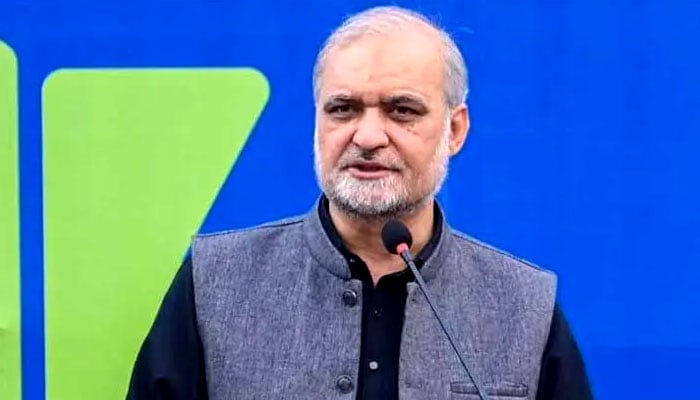
      Islamabad: Jamaat-e-Islami (JI) chief Hafiz Naeem ur Rehman has called on the government to focus on resolving the problems faced by the people instead of relying solely on the use of force to establish the writ of the state. He made these remarks in a statement criticizing the government’s economic policies and its handling of public affairs. According to Hafiz Naeem ur Rehman, a state’s authority cannot be maintained through coercive measures alone. He argued that the government should prioritize addressing the everyday concerns of citizens, including rising inflation, unemployment, and the increasing cost of essential services. He said that public trust is strengthened when governments respond to people’s needs rather than depending on administrative pressure or strict enforcement. The Jamaat-e-Islami leader strongly criticized the government’s electricity policies, alleging that the ruling authorities are placing an unbearable financial burden on the public through high electricity charges. He stated that ordinary citizens are struggling to pay their utility bills at a time when the cost of living continues to rise. According to him, households and businesses alike are being severely affected by expensive electricity tariffs, making it increasingly difficult for many families to manage their monthly expenses. Hafiz Naeem ur Rehman also criticized the government’s fuel taxation policy. Referring to the petroleum levy, he alleged that the government is effectively collecting money from the public in the form of what he described as “extortion.” He argued that increasing fuel-related taxes has a direct impact on transportation costs, which in turn raises the prices of food, consumer goods, and other essential commodities. As a result, he claimed, inflation continues to place additional pressure on the country’s middle- and lower-income groups. In his statement, the Jamaat-e-Islami chief further alleged that both the Pakistan Muslim League (Nawaz) and the Pakistan Peoples Party (PPP) came to power through what he referred to as “Form 47” This phrase has been used by some political parties in Pakistan to allege irregularities in the electoral process. His remarks reflect his party’s political stance regarding the legitimacy of the current governing coalition. Hafiz Naeem ur Rehman maintained that the country’s leadership should focus on providing relief to the public by reducing electricity prices, reviewing taxation policies, and introducing measures that improve the economic conditions of ordinary citizens. He emphasized that sustainable governance depends on public confidence, transparency, and policies that directly benefit the people. The government has previously defended its economic decisions by stating that measures such as electricity pricing and petroleum levies are necessary to meet fiscal requirements and maintain economic stability. However, opposition parties, including Jamaat-e-Islami, continue to argue that these policies have placed excessive financial pressure on the public. The latest remarks by Hafiz Naeem ur Rehman come amid ongoing political debate over Pakistan’s economic challenges, rising inflation, and governance. His statement highlights Jamaat-e-Islami’s continued criticism of the government’s economic policies and its call for greater public relief, while also reiterating the party’s political objections regarding the current administration’s mandate.

  • | | |

    PM Shehbaz unveils first Youth Employment Policy

    ISLAMABAD: Prime Minister Shehbaz Sharif has announced Pakistan’s first Youth Employment Policy. He said the government is focusing on education, skills, employment and entrepreneurship for young people. Addressing a ceremony in Islamabad, Shehbaz said a significant amount of money had been allocated for youth development this year. He stressed the importance of equal educational opportunities. He said every child should have access to quality education.The prime minister said Pakistan could not achieve the vision of Quaid-e-Azam if quality education remained limited to wealthy families. He criticised the gap between privileged and poor students. He said elite institutions provide better facilities to children from affluent families. According to Shehbaz, this inequality has contributed to Pakistan’s weak performance in the education sector. He said his government had worked to bring students from remote and less-developed areas into the education system. The prime minister also highlighted the Daanish Schools programme. He said its network is being expanded beyond Punjab. New Daanish Schools are being established in Azad Jammu and Kashmir and Gilgit-Baltistan, he added. Shehbaz said young people must be given access to modern education and technology. He warned that Pakistan would fall further behind if its youth were not prepared for the changing global economy. 35% quota for women The prime minister announced important measures under the new employment policy. He said women would receive a 35% quota across the labour force.He also announced a 10% annual quota for startups. The measure is aimed at encouraging young entrepreneurs and creating new employment opportunities. Shehbaz said young people should not only look for jobs. They should also be encouraged to establish businesses and create employment for others. Daanish University in Islamabad The prime minister also announced progress on Daanish University in Islamabad.He said the university is being established to provide modern and quality education. Classes are expected to begin next year.Shehbaz said financial difficulties should not prevent talented students from pursuing higher education. He said students with strong academic results would be given opportunities even if they could not afford expensive education. The prime minister pledged that his government would take every possible step for youth development. He said higher education and employment would remain among the government’s key priorities. Shehbaz also highlighted the government’s laptop distribution programme. He said around 700,000 laptops had already been distributed among deserving students.According to the prime minister, the laptops were awarded strictly on merit. He recalled that the programme had faced criticism in the past. Some critics had accused the government of using laptops for political purposes.Shehbaz rejected the criticism and said deserving students received the devices based on their academic performance. He further announced that 250,000 students would receive Chromebooks this year.The devices will also be distributed on merit. The prime minister said investment in education and digital skills was essential for Pakistan’s future.He said young people represent the country’s biggest resource. Providing them with education, technology and employment opportunities, he added, would help build a skilled workforce and strengthen the national economy.The new Youth Employment Policy is therefore being presented as a broader government effort to connect education with employment and entrepreneurship.

Leave a Reply

Your email address will not be published. Required fields are marked *