lula ahead polls
|

Lula ahead in polls for Brazil’s first-round vote; runoff likely

SAO PAULO, Brazil – A series of polls on Saturday, October 3, showed Brazilian President Luiz Inacio Lula da Silva slightly ahead of Senator Flavio Bolsonaro before Sunday’s first-round vote, and a close race in a likely runoff between the leftist incumbent and his right-wing challenger.

If no candidate wins more than 50% of valid votes – which exclude blank and null ballots – on Sunday, October 4, the two frontrunners advance to a second-round runoff on October 25.

CNT/MDA POLL

  • First round (valid votes): Lula 47.8%, Bolsonaro 42.1%, Augusto Cury 3.6%, Ronaldo Caiado 3.4%, Renan Santos 1.7%, Romeu Zema 0.9%
  • Runoff: Lula 47.3%, Bolsonaro 43.1%
  • MDA surveyed 2,007 people from September 30 to October 2; margin of error of 2.2 percentage points

DATAFOLHA

  • First round (valid votes): Lula 45%, Bolsonaro 42%, Caiado 4%, Santos 3%, Cury 3%, Zema 1%
  • Runoff: Lula 47%, Bolsonaro 46%
  • Datafolha surveyed 4,006 people from October 2-3; margin of error 2 percentage points

QUAEST POLL

  • First round (valid votes): Lula 46%, Bolsonaro 45%, Cury 3%, Santos 3%, Caiado 3%
  • Runoff: Bolsonaro 44%, Lula 42%
  • Quaest surveyed 3,702 people from October 2-3; margin of error 2 percentage points

ATLASINTEL/BLOOMBERG POLL

  • First round (valid votes): Lula 47%, Bolsonaro 44.1%, Santos 4.6%, Cury 2.1%, Caiado 1.4%
  • Runoff: Lula 47.6%, Bolsonaro 47.4%
  • AtlasIntel surveyed 4,945 people from September 27 to October 2; margin of error 1 percentage point

– Rappler.com

Similar Posts

  • |

    South Korea heatwave death toll rises to 16

    South Korea is facing an intense heatwave that has claimed at least 16 lives so far this year, as soaring temperatures continue to put millions of people at risk. According to data released by the South Korean Ministry of the Interior and Safety, 2,025 people suffered from heat-related illnesses between May 15 and August 2. Of those affected, 16 people died from complications linked to the extreme heat. The country has experienced a sharp rise in temperatures over the past week, with daily heat records broken three times. On Sunday, the city of Yangsan recorded a temperature of 42.5 degrees Celsius, marking the highest temperature ever recorded in South Korea. Authorities have also issued a severe heatwave warning for the capital, Seoul, where temperatures are expected to climb close to 40 degrees Celsius again. Officials have urged residents to take precautions, particularly during the hottest hours of the day, and to stay hydrated while limiting outdoor activities. The extreme weather has raised concerns for vulnerable groups, including older adults and people with disabilities. To protect those most at risk, medical workers are monitoring the health of around 63,000 highly vulnerable individuals across the country. Officials are encouraging citizens to avoid prolonged exposure to the sun, drink plenty of water and seek medical assistance if they experience symptoms such as dizziness, weakness, confusion or unusually high body temperature. The latest figures highlight the growing impact of the prolonged heatwave, with authorities continuing to closely monitor conditions and take measures to reduce the risks associated with extreme temperatures.

  • | | |

    Thousands of migrants leave Spain’s Ceuta after …

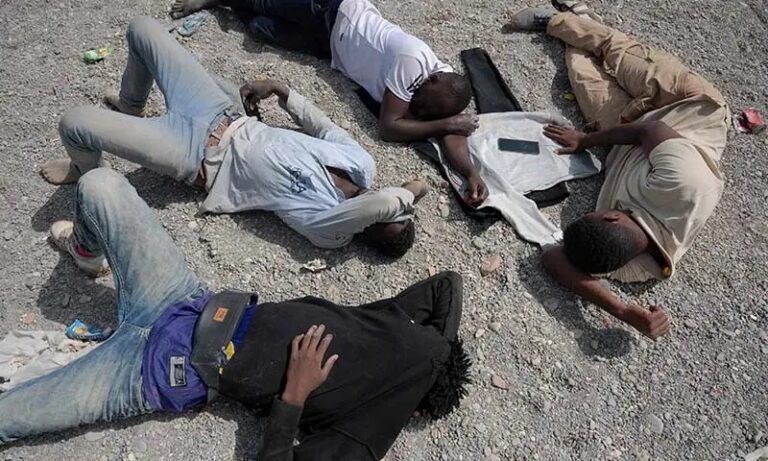
    Thousands of migrants have returned to Morocco after spending several days in Spain’s North African enclave of Ceuta following one of the largest attempted border crossings in the territory’s history. Many migrants said they left because of hunger, exhaustion, and disappointment after finding limited support and few opportunities in Ceuta. Spanish soldiers and Civil Guard officers guided groups of migrants back toward the Moroccan border crossing on Saturday. Many of those returning were young men who appeared physically exhausted after days of wandering through the city with little food or shelter. Some were barefoot, while others carried Red Cross blankets after receiving emergency assistance. Among those returning was 23-year-old Abdel Latif, who said he had hoped to find work and a better future in Europe. He explained that unemployment in Morocco pushed him to attempt the dangerous journey, but he decided to leave Ceuta after struggling to find food and support. The massive influx saw tens of thousands of migrants enter Ceuta over a period of two to three days. Local officials estimated that around 60,000 people reached the enclave, while Spain’s Interior Ministry reported a lower figure. The surge created a major humanitarian and political challenge for Spanish authorities. Many migrants attempted to reach Ceuta by swimming around border barriers in the Mediterranean Sea. Several people collapsed after completing the dangerous crossing, with Red Cross teams providing emergency treatment. At least dozens of migrants reportedly died while attempting to reach the Spanish territory. Spanish officials said that the majority of those who entered Ceuta had already returned to Morocco. Authorities have increased security measures along the maritime border, including the installation of floating barriers to prevent further crossings. Ceuta, home to around 84,000 residents, is one of only two European land borders located in Africa, along with Melilla. The territory has long been a major destination for migrants hoping to enter Europe in search of employment and improved living conditions.   Many migrants said their motivation was driven by economic hardship. Some described difficult working conditions and low wages in Morocco, saying they were searching for stability and better opportunities. Meanwhile, daily life in Ceuta has gradually returned to normal, with shops reopening and traffic resuming after the disruption caused by the migrant surge. However, some residents remain concerned about future migration pressures, while others say security improvements have restored a sense of stability. The latest events have once again highlighted the complex challenges facing Europe and North Africa in managing migration, border security, and humanitarian needs.

  • |

    Brasilia reduces diplomatic presence in Buenos Aires following verbal attacks by Argentine leadership

    Brazil has formally downgraded its diplomatic representation in Argentina to the level of chargé d’affaires following renewed verbal insults directed by Argentine President Javier Milei toward Brazilian President Luiz Inácio Lula da Silva. The Ministry of Foreign Affairs confirmed that Brazilian Ambassador Julio Bitelli will not be returning to his post in Buenos Aires. The decision was triggered after Milei referred to the Brazilian head of state using derogatory terms, including calling him corrupt and an ex-convict, during a television interview with Argentine broadcaster LN+. Bitelli had initially been recalled late last month after Milei openly criticized Lula while appearing in São Paulo alongside opposition candidate Flavio Bolsonaro during the formal launch of his presidential campaign. Argentine Ambassador Daniel Raimondi was officially notified of the administrative downgrade in Brasília. The move marks a formal escalation in the deteriorating relations between South America’s two largest economies, whose leaders have not held a formal bilateral summit since Milei assumed office.

  • | | |

    Drone attack damages oil tanker in Strait of Hormuz

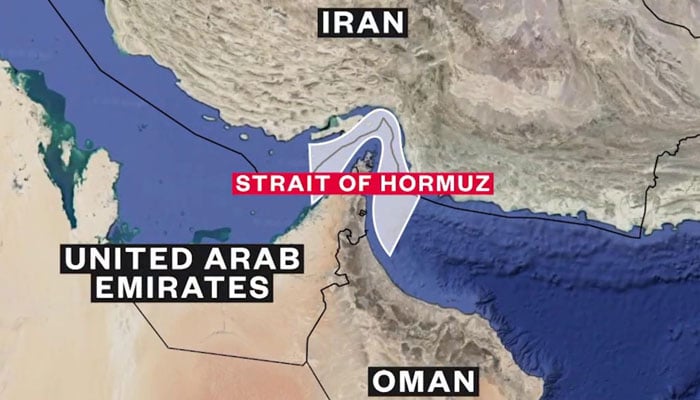
    A drone attack targeted an oil tanker in the Strait of Hormuz, causing minor damage to the vessel but leaving all members of the crew safe, according to the United Kingdom Maritime Trade Operations (UKMTO). The maritime security agency said the incident took place as the tanker was navigating the strategically important waterway. The drone strike caused limited damage to the vessel, but authorities reported no casualties or injuries among the crew. UKMTO also said the incident did not result in any environmental damage. There were no reports of an oil spill, leakage or other pollution following the attack, easing concerns about a possible impact on the marine environment. The Strait of Hormuz remains one of the world’s most important shipping routes, particularly for global energy supplies. Large volumes of crude oil and petroleum products pass through the narrow waterway every day, linking major oil-producing countries in the Gulf with international markets. The latest attack has once again highlighted security concerns surrounding commercial shipping in the region. Any disruption or attack involving an oil tanker in the Strait of Hormuz can raise concerns about the safety of maritime traffic, insurance costs and the uninterrupted movement of energy supplies. Authorities continue to monitor the situation and advise commercial vessels operating in the area to remain alert to potential security threats.

  • |

    Iran inflation surges to 66%

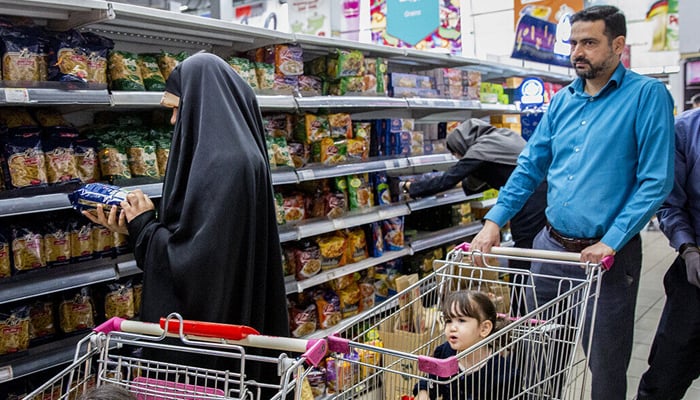
    Iran’s annual inflation rate has climbed to 66%, highlighting the growing pressure on household budgets as the prices of essential goods continue to rise sharply across the country. According to Iranian media reports, food and beverage prices recorded the most significant increase, rising by 128.1% compared with the same period last year. The steep increase has made everyday necessities considerably more expensive and placed additional strain on consumers, particularly low- and middle-income families. Officials and economic observers have increasingly raised concerns over the rapid rise in the cost of basic commodities. Reports indicate that the prices of at least eight essential items have more than doubled over the past 12 months. The sharp increase has reduced consumers’ purchasing power and made it increasingly difficult for many households to maintain their usual standard of living. The latest figures also point to continued price pressure on a monthly basis. Iran recorded a monthly inflation rate of 3.1% in July, according to the Iranian news agency. Although the monthly increase appears smaller than the annual rise, continued month-on-month price growth can further intensify inflationary pressures if the trend persists. The surge in food prices is particularly significant because food represents a major portion of household spending. Rising costs for basic groceries can quickly affect family budgets, leaving consumers with less money for other necessities such as housing, transportation, healthcare and education. Iran has faced persistent economic challenges in recent years, including currency pressures, high living costs and restrictions affecting trade and economic activity. The latest inflation figures add to concerns about the country’s economic outlook and the financial difficulties facing ordinary citizens. With food and other essential commodities recording exceptionally high annual increases, Iranian households are likely to remain under significant financial pressure unless inflation begins to slow substantially in the coming months.

Leave a Reply

Your email address will not be published. Required fields are marked *