farright extremism expert
|

Far-right extremism expert Heidi Beirich arrested as US Justice Department expands case against SPLC

The United States Department of Justice has arrested leading far-right extremism expert Heidi Beirich, charging her with financial crimes in an expansion of the federal government’s criminal case against the Southern Poverty Law Centre (SPLC).

A superseding indictment returned in Alabama federal court charges Beirich, the former chief financial officer and Intelligence Project director for the SPLC, with conspiracy to commit wire fraud, conspiracy to make false statements to a bank, and conspiracy to commit money laundering.

The charges stem from an April indictment against the civil rights organization over a discontinued intelligence programme that paid informants to infiltrate white supremacist groups.

Federal prosecutors allege the SPLC secretly funneled donor funds through shell companies and fictitious entities to hide payments made to field sources. The government claims Beirich engaged in a romantic relationship with one informant and oversaw the transfer of $140,000 in donor funds into a shared bank account.

Beirich, who currently serves as chief strategy officer and co-founder of the Global Project Against Hate and Extremism, denied the allegations through her legal counsel. Defense attorney Michael Proctor characterized the prosecution as politically motivated retaliation against an expert who dedicated decades to dismantling white supremacist movements.

A federal judge in Alabama permitted the broader case against the SPLC to proceed last week after rejecting arguments requesting a dismissal on grounds of vindictive prosecution.

Similar Posts

  • | |

    Spotify names HAVI as RADAR Pakistan artist for Q3 2026

    Music streaming platform Spotify has selected Pakistani singer-songwriter HAVI as its RADAR Pakistan Artist for the third quarter of 2026, recognising the rising musician’s rapid growth and expanding international audience through its global artist development programme. HAVI, whose real name is Abdur Rahman Sajid, has emerged as one of Pakistan’s fastest-growing independent artists, earning praise for his emotionally driven songwriting and deeply personal storytelling. According to Spotify, the singer’s listenership on the platform has increased by more than 335% over the past year, reflecting his growing popularity both at home and overseas. The RADAR programme is Spotify’s global initiative aimed at supporting emerging artists by providing editorial promotion, original content and international exposure. As part of the programme, HAVI will receive dedicated promotional support, including a professionally produced mini-documentary exploring his musical journey, inspirations and creative process. Spotify said HAVI’s music has connected with listeners because of its honest storytelling and relatable themes, helping him build a loyal audience across multiple countries. Beyond Pakistan, his biggest streaming markets now include Bangladesh, the United States, the United Kingdom, Canada and the United Arab Emirates, highlighting the growing international appeal of Pakistani music. Several of HAVI’s tracks, including Andaz E Karam, Na Milay and Farz, have contributed significantly to his success. Spotify noted that the singer’s music has also been added to more than 200,000 user-generated playlists, demonstrating strong listener engagement across the platform. Commenting on the announcement, Rutaba Yaqub, Spotify’s Artist and Label Partnerships Manager for Pakistan and the UAE, praised the artist’s ability to connect with audiences through authentic storytelling. She said HAVI’s remarkable growth reflects how his music resonates with listeners and showcases the strength of Pakistan’s emerging music scene. Expressing his excitement over the recognition, HAVI welcomed the opportunity to introduce his music to even more listeners through the RADAR programme. The singer said the initiative would allow him to share not only his songs but also the experiences and inspirations that shape his artistic journey. Spotify launched the RADAR programme to spotlight promising artists worldwide by combining playlist support, editorial promotion and original visual content designed to help emerging talent reach wider audiences. Over the years, the initiative has featured several Pakistani musicians, reflecting the platform’s continued investment in the country’s growing music industry. HAVI’s selection marks another milestone for Pakistan’s independent music scene, with his rapidly expanding fan base and streaming numbers signalling increasing global recognition. Through the RADAR programme, Spotify aims to amplify his voice further and introduce his music to audiences around the world while celebrating the diversity and creativity of Pakistan’s next generation of artists.

  • | |

    PM takes notice of lawmakers’ absenteeism

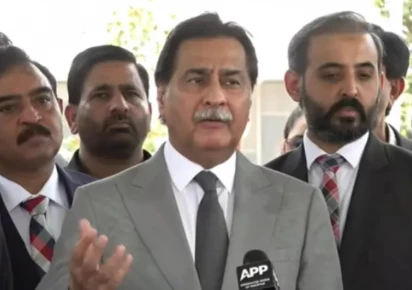
    ISLAMABAD: National Assembly Speaker Sardar Ayaz Sadiq has said Prime Minister Shehbaz Sharif has taken notice of the low attendance of lawmakers during parliamentary sessions. Speaking to the media outside the National Assembly on Tuesday, Sadiq said some federal ministers had raised the issue of members’ absence with the prime minister. He said the government and lawmakers were now paying attention to improving attendance. The speaker’s comments came after a session of the National Assembly witnessed a low presence of members, with a large number of seats remaining vacant during proceedings. Sadiq said maintaining the required quorum was not solely the responsibility of the speaker. He said both the government and opposition benches had a duty to ensure that their members attended parliamentary proceedings. He expressed hope that attendance would improve when the next session is held, which is expected to take place later this week. According to the speaker, the government had conveyed that it recognised the seriousness of the issue and intended to improve lawmakers’ presence in future sessions. Sadiq urged members from both sides of the House to remain present during proceedings. He said parliamentary sessions provided limited time for debate, questions, discussions and legislation, and lawmakers should make full use of the opportunity. He noted that poor attendance affected both sides of the House. The government could not properly complete its legislative agenda, while opposition members also lost the opportunity to raise issues and scrutinise government policies. The speaker also commented on Jamiat Ulema-e-Islam-Fazl (JUI-F) chief Maulana Fazlur Rehman’s intention to adopt a more active approach towards legislation. Sadiq welcomed the move, saying stronger opposition participation could improve parliamentary accountability. He said constructive pressure from opposition parties could also encourage the government to introduce reforms. Regarding resignations submitted by Pakistan Tehreek-e-Insaf (PTI) members from standing committees, the speaker said he had not accepted any of the resignations. He said parliamentary committees were continuing to function and could perform more effectively if opposition members regularly participated in their meetings. Asked about the possibility of the united opposition moving a no-confidence motion against him or Prime Minister Shehbaz Sharif, Sadiq said it was a constitutional and democratic right of the opposition. He said the National Assembly would facilitate the opposition if it decided to exercise that right. Sadiq also spoke about efforts to reduce political tensions between the government and opposition. He said several attempts had been made to bring the two sides to the negotiating table. He said he, Prime Minister Shehbaz Sharif, the law minister and Rana Sanaullah had repeatedly offered dialogue.

  • | |

    PTI changes venue for August 5 rally in Peshawar

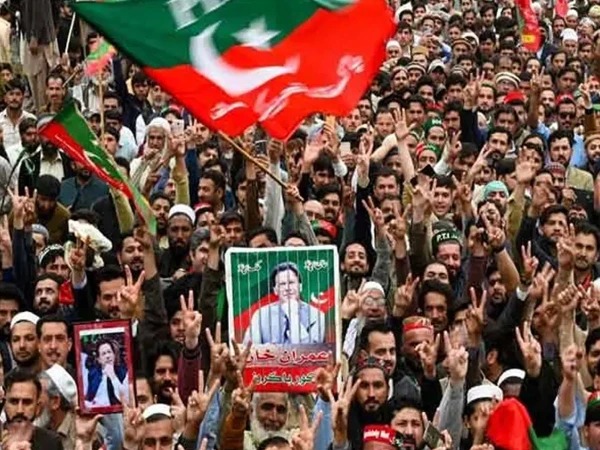
    Peshawar: Pakistan Tehreek-e-Insaf (PTI) has changed the venue for its August 5 public rally, with party leaders announcing that the gathering will now take place at an open ground near the Peshawar Motorway instead of the previously planned location. The decision was made during a PTI parliamentary party meeting held at the Chief Minister’s House in Peshawar. The meeting was chaired by Khyber Pakhtunkhwa Chief Minister Sualeh Afridi and attended by members of the National Assembly and the Provincial Assembly. Addressing the meeting, Afridi said preparations for the rally were in full swing and responsibilities had been assigned to party lawmakers to ensure the event’s success. He described the August 5 rally as a “semi-final” and a decisive gathering, saying the party would present its future political strategy to the public. According to the chief minister, the venue was shifted to an open ground near the Peshawar Motorway to improve public access and accommodate a larger number of participants. Afridi also reviewed the party’s political efforts since October 15, 2025, stating that PTI had pursued constitutional and legal avenues to resolve political issues through dialogue. He said the party leadership had sought meetings with PTI founder Imran Khan through legal channels, including approaching the Islamabad High Court and the Supreme Court, but those efforts had not produced the desired outcome. He reiterated that PTI remained committed to peaceful political activity and maintained that peaceful protest was the party’s final constitutional option. Afridi also called for better access to Imran Khan by his family, sisters, and personal doctors, while urging authorities to ensure he receives appropriate medical care. The meeting, however, was not without internal disagreements. According to party sources, several lawmakers expressed concerns over the timing of the rally and suggested holding a workers’ convention before launching the movement. Some members argued that the main protest should be organized in Punjab rather than Khyber Pakhtunkhwa to increase political pressure on the federal government. The reported differences led to a heated exchange during the meeting, with some dissatisfied lawmakers leaving before it concluded. Party sources said the chief minister assured members that their concerns would be addressed. The August 5 rally is expected to be one of PTI’s most significant political events in recent months as the party seeks to outline its next phase of political action.

  • | |

    Kuwaiti Foreign Minister meets Army Chief  Asim M…

    RAWALPINDI: Kuwait’s Minister of Foreign Affairs, Sheikh Jarrah Jaber Al-Ahmad Al-Sabah, met Field Marshal Syed Asim Munir, Chief of Army Staff and Chief of Defence Forces, at the General Headquarters (GHQ) in Rawalpindi on Tuesday to discuss regional security and ways to strengthen cooperation between the two countries. The Kuwaiti foreign minister was accompanied by Kuwait’s Ambassador to Pakistan, Nassar Abdul Rahman J. Al-Mutairi. According to the Inter-Services Public Relations (ISPR), the two sides exchanged views on matters of mutual interest, the regional security environment, and opportunities to further deepen bilateral cooperation. During the meeting, the Kuwaiti foreign minister appreciated Pakistan’s continued support and its constructive role in promoting regional peace and stability. He also highlighted the longstanding fraternal relationship between Pakistan and Kuwait. Field Marshal Syed Asim Munir reaffirmed Pakistan’s commitment to further strengthening ties with Kuwait, stressing that both countries share a common vision for regional peace, stability, and prosperity. He expressed confidence that the enduring partnership between the two nations would continue to grow across multiple areas of cooperation.

  • | |

    HEC Chief calls for education, research to become …

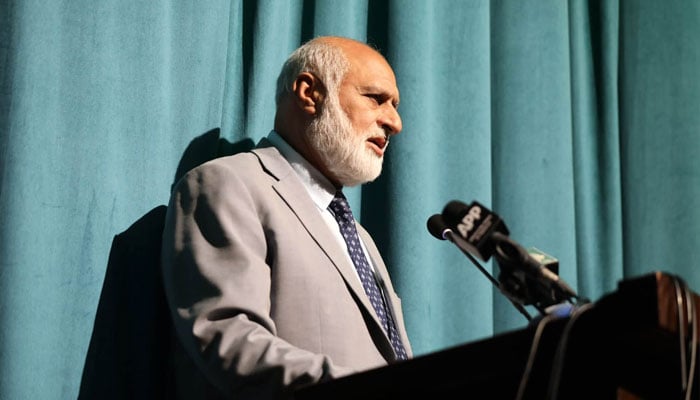
    ISLAMABAD: Higher Education Commission (HEC) Chairman Dr Niaz Ahmed has called for a major shift in Pakistan’s approach to higher education and research, saying universities must become central to the country’s economic, technological and social development. Speaking about his recent nearly two-week visit to China, Dr Niaz Ahmed said Pakistan could learn valuable lessons from China’s development model, particularly its close cooperation among universities, industry, research institutions and the government. The HEC chairman visited China with a delegation of senior vice chancellors from leading Pakistani universities on the instructions of the prime minister and at the invitation of Chinese education authorities and academic institutions. During the visit, Pakistani and Chinese universities discussed joint and dual-degree programmes, faculty and student exchanges, collaborative research and greater opportunities for Pakistani students to pursue higher education in China. He said efforts were also underway to strengthen the CPEC Consortium of Universities and establish 10 Sinology Centres in Pakistan. The Higher Education Commission has been asked to nominate 10 Pakistani universities for the initiative. Dr Niaz said his meetings with Chinese universities and research organisations showed that universities there function as more than degree-awarding institutions. They are closely connected with industry and government, helping develop new technologies, solve industrial problems, support startups and prepare skilled workers for emerging economic needs. He noted that research in China is increasingly focused on turning knowledge into practical solutions, new products and economic opportunities rather than simply increasing the number of research publications. The HEC chairman said China’s rapid progress in artificial intelligence, robotics, automation and digital technology was particularly striking. These technologies, he observed, have moved beyond laboratories and are now being used in factories, transportation, hotels and urban services. He also highlighted China’s rapidly expanding electric vehicle industry, saying the transformation demonstrated the importance of developing technology rather than simply consuming it. According to him, countries that build their own technological capabilities will be better positioned to compete in the future. Dr Niaz attributed China’s progress not only to investment and technology but also to discipline, punctuality, hard work and a clear national vision. He said the country’s experience demonstrated how coordinated efforts by government institutions, universities, industries and citizens could produce lasting national development. Reflecting on Pakistan’s traditional focus on Western academic models, he said his visit had strengthened his belief that China offers an important Asian development experience that Pakistan should study carefully. He stressed, however, that Pakistan should adapt successful practices to its own circumstances rather than simply copy the Chinese system. The HEC chairman said Pakistani universities now needed to examine whether they were merely producing degree holders or actually developing human capital capable of contributing to the national economy. He called for curricula to be aligned with future employment needs, with greater emphasis on artificial intelligence, data science, automation and other emerging fields. Universities, he said, must also strengthen faculty capabilities and build closer relationships with industry. Dr Niaz further stressed that research should focus on solving national and industrial problems, developing technologies and creating business opportunities rather than remaining limited to academic publications. After returning from China, he said, he shared his observations with university leaders across Punjab, Sindh, Balochistan, Azad Jammu and Kashmir, Gilgit-Baltistan and the federal capital. The objective was to encourage universities to reconsider their approaches to curriculum development, research, faculty training and industry partnerships. He said Pakistan already possesses a large network of universities, talented researchers and a young population, but these strengths need to be supported by a clear national strategy and sustained investment. “The real strength of a nation lies not only in roads, buildings and factories, but also in knowledge and human capital,” Dr Niaz said, stressing that Pakistan’s journey towards developed-country status must begin in university classrooms and research laboratories and eventually translate into stronger industries, a more productive economy and greater national prosperity.


  • | |

    US appeals Court again blocks Trump’s $100,0…

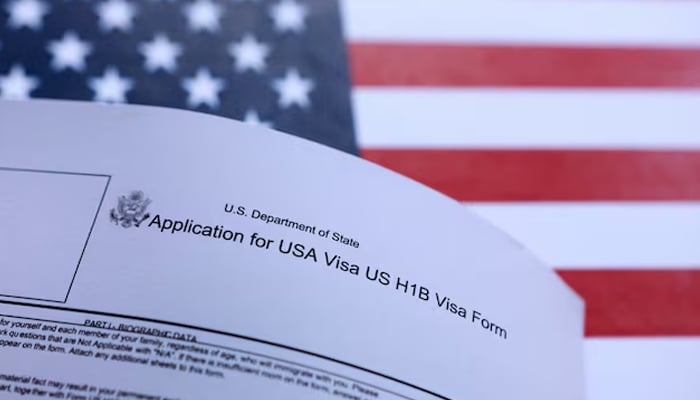
    The Trump administration has suffered another legal setback after a US federal appeals court refused to reinstate a controversial $100,000 fee for H-1B visas, dealing a fresh blow to the administration’s immigration policy. A three-judge panel of the First US Circuit Court of Appeals in Boston ruled that the administration had failed to demonstrate a strong likelihood of success in its appeal or prove that it had acted within its legal authority when imposing the massive fee increase. The decision comes in a lawsuit filed by attorneys general from 20 Democratic-led states, who challenged the legality of the policy soon after it was introduced. The appeals court’s ruling leaves in place an earlier decision issued on June 8, when a lower court declared the $100,000 H-1B visa fee unlawful. That court concluded that Congress had never granted the executive branch the authority to impose a charge of that magnitude, describing it as a tax that exceeded the administration’s legal powers. President Donald Trump introduced the fee increase through an executive order issued last year, arguing that the H-1B visa program had been widely used by companies to replace American workers with lower-paid foreign professionals. The administration maintained that the significantly higher fee would discourage misuse of the program and encourage employers to prioritize hiring US workers. Critics, however, argued that the measure would severely disrupt industries that rely on highly skilled international talent, particularly the technology, healthcare and engineering sectors. Under current immigration rules, the United States issues 65,000 H-1B visas annually, along with an additional 20,000 visas for applicants holding advanced academic degrees from US institutions. The visas are generally granted for periods ranging from three to six years. Before Trump’s proposed increase, employers typically paid between $2,000 and $5,000 in government filing fees for an H-1B visa, depending on the size of the company and other applicable charges. The proposed $100,000 fee would not have applied to foreign nationals already in the United States on student visas who later transitioned to H-1B status. The latest court ruling represents another significant legal obstacle for the Trump administration’s immigration agenda and ensures that the dramatic fee increase will remain suspended while the broader legal battle continues.

Leave a Reply

Your email address will not be published. Required fields are marked *