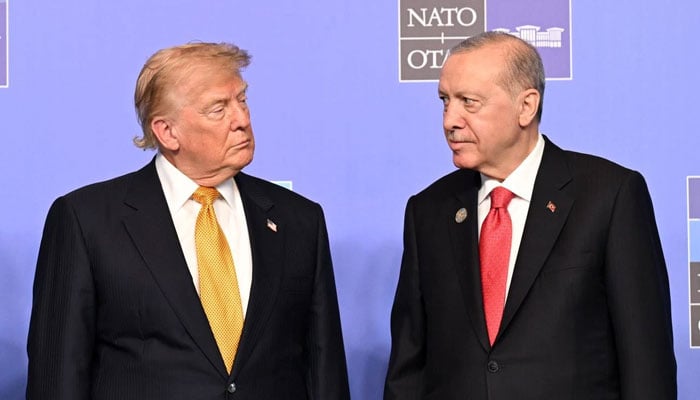
key diplomacy erdogan
| | |

For key diplomacy Erdogan urges Trump to keep Iran…

ANKARA: Turkish President Recep Tayyip Erdogan has urged US President Donald Trump to keep diplomatic channels with Iran open, stressing that continued dialogue could help ease regional tensions.

During a telephone conversation, Erdogan and Trump discussed bilateral ties as well as the ongoing conflicts involving Iran and Gaza, according to the Turkish presidency.

The two leaders also exchanged views on defence agreements involving Pakistan and Saudi Arabia, amid growing regional security concerns.

Erdogan told Trump that diplomacy should be given every opportunity and said Turkey was prepared to contribute to efforts aimed at maintaining dialogue with Iran.

The Turkish president also raised concerns over the situation in Gaza, saying Israel’s military actions against Palestinians were continuing at a time when the second phase of a proposed peace plan was expected to begin.

The call comes as Ankara continues to advocate diplomatic engagement to prevent further escalation and promote political solutions to conflicts across the region.
Similar Posts

  • | |

    Musadik Malik calls for smarter water management

    Climate Minister Musadik Malik has called for a major shift in Pakistan’s water management strategy, saying the country must focus not only on storing water but also on regulating its supply throughout the year. Speaking at a briefing at the National Disaster Management Authority (NDMA), Malik said effective water management was essential for protecting food supplies, supporting agriculture and reducing the impact of climate-related disasters. His remarks came as Pakistan faces another difficult monsoon season. At least 107 people have died and 297 others have been injured since the current rainy season began on June 26, according to disaster management authorities. The Pakistan Meteorological Department has forecast another strong spell of monsoon rains from July 29. Heavy rainfall could trigger urban flooding, flash floods and landslides in several parts of the country. Malik said Pakistan needed different climate strategies for different regions instead of relying on a single nationwide approach. Plans are being developed for cities facing extreme heat, northern areas vulnerable to floods and landslides, and agricultural regions where changing weather patterns are threatening food production. He stressed that water must be available when farmers need it during the Rabi and Kharif seasons. According to the minister, simply allowing large quantities of floodwater to escape without regulating or storing it creates serious risks for agriculture and food security. Malik described water infrastructure as a national security issue. He said the government would focus on improving water regulation, telemetry and storage systems. It would also work with provincial governments to improve zoning and construction standards in disaster-prone areas. National Food Security Minister Rana Tanveer Hussain said Pakistan would require greater water storage capacity in the coming years. He said the country faced two linked challenges: controlling floods and dealing with water shortages. Tanveer said climate change was already changing crop cultivation and sowing patterns. He stressed that agriculture would need to adapt to shifting weather conditions to protect food supplies. The minister said Pakistan was among the countries most vulnerable to climate change, with agriculture facing some of the strongest impacts. He recalled the huge economic losses caused by the 2022 floods but said the country’s disaster response capabilities had improved since then. He said the government had started modifying crop cycles and cultivation patterns in response to changing climatic conditions. Authorities are also working on a broader strategy to strengthen agricultural resilience. Tanveer highlighted several major water projects. He said the Diamer-Bhasha Dam would provide around 6.4 million acre-feet of additional storage capacity, while the Mohmand Dam would add nearly one million acre-feet. He also mentioned progress on the Dasu project and expressed hope that the K-IV water supply project for Karachi would be completed by the end of this year or early next year. Finance Minister Muhammad Aurangzeb described climate change and population growth as major long-term challenges for Pakistan. He called for a coordinated response involving all parts of the government. Aurangzeb said the country was now better prepared financially to respond to natural disasters. He said the government had decided to use domestic resources for rescue and relief operations instead of relying primarily on international assistance. He said Pakistan had launched a $2 billion programme aimed at strengthening climate resilience and reducing environmental risks. Around $700 million annually has also been allocated for disaster management, vulnerability reduction and protection of lives and infrastructure. The finance minister said Pakistan’s disaster financing approach had changed significantly since the 2022 floods. The country had previously relied heavily on international commitments, but authorities are now increasing domestic funding for climate adaptation and emergency response. Information Minister Attaullah Tarar said preparations for the current monsoon season had started before the rains arrived. He credited NDMA’s National Emergencies Operation Centre (NEOC) with improving forecasting and early warning capabilities. Tarar said the system had helped authorities issue timely alerts about dangerous weather events. He urged citizens to follow official warnings and take precautions during periods of heavy rainfall. Meanwhile, flooding continues in parts of Punjab and other regions. The Provincial Disaster Management Authority said water levels in the Chenab River had shown some improvement, while low-level flooding persisted at several locations along the Indus.

  • | |

    Gun attack on Police van kills two officers in DI …

    DERA ISMAIL KHAN: Two police personnel, including an Assistant Sub-Inspector (ASI), were martyred after unidentified gunmen opened fire on a police van in the Daraban area of Dera Ismail Khan on Friday, authorities said. According to officials from the Counter Terrorism Department (CTD), the attack occurred near Shah Alam Mor, where the police team was travelling to conduct an operation after receiving intelligence about the presence of suspected militants in the area. As the police van reached the location, armed assailants launched a sudden attack, firing multiple rounds at the vehicle. The officers immediately returned fire, triggering a brief exchange of gunfire. Despite the retaliation, two police officials, including an ASI, sustained critical injuries and were martyred in the line of duty. Officials said the attackers managed to flee the scene under the cover of the exchange of fire. Security forces quickly cordoned off the area and launched a search operation to trace the attackers. Investigators are collecting evidence from the scene while intelligence agencies are assisting in identifying those responsible for the assault. No group immediately claimed responsibility for the attack, but authorities are treating it as an act of terrorism. The latest incident highlights the persistent security challenges in southern Khyber Pakhtunkhwa, where law enforcement personnel have increasingly come under attack during counterterrorism operations. Police officials vowed that those behind the ambush would be brought to justice, reaffirming their commitment to continuing operations against militant groups despite the growing threats. The sacrifice of the fallen officers, they said, reflects the courage and dedication of Pakistan’s security forces in maintaining peace and protecting citizens.

  • |

    Police arrest suspect in the murder of British woman

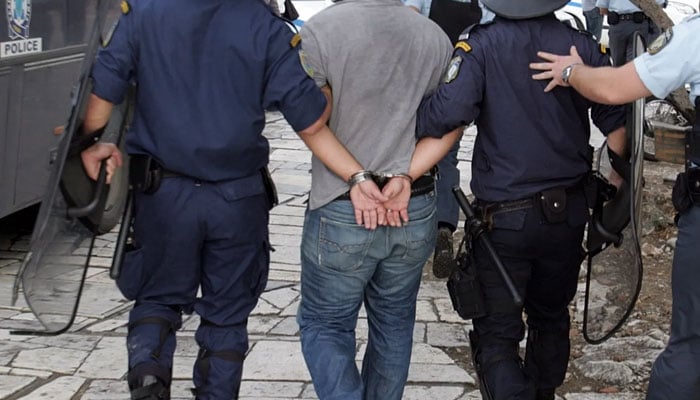
      Authorities in Greece have detained a suspect in connection with the brutal murder of 38-year-old British national Elizabeth Jane Ross, whose body was discovered inside a suitcase in Athens. The case has attracted significant public attention due to the disturbing circumstances surrounding the crime and the victim’s humanitarian work. According to police, Elizabeth Jane Ross had been visiting Greece for several years and was well known for her involvement with organizations that supported refugees and other vulnerable communities. Through her humanitarian efforts, she worked with various charities and non-governmental organizations dedicated to assisting people in need. Friends and colleagues described her as a compassionate and caring individual who devoted much of her time to helping disadvantaged groups. The investigation began after a homeless man discovered a suspicious suitcase in a car park in the Kypseli district of Athens on 18 July. After noticing the abandoned luggage, he alerted the authorities, who responded to the scene and opened the suitcase. Police were shocked to find the body of a woman inside. The victim was later identified as Elizabeth Jane Ross through official procedures. Following the discovery, Greek police launched an extensive investigation involving forensic experts, detectives, and crime scene specialists. Investigators collected evidence from the suitcase and surrounding area in an effort to determine the identity of the perpetrator and reconstruct the events leading up to the murder. According to reprts, the suspect is a 26-year-old Afghan national who was taken into custody in central Athens. Police believe he may have been directly involved in the killing of Elizabeth Jane Ross. During the initial stages of

  • | |

    ECP begins Islamabad local polls preparations

    The Election Commission of Pakistan (ECP) has started the delimitation process for holding local government elections in Islamabad. The commission said the formal process will begin on August 1, 2026, and will continue until October 13, 2026. The delimitation of constituencies is a major step before announcing the election schedule. An ECP spokesperson said that after the completion of the delimitation process and publication of the final constituencies, the commission will consult the federal government regarding the date for Islamabad’s local government elections. The spokesperson also shared updates about local government elections in Punjab and Khyber Pakhtunkhwa. In Punjab, delimitation authorities have been directed to submit their decisions to the relevant committees by August 7. The final delimitation list for the province will be published on August 17. The ECP said it is fully prepared to conduct local government elections in Punjab after completing all necessary legal requirements and consultations. Regarding Khyber Pakhtunkhwa, the commission said delimitation has been completed in 23 districts, while work is continuing in seven more districts. The spokesperson said the ECP held discussions with the Khyber Pakhtunkhwa chief secretary and local government secretary on July 14 about the election schedule. Provincial authorities were given additional time after requesting support for completing arrangements. The commission said recent amendments to the Khyber Pakhtunkhwa Local Government Act created legal issues that affected the delimitation process. The ECP informed the provincial government about these concerns and sought cooperation to resolve the matter. The spokesperson said the commission has faced delays in local government elections because federal and provincial governments often change local government laws close to election dates. He said the ECP has repeatedly completed delimitation exercises and prepared election schedules, but changes in legal frameworks affect the process. The commission recommended that major changes to local government laws and boundaries should be completed at least one year before elections. It said this would help ensure a smooth and timely electoral process.

  • | | |

    Weekly inflation hits 9.66% amid price surge

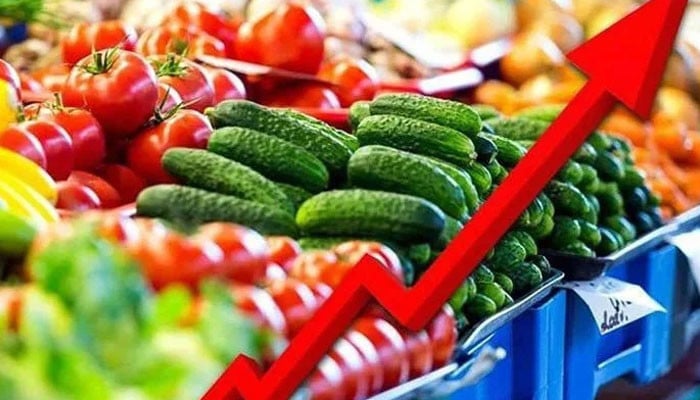
    ISLAMABAD: Pakistan’s weekly inflation increased during the latest reporting period as higher fuel and food prices pushed up the cost of living, according to the latest report released by the Pakistan Bureau of Statistics (PBS). The report showed that weekly inflation rose by 0.91%, while the country’s annual inflation rate reached 9.66%, indicating that prices of essential goods continue to remain under pressure despite declines in a few commodities. According to the Bureau of Statistics, prices of 22 essential commodities increased during the past week, while eight items became cheaper and 21 items recorded no change. The sharpest increase was recorded in petroleum products. High-speed diesel became 15.87% more expensive, while the price of petrol increased by 5.23%. The rise in fuel prices is expected to affect transportation costs and may also increase the prices of other goods in the coming weeks. Among food items, tomatoes recorded the highest increase, with prices rising 39.92% in just one week. Egg prices increased by 7.31%, adding to household food expenses. The report also showed that the price of liquefied petroleum gas (LPG) increased by 0.91%, while potatoes became 3.70% more expensive. Prices of garlic, beef and several other essential food items also registered increases during the week. Although inflation remained on the rise, consumers received limited relief in the prices of a few commodities. Chicken prices fell by 4.66%, making it one of the biggest weekly declines among food products. Bananas became 1.72% cheaper, while prices of sugar, rice and different varieties of pulses also recorded decreases. Economists say rising fuel prices are one of the major reasons behind the increase in weekly inflation because higher transportation and production costs often lead to price increases across various sectors of the economy. The latest inflation figures suggest that many households continue to face pressure from the rising cost of essential goods, particularly food and fuel. While price reductions in some commodities have provided modest relief, overall inflation remains elevated due to continued increases in several key household items.

  • | | | |

    Iran warns Oman deal does not mean Hormuz is fully…

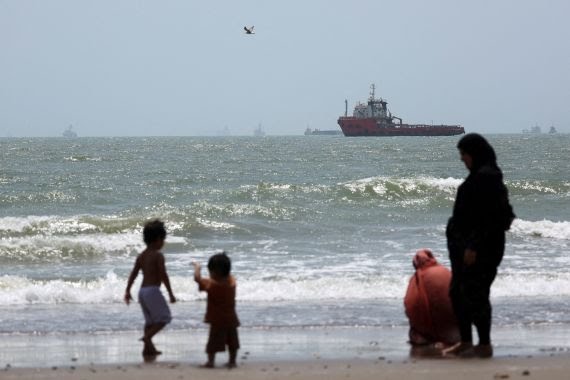
    TEHRAN: Iran has cautioned that its emerging understanding with Oman over the management of the Strait of Hormuz should not be interpreted as a guarantee that the strategic waterway will immediately reopen to normal international shipping. The clarification came after Iran and Oman agreed on a temporary maritime corridor intended to facilitate navigation through the strait. Iranian officials stressed that the arrangement remains limited and does not amount to a full restoration of commercial traffic. Mukhtar Haddad, editor-in-chief of Iran’s Al-Wefaq newspaper, told Arab media that Tehran and Muscat had been discussing the management of the waterway for some time. He said the talks could lead first to a temporary agreement and eventually to a permanent arrangement, but neither step should automatically be seen as a decision to fully restore shipping. Iranian Deputy Foreign Minister Kazem Gharibabadi also sought to temper expectations, saying Tehran and Muscat had agreed on a new temporary route but that the understanding did not mean the strait would be completely and immediately reopened. Gharibabadi said Iran remained in a state of war and had made clear to mediators that conditions during an armed conflict could not be treated in the same way as normal circumstances. He added that the United States would need to fulfil its obligations under an earlier memorandum of understanding before Iran considers fully reopening the waterway. Under the joint Iranian-Omani framework, the proposed maritime corridor would be temporary. Russian media reported that vessels entering the Persian Gulf would pass through Iranian waters, while ships returning from the Gulf would use Omani waters. The reported corridor would operate like a two-way maritime route and have a width of about 11.25 kilometres. Iran and Oman are expected to hold further negotiations over the next 30 to 60 days to discuss the possibility of establishing a permanent navigation arrangement. The developments come as the Strait of Hormuz remains at the centre of a wider regional security crisis. The waterway is one of the world’s most important energy routes, connecting the Persian Gulf with the Gulf of Oman and the Arabian Sea. US President Donald Trump, meanwhile, claimed that the US Navy had removed or neutralised all mines in international waters of the Strait of Hormuz. He warned that any vessel that attempted to lay new mines would be destroyed. Despite the temporary corridor agreement, Iran’s latest statements underline that a complete reopening of Hormuz remains a separate and politically sensitive issue. For shipping companies and global energy markets, the distinction could prove crucial: a limited navigation arrangement may ease some pressure, but it does not yet signal a return to normal maritime traffic.

Leave a Reply

Your email address will not be published. Required fields are marked *