former prime minister

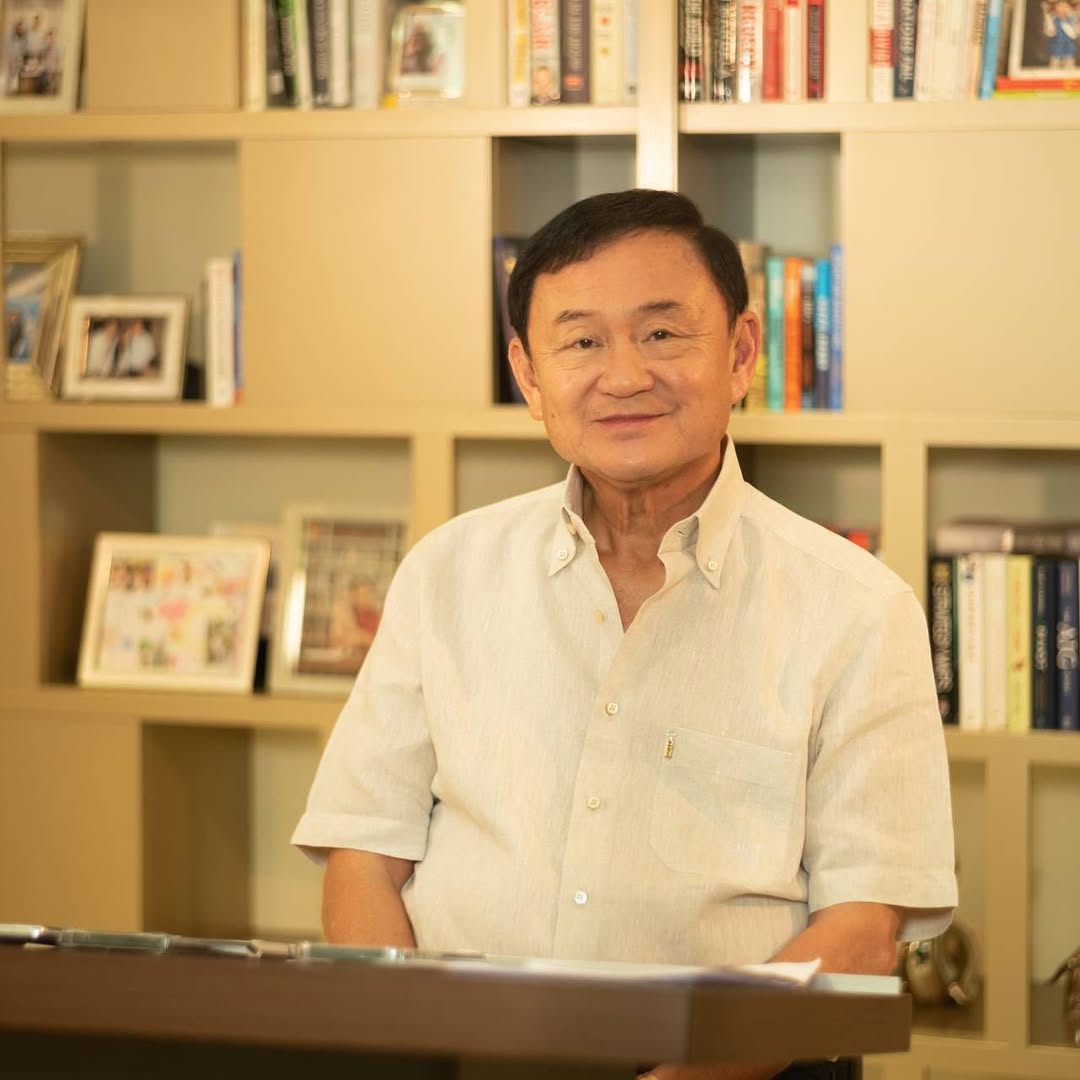
Former Prime Minister Thaksin Shinawatra Granted Royal Pardon On Queen’s Birthday

BANGKOK, Thailand — Former Prime Minister Thaksin Shinawatra has officially regained his full freedom and is no longer required to wear an electronic monitoring device, following the granting of a royal pardon on the occasion of Her Majesty Queen Suthida’s birthday. The clemency allows the prominent political figure to travel overseas without needing to seek prior permission from the authorities.

Former Thai PM Thaksin Freed on Parole After Eight Months in Prison

The royal pardon was countersigned by Prime Minister Anutin Charnvirakul and published in the Royal Gazette, officially taking effect on June 3. Justice Minister Rutthapon Naowarat confirmed that because Mr. Thaksin’s remaining commuted prison term was less than one year, the pardon fully releases him from his remaining obligations. The minister noted that the ankle bracelet, which Mr. Thaksin had been required to wear since his release on probation on May 11, is to be removed immediately by officials from the Probation Department.

The development was met with profound joy by the former prime minister’s family. His daughter, Pintongta, expressed overwhelming excitement regarding the royal grace, noting that the family is deeply moved by the pardon extended to her father and numerous other prisoners. She highlighted that the restoration of his full rights means the family can once again travel together without the previous restrictions, although no immediate international trips are currently planned. She added that her father is presently enjoying a peaceful life at his residence, where he is regularly visited by his grandchildren.

The royal pardon extends significantly beyond Mr. Thaksin, benefiting a wide array of convicts currently serving probation or incarcerated with good behavior records, in strict accordance with the regulations set forth by the Corrections Department.

Under the newly applied commutation guidelines, prisoners serving life sentences will have their terms formally reduced to 50 years. Further sentence reductions are then applied based on comprehensive behavioral evaluations. Inmates demonstrating outstanding behavior will receive a one-eighth reduction in their sentence, those with very good records will see a one-ninth reduction, and those classified as having good behavior will be granted a one-tenth reduction.

The granting of royal pardons on significant national occasions, such as the birthdays of members of the Royal Family, is a longstanding tradition in Thailand intended to show royal grace and provide opportunities for rehabilitation and reintegration into society for eligible inmates. The Corrections Department is currently processing the administrative requirements to ensure all eligible prisoners receive the benefits of the commutations in a timely manner.

Thailand Marks Queen Suthida’s Birthday With National Holiday And Traditional Ceremonies

As the Probation Department finalizes the removal of the electronic monitoring device, Mr. Thaksin transitions fully back into private life. The broader application of the pardon is expected to impact thousands of inmates across the country, offering reduced sentences and renewed opportunities for those who have demonstrated positive behavioral adjustments during their incarceration.

-Thailand News (TN)

Similar Posts

  • | | |

    Pakistan’s debt growth falls to 20-year low: Fin…

    ISLAMABAD: Pakistan’s Finance Ministry has reported a significant slowdown in the country’s debt growth, saying the rate of increase fell to its lowest level in two decades during fiscal year 2025-26. According to the ministry, Pakistan’s debt increased by only 7.7 per cent during 2025-26, compared with an average annual growth rate of around 16 per cent over the past 20 years. The ministry said the country’s debt-to-GDP ratio also improved, falling to 68.3 per cent from 75 per cent in fiscal year 2022-23. Between 2019 and 2021, the ratio had remained between 86 and 88 per cent. Pakistan’s external debt-to-GDP ratio also declined to 21.5 per cent, which the ministry described as the lowest level in nine years. The country’s foreign exchange reserves have meanwhile increased substantially, rising from $2.9 billion to $18.4 billion, according to the ministry. The Finance Ministry said Pakistan also repaid Rs4.72 trillion in debt ahead of schedule. It added that annual interest expenditure on government debt declined by nearly Rs2 trillion. The burden of interest payments on government revenue also fell sharply, from 61 per cent to 35 per cent, indicating an improvement in the government’s fiscal position. The ministry further said Pakistan has recorded a primary budget surplus for three consecutive years, reflecting continued efforts to strengthen fiscal management and control expenditure. Pakistan has also returned to international capital markets after a four-year gap. The country’s Panda Bond reportedly attracted demand nearly five times higher than the amount offered, indicating strong investor interest. The ministry also highlighted Pakistan’s improved credit outlook. S&P Global Ratings has maintained Pakistan’s rating at B with a stable outlook, with the ministry describing the current rating as the agency’s highest level for Pakistan in nearly nine years.

  • | |

    Doctors reject FBR POS system, warn of public prot…

    Islamabad: The Pakistan Medical Association Punjab has warned the Federal Board of Revenue that doctors could launch legal action, protests and even withdraw medical services if the proposed Point of Sale system is imposed on private healthcare establishments. PMA Punjab President Dr Kamran Saeed Sheikh said the medical community was ready to fight the issue through courts, public protests, banners and awareness campaigns if its concerns were not addressed. He said the doctors could also consider token strikes or withdrawal of services. The warning came during a press conference at the National Press Club, where the PMA Punjab provincial council met in Islamabad. Doctors from different parts of Punjab discussed the FBR initiative concerning POS systems and the requirements linked to Section 175C. Dr Kamran Saeed Sheikh said doctors were not refusing to pay taxes. He stressed that the medical profession should not be treated like an ordinary business because healthcare is an essential public service. According to Dr Kamran Saeed Sheikh, the proposed system could create additional technical and financial difficulties for doctors and ultimately increase the cost of healthcare for ordinary patients. He also raised concerns about patient privacy. He said information about a patient’s illness, visits and expenses must remain confidential and should not be exposed through systems that could allow unnecessary access or monitoring. The PMA Punjab president said private healthcare providers were already paying taxes on several areas, including electricity, equipment, water, gas and buildings. He argued that adding more technical requirements could take doctors away from their main responsibility of treating patients. Dr Kamran Saeed Sheikh also warned that doctors were already leaving Pakistan and that healthcare establishments in some areas were closing rather than opening. He said further administrative pressure could make the situation worse. The PMA leadership said it had already held two meetings with the FBR and had also sent written communications explaining its position. According to Dr Kamran Saeed Sheikh, the discussions had not produced the result the doctors wanted. He said the medical community was prepared to keep all legal and democratic options open. “We will fight legal battles, go to court and protest,” Dr Kamran Saeed Sheikh said during the briefing. He also warned that doctors could come onto the streets and consider withdrawal of services if the issue was not resolved. Dr Maqsood Zahid, President Elect of PMA Punjab, also questioned whether POS technology was suitable for medical services. He argued that healthcare was different from selling ordinary products because doctors provide services that can be required at any time, including emergencies during the night. He said doctors could not stop treating an emergency patient simply because a machine was not working or an internet connection had failed. Dr Maqsood Zahid said many patients also receive treatment without paying the full amount. Some patients receive services at half rates, while others are treated free of charge. He questioned how such cases would be properly reflected through a system designed mainly around payment records. He gave the example of a hospital in Mian Channu, Khanewal, where doctors reportedly deal with many patients without charging them. He said that out of 100 patients, around 60 could be treated without receiving even a single penny, making a simple payment based system difficult to apply to real medical practice. The doctors also argued that medical treatment cannot be measured in the same way as the sale of a retail product because the cost and complexity of treatment can change from patient to patient. Dr Maqsood Zahid said the medical community was willing to discuss a suitable tax formula with the government if a system could be designed according to the realities of medical practice. The PMA representatives said doctors across the country were being represented in discussions on the issue. They said representatives from Sindh, Khyber Pakhtunkhwa, Balochistan, Karachi, Islamabad and Punjab had participated in consultations. The PMA also raised the problem of smaller clinics in remote areas. Doctors argued that poor internet services, electricity problems, shortage of technical workers and maintenance costs could create serious difficulties for clinics outside major cities. Dr Muzaffar Niazi said doctors would not accept a situation in which the medical profession was treated like a normal retail business. He said doctors were prepared to pursue legal action, demonstrations, public awareness campaigns and other forms of protest. The PMA leadership also stressed that it was not against taxation itself. Dr Maqsood Zahid said doctors were law abiding citizens and accepted that taxes were necessary to run the country. The main demand was for the government to develop a system that recognised the special nature of healthcare and did not place unnecessary financial and administrative pressure on doctors or patients. The PMA Punjab had already formally raised the issue with the FBR. In a letter dated January 20, 2025, Dr Kamran Saeed Sheikh, President PMA Punjab, asked the FBR Chairman to defer the installation of POS systems in private healthcare establishments. The letter warned that additional administrative, technical and financial requirements could increase the cost of healthcare and reduce the time available for doctors to provide medical treatment. It also pointed to problems such as unreliable electricity and internet services, shortage of technical staff and difficulties faced by small and medium sized clinics. PMA Punjab also warned in the letter that additional pressure on private healthcare could discourage young doctors and female doctors from starting private practices in remote and less developed areas and could contribute to further brain drain from Pakistan. The letter was also copied to the President of Pakistan, Prime Minister, Governor Punjab, Federal Minister for Finance and Revenue, Chief Minister Punjab, Speaker Punjab Assembly, provincial health ministers and the Chairman Punjab Health Care Commission. The PMA leadership has now made clear that the dispute is no longer limited to a technical discussion over a machine. Doctors say the issue involves taxation, patient privacy, the cost of healthcare and the ability of small clinics to continue providing services. If the disagreement remains unresolved,

  • | |

    Current system has lost public trust, reset is ine…

    Barrister Gohar Ali Khan, Chairman of the Pakistan Tehreek-e-Insaf (PTI), said the country’s current political system has lost the confidence of the public and requires a complete reset to restore democratic credibility. Speaking to the media outside Adiala Jail in Rawalpindi, Barrister Gohar said that instead of forming more governments under the existing circumstances, the leadership should return to the people and seek a fresh public mandate. He claimed that a key coalition partner had publicly described the prime minister as the beneficiary of a rigged election. According to Gohar, such a statement should have prompted the prime minister to immediately seek a vote of confidence in the National Assembly. The PTI chairman argued that the prime minister failed to obtain a vote of confidence and had therefore lost the moral legitimacy to continue in office. He added that the prime minister’s silence on the issue reflected a loss of political support and public confidence. Barrister Gohar further alleged that the government’s administrative structure had effectively collapsed. He claimed the government had lost its constitutional, legal and democratic standing, making the continuation of the current system increasingly difficult. He said the time had come for the existing political system to come to an end, adding that the Constitution provides a legal mechanism for moving a vote of no confidence. He said PTI would consult its allies before deciding its future course of action. The PTI chairman also said he believed the Pakistan Peoples Party (PPP) had emerged from a disputed electoral process. Calling for a political solution, Barrister Gohar urged all stakeholders to develop a national consensus to resolve the country’s ongoing political crisis. He stressed that Parliament should seriously address the public demands coming from all provinces.

  • | |

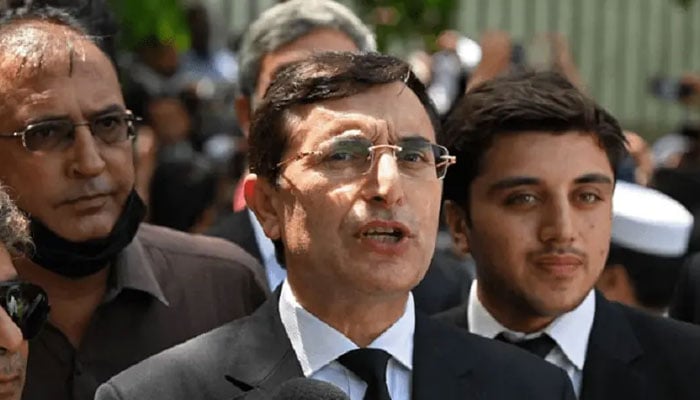
    PBC rebukes minority over political statements

    The Vice Chairman of the Pakistan Bar Council (PBC) has rejected a statement issued by eight members of the council, saying their views represent their individual opinions and cannot be considered the collective position of the institution. In a statement issued from Islamabad, the Vice Chairman said the Pakistan Bar Council has 23 members, while only eight members had issued the statement in question. He stressed that in a democratic institution, a minority cannot impose its position on the majority. He said the views expressed by the eight members should therefore not be presented as the official stance of the Pakistan Bar Council. According to him, the council’s collective position can only be determined through its proper institutional process. The Vice Chairman further said the Pakistan Bar Council must remain above political interests and personal agendas. He stressed that the institution should work to protect the independence of the legal profession and uphold the rule of law rather than become involved in political disputes. He also warned against using platforms of the superior judiciary and bar associations for political purposes. He said legal institutions and professional forums should maintain their dignity and should not be turned into platforms for advancing individual or political interests. The Vice Chairman said the Pakistan Bar Council strongly condemned the statements issued by the eight members and formally distanced itself from them. He made it clear that the statements did not represent the collective position of the council. He also criticised a statement issued by the Lahore High Court Bar Association, describing it as condemnable. He maintained that statements issued by individual members or groups within bar bodies should not automatically be treated as the official position of the entire legal community. The development comes amid growing debate within legal circles over the role of bar councils and associations in political and judicial matters.

  • | | | | |

    Trump says Iran serious about talks but not ready …

    US President Donald Trump has said Iran is showing greater seriousness toward negotiations than before, but cautioned that Tehran is still not prepared to reach a final agreement with Washington. Speaking to reporters at the White House, Trump said communication between the United States and Iran remains ongoing, although the prospects for an immediate breakthrough are still uncertain. According to media reports, the US president noted that Iran’s approach has changed compared with earlier stages of the diplomatic process, describing the country’s current attitude toward negotiations as more constructive. “Iran appears to be taking the talks more seriously than before,” Trump said, while emphasizing that a final deal is not yet within reach. He added that although discussions are continuing, significant progress is still needed before both sides can arrive at a mutually acceptable agreement. Trump said his administration remains committed to pursuing diplomatic efforts and is closely monitoring developments. He stressed that the coming days and weeks would be important in determining whether the ongoing contacts can lead to meaningful progress. The latest remarks come amid continued tensions between Washington and Tehran, with diplomatic channels remaining active despite months of regional instability and military confrontations. While both sides have maintained communication, key differences over major issues have continued to prevent a comprehensive agreement. Neither US officials nor Iranian authorities have announced any new breakthrough in the negotiations following Trump’s comments. Analysts say Trump’s latest assessment may signal cautious optimism, but they also note that complex disputes remain unresolved. They believe any potential agreement would require extensive negotiations and compromises from both sides before a deal could be finalized. For now, Trump’s message suggests that while diplomacy remains alive, expectations for an immediate agreement should remain measured. Observers will be watching closely for any signs of further progress as discussions continue, with the outcome likely to have significant implications for regional stability and US-Iran relations.

  • |

    Mother, daughter killed in Lahore road crash

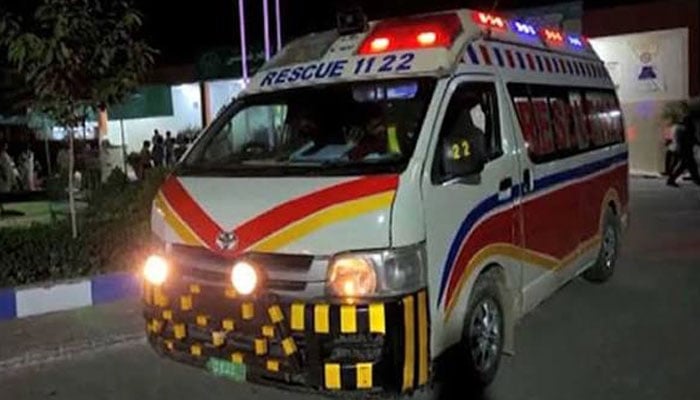
    A tragic road accident claimed the lives of a woman and her young daughter in Lahore’s suburban area of Manga Mandi after a passenger bus collided with their motorcycle. Another person riding the motorcycle sustained injuries in the crash. According to Rescue officials, emergency teams responded quickly to the scene and shifted the bodies of the deceased mother and daughter to the morgue for legal formalities. Rescuers also transported the injured victim to a nearby hospital, where doctors are providing medical treatment. Police said the bus driver fled the scene immediately after the accident, leaving the vehicle behind. Authorities have launched a search operation and are conducting raids to arrest the suspect. The incident has once again raised concerns about reckless driving and road safety in the city, as traffic accidents continue to claim lives on busy roads across Lahore. Police have started an investigation to determine the exact circumstances that led to the fatal collision.

Leave a Reply

Your email address will not be published. Required fields are marked *