govt hikes petrol
|

Govt hikes petrol by Rs4.4, diesel by Rs3.62 as gl…

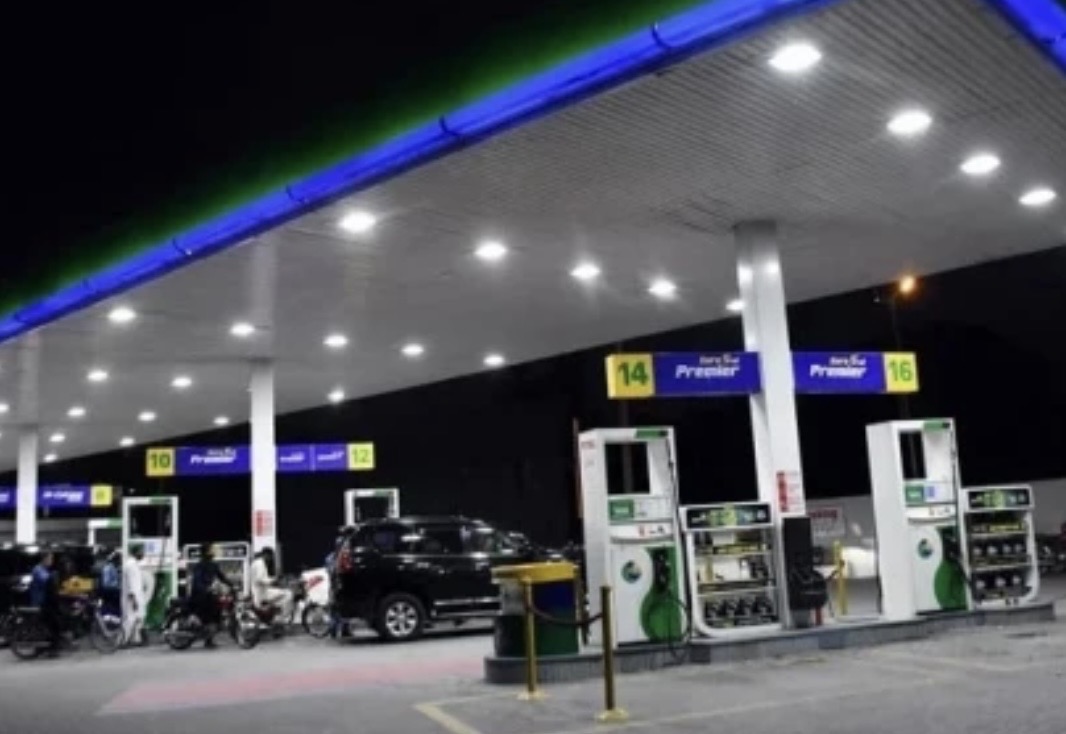
The federal government on Thursday increased the prices of petrol and high-speed diesel by Rs4.40 and Rs3.62 per litre, respectively, effective July 24. Following the latest revision, petrol now stands at Rs331.52 per litre, while HSD is priced at Rs378.66. The price hike comes amid a surge in global oil prices, with Brent crude jumping 6% to $100.50 a barrel following attacks on tankers in the Red Sea, which have choked off a second crucial Middle East artery for global oil supplies alongside Iran’s near-closure of the Strait of Hormuz.

This is the fourth consecutive day the government has revised fuel prices after switching to a daily review mechanism last week to reflect volatility in international markets. The new system bases daily fuel prices on a seven-day average of international market rates, ensuring timely adjustments to align with global trends. The latest increase was anticipated as oil prices surged to their highest level since May, driven by escalating tensions in the Middle East.

The price revision came after the government and the All Pakistan Petrol Pump Owners Association reached an agreement a day ago to postpone the association’s planned nationwide shutdown for two weeks. The agreement followed successful negotiations with Petroleum Minister Ali Pervaiz Malik, who assured dealers that their long-pending concerns, including demands for a monthly pricing mechanism and an increase in dealer commissions, would be addressed.

The surge in global oil prices has been fueled by Houthi attacks on oil tankers in the Red Sea, which have raised fears of a wider regional conflict. The attacks have disrupted shipping through the Bab el-Mandeb strait, a vital alternative route for Saudi oil exports, adding to the supply concerns already triggered by the near-closure of the Strait of Hormuz. The dual disruptions have put energy markets on edge, with fears of a global supply crunch intensifying.

The spike in oil prices has also impacted global stock markets, with major tech giants knocking US stocks lower and Europe’s borrowing costs spiking to long-term highs. The unsettling day across markets reflects the broader economic implications of the Middle East conflict, which continues to disrupt global energy supplies and threaten economic stability.

As the situation remains volatile, further price revisions are likely in the coming days. The government has assured the public that it is monitoring the situation closely and will take necessary measures to mitigate the impact on consumers. However, with global oil prices expected to remain elevated, Pakistani consumers are likely to face continued pressure on fuel costs, affecting transportation, goods, and services across the country. The government’s daily price revision mechanism aims to provide transparency and responsiveness to market changes, but it also means that consumers will face more frequent price adjustments as global oil markets remain volatile. The coming days will be critical in determining whether the situation stabilizes or whether further hikes are needed to reflect global trends.

Similar Posts

  • Sniffer Dogs Permanently Deployed at Suvarnabhumi to Fight Drug Smuggling

    BANGKOK, Thailand – Sniffer dogs have been permanently deployed at Suvarnabhumi International Airport as part of a comprehensive, multi-agency effort to intercept and dismantle drug trafficking operations at Thailand’s primary air gateway. Indian Man Caught at Suvarnabhumi Airport with 6kg of Etomidate The strategic deployment of these K-9 units is a joint operation coordinated by […]

  • | |

    Multan airport records highest-ever 37 flights in …

    MULTAN: Flight operations at Multan International Airport have increased, with the airport recording a new daily high of 37 flights on Wednesday. According to the flight schedule, 449 flights were operated across Pakistan during the past 24 hours, while 68 flights were cancelled and 112 flights faced delays of up to seven hours. Of the 37 flights operated at Multan airport, 18 arrived and 19 departed, marking the highest number of daily flight operations recorded at the airport. The schedule showed that 135 flights were operated from Karachi, 118 from Islamabad, 105 from Lahore, 17 from Peshawar, 15 from Sialkot and 12 from Faisalabad. Flight delays were also reported at several major airports. Karachi recorded delays involving nine flights, while Lahore and Islamabad each reported 33 delayed flights. Multan had eight delayed flights, Peshawar six, Sialkot eight, Faisalabad nine and Quetta six. A number of flights were also cancelled during the same period. Karachi recorded 20 cancellations, Lahore 21, Islamabad 12 and Multan three. Peshawar, Faisalabad and Sialkot each recorded two cancelled flights, while six flights were cancelled at Quetta airport. The latest figures indicate increased flight activity at Multan International Airport, with the 37-flight total setting a new daily record for the southern Punjab city’s airport.

  • | |

    Kaia Gerber speaks out on brother Presley’s addi…

    Kaia Gerber is speaking publicly about her brother Presley Gerber’s long-running struggles for the first time, offering a rare glimpse into how addiction and mental-health challenges affected their family. In a new interview for Vogue’s September 2026 issue, the 24-year-old model and actress discussed the difficult experience of watching her older brother navigate serious personal challenges. Kaia also reflected on why her family’s decision to keep private matters away from the public eye did not always make it easier to deal with them. (Vogue⁠) A family that valued privacy Kaia is the daughter of supermodel Cindy Crawford and businessman Rande Gerber. The family has generally maintained a private approach to personal matters, particularly when it comes to their children. However, Kaia explained that Presley’s struggles affected the entire family dynamic. She said she began trying to be the “easy” child, avoiding asking her parents for help because she did not want to add more pressure during an already difficult period. (Page Six⁠) Her comments reveal how one family member’s difficulties can influence everyone around them, even when those issues are kept away from the public spotlight. Presley’s openness changed the conversation Kaia also expressed admiration for Presley’s decision to speak more openly about his experiences. Rather than viewing his willingness to discuss his struggles as something embarrassing, she described it as an important example of vulnerability. Presley has previously spoken publicly about his mental-health and substance-use struggles. His openness has allowed the family to approach the subject differently and has helped Kaia recognize the importance of being honest about difficult experiences. (People.com⁠) For Kaia, hiding painful experiences was not necessarily the best way to protect the family. Instead, Presley’s willingness to talk about what he had gone through showed her that vulnerability can help people feel less isolated. A new perspective on family support Kaia’s comments do not simply revisit her brother’s past. They also show how her own understanding of family support has changed. Growing up in a famous family meant that privacy was especially important, but Kaia now appears to recognize that silence can sometimes prevent people from asking for the support they need. Her candid discussion comes as she promotes The Shards, Ryan Murphy’s new FX adaptation of Bret Easton Ellis’s novel, in which she stars alongside Homer Gere. The Vogue feature also explores her career, famous family and experiences growing up under intense public attention. (Vogue⁠) By speaking about her family with greater openness, Kaia is offering a more personal perspective on fame, privacy and the importance of allowing people to be vulnerable when they need support.

  • | |

    FBR detects Rs10bn tax shortfall, issues notices t…

    ISLAMABAD: The Federal Board of Revenue (FBR) has issued notices to seven major oil marketing companies, including Pakistan State Oil (PSO), after detecting an alleged tax and levy shortfall of nearly Rs10 billion linked to imported petroleum products. According to official documents, the tax authority claims that the companies deposited less than the required amount in customs duty, petroleum levy and climate support levy based on the volume of petroleum products imported and unloaded at their storage facilities. The notices were issued after the FBR examined petroleum import and sales data, comparing the quantities of fuel handled by the companies with the taxes and levies paid into the national exchequer. The authority concluded that the payments made did not match the applicable liabilities. Reports indicate that the total amount identified by the FBR stands at Rs9.99 billion, prompting the revenue authority to seek explanations from the companies and direct them to clear the outstanding amounts. Among the companies named in the notices, Pakistan State Oil (PSO) faces the largest claim. According to the FBR, the state-owned oil giant is required to deposit approximately Rs8.19 billion in unpaid customs duty, petroleum levy and climate levy. The remaining amount is distributed among six other companies. Puma Energy and Pak-Arab Pipeline Company have jointly been asked to deposit around Rs135.3 million, while Hi-Tech Lubricants has been directed to pay Rs116.7 million. Similarly, B Energy Limited has been issued a notice for approximately Rs250 million, Taj Gasoline has been asked to deposit around Rs260.4 million, and Gas & Oil Pakistan Limited (GO) has been directed to pay approximately Rs222.2 million, according to the official figures. The FBR has warned all the companies that failure to respond to the notices within the prescribed time or to deposit the outstanding amounts could result in legal proceedings under the relevant tax laws. The development comes as Pakistan continues efforts to strengthen tax collection and improve revenue generation amid ongoing fiscal reforms. Authorities have intensified scrutiny of various sectors, including the petroleum industry, to ensure compliance with customs regulations and levy payments. The companies concerned have not publicly responded to the notices or the allegations at the time of filing this report. The FBR is expected to review their replies before deciding on any further legal or administrative action. The case is likely to attract significant attention given its financial scale and the role of the petroleum sector in Pakistan’s economy.

  • Three Dead, Dozens Infected After Eating Raw Pork Dishes in Thailand

    BANGKOK — Thailand’s Disease Control Department has issued an urgent warning to consumers against eating raw or undercooked pork following an outbreak of Streptococcus suis (S. suis) infection that has claimed three lives and infected dozens across the country. Udon Thani Man Vows to End Dog Meat Consumption After Raw Meat Incident Sparks Outrage The […]

  • | | |

    Punjab’s Rs 40bn centralized medical tender trig…

    LAHORE: A Rs40 billion centralized procurement of surgical and medical disposables by Punjab has landed under the scanner after Minute Mirror examined official procurement documents. Managed directly by the Specialized Healthcare & Medical Education (SHC&ME) Department, this multi-billion-rupee initiative represents the province’s first centralized framework contract, effectively replacing the long-standing decentralized system under which individual public teaching hospitals and medical institutions conducted their own independent competitive bidding processes. While the primary objective of centralizing such a massive health department exercise was to leverage bulk purchasing power, lower overall market rates and enhance institutional transparency, an analysis of the purchase indicates sharp price increases, significant market distortions, and severely restricted commercial competition. According to documents available with Minute Mirror, out of 125 evaluated medical device categories, a staggering 50 items, representing 40 percent of the entire tender portfolio, attracted only a single responsive bidder. Furthermore, 45 item categories yielded just two responsive bidders, while 22 categories managed to attract three bidders. Procurement specialists and governance experts point out that although provincial procurement rules do not strictly prohibit single-bidder contract awards, relying on sole suppliers for such a vast portion of a multi-billion-rupee contract severely undermines competitive price discovery, weakens public sector bargaining power and risks creating artificial vendor monopolies across public sector healthcare facilities. Rather than securing bulk-buying discounts for taxpayers, the comparative statement demonstrates widespread price inflation when measured against established benchmark prices from the Director General Health Services (DGHS). Out of 23 medical disposables with available DGHS reference rates, 18 items, nearly 80 percent, registered dramatic price escalations. According to documents, the rate increases are most glaring among routine, high-volume surgical supplies used daily across hospital emergency rooms and operating theaters. Surgical blades across sizes 11, 15, 22, and 23 witnessed a steep 470 percent surge, rising from the benchmark rate of Rs 13.67 to Rs 78 per piece. Black braided silk sutures saw price hikes of up to 275 percent, jumping from Rs 77 to Rs 289 per unit. Similarly, essential 24G IV cannulas climbed 154 percent from Rs 96.30 to Rs 245 each, while standard blood transfusion sets increased by 40 percent, escalating from Rs 105 to Rs 147.56 per unit. The financial evaluation has also drawn strong criticism from participating firms for appearing inconsistent with earlier proceedings conducted by the Grievance Redressal Committee (GRC). During those formal hearings, several bidding vendors submitted extensive technical objections regarding bidder qualification criteria, product specification compliance, and regulatory eligibility. Stakeholders argue that the comparative evaluation sheet reflects financial outcomes that directly diverge from the issues debated and documented before the grievance committee. Legal experts contend that any apparent divergence between grievance proceedings and financial outcomes must be clearly explained through detailed, reasoned written orders to maintain public trust, uphold administrative fairness, and withstand prospective judicial scrutiny. Given the immense scale of public spending and the critical reliance of public teaching hospitals on these vital medical supplies, transparency advocates and healthcare commentators urged the provincial authorities to ensure institutional accountability, preserve regulatory compliance, and safeguard the overall integrity of Punjab’s largest public healthcare procurement exercise.

Leave a Reply

Your email address will not be published. Required fields are marked *