health secretarys gujrat

Health Secretary’s Gujrat visit triggers major health shake-up

GUJRAT: A high-level visit by Punjab Secretary for Health and Population Nadia Saqib to Gujrat triggered a major administrative shake-up, resulting in the transfer of senior health officials and a newly appointed medical superintendent, while the office of a patients welfare association at Civil Hospital Jalalpur Jattan was sealed.

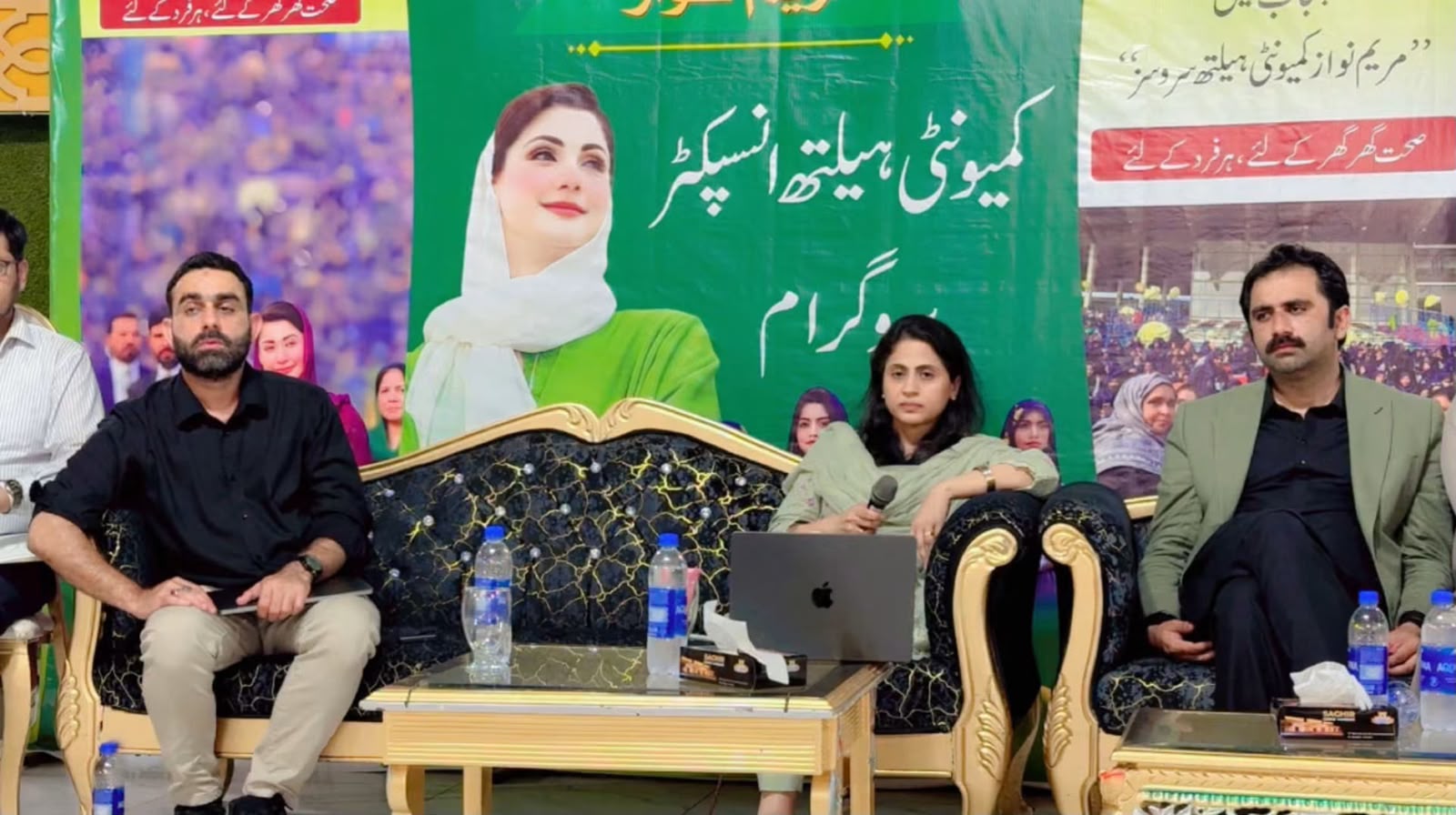
The secretary visited Gujrat to review the Community Health Inspectors (CHI) programme and attended a training workshop for field staff. Addressing community health inspectors, she stressed the importance of improving primary healthcare services, community engagement and effective field monitoring.

The workshop was attended by Deputy Director Khalid Sharif, Additional Secretary (Technical) Dr Zohaib Hassan, Project Director PFPP Captain Usman and Additional Director PIU Dr Farrukh Amin.

During the visit, Nadia Saqib also inspected Civil Hospital Jalalpur Jattan to review administrative affairs and healthcare services.

According to well-placed sources, the secretary expressed serious displeasure after learning that the recent appointment of Dr Shehzad Gul as Medical Superintendent (MS) of Civil Hospital Jalalpur Jattan had been made without the matter coming to her notice. Sources claimed she questioned the appointment during the inspection and sought an explanation from local health authorities.

Soon after the visit, Chief Executive Officer (Health) Gujrat Dr Atta-ul-Munim was transferred and posted as Senior Medical Officer (SMO) in Bahawalnagar. Officials familiar with the matter said the transfer order was issued immediately following the inspection.

In another significant development, Dr Shehzad Gul, who had only recently assumed charge as Medical Superintendent of Civil Hospital Jalalpur Jattan, was transferred and posted as Medical Officer in Attock.

The inspection also resulted in action against the office of Anjuman-e-Behbood-e-Mareezan operating within Civil Hospital Jalalpur Jattan. According to sources, the office was sealed during or after the visit following concerns that it was functioning in a manner inconsistent with its intended welfare role.

Sources alleged that the office had effectively been operating like a business despite the fact that medicines required for patients are supplied free of cost through the government hospital. They claimed the matter was brought to the secretary’s attention during the inspection, prompting immediate action. The Health Department has not officially stated the reasons behind sealing the office.

Meanwhile, sources indicated that further administrative changes could be on the cards, with the transfer of the District Health Officer (DHO) Gujrat also being considered, although no notification had been issued until late Thursday.

No official spokesperson for the Punjab Health Department issued a detailed statement linking the transfers or the sealing of the office to disciplinary proceedings. Efforts to obtain comments from the transferred officials were unsuccessful.

The developments have generated considerable discussion within Gujrat’s health sector, where employees view the latest decisions as part of a wider push for administrative accountability and stricter oversight of public health institutions.

The secretary’s visit is being seen as a clear message that governance, transparency and adherence to departmental procedures will remain central to the provincial government’s healthcare reform agenda.

Similar Posts

  • | |

    Pakistan’s HIV crisis deepens as child infection…

      Islamabad: Pakistan is facing a growing HIV crisis, with an estimated 369,000 people living with the virus while only about 84,400 cases are formally registered, according to a government Task Force report. Health experts and concerned citizens have warned that the real situation may be much worse because the country still lacks reliable and complete disease data. The warning came during a National Dialogue on HIV and AIDS organised by Lok Sehat, where doctors, public health experts, medical organisations, civil society groups and representatives of communities affected by HIV discussed the growing problem. Lok Sehat Convener Dr Zafar Mirza said the government must stop trying to control the disease by controlling or hiding data. He demanded that reliable information about HIV and other blood-borne diseases should be made available and that the government should take greater financial responsibility for HIV, tuberculosis, and malaria instead of depending heavily on international donors. The issue has become more serious because HIV infections are increasingly being reported among children and people outside the groups traditionally considered at higher risk. The Task Force report estimates that 369,000 people are living with HIV in Pakistan, but only around 84,400 cases are formally registered and about 60,789 people are receiving antiretroviral treatment. The report says the recent appearance of HIV among children in low-risk rural communities points to serious weaknesses in infection control, blood safety, healthcare regulation, and medical management. The situation in Taunsa Tehsil of Dera Ghazi Khan has raised particular concern. The Task Force report says 127 children were confirmed to have HIV during a five-month period between December 2024 and April 2025. Around 79 percent of those children were below five years of age, with the median age only three years. Investigations largely ruled out transmission from mothers because nearly all mothers of the infected children tested negative for HIV. The report identified unsafe blood transfusions and contaminated injection practices as major drivers of the Taunsa outbreak. It also found problems involving blood donor screening, unregulated healthcare providers, reuse of disposable syringes, excessive use of injections, poor sterilisation and weak infection prevention systems. Dr Zafar Mirza said repeated use of syringes and needles was a major suspected route of HIV transmission among people receiving healthcare. He called for proper training of healthcare workers and public awareness so patients and families understand the importance of using new syringes and needles. He also urged doctors to avoid unnecessary injections when oral medicines are medically suitable. The problem is not limited to one area. Former National AIDS Control Programme and IHRA chief Dr Quaid Saeed said 13 HIV outbreaks had been reported in Pakistan during the last 18 years, but only two, including the outbreaks in Jalalpur Jattan and Ratodero, had been extensively investigated. He called for proper investigations into every outbreak. The Task Force report also says the Ratodero outbreak in Sindh in 2019 affected more than 1,000 people, most of them children under 12. Investigations linked the outbreak to contaminated syringes, unsafe injections, unregulated blood transfusions, quackery and serious weaknesses in infection prevention and control. Experts also raised concerns about the treatment of people living with HIV. Dr Zafar Mirza said stigma remains a serious problem, including within parts of the medical profession. He said there had been cases where doctors refused to treat patients after learning that they had HIV. He stressed that HIV does not spread through ordinary contact such as shaking hands or being near an infected person. He called for stronger public awareness through television, newspapers and social media to correct false beliefs and reduce discrimination against patients. In Islamabad, infectious diseases expert Dr. Naseem Akhtar said many of the HIV cases seen at her centre involved people who inject drugs, deportees, transgender persons, men who have sex with men, and female sex workers. She said some cases had also been found among children. Dr Asma Naseem said the situation in Karachi was also worrying, particularly because of a rise in HIV cases among children. She said children with HIV were being brought to the Sindh Institute of Urology and Transplantation with kidney failure, describing the trend as highly concerning. The experts said weak regulation of healthcare facilities was another major part of the problem. Dr. Zafar Mirza called for stronger healthcare commissions, blood transfusion authorities, and other regulators, along with better funding, trained staff, and modern technology. The government Task Force has recommended nationwide surveillance of syringes, stronger regulation of medical devices, and a phased move towards auto-disable syringes. It has also proposed tougher action against unsafe medical practices. Another major recommendation is the creation of a national real-time HIV surveillance dashboard. The system would collect information from treatment centres, blood transfusion centres, provincial disease surveillance units and other health facilities so that new cases could be reported quickly at the national level. The Task Force has also proposed stronger testing and care for children, including early infant diagnosis, trained counsellors and paediatric HIV specialists in areas facing outbreaks. It has recommended social protection for children living with HIV, including support for medicines, nutrition, education, transport and psychological care. The proposed reforms also include stronger laws, mandatory reporting of HIV cases and outbreaks, better sharing of health data between provinces and agencies, and accountability for public and private healthcare providers where negligence contributes to disease transmission. The government report says a high-level National HIV Technical Working Group is also proposed, with experts including Maj. Gen. (R) Dr. Azhar Mehmood Kayani, Dr. Zafar Mirza, Dr. Abdul Wali Khan, Dr. Amjad Mahmood, Dr. Adnan Khan, Dr. Huma Qureshi, Dr. Hasan Abbas Zaheer, Brig. Dr. Nuzhat Mushahid, Dr. Saira Afzal, Dr. Fatima Mir, Dr. Saba Jamal, Dr. Rana Jawad Asghar and Dr. Khalid Rehman. Dr Zafar Mirza also raised concern over Pakistan’s dependence on international funding. During the briefing, he said that around 90 percent of spending on HIV, tuberculosis and malaria over the previous five years had come through the Global Fund. He argued that Pakistan should gradually take full

  • |

    Sherry Rehman opposes debate on new administrative…

    Pakistan Peoples Party (PPP) senior leader and Senator Sherry Rehman has urged political stakeholders to avoid pushing the debate over the creation of new administrative units, arguing that the country currently faces more pressing challenges. Speaking on Geo News programme *Geo Pakistan*, Rehman said she had not seen any formal proposal or draft concerning the creation of new administrative units. She stressed that political leaders should focus on improving governance and resolving public issues through political means rather than opening debates that could further complicate the situation. “We should not take the issue of administrative units any further,” she said, adding that the PPP had yet to receive any concrete proposal on the matter. Rehman also expressed concern over the country’s rising debt and growing government expenditures. She said Pakistan needed to address its economic and governance challenges instead of diverting attention towards issues that lacked a clear and practical framework. Referring to the situation in Khyber Pakhtunkhwa, the PPP leader said the province was facing serious security and political challenges. She maintained that, in her view, this was not the right time to debate the creation of new administrative units. Discussing the broader regional situation, Rehman warned that the conflict in the Middle East continued to spread, with periods of relative calm followed by renewed fighting. She said people across Pakistan wanted diplomatic and mediation efforts to move forward in order to prevent further escalation and promote peace in the region. The senator also pointed to growing international efforts aimed at mediation and conflict resolution. She said those involved in peace initiatives were gradually forming a stronger “peace lobby,” which could counter the influence of groups favouring continued conflict. Rehman further remarked that the United States had initially expected Iran to give way quickly under pressure, but developments had shown otherwise. She said the situation demonstrated the complexity of the regional conflict and the need for sustained diplomatic engagement rather than relying solely on pressure or military options.

  • | |

    Rain alert as low-level flooding persists

    Rain is expected in several parts of Punjab, upper Khyber Pakhtunkhwa and Kashmir today, according to the latest weather and flood forecast. The Flood Forecasting Division in Lahore said water levels remain elevated at several points along the Indus River. Low-level flooding is still being reported at Kalabagh, Taunsa and Guddu barrages. Authorities are continuing to monitor the situation as river flows remain higher than normal at these locations. The flooding at these barrages is currently classified as low-level. Relevant departments are keeping a close watch on water levels and river flows. Meanwhile, the situation at Chashma Barrage has returned to normal. No low-level flooding is currently being reported there. The possibility of rain in parts of Punjab, upper Khyber Pakhtunkhwa and Kashmir could affect water levels in some areas. Authorities are expected to remain alert, particularly in areas located near rivers and other waterways. Residents in vulnerable areas have been advised to stay informed about weather and flood updates and follow instructions issued by local authorities.

  • | |

    10 India-backed terrorists killed in security oper…

      At least 10 terrorists affiliated with the India-backed group Fitna al-Hindustan were killed during an exchange of fire with security forces in Balochistan’s Khuzdar district, according to security sources. The sources said the operation was launched in the Shor Parod mountainous region after intelligence reports indicated the presence of militants linked to Fitna al-Hindustan, which Pakistani authorities describe as an Indian proxy group. During the operation, security personnel engaged the militants in an intense exchange of fire. At least 10 terrorists were killed, while several others sustained injuries, according to the security sources. The operation was carried out as part of ongoing efforts to counter militant activity in the province. Security officials reiterated their resolve to continue intelligence-based and targeted operations against terrorist groups until the threat of terrorism is eliminated from the country. They said security forces would remain vigilant and take action against militants involved in attacks and other violent activities. The latest development comes three days after another major security operation in Balochistan in which at least eight terrorists affiliated with Fitna al-Hindustan were killed following the premature detonation of a vehicle-borne improvised explosive device (VBIED). According to security officials, the explosive device detonated while the militants were reportedly preparing it in Surab district. The premature blast killed several terrorists and disrupted what was believed to be an attempt to prepare an attack. Security forces subsequently launched an operation in the area. During the operation, personnel detected the movement of terrorists who were attempting to flee from the area. The security forces pursued the militants and killed 10 of them, according to officials. The incidents highlight the continuing security challenges faced by Balochistan, which has witnessed repeated militant attacks and counterterrorism operations in recent years. Pakistan has experienced a significant increase in terrorist activity, particularly in Khyber Pakhtunkhwa (KP) and Balochistan, since 2021, when the Afghan Taliban returned to power in Afghanistan. Both provinces have remained major areas of concern for Pakistani security authorities because of the frequency and intensity of militant attacks. According to a report published by the Centre for Research and Security Studies (CRSS), KP and Balochistan continued to be the country’s primary hotspots for violence during the second quarter of 2026. The report identified Khyber Pakhtunkhwa as the worst-affected region during the period. It said the two provinces together accounted for nearly 96% of all violence-related fatalities recorded across Pakistan during the quarter. Of the total number of deaths reported, more than 61%, or 475 fatalities, occurred in KP. Balochistan recorded 265 deaths, accounting for approximately 34% of the total. Khyber Pakhtunkhwa also registered the highest number of violent incidents during the quarter. According to the CRSS report, the province recorded 151 incidents, representing 57% of all such incidents reported nationwide. Balochistan followed with 94 violent incidents, making up around 35% of the national total. The figures underline the concentration of militant activity and violence in the two provinces. Security forces have continued conducting operations in both regions to disrupt militant networks, prevent planned attacks and target individuals involved in terrorism. The latest operation in Khuzdar is part of these continuing counterterrorism efforts.

  • | |

    Lahore Metro Bus shutdown averted

    The Lahore Metro Bus service will continue operating after a possible shutdown was avoided following talks between the service operator and the Punjab Mass Transit Authority (PMTA). The operator, VEDA, had raised financial and other concerns that had created uncertainty over the future of the mass transit service. PMTA General Manager Operations Uzair Shah said the authority was seriously considering VEDA’s demands. He said negotiations were continuing to address the company’s concerns. According to the official, there was no immediate threat to the Metro Bus operation, and commuters would continue to receive transport services as usual. The two sides are expected to hold another round of discussions on Tuesday. The meeting will focus on resolving VEDA’s outstanding demands and finding a workable solution to the issues between the operator and the authority. The development has provided relief to thousands of passengers who rely on the Lahore Metro Bus for daily travel across the city. Officials hope that the ongoing negotiations will lead to an agreement and prevent any disruption to the service in the future.

  • |

    Two tribal elders killed in South Waziristan

    Two tribal elders were shot dead by unidentified armed men in the Zarmilan area of Toi Khulla tehsil in Lower South Waziristan on Sunday, according to police District Police Officer (DPO) Shah Hassan identified the victims as Haji Gul and Malik Badshah, both members of the Suleman Khel tribe. Police said the two elders were travelling from Gul Kach towards Zarmilan when gunmen opened fire on their vehicle near Darozanda. Both men sustained multiple bullet wounds and died at the scene, while the attackers escaped. Police registered a preliminary case at Toi Khulla police station and launched an investigation. DPO Hassan said officers were examining all possible aspects of the incident and working to identify and arrest the suspects. The killings come amid growing concerns over the deteriorating security situation in Lower South Waziristan. The district has witnessed a rise in targeted killings, bomb attacks, kidnappings for ransom, extortion and attacks on police and security personnel over the past 18 months. Tribal elders and their relatives have increasingly become targets of violence. The trend has raised concerns about the safety of influential tribal figures, who have traditionally helped resolve disputes and maintain peace through jirgas and other local mechanisms. In May, prominent tribal elder and chief of the Ahmadzai Wazir tribe, Malik Tariq Wazir, was among three people killed in an IED blast near Gulshan Plaza in Wana’s busy Rustam Bazaar. Four others suffered injuries in the explosion. Police said explosives had allegedly been planted near the plaza overnight and detonated in the morning as Malik Tariq passed through the market in a vehicle. He was considered an influential figure who played an active role in tribal jirgas and local dispute resolution. He had also been abducted by armed men in December 2024 but was later released following efforts by tribal elders and local mediators. In another incident in June 2026, unidentified gunmen killed two sons of prominent tribal elder Malik Jamil Wazir near Kari Kot Bazaar in Wana tehsil. The brothers were identified as Naveed Wazir and Moeenuddin Wazir.

Leave a Reply

Your email address will not be published. Required fields are marked *