karachi traffic police
| |

Karachi traffic police issue comprehensive traffic…


The Karachi Traffic Police have announced a comprehensive traffic management plan for the city’s central Chehlum procession, informing residents that M.A. Jinnah Road will remain closed to traffic throughout the event. The special arrangements have been introduced to ensure the smooth movement of the religious procession while minimizing inconvenience for commuters. Citizens have been advised to plan their travel accordingly and use the designated alternative routes to avoid delays.

According to the traffic police, all traffic traveling from Saddar toward Tower will be diverted through Preedy Street and I.I. Chundrigar Road. In addition, several key intersections and commercial areas, including Lighthouse, Empress Market, Regal Chowk, and Tibet Centre, will have temporary traffic diversions in place. These measures are intended to keep vehicles away from the procession route and maintain public safety during the event.

Motorists approaching from Shahrah-e-Quaideen will be redirected toward Kashmir Road and Peoples Chowrangi. Vehicles arriving from Korangi, Landhi, and the National Highway will be diverted through Rashid Minhas Road before proceeding to the Super Highway. Traffic officials have urged drivers from these areas to follow diversion signs and cooperate with law enforcement personnel deployed along the routes.

Commuters traveling from Nazimabad will be able to reach their destinations through Lasbela, Garden, and Nishtar Road. Similarly, traffic coming from Liaquatabad will be diverted at Lasbela Chowk toward Nazimabad No. 10. These alternate routes have been identified to reduce congestion and facilitate the movement of vehicles while the main procession route remains inaccessible.

The traffic plan also outlines arrangements for vehicles coming from Hassan Square. Such traffic will be directed through Shahrah-e-Quaideen, Society Light Signal, and Teen Hatti before reaching Lasbela Chowk. Meanwhile, motorists traveling from Shahrah-e-Faisal will be guided through Society Light Signal and Sher Shah Suri Road to continue their journeys. Drivers using Jamshed Road and intending to travel toward Gurumandir have been advised to use Bahadur Yar Jang Road or Soldier Bazaar Road as alternative routes.

The Karachi Traffic Police have imposed strict restrictions on heavy vehicles for the duration of the procession. Heavy traffic will not be allowed to enter the city from 10:00 a.m. until the conclusion of the Chehlum procession. The restriction is aimed at preventing congestion and ensuring the safety of participants and the general public. Transport operators have been instructed to adjust their schedules accordingly and avoid entering restricted areas during the specified hours.

Authorities have also announced a complete ban on parking along the procession route. Any vehicle found parked in prohibited areas will be immediately towed away without prior notice. Traffic police have warned motorists to comply with parking regulations and follow the instructions of officers on duty to avoid penalties and unnecessary inconvenience.

The central Chehlum procession is scheduled to begin at 9:00 a.m. on Tuesday, August 4, from Nishtar Park. A large number of mourners are expected to participate in the religious gathering, prompting extensive security and traffic arrangements across the city. Police and traffic officials will remain deployed throughout the procession to manage vehicle movement, assist commuters, and maintain public order.

Residents are encouraged to stay updated through official traffic advisories before leaving their homes and to use alternative routes wherever possible. The Karachi Traffic Police have appealed to the public for patience and cooperation, emphasizing that the temporary restrictions are necessary to ensure the safe and peaceful conduct of the central Chehlum procession while minimizing disruption to daily life.


Similar Posts

  • | | |

    PCB introduces comprehensive fitness policy for do…

      The Pakistan Cricket Board (PCB) has introduced a comprehensive domestic cricket fitness policy for the 2026-27 season, making physical fitness a key requirement for players representing regional, departmental, district, and zonal teams across the country. The newly announced policy has been designed to improve players’ overall fitness standards and ensure they are better prepared for the physical demands of modern cricket. Covering athletes from junior age-group competitions to first-class domestic cricket, the framework aims to establish a consistent and measurable fitness system throughout Pakistan’s domestic structure. The fitness programme has been developed by PCB Director of Sports and Exercise Medicine Javed Mughal. It follows a structured two-tier model that has been designed to align with international cricket standards while remaining practical, reliable, and easy to implement across different levels of the domestic game. The testing procedures have been created to produce consistent and repeatable results, allowing coaches and trainers to accurately monitor players’ physical progress. Under the new system, Tier 1 will apply to players representing the country’s 20 regional teams, eight departmental first-class sides, and more than 25 Grade-II departmental teams. These players will be required to complete 11 separate fitness tests, providing a total of 17 scoring opportunities during the assessment process. Tier 2 has been introduced for players competing in senior district cricket, U19 district teams, and regional U17 and U15 squads. Participants in this category will undergo eight different fitness tests, offering a maximum of 12 scoring opportunities. The PCB has also established a clear scoring system to determine whether a player passes or fails the assessment. In Tier 1, players may receive up to seven red scores and still meet the required fitness standard. However, recording eight or more red scores will result in a failed assessment. Those who fail will be allowed one opportunity to retake the test. Similarly, Tier 2 players will fail the assessment if they receive six or more red scores. The board hopes that the grading system will encourage players to maintain high fitness standards while also identifying areas requiring improvement. Fitness monitoring will not end after the initial assessment. Players who successfully complete the testing process will undergo another round of fitness evaluations approximately six months later. The purpose of the follow-up assessment is to measure each player’s progress and ensure that fitness levels continue to improve throughout the season. According to the PCB, every player is expected to demonstrate measurable improvement compared to their initial baseline results. The board believes continuous assessment will promote long-term physical development rather than one-time preparation for testing. The policy also outlines the procedure for players who do not meet the required benchmarks. Instead of repeating only the failed components, any player who fails the assessment will be required to complete the entire fitness testing programme again. This approach is intended to ensure overall physical readiness rather than focusing on individual weaknesses. The responsibility for conducting the assessments will rest with PCB-approved strength and conditioning coaches. These coaches will supervise fitness testing at every level of domestic cricket and submit the results to the National Cricket Academy along with the PCB’s Medical and Sports Science Department for evaluation and record-keeping. With this initiative, the PCB aims to strengthen the fitness culture within domestic cricket, enhance player performance, and create a stronger pathway for athletes aspiring to represent Pakistan at the international level.

  • | |

    Christian Convery calls Anne Hathaway his ‘hero’

    Actor Christian Convery has opened up about his experience filming the sci-fi thriller The End of Oak Street, describing the production as both exciting and emotionally demanding while praising his co-star Anne Hathaway. The film features Convery alongside Hathaway, Ewan McGregor and Maisy Stella. The story follows the Platt family as they struggle to survive after their neighbourhood is mysteriously displaced into an unfamiliar and dangerous environment. Speaking about the filming experience, Convery said the production involved a sharp contrast between lighthearted family scenes and emotionally intense sequences. He explained that scenes involving ordinary family moments, such as a neighbourhood party or a meal together, were enjoyable to film. However, extended periods of emotionally heavy scenes became exhausting for the cast. The young actor said the demanding nature of the production helped the cast connect with their characters on a deeper level. According to Convery, the actors were placed under considerable physical and emotional pressure during filming, which helped them portray the fear, tension and uncertainty experienced by their characters more convincingly. Convery also discussed how the cast developed a believable family dynamic on screen. He said there was no special formula for creating chemistry because the cast members naturally connected when they first met. He credited the table read, preparation sessions and regular discussions for helping the actors understand their relationships within the story. The cast also spent time together away from the set, including during meals and weekends, which further strengthened their bond. The actor said the close relationship eventually extended beyond the principal cast, describing the entire production team as a large family. Convery also spoke warmly about working with Anne Hathaway, admitting that he initially felt nervous because she had been one of his acting heroes for many years. He said Hathaway treated him as a professional colleague rather than simply as a young actor. That approach helped him feel respected and gave him an opportunity to learn from her while maintaining a clear distinction between their on-screen relationship and their real-life professional relationship. Convery has been working in the entertainment industry since childhood. He said a major turning point came when he was around nine years old and landed the lead role in Sweet Tooth, a project he filmed over several years in New Zealand. He explained that the experience encouraged him to take acting more seriously and develop a deeper understanding of filmmaking. He began studying different performances, directors and classic films while learning more about the creative process behind cinema. Despite his early success, Convery said he remains focused on improving his craft and believes actors should remain grounded and recognise that there is always more to learn.

  • |

    Mamdani’s multilingual, meme-friendly style wins over young voters

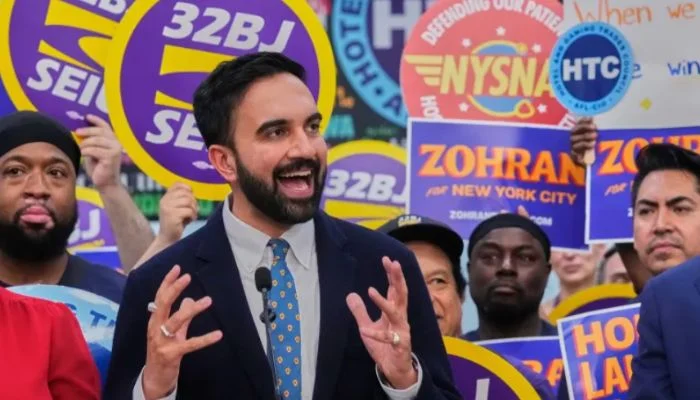
    Zohran Mamdani has built a notably different kind of political connection with New York’s diverse communities. His approach centers on delivering campaign outreach in multiple languages, including Mandarin, Bengali and Spanish. Rather than relying solely on English, Mamdani’s team has woven the city’s varied linguistic makeup directly into its outreach strategy. That approach has helped him connect more directly with working-class neighbourhoods and immigrant populations in their native languages. The New York City mayor’s approach to engaging constituents has repeatedly drawn attention. His localised messaging and public appearances, often delivered fluently across several languages, have become a defining feature of his public image. The style has also sparked plenty of reaction online, with social media users reacting with a mix of praise and humour. One widely shared comment joked that he seems to be collecting languages the way people collect Pokémon cards. Online audiences have picked up on his frequent switching between languages across different platforms, fuelling ongoing viral commentary and internet humour surrounding his public appearances. Mamdani’s rise has been driven largely by viral moments, genuine community engagement, and his multilingual outreach. Together, these elements have made him a particularly influential figure among Gen Z and millennial voters. Exit polling data shows just how central younger voters have been to his political base. Roughly 75% to 78% of voters aged 18 to 29 backed him, contributing to a notable rise in youth turnout during recent municipal elections. Unlike many politicians who stick closely to rehearsed talking points, Mamdani’s communication style leans heavily on relatable humour, short-form video content and an active social media presence. Whether he is sharing lighthearted Gen Z-style clips, interacting casually with a neighbourhood cat, or switching fluidly between Mandarin, Bengali and Spanish, his approach reflects both the language and culture of a diverse, younger audience. Beyond his online popularity, younger voters also point to his focus on core issues like housing affordability, economic inequality and broader representation. By treating everyday culture and multilingual communication as central to his political identity rather than an afterthought, Mamdani has reshaped how candidates in the city are attempting to reach younger, more diverse voters.

  • |

    Protests erupt in Bologna after man’s death during police restraint

    Thousands of people marched through the Italian city of Bologna after the death of a Moroccan born man who died while being restrained by police, prompting a criminal investigation and violent clashes that left dozens of officers injured. The protests were held in memory of Abderrahim Fakir, whose death on Sunday has sparked widespread public anger and renewed debate over police conduct in Italy. Demonstrators gathered to demand justice before a smaller group broke away from the main rally and clashed with riot police late into the night. Authorities said 64 police officers were injured during the unrest as protesters threw objects, confronted security forces and set two vehicles on fire. Police eventually brought the situation under control. The incident that led to the demonstrations began after officers responded to reports of a man behaving erratically in Bologna’s Pilastro neighbourhood. According to police, Fakir was seen kicking garage doors before officers attempted to calm him. They later used pepper spray during the confrontation. A video widely shared by Italian media shows two police officers holding Fakir face down on the ground while another man restrains his legs. Emergency medical workers are also visible nearby. In the footage, Fakir can be heard asking the officers to stop before he gradually stops moving. After he became unresponsive, officers handcuffed him and attempted to wake him before medical staff intervened. Prosecutors have opened a manslaughter investigation involving the police officers and emergency workers who were present at the scene. The inquiry will examine whether the restraint methods or medical response contributed to Fakir’s death. Several witnesses told local media that although Fakir appeared distressed, he was unarmed and did not pose a threat to anyone nearby. His sister, Khadija Fakir, called for a full investigation and said the family wanted answers about how he died while in police custody. Bologna Mayor Matteo Lepore also expressed shock after watching the video and organised Monday’s public demonstration in support of Fakir’s family. During the rally, Fakir’s niece addressed the crowd, describing her uncle as a caring and respected member of the community. She said he deserved compassion, dignity and help rather than the outcome that followed. Although the main demonstration remained peaceful, officials said a small number of protesters later turned violent. Mayor Lepore condemned the unrest while drawing a distinction between peaceful demonstrators and those who resorted to violence. The police union defended the officers’ actions and argued that the available video showed they had acted appropriately under difficult circumstances. Union representatives said the officers immediately handed over body camera footage to investigators and insisted the use of force was justified because officers faced resistance during the incident. Prime Minister Giorgia Meloni called for a thorough investigation into Fakir’s death while strongly condemning the violence that followed. She said determining the truth about the incident was essential but stressed that attacks on law enforcement could not be justified. Fakir’s death has drawn comparisons with previous high profile cases involving deaths in police custody in Italy. Opposition politicians have criticised the government’s strong support for police, while human rights advocates say the investigation must establish whether officers followed proper procedures during the arrest. The case has intensified public discussion over policing practices and accountability across the country.

  • | |

    JI seeks Rs1 billion damages from former FBR chief

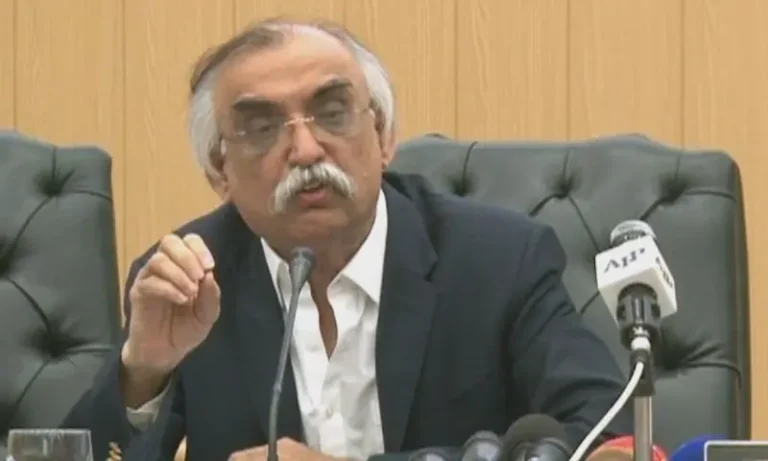
    KARACHI: Jamaat-i-Islami (JI) has served a legal notice on former Federal Board of Revenue chairman Shabbar Zaidi. The party is seeking Rs1 billion in damages over remarks it says harmed its reputation. The notice relates to allegations made by Zaidi about the political party and its role in public protests. JI said the former FBR chief made the remarks during a podcast and later repeated them on different social media platforms. According to the party, the notice was issued on July 27 through Advocate Tahir Iqbal Malik. It was sent on the instructions of JI Karachi General Secretary Taufiquddin Siddiqui. JI has accused Zaidi of making serious and damaging claims. The party says the allegations suggested that it had received money to weaken or suppress public protests and political issues. The party also objected to comments in which Zaidi allegedly described JI as an “establishment firewall”. According to JI, the remarks created an impression that the party was working to dilute public concerns and protests. The legal notice claims that the statements included allegations of secret funding, bribery, corruption and political misconduct. It also alleges that the remarks suggested coordination between the party and state institutions. JI has demanded that Zaidi provide evidence to support his claims. The party has asked him to identify the person who allegedly made the payment and the individual who supposedly received it. The notice also seeks details about the alleged amount, including when and where the payment was made. JI has asked for information about the method of payment and any bank records or financial documents linked to the allegation. The party has further demanded evidence concerning the alleged protest or public issue. It has asked for the names of witnesses and any documents, recordings or other material that could support the claims. JI also wants Zaidi to disclose the source of the information on which his allegations were based. The party has said the claims should be backed by verifiable evidence. When approached for a response, Zaidi said he had forwarded the legal notice to his lawyer. He said he would seek legal advice on the matter. The dispute could now move into a legal phase if the former FBR chairman does not respond to the notice in the manner demanded by the party.

  • | |

    Rashid Latif urges PCB chairman to utilize Younis …

    Former Pakistan Test captain and wicketkeeper-batter Rashid Latif has called on Pakistan Cricket Board (PCB) Chairman Mohsin Naqvi to make better use of former captain Younis Khan’s expertise for the growth and development of cricket in the country. Latif believes that experienced former players like Younis Khan can play a significant role in nurturing young talent and strengthening Pakistan’s cricket structure. Speaking at the inauguration ceremony of the Younis Khan Cricket Academy at KHA Legend Arena in Karachi’s Gulshan-e-Iqbal, Rashid Latif stressed the need to put Pakistan cricket on the right path by involving accomplished cricketers in the development process. He said Younis Khan’s vast experience and commitment to the game make him one of the best individuals to guide the next generation of players. Latif also reflected on Karachi’s rich cricketing history, noting that there was a time when the Pakistan national team featured a large number of players from the city. However, he said the situation has changed over the years, and Karachi no longer contributes players at the same level as it once did. Highlighting the importance of Karachi’s Malir district, Rashid Latif said the area has produced several outstanding cricketers, including Saeed Anwar, Khurram Manzoor, Asim Kamal, Younis Khan, and himself. According to him, the region has long been a breeding ground for cricketing talent and deserves continued investment in player development. The former captain also pointed out that while many of Younis Khan’s contemporaries are seeking positions within the Pakistan Cricket Board, Younis has remained focused on serving the game by working directly with aspiring cricketers. Latif praised this dedication, saying it reflects Younis Khan’s genuine passion for Pakistan cricket. Rashid Latif expressed confidence that the Younis Khan Cricket Academy will help revive grassroots cricket in Karachi by providing young players with quality coaching and professional guidance. He emphasized that similar initiatives can strengthen the country’s cricketing future if supported by the PCB and other stakeholders. Concluding his remarks, Latif paid tribute to Younis Khan’s remarkable achievements, describing his record of more than 10,000 Test runs and 34 Test centuries as an extraordinary milestone. He said cricketers of Younis Khan’s caliber are produced only once in a generation, making it essential for Pakistan cricket to benefit from his experience and leadership.

Leave a Reply

Your email address will not be published. Required fields are marked *