lawyer explains mohsin
| |

Lawyer explains why Mohsin Naqvi was excluded from…

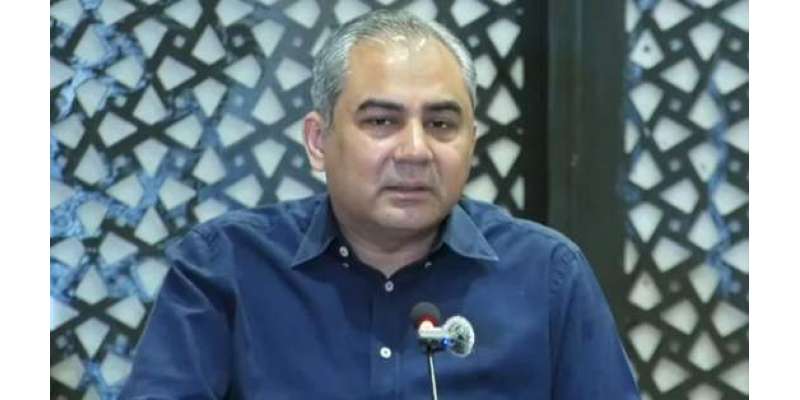
ISLAMABAD: Barrister Uzair Bhandari, representing Dr Uzma Khan, has clarified why Interior Minister Mohsin Naqvi was not initially named as a respondent in the contempt of court petition filed before the Supreme Court.

Dr Uzma Khan, sister of PTI founder Imran Khan, filed the petition in connection with alleged non-compliance with a court order. Questions were subsequently raised over the absence of the interior minister from the list of respondents.

In a statement shared on X, Bhandari explained that the respondents were selected on the basis of their alleged involvement, public statements and administrative responsibilities.

He said Federal Ministers Azam Nazeer Tarar and Attaullah Tarar were included because they had publicly commented on the relevant court decision and the issue concerning the transfer.

Prime Minister Shehbaz Sharif was also named, Bhandari said, in line with the legal principle established by the Supreme Court in the Yousaf Raza Gilani case. Under that precedent, the prime minister carries ultimate administrative responsibility for ensuring compliance with court orders.

Regarding Mohsin Naqvi, the lawyer said the interior minister had not made any direct statement about the specific court decision at the time the petition was filed. As a result, there was no immediate basis for including him as a respondent.

Bhandari, however, clarified that this does not prevent Naqvi from being added to the proceedings in the future. If relevant evidence emerges during the investigation, or if the Supreme Court considers it necessary, the interior minister could subsequently be made a party to the case.

The lawyer also explained the inclusion of the Interior Secretary. Under the Rules of Business, 1973, the Interior Secretary serves as the administrative head of the Interior Division. The secretary was therefore named on the basis of the division’s legal and administrative responsibilities.

Similar Posts

  • | |

    PIMS gets Rs22bn in three years amid staffing, saf…

    ISLAMABAD: The Pakistan Institute of Medical Sciences (PIMS) has received a total budget of around Rs22 billion over the past three years, according to official budget documents obtained by Minute Mirror. The financial figures have come under scrutiny following the deadly fire in the Mother and Child Health (MCH) Ward on August 26. The incident has raised questions about the hospital’s financial management, staffing levels, maintenance and fire safety arrangements. According to the documents, PIMS was allocated Rs6.84 billion during the previous financial year. However, the hospital spent Rs7.51 billion, exceeding the allocated amount by around Rs670 million, or Rs67 crore. For the current financial year, the federal government has allocated Rs7.63 billion to PIMS. The hospital has also been provided Rs500 million, or Rs50 crore, under the repair and maintenance head in the current budget. The allocation has attracted particular attention after the fire. Questions are now being raised about whether adequate funds were used to maintain electrical systems, hospital infrastructure and fire safety equipment. The financial questions have emerged alongside a serious staffing shortage at PIMS. The hospital has 949 vacant positions against 2,451 sanctioned posts. The vacancies include 385 doctors and clinicians, 363 nurses and 201 paramedical staff. Health experts have questioned how a major public hospital receiving billions of rupees in government funding continues to face shortages of medical personnel and concerns about infrastructure and safety. They say staffing gaps can place additional pressure on existing employees and affect patient care, emergency response and hospital management. The August 26 fire has intensified these concerns. Prime Minister Shehbaz Sharif took notice of the incident and directed Federal Health Minister Mustafa Kamal to visit PIMS and assess the situation. Minister of State for Interior Talal Chaudhry said the prime minister had also ordered a high-powered investigation into the tragedy. The Establishment Division subsequently suspended National Health Services Secretary Muhammad Aslam Ghauri for 120 days. Capt. (Retd.) Muhammad Mahmood, Secretary Housing and Works, was given additional charge of the Health Secretary for three months. The developments have increased calls for the investigation to examine not only the immediate cause of the fire but also the hospital’s broader administrative and financial arrangements. A senior officer, speaking on condition of anonymity, claimed that authorities had repeatedly been informed about shortages of staff, equipment and safety facilities. The officer questioned whether the Rs50 crore allocated for repair and maintenance would be used to address fire safety and infrastructure requirements. The official spending figures have also raised questions about the reasons for the previous year’s expenditure exceeding the approved allocation by Rs67 crore. However, the available figures alone do not establish financial wrongdoing. A detailed audit would be required to determine how the additional expenditure was incurred, whether it was properly authorised and where the funds were spent. PIMS is part of a wider staffing problem affecting federal healthcare facilities in Islamabad. More than 1,470 positions are reportedly vacant across four major government hospitals. Besides PIMS, the Polyclinic Hospital has 439 vacant positions, the National Institute of Rehabilitation Medicine has 29, while the Federal General Hospital has more than 57 vacancies. The combination of large public allocations, vacant positions and concerns over hospital infrastructure has prompted calls for greater transparency in the use of government funds. The key questions now facing authorities include whether maintenance funds were adequately utilised, who authorised spending beyond the allocated budget, whether previous warnings were acted upon and whether the investigation into the PIMS fire will examine possible administrative or financial failures. A comprehensive audit and transparent investigation could help determine whether the problems resulted from insufficient resources, poor utilisation of available funds, weak oversight or administrative failures. Officials have yet to make public a detailed audit of PIMS expenditure or announce a firm timeline for filling the hospital’s vacant positions.

  • |

    Fawad Blames PML-N, PPP for political deadlock

    Former federal minister Fawad Chaudhry said Pakistan cannot move forward politically or economically as long as the country’s two major ruling parties, the Pakistan Muslim League-Nawaz (PML-N) and the Pakistan Peoples Party (PPP), continue to dominate national politics. Speaking to reporters in Islamabad, Fawad criticized former president Asif Ali Zardari and former prime minister Nawaz Sharif, arguing that their continued influence has prevented the country from making meaningful progress. He said Pakistan would struggle to achieve stability and development unless it moved beyond what he described as the traditional political leadership. Fawad also took aim at Prime Minister Shehbaz Sharif’s economic record. He noted that Shehbaz has presented a total of 17 budgets during his political career, including 12 as chief minister of Punjab and five at the federal level. He questioned what new solutions the prime minister could still offer after overseeing so many budgets. Commenting on constitutional reforms, Fawad said he supports the transfer of administrative powers, adding that decentralization could strengthen governance if implemented effectively. Addressing the broader political situation, he stressed that any genuine national dialogue must include the founder of Pakistan Tehreek-e-Insaf (PTI), who remains in prison. Fawad said the PTI founder is the country’s most influential political leader and should be engaged in talks as a Pakistani citizen. He added that he shares a long political association with the PTI founder and believes meaningful negotiations cannot succeed without his participation. Former Sindh governor Imran Ismail, who was also present during the media interaction, said he has submitted a request to meet the PTI founder. According to Ismail, he intends to discuss proposals related to the creation of new provinces and seek his opinion on the issue before moving forward with any political discussions.

  • | |

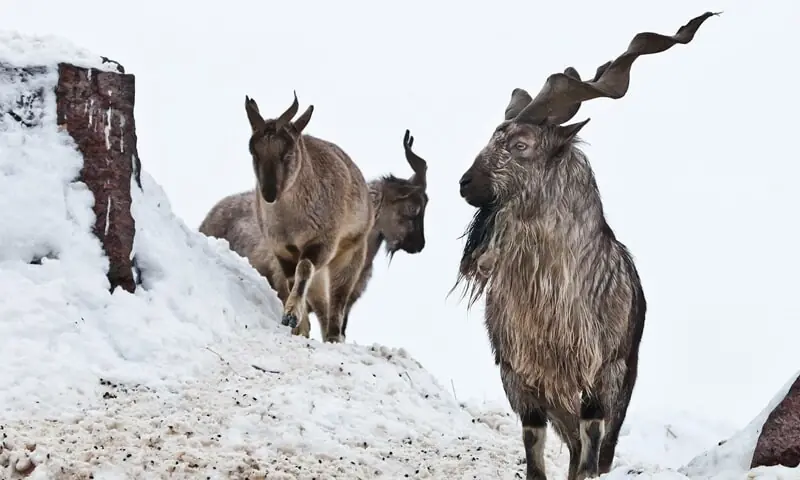
    GB to auction hunting permits for Markhor, blue Sh…

    GILGIT: The Parks and Wildlife Department of Gilgit-Baltistan is set to auction hunting permits for three Astore markhors, 14 blue sheep and 100 Himalayan ibexes under the region’s Trophy Hunting Programme for the 2026-27 season. The base price for an Astore markhor permit has been fixed at $200,000, making it the most expensive permit on offer. The minimum price for a blue sheep permit has been set at $25,000, while permits for Himalayan ibex will start at $11,000. According to the auction notice, four Astore markhors are included in the exportable quota. However, one permit from the previous hunting season has been carried forward, leaving three fresh permits to be auctioned this year. The open auction will take place on September 10 at the Forest Complex in Jutial, Gilgit. The trophy hunting season will begin on October 15, 2026, and continue until April 10, 2027, in accordance with the GB Trophy Hunting Guidelines 2019. Hunting will be permitted only within officially designated conservation areas. The department said the annual hunting quota has been determined following wildlife population surveys conducted by experts. GB Chief Conservator Parks and Wildlife Zakir Hussain said that the department collected approximately Rs350 million through permit auctions last year against a target of Rs550 million. He said several permits remained unused during the 2025-26 season, including those for two Astore markhors, five blue sheep and 10 exportable Himalayan ibexes. The unused permits resulted in an estimated revenue loss of around Rs200 million. According to officials, the cancellation of hunting plans by American and other international hunters was linked to the law-and-order situation following violent protests in Gilgit and Skardu. Local business owners and tourism operators have expressed concern over repeated increases in trophy hunting permit prices. They argue that higher baseline rates have discouraged foreign hunters and negatively affected businesses connected with hunting tourism. Ikram Beg, a local business owner who sells hunting equipment, said the trophy hunting programme was facing significant challenges. He claimed that the Wildlife Department had increased baseline prices by more than 300 per cent over the past two years without adequately incorporating recommendations from major stakeholders. According to Beg, excessive price increases could make Gilgit-Baltistan less competitive in the international trophy hunting market. He warned that declining international participation could reduce government and community revenues while weakening incentives for local residents to participate in wildlife conservation. Beg stressed that trophy hunting should primarily serve as a conservation mechanism rather than simply becoming a source of increased government revenue. He said the programme’s long-term success depends on reasonable pricing, international participation, transparent administration and meaningful financial benefits for local communities. Local stakeholders have called for a review of the permit rates and greater consultation with communities, conservation specialists and industry representatives. They have also demanded transparency and strict adherence to applicable rules and regulations. Although trophy hunting remains controversial internationally, its supporters argue that regulated hunting can generate funds for conservation, discourage illegal hunting and provide financial benefits to communities living near wildlife habitats. In Gilgit-Baltistan, the programme began with community participation in Bar Valley, Nagar, in 1990. Under the existing revenue-sharing model, approximately 80 per cent of licence revenue goes to local communitiesfor wildlife protection and conservation activities. The region’s challenging terrain and harsh weather also make trophy hunting highly demanding. Hunters must navigate steep and rugged mountain slopes while dealing with extremely cold conditions. Gilgit-Baltistan is home to diverse wildlife because of its varied ecosystems and climate. Species found in the region include Marco Polo sheep, ibex, markhor, urial, blue sheep, lynx, snow leopards, brown and black bears, wolves, foxes and golden eagles. However, wildlife experts and conservationists continue to face concerns over illegal hunting, inadequate wildlife management and the effects of climate change, all of which pose long-term threats to the region’s biodiversity.

  • | | |

    Kot Addu canal tragedy leaves 12 dead, three missi…

    KOT ADDU: A devastating tragedy unfolded in Kot Addu after a loader rickshaw carrying members of a wedding procession fell into the Muzaffargarh Canal, leaving at least 12 people dead and three others missing. The incident has plunged several families into mourning. Children and women are among those who lost their lives in the accident. Rescue 1122 teams from Kot Addu and Muzaffargarh reached the site soon after receiving information about the incident. A search and rescue operation was launched in the canal. Rescuers used boats, scuba-diving equipment and other available resources to search for the victims. Several bodies were recovered during the operation, bringing the death toll to 12. Three people remain missing. Rescue officials said divers are continuing to search different sections of the canal. Rescue boats are also being used to cover wider areas. According to a list provided by Rescue 1122, those who died included 14-year-old Dalaur, seven-year-old Muneeb, 58-year-old Sakina Bibi, 15-year-old Sameera Bibi, nine-year-old Raju, seven-year-old Muhammad Sibtain, 11-year-old Zareef, 35-year-old Iqbal Bibi, 13-year-old Kaleemullah, 12-year-old Muhammad Jalal, five-year-old Muhammad Ali and Muhammad Saeem. The large number of children among the victims has added to the grief surrounding the tragedy. Families who had set out to attend a wedding were suddenly confronted with an unimaginable loss. Homes that were preparing for celebrations are now filled with mourning. The families of the three missing people are facing severe distress. Relatives have gathered near the site and are waiting for information about their loved ones. Minute Mirror observed that Bashir Mashori, an elderly uncle and relative of the affected family, was deeply grieved over the situation. As the senior family member, Mashori expressed profound sorrow and called for assistance for the victim’s family during this difficult time. Residents have expressed concern over the scale of the tragedy and called for a coordinated rescue effort involving all relevant departments. Local residents and affected families have urged the Punjab government to take immediate notice of the incident and ensure that every available resource is used to locate the missing people. They have called for additional divers, modern search equipment and more rescue resources to be sent to the site. Residents have also demanded the involvement of the police, district administration, irrigation authorities, Provincial Disaster Management Authority and other relevant departments in the search operation. They said a tragedy involving the loss of 12 lives requires a coordinated response beyond routine district-level efforts. The affected families have appealed to Punjab Chief Minister Maryam Nawaz and senior provincial officials to ensure that the search for the three missing people continues without interruption. They have also called for an investigation into the circumstances that led to the rickshaw falling into the canal. The families and residents said determining the cause of the accident is essential to prevent similar incidents in the future. Instead of helping the victims, some people were seen making videos and TikTok content at the scene. Such behaviour has drawn criticism and was described as deeply shameful and insensitive toward those affected. Rescue 1122 teams continue to search different sections of the Muzaffargarh Canal using divers, boats and other available equipment.

  • | |

    Air ambulance vs bicycle ambulance: Bukhari’s di…

    Punjab Information Minister Azma Bukhari has rejected allegations of electoral rigging raised by the Pakistan Peoples Party (PPP) following the first phase of the Azad Jammu and Kashmir elections. Speaking at a press conference in Lahore, Bukhari said the people of Kashmir had made their decision through their votes. She claimed that voters had preferred the performance of Punjab Chief Minister Maryam Nawaz. Bukhari said the election results reflected the choice of the people. She dismissed the PPP’s allegations and defended the performance of the Pakistan Muslim League-Nawaz (PML-N). The provincial minister also criticised PPP Chairman Bilawal Bhutto Zardari. She said political pressure appeared to be increasing within a particular party. She further claimed that Bilawal had attempted to imitate another political leader during his election speech. Bukhari also criticised the PPP’s performance in Sindh. She said the party often used the name of Raiwind to target the PML-N and its leadership. She challenged the PPP to present its performance record from the past 18 years. She also questioned the condition of Karachi, Sindh’s largest city. Bukhari said voters should compare the performance of Punjab under Maryam Nawaz with the situation in Sindh under the PPP. “Look at Maryam’s Punjab and Bilawal’s Sindh,” she said while comparing the two provinces. The minister argued that a government unable to improve roads in its own areas could not claim that it would transform roads in Kashmir. She also highlighted differences in public services between Punjab and Sindh. Bukhari said Punjab had introduced air ambulance services to provide emergency medical assistance. She claimed that Sindh, by comparison, had introduced a bicycle ambulance service. She used the comparison to criticise the PPP’s governance record and defend the PML-N’s performance in Punjab. Bukhari also discussed the education initiatives introduced by the Punjab government. She said Maryam Nawaz believed that every child should have access to educational opportunities. According to Bukhari, students should be able to receive laptops and scholarships regardless of their background. She said such programmes were aimed at supporting young people and helping them continue their education. The minister contrasted these initiatives with the situation in Sindh. She claimed that students in the province were protesting to demand better educational facilities and opportunities. Bukhari’s remarks came after the PPP questioned the credibility of the first phase of the AJK elections and alleged irregularities. The first phase covered 13 constituencies in the Mirpur division. The PML-N emerged as the leading party, winning nine seats. The PPP secured four seats. The election results have triggered a political dispute between the two parties. The PML-N has defended its victory and rejected claims that the results were manipulated. Bukhari’s latest comments further intensified the political exchange. She presented the results as an endorsement of the PML-N’s performance and Maryam Nawaz’s governance model. The remaining phases of the AJK elections are expected to keep the political competition intense. Both parties are likely to continue highlighting their respective performance records as campaigning moves forward.

  • | |

    Punjab CTD arrests 18 suspected militants in provi…

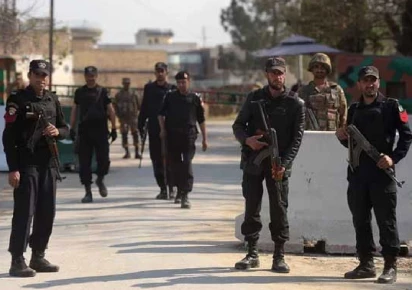
    LAHORE: Punjab’s Counter Terrorism Department (CTD) has arrested 18 suspected militants affiliated with various banned organisations during intelligence-based operations across several districts of the province, officials said on Friday. According to the CTD spokesperson, the operations were carried out as part of efforts to prevent possible terrorist activities and maintain law and order across Punjab. A total of 117 intelligence-based operations were conducted, during which 117 individuals were questioned and 18 suspects were taken into custody. The arrested suspects were identified as Hassan Abbas Shah, Muhammad Hanif, Samiullah alias Talib Jan, Muhammad Hasnain, Hafiz Muhammad Abdul Latif, Attaullah, Faizullah, Muhammad Shehzad alias Pama, Muhammad Bilal, Muhammad Anas, Tahir, Waqar Ahmed, Muhammad Ahsan, Muhammad Farman, Muhammad Nauman, Umar Farooq, Abdul Wahab and Shaukat Ali. The suspects were reportedly arrested in Faisalabad, Sialkot, Sargodha, Sahiwal, Hafizabad, Gujranwala, Bhakkar, Lahore and Multan. The CTD said its teams recovered 3.185 kilograms of explosive material, eight detonators, safety fuses, primer cord, four pistols with 21 rounds, along with banned books, prohibited magazines, pamphlets and stickers. Seven mobile phones and Rs42,740 in cash were also seized. Officials said the suspects were allegedly involved in activities aimed at creating fear among the public and disrupting peace and security. Legal proceedings have been initiated against them, while further investigation is underway to determine their alleged links and activities. The spokesperson added that, during the past two weeks, the CTD, local police and other law-enforcement agencies conducted 3,357 combing operations across Punjab. More than 121,000 people were checked during these operations, resulting in 274 arrests, 263 cases being registered and 244 recoveries of various kinds. The CTD said its operations against militants and other elements considered a threat to public security would continue under its objective of ensuring a safer Punjab. Citizens have also been urged to report suspicious activities or information related to terrorism to the CTD Punjab helpline at 0800-11111.

Leave a Reply

Your email address will not be published. Required fields are marked *