limited resources infinite

Limited Resources, Infinite Flight: The Metaphor o…

When studying the rise and fall of civilizations, an unyielding truth emerges: nations are shaped not by material wealth or vast geography, but by the intellectual vitality of their institutions. When an educational system loses its soul, and universities become mere factories for paper credentials, the collective vision of an entire society falls into a colonial illusion. Pakistan’s contemporary higher education landscape bears out this bitter reality. For decades, our public universities have remained bound to an archaic, bureaucratic framework forged under nineteenth-century colonial imperatives. Designed to cultivate compliance rather than critical thought, this apparatus has produced storehouses of financial distress, administrative stagnation, political interference, and repetitive, sterile theses generated solely for promotion. Where fearless intellectual discourse should thrive, there settles instead the suffocating dust of sycophancy. Research has ceased to be an endeavor to solve society’s pressing crises, reduced instead to filling journal pages to tick administrative boxes.
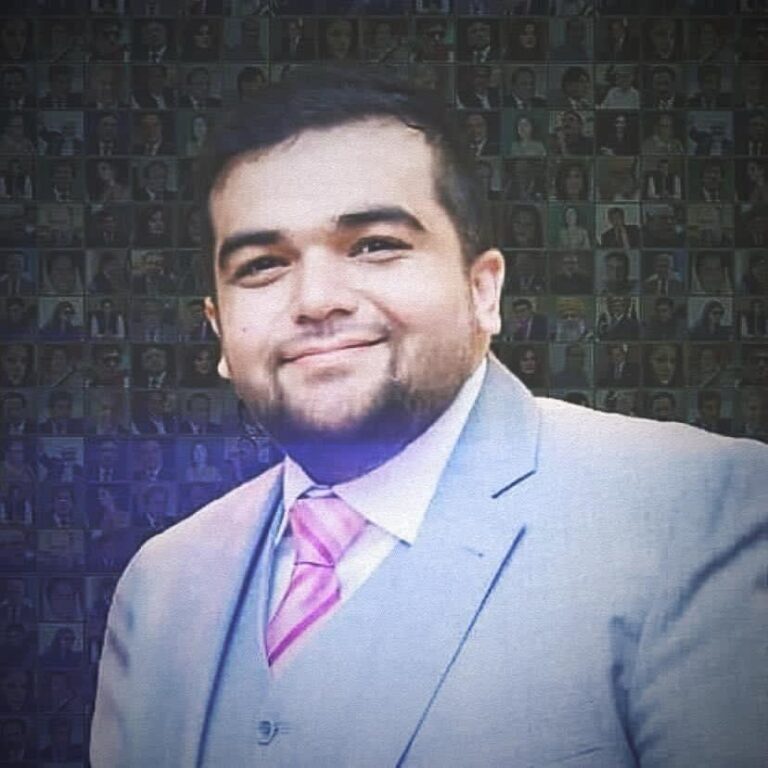
Yet within the deep shadows of this stagnation—where despair threatens every horizon—the sudden appearance of an institution where the austere mountain winds shelter the burning torches of intellect, resolve, and scientific courage transforms from an institutional victory into an intellectual miracle. Cradled by the towering pines of Murree, Kohsar University, steered by the visionary and globally acclaimed leadership of its Vice Chancellor, Professor Dr. Rafia Mumtaz, stands as a brilliant embodiment of this living reality.
The trajectory of any institution is invariably determined by the intellectual breadth and moral courage of its leadership. Professor Dr. Rafia Mumtaz’s academic journey serves as a luminous testament to the fact that when learning transcends rote recitation and is forged in the crucible of international standards, it possesses the power to alter a region’s destiny. From the advanced technological ecosystem of NUST to a rigorous Ph.D. and post-doctoral research tenure at the University of Surrey in the United Kingdom, her trajectory ensures that her framework remains untouched by the narrow confines of conventional university systems. Instead, it is thoroughly attuned to cutting-edge scientific paradigms and the demands of global academia. When a scholar steeped in artificial intelligence, the Internet of Things, data analytics, and modern digital architecture assumes the leadership of a nascent university, she shatters the slow, sclerotic barriers of red tape with a single stroke, transforming the institution from a sluggish office into a dynamic, antifragile intellectual unit.
Kohsar University’s initial tragedy lay in its location within a complex terrain where tourism, mountain ecology, and severe winters impose heavy administrative demands. Yet through seasoned judgment, Dr. Rafia Mumtaz converted this geographical limitation into her greatest asset. She established the profound truth that sincerity of intent and granite-like resolve can shatter metropolitan monopolies, erecting towering beacons of learning in remote mountain tracts whose radiance illuminates the entire national academic sphere.
The foundational flaw of Pakistan’s public universities has always been the disconnect between curricula and grassroots economic realities. Conventional institutions have rarely bothered to align their structures with shifting market demands. Kohsar University has initiated a quiet, resolute awakening against this obsolete tradition. Here, disciplines such as Tourism, Hospitality, Forestry, and Environmental Sciences are not treated as static textbook chapters; they are integrated directly into national policy formulation, rigorous fieldwork, and sustainable development models.
As a newly established public university, the institution has confronted severe financial constraints, leading to unavoidable delays in expanding modern computer laboratories. Yet these structural hurdles never impeded its overarching resolve. In April 2026, leveraging its routine development planning and extremely limited resources, the university successfully procured advanced computer systems, upgraded its laboratories, and opened new frontiers for empirical scientific research. Within a remarkably brief span, Kohsar University’s Computer Science students delivered an exceptional performance at the prestigious PINTECH Expo, competing against more than 75 renowned universities across Punjab during the 2023 and 2025 exhibitions to secure the runner-up position. This is undeniable proof that a nascent, resource-deprived public university possesses the fierce capability to stand shoulder-to-shoulder with the country’s premier institutions. In the same vein of triumph, students excelled across competitive programs of the Prime Minister’s Youth Initiative, engaged with Stanford-associated online training frameworks, and claimed top honors in provincial academic competitions. Behind these crowning achievements lie no bloated budgets, but sheer grit, towering vision, and the unyielding talent of regional youth.
Muree and its surrounding landscapes presently stand at a perilous crossroads regarding climate change. Faced with melting glaciers, unchecked tourism, and rapid deforestation, Kohsar University engineered an immediate, proactive response. It activated its research networks, shifting students and researchers away from the desolation of conventional job-hunting toward the creation of practical scientific projects aimed at steering the local economy toward digital and eco-friendly paths. This transformation signals that education has reclaimed its status as humanity’s primary instrument for survival.
These triumphs give rise to an urgent question: if a brand-new university can achieve such rapid feats amidst profound scarcity, what heights could its research capacity reach with adequate governmental patronage? Emerging universities in Punjab should no longer be viewed as financial liabilities; rather, they must be recognized as vital engines driving regional development and digital economies. For thousands of brilliant, underprivileged young minds across Murree, Kohsar University represents their sole, robust gateway to quality higher education. Materially and financially strengthening this institution is synonymous with empowering an entire region.
The pulsing heart of this intellectual flight is Kohsar University’s state-of-the-art Computer Science Department and its high-tech computer laboratories, outfitted to meet uncompromising international standards. In twenty-first-century global communications, digital infrastructure serves as the central nervous system of any academic enterprise. Dr. Rafia Mumtaz’s scientific background and technical mastery have successfully converted this department into a cutting-edge incubation hub. When students within these mist-veiled heights sit before screens to master complex algorithms, IoT systems, cloud computing, and software development, the sight heralds a new dawn: Pakistan’s bright digital future shines with equal brilliance from these majestic mountain peaks. These laboratories stand as indisputable evidence that when scarcity is met with transparent priorities and unwavering resolve, world-class institutions capable of competing globally can be born despite meager state grants and bureaucratic fetters. Dr. Rafia Mumtaz has demonstrated that digital mastery is no longer the monopoly of privileged urban centers—it resides wherever there is an unyielding will to act.
Despite this radiant panorama, an unflinching analysis of Pakistan’s systemic academic pathologies reveals that challenges remain monumental. The absence of financial self-sufficiency, the shrinking envelope of public grants, the suffocating chains of red tape, and obsolete faculty training paradigms continue to act as heavy leg-irons on our national educational apparatus. Kohsar University is by no means entirely immune to this broader national malaise; yet, its true miracle lies not in surrendering to this system, but in tearing through its chest to carve out a viable path.
The ultimate test and true zenith of an active Vice Chancellor’s success lie in steering an institution toward financial independence, administrative autonomy, and robust industry linkages despite restrictive budgets. Dr. Rafia Mumtaz’s administrative masterpiece is precisely this: she has forged an alternative, flexible, and ultra-modern administrative model within the womb of a stagnant, colonial-era system—a model destined to serve as a reference framework for all other Pakistani universities. She has proven that true leadership does not traffic in endless grievances; it uncovers pathways to triumph amidst adverse terrain. It is equally a matter of profound pride that, despite severe financial limitations, Kohsar University has continuously modernized its frameworks, heavily invested in advanced laboratory infrastructure, and vigorously pursued genuine bridges between industry and academia. These decisive steps indicate that the institution is not merely managing daily routines, but is marching forward with deep foresight toward the demands of tomorrow.
The obsolete paradigm of research that has dominated our country’s academic institutions for decades reduced scholarly inquiry to dust-gathering manuscripts moldering in university godowns. Thesis writing was rendered a mechanical, sterile ritual detached from any societal crisis or industrial necessity. Kohsar University has violently uprooted this static tradition, wedding empirical research directly to the ground realities of industry, tourism, and environmental sustainability. When a student or faculty member deploys a research paper not merely to pad a resume for promotion, but to remediate the local tourist economy and scientifically preserve forest cover, knowledge escapes the prison of locked libraries to become a guiding light across society’s highways. This is the profound difference distinguishing a conventional school from a world-class university. Through her unyielding vision, Dr. Rafia Mumtaz has proven that the ultimate purpose of higher education is not to pour historical data into young minds, but to forge them into genuine creators and leaders of society.
Today, as the Punjab Government enshrines the knowledge economy, digital governance, and human capital enhancement as premier development priorities, Kohsar University stands ready to serve as an operational model of this state vision. To realize this grand objective, a deeply respectful and earnest appeal is made to the Chief Minister of Punjab: let a comprehensive development package be announced for Kohsar University under the seasoned leadership of its Vice Chancellor. The immediate construction of new academic blocks, the establishment of state-of-the-art research laboratories, professional faculty enrichment, quality student amenities, and the allocation of a stable recurring budget will decisively secure this nascent institution’s trajectory for the coming decade.
For the bureaucracy and high-level policy architects, this is a historic moment to expand their focus beyond traditional legacy institutions and generously encourage emerging universities that deliver extraordinary results against overwhelming odds. Sound governance demands that high-performing entities be financially reinforced to accelerate their journey toward stability. Kohsar University has proven that true excellence is not the exclusive birthright of metropolitan centers or bloated budgets; it is the harvest of sincerity and relentless toil. If the Punjab Government extends timely trust and capital investment to this emerging institution, it will rapidly evolve into a glittering global hub of technology, advanced research, and dynamic youth leadership in Northern Pakistan. History demonstrates that the timely patronage of a single visionary institution alters not merely a university, but the destiny of an entire region. The true measure of governance lies not in erecting empty brick-and-mortar shells bearing new university titles, but in empowering those institutions that deliver tangible results against all odds. Kohsar University awaits this profound trust and timely state decision today—and its resilient voice will undoubtedly compose a brilliant chapter in the history of tomorrow.
Similar Posts

  • President Jiang Zemin and Modern China Formatting …

    June 24, 1989, Comrade Jiang Zemin assumed the charge of Secretary General of the CPC just after the Tiananmen Square incident. This was orchestrated by ideological rivals, who instigated people with foreign support under the guise of corruption, inflation, political participation, and human resource development for the new economy. No doubt there were challenges, but the government was doing everything it could to control them and bring positive change to people’s lives. It required patience and time. However, the ideological rivals and foreign forces decided to exploit that window of opportunity and bring down the CPC.   Therefore, right after assuming the charge, Secretary General Jiang Zemin had to deal with Western countries’ false propaganda campaign against China. The West was propagating that China used brutal force and undermined human rights. However, it did not shake his determination to restore stability, the cornerstone of CPC policy. CPC is convinced that without stability, the country cannot move forward. After tackling it, he focused on economic reforms, especially after becoming President and paramount leader in 1993. From here, a new phase of reforms started. The CPC, with President Jiang at its core, began to juggle policies and options to sustain growth, ensure stable government revenue, and address people’s problems. Thus, President Jiang Zemin, with the guidance of elders, especially Deng Xiaoping, accelerated the reforms and the introduction of market-oriented policies. He took many innovative decisions to accelerate economic growth, enhance outreach, and strengthen international relations and security. First, he kick-started the first phase of privatization to reduce the burden on the State and spur private sector growth. The number of State-owned enterprises fell from 262,000 to 159,000. Almost 40 million people lost their jobs, but China continued the reform.  However, China’s privatization was led by a wise and smart policy. First, China identified the requirements for the private sector and SOEs to ensure a balance between tax and non-tax revenue. Second, China did not privatize critical industrial sectors or enterprises. Third, China established mechanisms to mitigate the impact on people and keep them engaged, thereby ensuring stability.   Second, President Jiang Zemin led China’s accession to the World Trade Organization (WTO). It was another landmark decision, which revolutionized China’s economic growth and development. After joining the WTO, China grew and developed by leaps and bounds. It also ushered in a new era of global economic linkages, which helped China develop rapidly and curb poverty. China is now the world’s largest trading partner, with over US$6 trillion in 2025, and the second-largest economy. Third, he prohibited the army from taking part in economic ventures.  Third, he introduced a strategy to revitalize the economy through science and education. He launched two landmark initiatives, Project 211 and Project 985, under this strategy. Project 211 was designed to build institutions for the 21st century. It was decided that 100 universities would be prepared for the 21st century.  For that purpose, 115 universities were identified. Project 985 was designed to create world-class universities, and 39 universities were under the project.   On the diplomatic front, he also achieved many successes. First, Hong Kong and Macau were reunited with the mainland. Second, he signed a friendship treaty with Russia and launched the Shanghai Cooperation Organization (SCO) in collaboration with Russia. Now, the SCO is one of the world’s major organizations in a multipolar world. Fourth, he also completed China’s accession to the World Trade Organization (WTO).  However, President Jiang Zemin’s most significant work was his theory of the Three Represents: the development trend of China’s advanced productive forces, the orientation of China’s advanced culture, and the fundamental interests of the overwhelming majority of the Chinese people. The Three Represents theory is a major work of the Party, following Deng Xiaoping’s theory, in building the modern Party. It reflects the CPC’s philosophy and Chinese political culture, which emphasize evolution and reform in line with ground realities. However, the interests of the people must be the paramount guiding principle. President Jiang Zemin started work just after assuming the position of Secretary General, following Tiananmen Square.  The analysis of Three Represents highlights three important things. First, it urges the Party to better serve the people and embrace new classes. Thus, Three Represents opened the Party’s doors to new classes including entrepreneurs, businessmen, and professionals. It was necessary to diversify and give development new impetus by making the Party more inclusive. However, it sparked debate among Party members and other circles. The conservative elements of the Party were not ready to accept the business community and entrepreneurs. However, there was wider support for the inclusion within and outside the Party.  Second, Three Represents encouraged the enhanced role of science, education, and technology in leading the new phase of development. Although the revitalization of the economy through science and education was already underway, there was a need to accelerate the process further.  Third, the Party envisioned that it must strive to modernize culture in accordance with socialist values and norms.  Simultaneously, President Jiang Zemin also encountered some serious problems. First of all, relations with the USA were a constant irritant. The USA continued to interfere in Taiwan and internal affairs. The situation was further complicated by the bombing of the Chinese embassy in Belgrade and the Hainan incident by USA forces. The Hainan incident was a complicated issue that threatened peace. Second, the third Taiwan Strait Crisis appeared during his tenure. On the domestic front, he had to face an intensive debate over the inclusion of business groups and entrepreneurs in the Party. Moreover, privatization, especially after accession to the WTO, generated debate in the country. However, he solved these issues with wisdom and smart policy.   In conclusion, the above discussion indicates that President Jiang Zemin assumed leadership at a critical rather than a difficult time. However, he steered the country with dedication, wisdom, and smart policies. The ultimate objective of his policies was to serve the people and build an inclusive Party in line with new realities. That’s why he is considered one of

  • When the Rains Come, Lahore’s Governance Washes …

    “By failing to prepare you are preparing to fail”—Benjamin Franklin Every monsoon, Lahore receives heavy rainfall. Every monsoon, the city appears surprised. Roads become rivers, underpasses become lakes, vehicles remain stranded for hours, businesses suspend operations, electricity fails in several localities and thousands of citizens find themselves trapped in their homes. Public officials then appear before cameras to assure the public that “all machinery has been mobilised” and “field staff are working round the clock”. The question, however, is not whether officials worked after the city was submerged. The real question is why a city that has witnessed identical scenes for decades still lacks the institutional capacity to manage a predictable annual event. Rain is not the problem. It is governance. The latest spell of heavy rainfall has once again exposed the widening gap between Lahore’s physical expansion and its institutional preparedness. It has demonstrated that despite billions of rupees spent on roads, flyovers, underpasses, signal-free corridors and housing developments, the city’s drainage infrastructure has remained dangerously inadequate. Nature merely revealed what administrative complacency had concealed. Lahore today is managed by a bewildering network of public institutions—the Lahore Development Authority (LDA), Traffic Engineering and Planning Agency (TEPA), Water and Sanitation Agency (WASA), Metropolitan Corporation Lahore, district administration, Punjab Housing and Town Planning Agency, Parks and Horticulture Authority and several cantonment boards. Each possesses defined statutory functions, separate budgets, independent administrative structures and overlapping jurisdictions. Yet when rain falls, responsibility becomes everyone’s—and therefore no one’s. The ordinary citizen neither understands nor cares which agency is legally responsible for a flooded road, a blocked drain or an inundated underpass. Citizens judge governments by outcomes, not organisational charts. If roads remain submerged for hours, traffic collapses across the city and commercial activity comes to a standstill, institutional fragmentation cannot become an excuse for collective failure. LDA deserves particular scrutiny because it has shaped Lahore’s urban landscape over the past several decades. Successive development plans have emphasised visible infrastructure and horizontal urban expansion. New housing societies continue to receive approvals while commercial activity spreads rapidly beyond the city’s traditional limits. However, sustainable urban development involves much more than constructing roads and approving layouts. It requires integrated planning for drainage, groundwater recharge, storm-water management, environmental protection and climate resilience. These objectives have too often been subordinated to short-term development priorities. The consequences are now visible across Lahore. Natural water channels have disappeared under concrete. Green areas have steadily declined. Impervious surfaces have multiplied. Urban sprawl has accelerated. Rainwater that once infiltrated open land now accumulates almost instantly on concrete roads and paved surfaces, overwhelming drainage systems that were designed for a much smaller city. The engineering challenge has fundamentally changed but not institutional thinking. TEPA has undoubtedly transformed Lahore’s transport infrastructure through extensive investment in roads, bridges and underpasses. Yet transport engineering cannot be separated from storm-water engineering. Every major road project should answer a simple question before construction begins: Where will the rainwater go? Unfortunately, repeated flooding of important roads and underpasses suggests that drainage considerations have often received less attention than traffic movement. Infrastructure cannot be described as successful merely because vehicles move efficiently during dry weather. Infrastructure succeeds only when it continues functioning under adverse conditions. Modern cities are designed not for ideal weather but for extreme weather. That is precisely where Lahore repeatedly fails. WASA occupies the frontline whenever urban flooding occurs. Its officers and field staff frequently work under extraordinarily difficult circumstances and deserve recognition for their commitment. Yet institutional performance cannot be evaluated solely by emergency response. Pumping millions of gallons of water after roads have flooded does not represent successful urban management. It merely demonstrates that preventive systems were insufficient. Effective drainage begins months before the monsoon through systematic desilting of drains, cleaning of disposal stations, maintenance of pumping equipment, removal of encroachments on natural waterways and continuous monitoring of vulnerable locations. Emergency pumping should remain the exception. In Lahore, it has become the annual strategy. The larger issue extends beyond engineering. It concerns public administration itself. Urban governance in Lahore suffers from fragmentation without coordination. One agency constructs roads. Another manages drainage. A third approves housing schemes. A fourth regulates utilities. A fifth removes encroachments. Each agency performs its own function with limited institutional integration. The result is predictable. Roads are constructed without adequate drainage capacity. Housing schemes are approved without corresponding investment in trunk infrastructure. Natural drainage channels disappear beneath commercial development. Freshly constructed roads are repeatedly excavated by utility agencies. Responsibility becomes divided while accountability disappears. Climate change has unquestionably intensified rainfall patterns across South Asia. Extreme precipitation events are becoming more frequent. However, climate change cannot become an administrative defence. If rainfall patterns have changed, engineering standards must also change. If cities are expanding, drainage systems must expand accordingly. If scientific forecasts predict greater climate volatility, development planning must incorporate those projections rather than relying upon obsolete assumptions. Unfortunately, Lahore continues to respond to twenty-first-century climate realities with twentieth-century infrastructure. The economic costs of this governance failure are substantial. Businesses lose valuable operating hours. Industrial production is disrupted. Supply chains are interrupted. Thousands of daily wage earners lose income. Motor vehicles suffer avoidable damage. Insurance costs increase. Property values decline in repeatedly flooded neighbourhoods. Public health deteriorates as stagnant water increases the risk of waterborne diseases. Collectively, these recurring economic losses almost certainly exceed the annual cost of maintaining a modern storm-water management system raising an uncomfortable question. If billions of rupees can be allocated annually for visible infrastructure projects, why does preventive maintenance remain persistently underfunded? Public finance should not reward ribbon-cutting ceremonies while neglecting maintenance. Maintenance rarely attracts political attention but its absence always attracts public suffering. The constitutional dimension is equally significant. Article 9 of the Constitution guarantees the right to life, a concept repeatedly interpreted by superior courts to include living with dignity, safety and a healthy environment. Article 14 protects human dignity, while Article 38 obliges the State to promote the social and economic well-being of the people.

  • Who Watches the Workplace Watchdogs?

    Pakistan has a peculiar relationship with workplace merit. We talk about it constantly. Government departments are criticised for delaying promotions. Corporations are questioned over favouritism. Universities are urged to reward academic performance. Employers are told to retain talent. Media organisations routinely expose nepotism, extensions, political appointments and institutional injustice. But there is a question that is rarely asked: Do the organisations making these arguments follow the same standards inside their own walls? The question is particularly relevant to Pakistan’s media industry. Newspapers and television channels have considerable influence over how society understands fairness at work. They report on workers denied promotions, bureaucrats given extensions, senior officials superseded and institutions accused of favouritism. But journalism cannot demand accountability from everyone else while exempting itself from scrutiny. That is where the conversation around employee retention, promotions and extensions becomes uncomfortable. The Extension That Blocks an Entire Career Ladder In any hierarchical organisation, one senior position can determine the careers of dozens of people below it. When a person occupying a senior position retires, the organisation has several choices. It can promote someone from within. It can recruit externally. It can restructure the position. Or, where there is a genuine institutional requirement, it can retain the individual for a defined period. The problem begins when an exception becomes a culture. A six-month extension becomes another year. A temporary arrangement becomes a permanent arrangement. A retired employee is brought back. Another extension follows. Meanwhile, people below continue waiting. For them, the issue is not merely that someone has been allowed to continue working. It is that their own careers may have been placed on hold to accommodate someone else’s continued career. That distinction is often ignored in Pakistan. Even Dawn Has Written About This Problem Dawn itself has been among the publications highlighting the damage caused by prolonged temporary arrangements. In a May 2026 editorial titled “Ad hoc culture,” Dawn criticised the practice of keeping people in higher positions through prolonged temporary arrangements, noting that such practices can leave employees without formal promotion, financial benefits or recognition of seniority. It specifically highlighted the frustration of employees whose seniority is bypassed. That position is difficult to disagree with. In fact, it is precisely the position that responsible journalism should take. But it also raises a more uncomfortable question: What happens when the same principles are applied to the media organisations themselves? The Dawn Question Dawn has long presented itself as an institution committed to professional journalism, institutional accountability and workers’ rights. Its pages have repeatedly carried arguments in favour of merit-based promotions and against prolonged ad-hoc arrangements. A January 2026 Dawn editorial page contribution on academic promotions, for example, argued that delayed promotions erode meritocracy, demotivate employees and can drive talented professionals towards private institutions or overseas opportunities. In another recent editorial, Dawn argued that prolonged temporary arrangements can stagnate careers and deprive employees of financial progression and recognition. These are sound principles. But principles become meaningful only when they are applied consistently. And this is where, based on my own knowledge of the organisation, an uncomfortable contradiction deserves examination. Dawn’s senior management structure has itself seen prolonged extensions, while retired managers have, according to my knowledge, been brought back into employment in Lahore and elsewhere. That raises a straightforward question: If retaining retired or extended senior personnel is justified by institutional necessity, why should the same practice be criticised when governments or other organisations do it? And if prolonged extensions are capable of blocking the careers of younger employees in government departments, why would the principle suddenly cease to apply inside a media organisation? This is not an argument against experience. Nor is it an argument that every retired employee should automatically be removed. Experience has value. Institutional memory has value. A highly experienced editor or manager can be extremely difficult to replace. But institutional value cannot become a permanent justification for blocking succession. Fifteen Years Is a Long Time in Any Profession The question becomes even more significant when a senior position remains occupied for an exceptionally long period. From my own knowledge of Dawn, its editor has remained in the position for nearly 15 years through extensions. Again, the question is not whether an individual is competent. The question is whether an institution that advocates professional advancement should also have a mechanism for developing and promoting the next generation of leadership. Fifteen years is enough time for an entire generation of journalists to enter an organisation, build careers, become senior reporters, become editors and eventually expect to take on greater responsibility. If the top positions remain occupied indefinitely, where does that generation go? There is a very real distinction between retaining talent and preventing succession. A healthy institution must know the difference. The Supreme Court Has Now Entered This Conversation This is no longer merely an HR theory. Pakistan’s Supreme Court has recently addressed the issue in remarkably strong terms. In January 2026, the court ruled that government departments could not use administrative inefficiency and procedural delays as an excuse for denying employees timely consideration for promotion. It held that promotion is connected to merit, performance and operational requirements, and said employees should not suffer because a department failed to convene promotion committees or relied excessively on acting arrangements. Four months later, in May 2026, the Supreme Court went further. It held that prolonged ad-hoc, look-after, current-charge, acting-charge and additional-charge arrangements can amount to exploitation. The case involved a Pakistan Railways employee who had performed duties of a higher post for nearly eight years before receiving regular promotion. The court’s reasoning is important because it moves the debate beyond bureaucratic procedure. It is about human beings and their careers. A person who spends years doing higher-level work without receiving corresponding recognition, seniority or financial benefits is not merely dealing with an administrative inconvenience. Their career is being affected. What Happens to the Person Waiting Below? This is the part of the Pakistani workplace debate we often ignore. We discuss the person

  • The AJK Unrest

    Distrust in Azad Jammu and Kashmir is linked to a small but organized group that allegedly used social media manipulation, propaganda, and genuine public grievances to create an impression of widespread support disconnected from reality, deepening divisions within society and straining relations between the state and its citizens. The Rawalakot protests are said to have involved only a small fraction of AJK’s population of about four million, with fewer than 40,000 participants at peak attendance and likely around 10,000–15,000 overall, while more than five times that number reportedly traveled from Rawalakot to Rawalpindi on June 6 and 7. Many families moved weddings to Rawalpindi and Islamabad, sick people and schoolchildren left the town, and hundreds of families delayed school and college admissions until August because of the disruption. Most residents remained away from the protests to protect their families, forming a “silent majority,” while around 90 percent of people in other districts are said not to support the protesters’ agenda. Large political rallies in Muzaffarabad, Kotli, Dhirkot, and Bhimbar are taken as evidence of stronger support for the constitutional political process than for the Rawalakot sit-in. Around 10,000–15,000 protesters are held responsible for disrupting daily life, damaging the economy, creating fear and uncertainty, and causing disorder over an issue that could have been resolved through legislation, dialogue, and democratic institutions rather than confrontation and violence. Aided by a few journalists acting as propagandists, the movement is accused of using manipulated images, fake news, and emotional appeals to create the impression that the whole of Azad Kashmir supports it, even though the participants are said to constitute less than 10 percent of Rawalakot’s own population.   The government has addressed many demands by reducing electricity and flour prices, abolishing refugee ministries, reducing the number of ministers, halving the property transfer tax, completing the Rathwa Hariyam Bridge, withdrawing FIRs and legal cases, compensating the families of those killed and 56 injured people, providing a government job to Azhar’s brother, approving a Rs. 5.5 billion PC-1 for MRI facilities, and approving a Rs. 9 billion PC-1 to improve the power transmission system.   The application to make Azad Kashmir Bank a scheduled bank has been submitted to the State Bank of Pakistan, a move that will strengthen the financial sector and provide greater access to banking services for the people. The health card has been restored, a vital social safety net program that provides access to medical care for those who cannot afford it, and its restoration was a major victory for the people. Two new boards of education have been established, decentralizing the education system and allowing for more focused and effective administration of schools. The Mansehra, Muzaffarabad and Mangla expressways are included in the CPEC project, a game-changing development that will bring massive investment, improve connectivity, and create economic opportunities for the region. The establishment of Mirpur Airport was announced by the Prime Minister of Pakistan on live television, a major milestone that will open up the region to the world and facilitate trade and tourism, and work on the feasibility has started, with the project now moving from the planning stage to reality. The quota system has ended, a long-standing demand that was seen as discriminatory and unjust, and its abolition was a major step towards equality and fairness. Additional departments were abolished and merged with existing departments, a move that reduced bureaucracy and made the government more efficient. The e-tendering of electricity meters was approved, a reform that will ensure transparency and fairness in the procurement process. The demand for 30 KVA for schools and colleges was approved, and the notification has been issued, ensuring that educational institutions will have access to a reliable power supply. Now, among the remaining demands, there is a demand for 4 tunnels and bridges, infrastructure projects that are undeniably needed and would greatly benefit the people, but in reality one single tunnel is estimated to be completed in 10 billion rupees, and the total development budget of Azad Kashmir is less than 40 billion rupees, meaning that these projects cannot be built overnight. The government or no one has any magical capabilities, and no airport, bridges, and tunnels can be built overnight, as they require years of planning, feasibility studies, environmental assessments, and massive financial outlays that must be spread over many years.   In fact, after approving so many demands, after demonstrating such a clear willingness to address the grievances of the people, to insist on only one remaining demand and to lay siege to the entire region and paralyze the lives of millions, one must ask a crucial question: is it the stubborn government or the action committee that is being unreasonable?   The so-called peaceful revolutionary sit-in of the banned Joint Action Committee has been completely exposed for what it really is, and the mask of peaceful protest has slipped to reveal the ugly face of violent insurgency. Their so-called rational teams, which were presented as peaceful negotiators and organizers, are in fact positioned on rooftops with state-of-the-art SMG guns and ultra-expensive military binoculars, and their purpose is not to maintain order but to monitor the security forces on the ground, tracking their movements and planning for a confrontation. This is not a political sit-in, which is a legitimate form of protest in a democracy, but a planned military confrontation against the security forces of the state, a deliberate strategy to provoke a reaction and to create martyrs. Recently a banned Action Committee’s leader made a revealing statement, admitting to the supply of modern US-made M4 rifles to troublemakers, a serious accusation that confirms the armed nature of the group and its intent to use violence against the state. The banned JAAC is using fake and AI generated videos and posts to get the support of the people, manufacturing evidence and creating a false reality to manipulate public opinion, and these fabricated materials are spread widely on social media to create a sense of crisis and to incite hatred.

  • Makkah Joint Defence Agreement – opportuniti…

    Saudi Arabia, Pakistan, and Turkey signed the Makkah Joint Defense Agreement (MJDA) to strengthen their defense cooperation. The agreement was signed at a critical juncture in history, both globally and regionally. On the global front, the old order is in disarray, and conflicts are breaking out one after another. The West’s dominance and hegemony are fading. Economic power, which the West once used to rule the world, is in decline. Western control over weapons of destruction has weakened. Simultaneously, Western diplomatic influence has softened, and their grip on the UN and decision-making has weakened.    This has destabilized global peace, and in 2025 alone, 50 countries were engaged in conflicts or wars. As a result, new powerhouses, in economic, diplomatic, and defense production, have emerged. On a regional level, the Middle East and South Asia have emerged as flashpoints, where conflict or war can break out at any time due to the reckless behavior of Israel and India in their respective regions.    In this context, the signing of the Makkah Joint Defense Agreement has raised many questions, and people are exploring possible answers. First, what does the Makkah Joint Defense Agreement include? According to available information at this time, the three Muslim countries have joined hands to strengthen their defense cooperation. It sends a strong message to opponents and enemies that any attack on Saudi Arabia, Pakistan, or Turkey will be treated as an attack on all. The aggressor will have to face the wrath of three powers.    Second, why is it important? It is important for two reasons. First, three countries are in hostile regions and face numerous security challenges. Let’s start with Saudi Arabia. Saudi Arabia is in a region where Israel is committing the worst genocide in modern history. The genocide in Gaza has destabilized the whole region. Unconditional support from the USA and the West allows Israel to continue the genocide in Gaza with complete immunity. They are providing all types of weapons of mass destruction and financial support to Israel. Even the USA and some Western countries are threatening the International Court of Justice or other UN agencies for asking for accountability of Israel. The USA and Israel’s attack on Iran has further complicated the situation. Iranian attacks on regional countries in the context of US bases are threatening a wide-scale war in the region. Saudi Arabia is also facing direct attacks by the Houthis on Saudi Arabia, especially on oil installations, which pose serious threats to the whole region.     For Pakistan, it has two hostile neighbors, India and Afghanistan. In 2025, India attacked Pakistan based on self-assumed allegations. However, a strong, full-scale retaliation from Pakistan compelled India to come to its knees. Pakistan destroyed many Indian fighter jets and missile systems. India rushed to the USA to beg for a ceasefire. On the other border, Pakistan is facing terrorism originating from Afghanistan. Afghanistan, with the support of India and Israel, has launched a full-scale proxy and terrorism war. It is also harboring terrorist groups such as BLA, TTP, etc. India, acting as a proxy of Israel, is providing full support to terrorists and fueling terrorism in Pakistan.   In the case of Turkey, it is facing multiple threats, including direct threats from Israel, Greece, and some regional proxies. Over the past few months, Israel has begun to portray Turkey as a new threat to Israel. Greece has also been encouraged by Israel and other Western powers to create problems for Turkey. Some Western countries also have historical grievances with Turkey and are seeking opportunities to harm it.    Therefore, this agreement is extremely important for the three countries and for both regions, the Middle East and South Asia.    Third, how will regional countries react, and what impact will the MJDA have on the region? First, Israel will not like it at all. Why? Because it will view it as a hurdle to creating a Greater Israel. Therefore, Israel will do everything to sabotage the agreement. It can use this agreement to create a sectarian divide in the region by portraying Iran as the enemy. It can conspire to instigate sectarian violence in the region, especially in Saudi Arabia, Pakistan, and Turkey. The USA and Western countries can also join hands to facilitate Israel. President Trump’s recent statement on the potential role of Syria in tackling the issue of Hezbollah is a strong indication of this strategy. He is urging Israel to stop attacking Lebanon and let the Syrian government fight Hezbollah. Lastly, Israel can also exploit the civilizational context and emotions of the custodians of the Arab, Iranian, and Turkish civilizations. It can trigger feelings of self-greatness and urge each civilization to pursue past glory.     Simultaneously, some elements in Iran, especially those pro-Israel or influenced by Israel, can propagate the MJDA against Iranian interests. They can argue that it will undermine Iran’s status and create hurdles for Iran to become the region’s major power. Proponents of this view can argue that, in the presence of this alliance, it will be difficult for Iran to dominate the region. It would be an ideal situation for Israel and other elements to create a divide along sectarian lines and fan sectarian violence in the region and in respective countries. Therefore, all countries (Pakistan, Turkey, Iran, and Saudi Arabia) need to be extremely vigilant and coordinate closely.     Fourth, what would be the reaction of the global community, especially from the USA and China? China and the USA are important because they are major powers at this point in time. First, I do not believe the USA will have an independent view or reaction. It is strongly suspected, rather sure, that Israel will dictate the American response. It is an open secret that Israel does not want peace and stability in the region. Thus, the USA will follow this policy.    It is also in the USA’s interest. How and why? The USA considers the Middle East and South Asia vital to

  • |

    The Education Dilemma

    By Tuba Khan Literacy is the key to a successful political, economic and social structure of a country. Nations that prioritize education give birth to a strong, responsible and intellectual generation that could foster civic culture in the country. A well-educated and politically aware youth is the backbone of a country’s development. Society can only progress if it invests in its youth, allocating resources and opportunities to young people. Pakistan ranks fifth among the countries having the largest young population in the world. This youth bulge could become a driver of economic prosperity and social progress if quality education and skills development are provided to the youth. Unfortunately, Pakistan lacks an education system that can produce civic-minded, skilled and informed people. The education sector has remained stagnant for several decades and the quality of education is declining day by day, producing an intellectually enslaved generation. Pakistan ranked 164th out of a total of 194 countries globally in education quality, lagging far behind from the other countries in the region. Education in Pakistan is treated as a business for generating revenue and in return creating inequality across all levels of education.   In Pakistan, around 54% of students are enrolled in public sector institutions, where the quality of education and the infrastructure are in a state of severe deterioration. The country’s education standard is so poor that no Pakistani university ranks among the world’s top 350 reputable universities as per QS World University Rankings 2026. Moreover, approximately 26 million children are out of school and those who are enrolled in schools are often products of the rote learning system, unable to think critically and lack the ability to build independent opinions. They are deprived of basic facilities, such as safe and secure buildings, furniture, laboratories, libraries, electricity, clean drinking water, proper sanitation facilities and other basic amenities at the public educational institutions. The outdated syllabus and unprofessional staff at public educational institutions add fuel to the fire, aggravating the education crisis in Pakistan. According to the data provided by UNESCO in 2024, there were 25.38 million students in total for all public and private elementary schools in the country, while only 445,877 teachers were available to facilitate the students. This highlights that there are around 57 children for each teacher. This highlights the ailing condition of the education system of Pakistan.   Despite the educational challenges and poor education system, government spending on the education sector has declined significantly. From 0.8% of GDP allocated to the education sector in 2024, the education spending has dropped to only 0.2% of the federal budget in 2026. Additionally, the privatization of public schools in Punjab is also the biggest failure of the government as it raised the costs and fees, putting a financial burden on low-income families and provoking more elimination of students from the schools. The privatization policy is contrary to the constitutional promise, introduced under the 18th amendment in 2010 of providing free and compulsory education up to Matriculation, exacerbating the education breakdown. This underscores the incompetence of the government in addressing the paramount issue, the root cause of several multidimensional problems of Pakistan.   Education is a fundamental right of every human being and it must be delivered to its citizens by the state. The government of Pakistan must realize that without an educated nation, the country could never be placed on the path of progress. The government should focus on eliminating gender inequality in the education sector while raising awareness in rural areas, making the educational institutions safe for women and holding the institutions accountable. It should encourage digital and vocational training programs, research, practical learning, skills development and the ability of youth to think critically and form independent opinions about the important issues. It is the duty of the government to provide quality education, maintain educational institutions, strengthen checks and balances within the education system, fulfil the constitutional promise of providing free education to children between the ages of 5 and 16 and strengthen the economy so that the middle and lower-middle class can easily afford education. Investing in education is not merely the responsibility of the government, but a national necessity. However, education alone is not enough unless it is coupled with employment opportunities. Otherwise, the youth bulge would become a demographic burden, marked by unemployment, poverty and instability. Pakistan urgently needs reforms in the education sector and strategies to transform the young population from a demographic challenge into a valuable demographic dividend for sustainable growth. The government must treat the education crisis as a priority issue to ensure a prosperous future.

Leave a Reply

Your email address will not be published. Required fields are marked *