|

Major US financial firms targeted in extensive phone-phishing campaign

Ransom-seeking cybercriminals have launched a coordinated campaign targeting high-profile US financial institutions, including Blackstone, Apollo Global Management, KKR, Bain Capital, and CME Group.

A technical report from Google’s Threat Intelligence Group revealed that hackers created 72 malicious websites designed to steal corporate login credentials. Operatives used social engineering tactics, reaching employees directly on personal mobile phones while spoofing corporate IT helpdesk numbers.

Under the guise of urgent system updates, callers guided staff to fraudulent domains such as “passkeyhelpdesk” or “secure-passkey” to capture login credentials and multi-factor authentication passcodes in real time.

According to threat intelligence analysis, the campaign represents a strategic pivot toward private equity firms, law practices, and financial rating agencies, driven by the assessment that these targets hold sensitive commercial data worth paying substantial ransoms to protect.

While digital intelligence data identified fake portals created for over 200 organisations, including Uber, Levi Strauss, and several major law firms, it remains unconfirmed which specific financial targets experienced compromised systems.

The threat actors operating under names such as Redact, Falcon, Helix, and Pink share common digital infrastructure.

Analysts noted that despite advanced enterprise perimeter security, direct voice-phishing techniques exploiting human trust continue to rank among the most effective cyber-intrusion vectors.
Similar Posts

  • | | |

    Iran says Hormuz cannot be seized by ‘tweet or w…

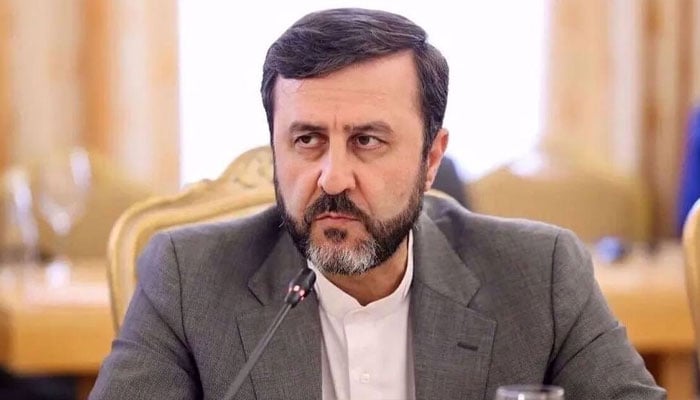
    Iran has rejected US threats over the strategically vital Strait of Hormuz, with Deputy Foreign Minister Kazem Gharibabadi declaring that the waterway cannot be taken over through a presidential order, social media post, aircraft carrier or election speech. Gharibabadi’s remarks came after US President Donald Trump threatened to declare the Strait of Hormuz US territory, according to Iranian media reports. The comments have added another layer of tension to an already volatile confrontation between Washington and Tehran. Writing on X, Gharibabadi said the strategic waterway could not be brought under American control through political statements or military pressure. He argued that decisions concerning the strait remained in Iran’s hands. “The Strait of Hormuz was, is and will remain Iranian,” Gharibabadi said, stressing that Tehran would determine when the passage could be opened or closed. The deputy foreign minister also said Iran was not intimidated by American threats and would continue its blockade until Washington acknowledged what he described as its “strategic defeats” and abandoned what he called unrealistic expectations. Trump has separately warned that he could soon announce plans to designate the Strait of Hormuz as US territory. His reported comments have intensified concerns over the future of one of the world’s most important energy corridors. The Strait of Hormuz connects the Persian Gulf with the Gulf of Oman and the wider Arabian Sea. A major disruption to traffic through the narrow waterway could have significant consequences for global energy markets because substantial volumes of oil and gas pass through it. Iran’s latest statement therefore carries significance far beyond its dispute with Washington. Any prolonged confrontation around the strait could affect commercial shipping, energy supplies and international markets. The exchange of threats also highlights the broader strategic struggle between Iran and the United States, with both sides showing little sign of backing down. For Tehran, the message is clear: control of Hormuz is being presented as a matter of sovereignty and national security, while Washington’s threats are being dismissed as insufficient to alter Iran’s position.

  • |

    Indonesia quake kills 48, thousands left desperate…

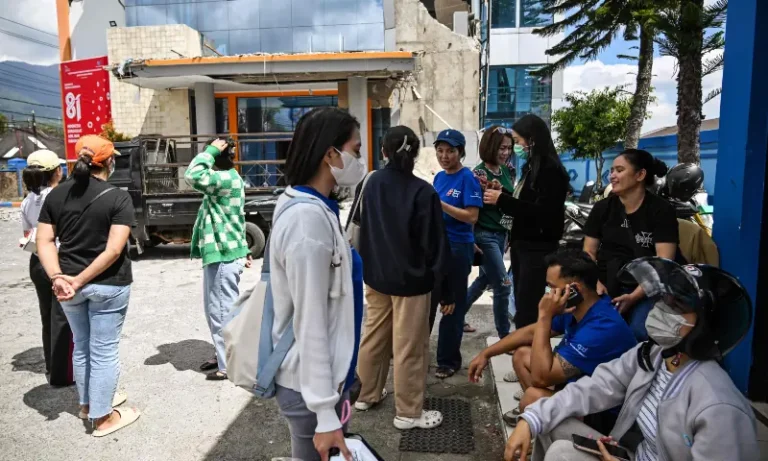
    RUTENG: Thousands of frightened residents on Indonesia’s Flores island remained in temporary shelters on Sunday as rescue teams raced to deliver food, water and medical supplies following a powerful magnitude-7.7 earthquake that killed dozens and left widespread destruction across the region. The earthquake struck off the northern coast of Flores early Saturday, triggering landslides, damaging homes and public buildings and cutting electricity and communications in several areas. The latest reports put the death toll at more than 50, with at least 100 people injured, while thousands of residents have been displaced. The disaster was followed by hundreds of aftershocks, deepening fears among residents who were already reluctant to return to damaged homes. Authorities said around 5,000 people initially fled their houses, while the number sheltering in evacuation centres later rose to more than 9,000. For many survivors, the immediate concern is basic necessities. “We need food, drink, medicines, and diapers for the children,” resident Umri told AFP, describing how he and others spent the night on a hill because they were too afraid to return home. Another resident, Nurhidayati, said memories of the devastating 1992 Flores earthquake had made the latest disaster even more terrifying. She said she remained traumatised by the previous tragedy and did not dare go back home. Rescue Efforts Face Major Obstacles Emergency crews have been working through collapsed structures and rubble while heavy machinery clears roads blocked by landslides. Some of the hardest-hit communities remain difficult to reach because of damaged roads, power failures and disrupted telecommunications. Indonesia has deployed military and police personnel, helicopters, aircraft and rescue vessels to support the emergency response. Authorities are also sending large quantities of food and other relief supplies to affected communities. The destruction has extended beyond residential areas. Hundreds of houses have been badly damaged, while schools, health facilities and government buildings have also suffered. In Ruteng, damaged hospital facilities forced patients to be moved into tents outside the building. Despite the difficult conditions, medical workers have continued treating patients. In one particularly dramatic case, doctors performed an emergency Caesarean section in a storage room after parts of the hospital were damaged. Both the mother and baby were reported safe. Tsunami Warning Lifted The earthquake briefly triggered fears of a tsunami after residents reported the sea retreating from parts of the coastline. Authorities issued a tsunami warning, but it was later lifted after monitoring showed no major destructive wave threat. Waves of around 1.6 metres were nevertheless recorded in some coastal areas. Officials have urged residents to remain vigilant and avoid entering damaged buildings because continuing aftershocks could cause weakened structures to collapse. A Region Used to Earthquake Tragedies Flores lies within Indonesia’s highly active seismic zone, part of the Pacific “Ring of Fire”, where several tectonic plates meet and powerful earthquakes are common. The island has painful memories of the past. A major earthquake in 1992 triggered a tsunami that killed roughly 2,500 people. The latest disaster has once again exposed the vulnerability of communities living in earthquake-prone areas, particularly where roads, hospitals and communication networks are limited. International assistance is also being prepared. The European Union has offered its Copernicus satellite system to help authorities map affected areas and support search-and-rescue operations. For now, the priority remains simple: finding survivors, reaching isolated communities and keeping thousands of displaced families safe as Flores waits for the ground to finally settle.

  • |

    Air India to introduce mandatory drug testing for all Pilots

      Air India is set to introduce mandatory substance testing for all its pilots from Thursday, going beyond the drug-screening requirements currently imposed by aviation regulators. The decision comes days after the captain of an Air India flight involved in a serious mid-air incident reportedly tested positive for marijuana, raising fresh concerns about flight safety and crew fitness. According to an internal memo circulated by the airline, the expanded testing programme will check pilots for substances and medications prohibited under aviation regulations. The screenings will be carried out at several locations, including the airline’s training academy in Gurugram, briefing centres and offices, as well as other facilities designated according to pilots’ home bases. Pilots working for Air India Express, the airline’s budget subsidiary, will also be included in the new testing programme. Air India said in the memo that although existing regulations already require airlines to conduct random testing on at least 10% of their flight crew for psychoactive substances every year, the company believes additional measures are necessary. The airline said the broader testing initiative was being introduced to strengthen safety standards and reassure passengers, employees and other stakeholders. The announcement follows an investigation into an incident involving an Air India Airbus A320neo travelling from Phuket, Thailand, to New Delhi on August 4. During the flight, the aircraft unexpectedly lost around 300 feet, or approximately 91 metres, of altitude while cruising. According to a source familiar with the matter, the aircraft’s captain tested positive for marijuana during a confirmatory drug test. The incident has prompted increased scrutiny of pilot health and safety procedures at the airline. The flight was carrying 137 passengers and eight crew members when it experienced what authorities described as a “momentary altitude variation” while flying over Odisha in eastern India. Although the aircraft subsequently continued its journey and landed safely in Delhi, the sudden change in altitude reportedly resulted in injuries to 13 passengers and four crew members. Indian aviation authorities have launched an investigation into the incident to determine what caused the sudden altitude change and whether any operational or human factors were involved. Earlier, Reuters reported that India’s Ministry of Civil Aviation had summoned Air India Chief Executive Officer Campbell Wilson following the incident. A source familiar with the matter said the summons was related to the investigation and the airline’s handling of the situation. Air India and the Ministry of Civil Aviation did not immediately respond to requests for comment regarding the summons or the investigation. Wilson, however, told news channels that the airline had provided the ministry with an update on the progress of the investigation. The introduction of mandatory testing represents a significant expansion of Air India’s internal safety measures. By testing its entire pilot workforce rather than relying solely on the minimum regulatory requirement for random checks, the airline aims to strengthen oversight of substances that could potentially affect pilots’ ability to perform their duties. The move also comes at a sensitive time for Air India, as the airline faces continued scrutiny over operational safety following several recent incidents. Aviation authorities and industry observers are expected to closely monitor the findings of the investigation into the Phuket-to-Delhi flight. Air India’s expanded testing programme is intended to ensure that pilots remain fit to operate aircraft and comply fully with aviation safety regulations. The airline said the initiative would reinforce its commitment to maintaining high safety standards and restoring passenger confidence as investigations into the August 4 incident continue.

  • | |

    Hilaria Baldwin shares hilarious parenting mix-up …

    Hilaria Baldwin is embracing the chaos of life as a mother of seven, admitting that raising a large family often leads to funny and unforgettable moments. During a recent interview, the wellness entrepreneur shared that keeping track of seven children can sometimes become so overwhelming that she occasionally mixes up their names, something many parents can relate to. Speaking candidly about family life, Hilaria laughed as she confessed that there are days when she accidentally calls one child by another’s name. She explained that with so many busy schedules, school activities and daily routines, moments of confusion are almost inevitable. “It’s just part of having a big family,” she joked, adding that her children have learned to laugh about the mix-ups rather than take them seriously. According to Hilaria, the occasional mistake has become a normal part of life in the Baldwin household. The 42-year-old shares seven children with actor Alec Baldwin, and together they have built a lively home filled with constant activity. While caring for such a large family may seem overwhelming from the outside, Hilaria says she and Alec have found a system that works well for them. She revealed that parenting is very much a team effort. Rather than assigning one parent to every responsibility, the couple divides tasks depending on the day’s schedule. Whether it’s preparing meals, helping with homework, attending school events or putting the children to bed, they support each other to ensure everything gets done. Hilaria explained that flexibility has become the key to managing their household. Some days Alec takes on more responsibilities, while on other days she steps in to handle the majority of the family’s needs. Their ability to communicate and adapt has helped them navigate the demands of raising seven children together. The author also acknowledged that parenting is rarely perfect. She said there are moments of exhaustion, unexpected challenges and plenty of laughter along the way. Instead of striving for perfection, she believes it’s more important to create a loving environment where children feel supported and understood. Her honest comments resonated with many parents online, who praised her willingness to discuss the realities of family life rather than presenting an unrealistic image of perfection. Many social media users admitted they also mix up their children’s names, even in much smaller families. Hilaria has frequently shared glimpses of her home life on social media, offering followers a look at both the joyful and challenging moments of parenting. Her latest interview continues that tradition, highlighting the humor that often comes with raising a large family. Despite the occasional name mix-up, Hilaria made one thing clear: every moment with her children is meaningful. While life with seven kids can be hectic, she says the laughter, love and unforgettable memories make every challenge worthwhile. Her candid reflections offer a reminder that even celebrity families experience the same everyday parenting moments as everyone else.

  • |

    Nicole Kidman reveals her secret ‘stealth mode’ for nights out

    Nicole Kidman has a clever trick for going out in public without being recognised. She calls it her stealth mode. Speaking with British Vogue, the “Babygirl” star opened up about how she enjoys ordinary outings and summer trips across Europe while keeping her identity under wraps. Her secret weapon is a slightly darker wig paired with a simple pair of glasses. Kidman described herself as genuinely skilled at slipping in and out of places unnoticed. She named cities like London, Ibiza, Paris and Portofino as regular stops during her European summers. She explained that her evenings can range from a quiet dinner party to a full night out dancing. According to her, it really comes down to two simple options, playing Scrabble at home or heading out for the night. Kidman described her typical evening rhythm in detail, starting with dinner around 10:30 pm and moving to a club by 1 am. She said she’ll usually put on glasses to help blend into the crowd. She admitted that sometimes she goes a step further, adding a dark wig to fully disguise her look. Once disguised, she said, she is free to simply enjoy dancing without being noticed. Kidman noted that staying surrounded by trusted people is essential to feeling comfortable during these outings. She said she always brings people along with her, describing that sense of company as something she genuinely needs. Elsewhere in the conversation, Kidman reflected on how differently she viewed life before her recent divorce from Keith Urban. She said she has since adopted more of a feelings-first approach to both her personal life and career. She explained that she does not want to be ruled entirely by logic anymore. According to Kidman, she once had a very different vision for how her life would unfold, but reality simply turned out differently. She said people often build detailed plans and expectations, only to find life does not follow that script. Kidman added that adjusting and adapting has become necessary, describing her future right now as something entirely unknown to her.

  • | | | |

    US strikes Iran for 13th night as Trump escalates threats

    The United States carried out fresh air strikes on Iran for the 13th consecutive night, further intensifying the military confrontation between the two countries. The latest attacks came as US President Donald Trump warned that Washington is prepared to launch even larger military operations if Iran continues targeting American interests and regional allies. According to the US military, the strikes targeted facilities linked to Iran’s Islamic Revolutionary Guard Corps (IRGC). Officials said the operation was intended to reduce Iran’s military capabilities and protect commercial shipping routes and US forces operating in the Middle East. Reports from Iran said explosions were heard in several parts of the country. Blasts were reported on Qeshm Island as well as in Khuzestan province. Missile strikes were also reported in the cities of Andimeshk and Omidiyeh. In the southern port city of Bandar Abbas, local media reported that attacks on a residential neighbourhood injured at least two civilians. Speaking earlier, President Trump said he was considering the largest military operation against Iran since the conflict began. He stated that preparations were complete and that a final decision could be taken soon if Iran continued its attacks on US allies and military assets in the region. The latest American strikes followed another round of Iranian missile and drone attacks on Bahrain, Kuwait and Jordan. Iranian military officials said the attacks targeted US military facilities stationed in those countries. Tehran described the strikes as retaliation for continued US attacks on Iranian territory and infrastructure. Iran also claimed responsibility for striking a telecommunications tower in Kuwait. Iranian officials said the attack was carried out in response to previous US strikes on communication facilities inside Iran. Kuwaiti authorities later confirmed that hostile drones also targeted the Abdali border crossing with Iraq, raising security concerns along the frontier. Iranian Foreign Minister Abbas Araghchi warned that the country would continue responding to every attack under an “eye for an eye” policy. Military officials said Iran’s retaliatory operations would continue for as long as American forces targeted Iranian infrastructure and coastal areas. The conflict has now spread beyond Iran and the United States, increasing fears of a wider regional war. Yemen’s Houthi movement claimed responsibility for attacks on two Saudi oil tankers in the Red Sea. The group warned that additional energy infrastructure could also become a target if the conflict continues. The growing violence has disrupted security across key maritime routes, including the Strait of Hormuz and the Bab al-Mandeb Strait, both of which are among the world’s most important oil shipping corridors. Continued attacks have increased risks to commercial shipping and raised concerns over global energy supplies. The worsening conflict has also pushed international oil prices above $100 per barrel, reflecting fears of prolonged supply disruptions. Analysts warned that further escalation could place additional pressure on the global economy by increasing fuel prices, disrupting trade and creating greater uncertainty in international energy markets.

Leave a Reply

Your email address will not be published. Required fields are marked *