new team formed
| |

New team formed to probe Mir Raza Ali’s death

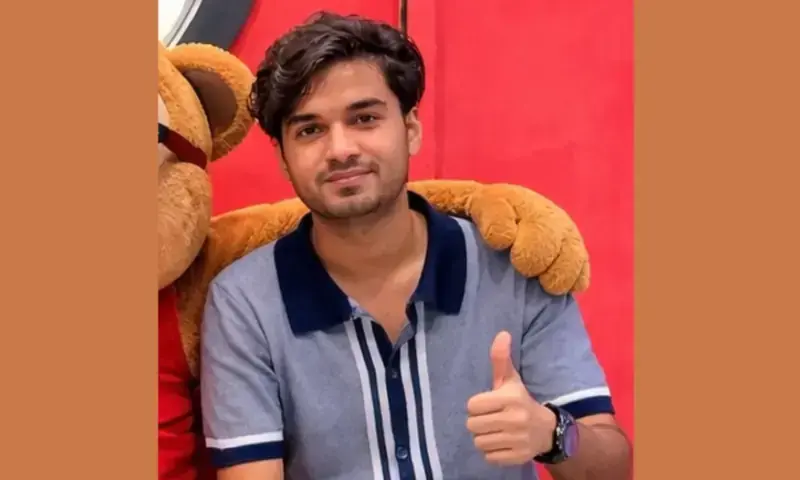
The investigation into the death of 25-year-old businessman Mir Raza Ali has taken a new turn after police added a murder charge to the case and reconstituted the team handling the probe.

Ali’s body was discovered in bushes in Karachi’s Gulistan-i-Jauhar on July 29, a day after he was reported missing. His family has maintained from the outset that he was abducted, subjected to torture and killed, while the initial police investigation had considered the possibility of suicide.

The latest development came after a second post-mortem examination produced findings that differed from the initial medical report.

According to an order issued by the Sindh Inspector General of Police’s office, the investigation team has been reorganised following the findings of the second autopsy. The first information report (FIR), initially registered under Section 365 of the Pakistan Penal Code for kidnapping, now also includes Sections 302 and 201.

Section 302 deals with murder, while Section 201 relates to causing evidence of an offence to disappear or providing false information to protect an offender.

A five-member team has now been assigned responsibility for the investigation. It is headed by Sindh Deputy Inspector General (Crime and Investigation) Amir Farooqui and includes senior police officers from different investigative units.

The new team has been directed to conduct a thorough and impartial investigation and examine the case from every relevant angle. Police have also been instructed to identify, secure and analyse any new evidence, including physical, forensic, technical and circumstantial material.

The team has been asked to make every effort to determine what happened to Ali and submit its findings to the relevant court within the required timeframe. Investigators will also provide daily updates on the progress of the case.

The development follows demands from Ali’s family for a change in the investigation. Family lawyer Jibran Nasir had called for the original probe to be replaced after the businessman’s body was exhumed for a second post-mortem examination.

According to the family’s legal representative, the fresh examination found evidence indicating that Ali had been shot in the back. He argued that the finding contradicted the earlier possibility of suicide and supported the family’s allegation that Ali had been murdered.

Nasir has further alleged that Ali was tortured before his death, describing him as a young and ambitious businessman whose death had left his family seeking answers.

The lawyer has also criticised the handling of the case by senior police officials, claiming that the family faced harassment and pressure instead of receiving a satisfactory investigation.

Similar Posts

  • | |

    Dubai Immigration offers help to people facing vis…

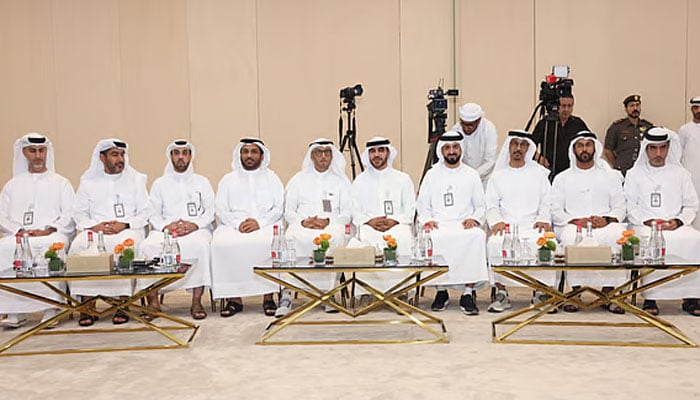
    Dubai authorities have announced support for people struggling with visa-related problems in the United Arab Emirates. Dubai Immigration chief Lieutenant General Mohammed Ahmed Al Marri urged affected individuals to approach authorities and explain their cases. He asked those facing difficulties to visit the Al Awir Centre for assistance. Al Marri made the announcement during a press briefing on Wednesday. Several senior officials were also present at the briefing. He said authorities would provide accommodation to people who have nowhere to stay. Free food and other essential support would also be arranged for those in need. People facing health-related concerns would also receive assistance. Al Marri said medical check-ups would be provided free of charge. Dental treatment would also be available. The immigration chief said officials would help people who were facing difficulties in returning to their home countries. Authorities would work to address the issues preventing them from travelling back. Dubai Immigration has also launched a new centre to assist stranded tourists and people looking for employment in the emirate. Al Marri said tourists and job seekers should be treated as guests. He stressed that authorities were committed to listening to their concerns and helping them resolve their problems.

  • |

    Pakistani celebrities who faced backlash for criticizing fellow stars

    Public figures are often judged not only for their professional achievements but also for how they speak about others. In Pakistan’s entertainment industry, several well-known personalities have sparked backlash after making controversial comments about fellow celebrities. While many of them built strong reputations through years of successful work, repeated public criticism and high-profile disputes have affected how sections of the audience view them. Veteran actor Firdous Jamal is one such example. Widely respected for memorable performances in television dramas, he found himself at the center of controversy after making remarks about actress Mahira Khan’s age and suitability for leading roles. His comments drew widespread criticism from both fans and members of the entertainment industry. In the years that followed, he continued making critical statements about several actors and industry veterans, further fueling debate. Personal family matters that became public also contributed to the negative attention surrounding him. Acclaimed writer Khalil-ur-Rehman Qamar has also remained a frequent topic of discussion due to his outspoken views. Known for penning some of Pakistan’s biggest television hits, he has often generated headlines for controversial interviews and public disagreements. His criticism of fellow celebrities, debates over social issues, and several personal controversies have divided public opinion, with supporters praising his honesty while critics accuse him of unnecessary hostility. Television host Nadia Khan, once celebrated as one of Pakistan’s pioneering morning show presenters, has faced criticism in recent years for her role as a drama reviewer. Her reviews, impersonations, and candid remarks about actors and television serials have often gone viral. While many viewers appreciate her straightforward opinions, others believe her comments sometimes cross the line and unfairly target fellow artists. Actor and producer Fahad Mustafa also came under public scrutiny after responding to comments made by senior actress Atiqa Odho regarding casting choices. His remarks during the exchange were widely criticized on social media, with many users describing them as disrespectful and ageist. The controversy prompted significant online debate and placed the star under intense public attention. Veteran actress, director, and filmmaker Sangeeta has similarly attracted criticism over her public statements. Some of her comments about fellow celebrities and revelations about past industry relationships were viewed as unnecessary by many fans. More recently, her remarks regarding actress Naeema Butt also generated discussion on social media, leading to mixed reactions from audiences. Television anchor Iqrar Ul Hassan, known for investigative journalism, has also seen his public image become increasingly polarizing. While he earned widespread recognition through his reporting career, his involvement in political matters, public disputes, and controversies surrounding his personal life have led to divided opinions among viewers. Viral incidents and outspoken statements have continued to keep him in the headlines. Media personality Dr. Omer Adil, once admired for hosting cultural and entertainment programs, has built a strong online presence through podcasts and YouTube discussions. However, his frequent criticism of celebrities and commentary on entertainment industry figures have changed how some longtime followers perceive him. Although he continues to attract viewers with his opinions, his style has also invited criticism from those who believe his remarks have become overly confrontational. These controversies highlight how public statements can significantly influence a celebrity’s reputation. In today’s digital era, where interviews and social media clips spread rapidly, even a single comment can shape public perception and spark widespread debate across the entertainment industry.

  • | |

    PTI rift deepens as Salman Akram Raja, Mashal Yous…

    ISLAMABAD: Differences within the Pakistan Tehreek-i-Insaf (PTI) have intensified as senior party figures Salman Akram Raja and Mashal Yousafzai exchanged allegations over party affairs and accusations related to the alleged sale of tickets. Salman Akram Raja criticised those who, according to him, were unable to pursue the matter through legal channels and had instead resorted to what he described as baseless allegations against Mashal Yousafzai over ticket-selling claims. Raja also said he did not know who had nominated Yousafzai as a senator, maintaining that the decision had been made on the instructions of PTI founder Imran Khan. He added that he did not have the authority to remove her from the Senate. In response, Mashal Yousafzai alleged that Raja had made his recent statements after apologising to the PTI founder. She challenged the party leadership to take action against Raja if it had the authority to remove him from the party. The dispute has also drawn comments from PTI leader Shandana Gulzar, who questioned Raja’s remarks concerning money. She raised questions over the whereabouts of millions of rupees allegedly received from the United States and said that those responsible would face serious consequences if the matter was investigated. The exchange has added to growing tensions within the opposition party, with allegations and counter-allegations emerging as its leadership continues to grapple with internal disagreements.

  • |

    Dolly Parton’s cause of death revealed after brief cancer battle

    Dolly Parton’s death has left fans, fellow musicians and the entertainment industry mourning the loss of one of country music’s most beloved and influential figures. The legendary singer, songwriter, actress and philanthropist died on Tuesday, August 25, in Nashville at the age of 80. Parton’s family initially announced her death without revealing the cause. Her representatives and an estate spokesperson have now confirmed that the music icon died following a brief battle with cancer. The specific type of cancer was not disclosed. According to the statement, Parton passed away peacefully at Vanderbilt-Ingram Cancer Center in Nashville, surrounded by members of her family and loved ones. Her representatives described her final battle as brave and reflected on the extraordinary impact she made throughout her decades-long career. The statement also highlighted Parton’s lifelong commitment to helping others. Beyond her achievements in music and entertainment, she became widely respected for her generosity and philanthropic work. Her representatives pointed to her Imagination Library, a nonprofit program that has distributed hundreds of millions of books to children. Parton’s charitable legacy also extended to medical research. In April 2020, during the early months of the COVID-19 pandemic, she donated $1 million to Vanderbilt University Medical Center after learning from a doctor friend that researchers needed additional funding for coronavirus studies. The contribution helped establish the Dolly Parton COVID-19 Research Fund, which provided early financial support for research that contributed to the development of the Moderna COVID-19 vaccine. Her representatives described her generosity and compassion as central to the legacy she leaves behind. From encouraging children to read to supporting scientific research, Parton consistently used her success to make a difference in the lives of others. Dolly Parton’s death announcement The initial announcement of Parton’s death came through her official Instagram account. Her nephew and longtime head of security, Bryan Seaver, shared the heartbreaking news on behalf of the Parton and Owens families. Seaver described Parton as his aunt and recalled the difficult responsibility of announcing her passing. He revealed that Parton had asked him years earlier to make such an announcement when the time came. Seaver had worked as Parton’s head of security for more than two decades, following in the footsteps of his father, Larry. While acknowledging the sadness surrounding her death, he emphasized the pride and honor he felt in being part of her life and protecting her for so many years. Dolly Parton’s remarkable career Born on January 19, 1946, Parton grew up in a large family in Tennessee and developed a passion for music at a young age. She began performing on local radio and television programs as a child before building a professional career that would eventually make her one of the most recognizable figures in country music. Parton released her debut studio album, Hello, I’m Dolly, in 1967. Over the following decades, she achieved enormous success as a singer and songwriter, earning 11 Grammy Awards and producing numerous enduring hits. Her career eventually expanded beyond music into acting, television, business and philanthropy. Parton was also known for maintaining a deeply private personal life despite her immense fame. She married Carl Thomas Dean on May 30, 1966, and remained with him for nearly six decades until his death in March 2025. The couple did not have children together. With her death, the entertainment world has lost an extraordinary performer whose influence extended far beyond the stage. Her music, generosity and commitment to helping others have secured a lasting legacy that is expected to continue inspiring generations.

  • | |

    ECP backs Punjab polls from December 15

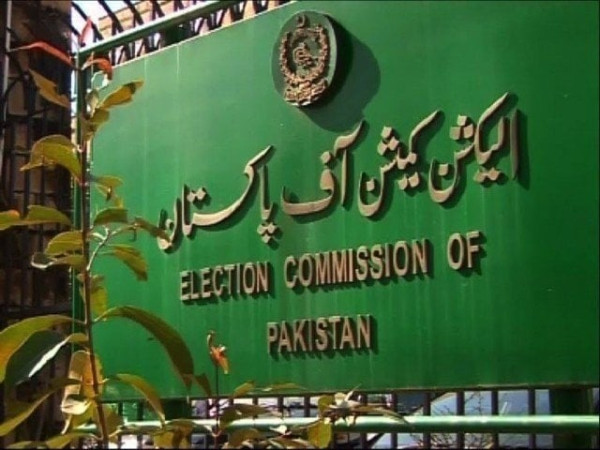
    The Election Commission of Pakistan has agreed in principle to hold long-delayed local government elections in Punjab between December 15, 2026, and January 15, 2027. The decision was reached during an ECP meeting chaired by Chief Election Commissioner Sikandar Sultan Raja on Thursday. The meeting was held to discuss the proposed schedule and preparations for local polls in the province. A Punjab government delegation attended the meeting. The delegation included Local Government Minister Zeeshan Rafiq, Mines and Minerals Minister Sardar Sher Ali Gorchani, Agriculture Minister Syed Muhammad Ashiq Hussain Shah and Education Minister Rana Sikandar Hayat. The Punjab chief secretary and senior local government officials were also present. The ECP was informed that the delimitation process for Punjab had been completed, clearing an important hurdle in preparations for the elections. Chief Election Commissioner Sikandar Sultan Raja stressed that elected local governments are a constitutional requirement under Article 140-A. He also pointed out that election authorities are legally required to conduct local government elections within the prescribed period after the expiry of elected local bodies. Punjab officials said the provincial government needed sufficient time to complete administrative preparations, arrange financial resources and deploy staff for the electoral process. The provincial government proposed the December 15 to January 15 window as the most suitable period for polling. Officials said school examinations would have concluded by then, allowing educational staff to be available for election duties. The government also cited weather conditions as a factor. Holding the elections during the proposed period could help avoid difficulties associated with heavy fog during other parts of the winter season. Punjab authorities further informed the ECP that they preferred conducting the elections in phases. Officials said phased polling would allow better security arrangements and make it easier for the administration to manage the large-scale electoral exercise. The ECP accepted the proposed timeframe in principle and directed the Punjab government to submit a detailed plan promptly if it wanted the elections to be conducted in multiple phases. The commission said the proposed arrangements could help move the province toward fulfilling its constitutional obligation of establishing elected local governments. The Punjab government has already allocated Rs12.52 billion for the local elections. It has also approved the recruitment of 900 Union Council secretaries to support the functioning of local bodies. Punjab has not held local government elections since 2015. The previous polls were conducted in several phases between October and December that year. The elected local councils began functioning in 2017 after mayors and chairpersons were selected through indirect elections. The local governments were dissolved in April 2019 by the then Punjab government before completing their full term. The Supreme Court subsequently ordered their restoration, and the councils eventually completed their tenure on December 31, 2021. Since then, local government elections have remained pending amid repeated changes to Punjab’s local government laws. Successive provincial administrations amended or replaced the relevant legislation, forcing the ECP to repeatedly revise its preparations and carry out fresh delimitation exercises.

  • | |

    Punjab University staff demand forensic audit, war…

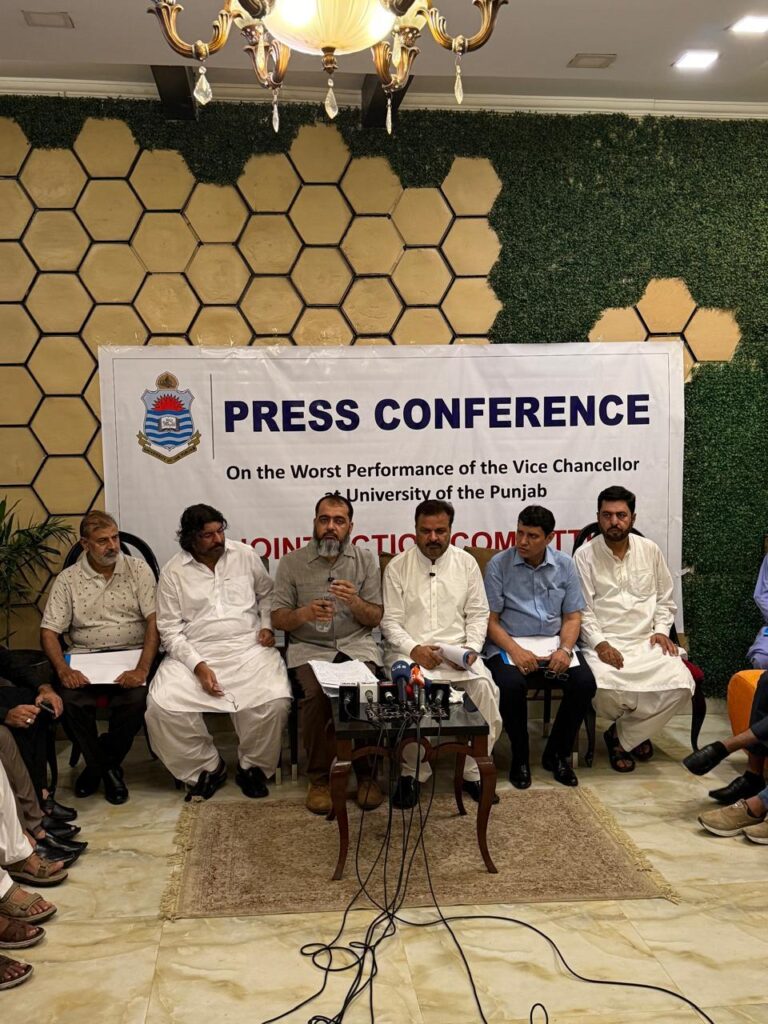
    Lahore: A joint platform representing teachers, officers, employees, and other stakeholders at the University of the Punjab has accused the university administration of driving the country’s oldest and largest public university into a deep financial, administrative, academic, and research crisis, while warning of a protest movement if their demands remain unaddressed within two weeks. Addressing a press conference in Lahore, the Joint Action Committee (JAC) said its purpose was not to target individuals but to present what it described as documented concerns regarding the university’s governance, financial management, academic standards, and research environment. The committee appealed to the Chancellor of the University, the Governor of Punjab, and the provincial government to intervene immediately to safeguard the institution.   The committee alleged that reserve funds worth approximately Rs4.88 billion, accumulated over many years, had been utilized within just 14 months without approval from the Finance and Planning Committee. It claimed that the university’s 2025–26 budget reflected a deficit of Rs2.57 billion and argued that, when combined with the depletion of reserves, the institution was effectively facing a financial shortfall of nearly Rs8 billion. It also questioned expenditures allegedly made beyond approved budget limits and called for greater transparency in financial decision-making. JAC further claimed that around Rs786 million belonging to various academic departments and institutes had been transferred to a central account under the One-Account Policy and later utilized, raising questions about whether the expenditures had received approval from the relevant statutory bodies. It also expressed concern over what it described as the first-ever financial deficit of nearly Rs350 million in the university’s self-supporting programmes. The committee also pointed to an apparent discrepancy in financial reporting, claiming that while the Finance and Planning Committee was informed of a Rs2.57 billion budget deficit at the end of the financial year, a subsequent Syndicate meeting was told the deficit stood at Rs1.6 billion. According to the committee, the variation requires a transparent explanation. Expressing concern over campus security, the committee referred to the killing of a student and the son of a university employee near the Vice Chancellor’s residence despite the presence of armed security personnel, arguing that the incident had raised serious questions about the effectiveness of the university’s security arrangements. On governance, the committee alleged that key statutory bodies, including the Senate, Deans’ Committee, Chairpersons’ Committee, Syndicate, and Selection Boards, had met only infrequently during the current administration, resulting in delays in appointments, promotions, and major policy decisions. It further criticized what it described as an excessive concentration of administrative authority in the office of the Director General (Students, Estate and Security), saying such an arrangement was inconsistent with principles of transparency, institutional balance, and accountability. The committee also referred to pending complaints and inquiries involving the office-holder, questioning the wisdom of assigning additional responsibilities while such matters remain unresolved. Highlighting academic concerns, JAC said the university had slipped from 542nd to 588th position in the QS World University Rankings and had also experienced a decline in the Higher Education Commission’s Office of Research, Innovation and Commercialization (ORIC) rankings. It alleged that faculty members were facing an atmosphere of insecurity and harassment, while research grants, travel support, and publication funding had effectively come to a halt. The committee claimed that although research grants of up to Rs1 million had been announced, no faculty member had yet received financial assistance under the initiative. It further alleged that several researchers had been forced to abandon nationally and internationally funded projects because of inadequate institutional support, damaging both research output and the university’s reputation with funding agencies. According to the committee, hostel accommodation remains unavailable for many students, including research scholars, while an increasing number of inquiry committees against faculty members and officers has created an atmosphere of fear and professional uncertainty. It also expressed concern over delays in permanent appointments to several senior administrative positions, saying the lack of regular appointments had weakened institutional efficiency. The Joint Action Committee demanded an independent forensic audit of the university’s financial affairs, including the use of reserve funds, deficit budgets, the One-Account Policy, and the finances of self-supporting programmes. It also called for the immediate removal of the Director General (Students, Estate and Security) under the principle of “one person, one post,” an end to what it described as retaliatory inquiries, restoration of a secure and professional working environment, immediate advertisement and transparent appointment of a permanent Registrar, payment of outstanding financial dues and benefits to teachers and employees, and the restoration of regular meetings of all statutory bodies in accordance with the University Act. The committee warned that if its demands are not addressed within two weeks, it will launch a phased protest campaign, including demonstrations outside the university, a sit-in outside the Punjab Assembly, publication of a white paper containing documentary evidence, and a boycott of classes that could ultimately disrupt academic activities at the historic institution. The university administration had not issued an official response to the allegations at the time this report was filed.

Leave a Reply

Your email address will not be published. Required fields are marked *