oman oil spill
| |

Oman oil spill spreads dramatically, nearing scale…

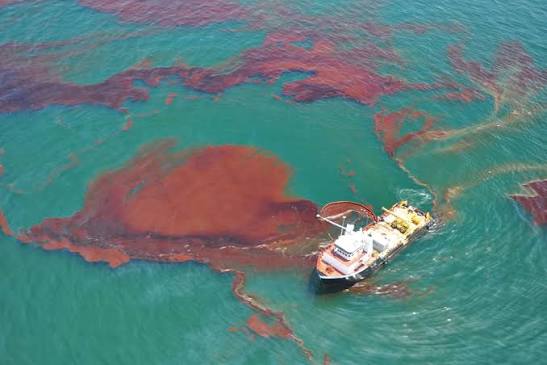
An oil spill off the coast of Oman is rapidly expanding into one of the worst maritime environmental disasters in years after weeks of largely unchecked spread, according to international agencies, satellite imagery and environmental organizations.

The slick, which originated from a grounded tanker carrying Russian crude, had reached Oman’s mainland by Wednesday, the United Nations shipping agency confirmed. John Amos, an oil spill specialist who reviewed satellite imagery, said the affected area now covers more than 2,000 square kilometers.

The vessel involved, the Caroline Bezengi, was carrying an estimated 800,000 barrels of Russian oil and operates under international sanctions. It ran aground on June 30 near an Omani island that forms part of a protected marine nature reserve. The tanker first reported trouble off the coast of Yemen on June 8, and maritime sources said an explosion appeared to have occurred on board. No party has claimed responsibility for any attack, though the ship was navigating waters tied to two separate conflicts during its voyage from Russia to India.

The tanker departed the Black Sea port of Novorossiysk in April, a region central to the ongoing war between Russia and Ukraine. Ukrainian forces have targeted vessels belonging to the so called shadow fleet used to transport Russian oil, a network that includes the Caroline Bezengi. Ship tracking data shows the tanker then passed through the Suez Canal in late May before sailing near Yemen, where Iran aligned Houthi forces have become entangled in the broader regional conflict involving the United States, Israel and Iran.

A tangled set of war related and sanctions related shipping regulations is already complicating the emergency response and could further delay efforts to contain the disaster, according to insurers and analysts. The IOPC Funds, the intergovernmental body responsible for compensating tanker spill damages, told a foreign news agency it will not cover cleanup costs since the incident is being classified as an act of war rather than an ordinary accident. The 25 year old tanker also lacks coverage from any recognized Western insurer.

Amos, who serves as chief executive of the environmental nonprofit SkyTruth, said the worst case outcome would involve no adequate response capable of preventing further damage. He said the spill’s scale could ultimately rival the 1989 Exxon Valdez disaster and noted that the tanker is comparable in size to the Sanchi, an Iranian vessel that collided with a freighter off China in 2018 in what became the world’s worst tanker disaster in decades.

Slick accelerates toward mainland

The spill was first identified by analysts in early July and has since begun reaching Oman’s mainland, according to the International Maritime Organization. A spokesperson for the agency said oil is drifting offshore northeast of Al Qibliyyah Island, with some already washing ashore, and confirmed that contingency planning for the spill is underway. The IMO said seasonal monsoon weather has restricted access to the tanker and delayed salvage efforts.

Satellite images show the vessel grounded at Al Qibliyyah Island, part of a nature reserve that includes the Hallaniyat Islands and provides habitat for endangered sea turtles, humpback whales and coral reef ecosystems, all of which now face heightened risk from the spreading oil.

Omani officials said Monday the slick covers nearly 400 square kilometers, though they have not responded to requests for additional detail on containment efforts beyond confirming the use of booms to limit the spread. Environmental groups and independent specialists estimate the true size at several times that figure, and say the rate of spread has accelerated sharply since early August.

Greenpeace reported Tuesday that the affected area grew from around 45 square kilometers at the end of July to 150 square kilometers by early August, then quadrupled to roughly 600 square kilometers within just two days, according to Hanen Keskes, the group’s political campaigns lead for the Middle East. Amos’s estimate of 2,000 square kilometers suggests the spill has grown more than 40 times larger since the start of August alone.

Amos said containing the disaster will require more than floating booms, including stabilizing the grounded vessel and transferring any remaining crude to another tanker. He warned that delays in salvage operations will only worsen the tanker’s condition and make the eventual recovery effort more complicated and dangerous.

Similar Posts

  • |

    Ukraine submits peace proposals to US as Zelenskiy warns of autumn Russian draft

    Ukrainian President Volodymyr Zelenskiy announced that Kyiv has delivered fresh peace proposals to American negotiators aimed at ending the conflict with Moscow. He simultaneously warned that Russia intends to use its upcoming parliamentary elections to launch a new, large-scale military mobilisation. Speaking in his nightly address, Zelenskiy stated that the proposals handed to the United States focus on bolstering Ukraine’s defence capabilities, particularly air defence, while urging Washington to exert diplomatic and economic pressure on the Kremlin to halt the war. The movement in negotiations comes as U.S. envoys Steve Witkoff and Jared Kushner prepare for potential visits to both capitals, following a period where diplomatic efforts had largely stalled. Kyiv continues to press for an immediate ceasefire after nearly four and a half years of fighting, whereas Moscow insists any agreement require Ukraine to permanently cede four claimed regions. Zelenskiy also cited Ukrainian intelligence reports indicating that Russian President Vladimir Putin plans to exploit September’s parliamentary polls to orchestrate a rapid autumn draft. “They are preparing for mobilisation in the autumn, immediately after the imitation of parliamentary elections,” Zelenskiy said, estimating that Moscow aims to draft several hundred thousand additional personnel by the end of the year, alongside ongoing voluntary contract recruitment. The electoral warning follows a decision by Russia’s Supreme Court on Monday to bar the liberal Yabloko party, the country’s sole registered anti-war political group, from contesting the upcoming election. Kremlin officials have denied plans for a mandatory draft, pointing to 200,000 voluntary sign-ups recorded in the first half of the year.

  • | | |

    PM Shehbaz unveils first Youth Employment Policy

    ISLAMABAD: Prime Minister Shehbaz Sharif has announced Pakistan’s first Youth Employment Policy. He said the government is focusing on education, skills, employment and entrepreneurship for young people. Addressing a ceremony in Islamabad, Shehbaz said a significant amount of money had been allocated for youth development this year. He stressed the importance of equal educational opportunities. He said every child should have access to quality education.The prime minister said Pakistan could not achieve the vision of Quaid-e-Azam if quality education remained limited to wealthy families. He criticised the gap between privileged and poor students. He said elite institutions provide better facilities to children from affluent families. According to Shehbaz, this inequality has contributed to Pakistan’s weak performance in the education sector. He said his government had worked to bring students from remote and less-developed areas into the education system. The prime minister also highlighted the Daanish Schools programme. He said its network is being expanded beyond Punjab. New Daanish Schools are being established in Azad Jammu and Kashmir and Gilgit-Baltistan, he added. Shehbaz said young people must be given access to modern education and technology. He warned that Pakistan would fall further behind if its youth were not prepared for the changing global economy. 35% quota for women The prime minister announced important measures under the new employment policy. He said women would receive a 35% quota across the labour force.He also announced a 10% annual quota for startups. The measure is aimed at encouraging young entrepreneurs and creating new employment opportunities. Shehbaz said young people should not only look for jobs. They should also be encouraged to establish businesses and create employment for others. Daanish University in Islamabad The prime minister also announced progress on Daanish University in Islamabad.He said the university is being established to provide modern and quality education. Classes are expected to begin next year.Shehbaz said financial difficulties should not prevent talented students from pursuing higher education. He said students with strong academic results would be given opportunities even if they could not afford expensive education. The prime minister pledged that his government would take every possible step for youth development. He said higher education and employment would remain among the government’s key priorities. Shehbaz also highlighted the government’s laptop distribution programme. He said around 700,000 laptops had already been distributed among deserving students.According to the prime minister, the laptops were awarded strictly on merit. He recalled that the programme had faced criticism in the past. Some critics had accused the government of using laptops for political purposes.Shehbaz rejected the criticism and said deserving students received the devices based on their academic performance. He further announced that 250,000 students would receive Chromebooks this year.The devices will also be distributed on merit. The prime minister said investment in education and digital skills was essential for Pakistan’s future.He said young people represent the country’s biggest resource. Providing them with education, technology and employment opportunities, he added, would help build a skilled workforce and strengthen the national economy.The new Youth Employment Policy is therefore being presented as a broader government effort to connect education with employment and entrepreneurship.

  • |

    JICA delegation visits Literacy Centres in Lahore

    LAHORE: A high-level delegation from the Japan International Cooperation Agency (JICA) visited Middle-Tech Literacy Centres in Lahore following an invitation from Literacy and Non-Formal Education Secretary Syed Haider Iqbal. The delegation included JICA President Dr. Akihiro Tanaka, Ambassador of Japan to Pakistan Shuichi Akamatsu, and JICA Pakistan Chief Representative Yusuke Shinozaki. During the visit, the officials toured literacy centres in Fatah Garh and Tajpura, reviewed the facilities available to students, and observed the teaching and learning activities. The delegation also interacted with students and distributed gifts among them. JICA representatives further handed over Package E textbooks to students who had completed Package D, enabling them to continue their education and move on to the next stage of their learning journey. During the visit, Secretary Literacy Syed Haider Iqbal briefed the Japanese delegation on the department’s ongoing initiatives for non-formal education. He highlighted projects being implemented with JICA’s support, along with other programmes aimed at improving access to education for children and young people who remain outside the formal schooling system. The secretary also outlined the department’s future plans and targets for expanding literacy, strengthening non-formal education and promoting skills development across Punjab. The JICA delegation appreciated the efforts of the Literacy and Non-Formal Education Department to improve literacy rates and provide educational opportunities to underserved communities across the province. The officials also acknowledged the department’s efforts to equip learners with skills that can contribute to their personal development and future economic opportunities. The meeting also focused on strengthening cooperation between the Literacy Department and JICA to expand educational opportunities for out-of-school children. Both sides discussed ways to enhance their partnership and explore further areas of collaboration to bring more children into the education system. The visit underscored the importance of international cooperation in addressing educational challenges and expanding access to learning opportunities, particularly for children who have been unable to attend mainstream schools.

  • | |

    China stands firm on economic strategy ahead of ke…

    BEIJING: China has intensified its defence of its state-led economic model as it prepares for crucial trade discussions with the European Union and the United States, signalling that it is unlikely to make major policy concessions despite mounting international criticism. Beijing has repeatedly argued that its development strategy, which prioritises investment in advanced manufacturing and technology, remains essential for long-term economic growth. Chinese leaders maintain that the country’s industrial policies have helped strengthen innovation and global competitiveness, rejecting accusations that they distort international trade. The latest policy statements from China’s leadership indicate a commitment to maintaining its current economic direction. While officials acknowledge challenges such as weak domestic demand and excess production capacity, they continue to favour targeted policy support instead of broad consumer-focused stimulus measures. Chinese authorities have also dismissed Western claims of industrial overcapacity, describing such criticism as politically motivated. They argue that China’s manufacturing success reflects its stage of economic development and benefits global consumers through affordable, high-quality products. Ahead of expected meetings between President Xi Jinping and US President Donald Trump later this year, as well as upcoming negotiations with the European Union, Beijing has adopted a more confident tone in defending its economic policies. Analysts believe the messaging is intended to establish clear limits on what China is willing to negotiate while encouraging greater understanding of its development model. China has also sought to counter warnings of a new “China shock” by portraying its industrial expansion as an opportunity for global economic growth. However, many Western economists argue that China’s reliance on exports, combined with subdued domestic consumption, continues to create imbalances that affect international markets. Although Beijing has slowed public investment by tightening oversight of local government spending, officials acknowledge that supply and demand remain uneven. Authorities have pledged to reduce destructive price competition among manufacturers and have reiterated their intention to strengthen consumer demand, though without announcing sweeping structural reforms. Chinese policymakers have also recognised that the country’s traditionally low household consumption cannot remain a permanent feature of its economy. While official publications describe the existing model as historically appropriate, they also suggest gradual adjustments will be necessary to ensure sustainable long-term growth. Despite these acknowledgements, Beijing remains cautious about implementing rapid reforms, fearing that abrupt policy changes could undermine economic stability. International studies continue to raise concerns over China’s economic practices. Recent research suggests that government subsidies have played a significant role in boosting the global market share of many Chinese companies, while other reports attribute much of China’s export growth to weak domestic consumption and industrial overcapacity. Analysts also note that China continues to invest in productive assets at a much faster pace than Europe and the United States, even though returns on those investments have declined. Many experts believe Beijing’s increasingly assertive defence of its economic model reflects growing confidence that it can manage trade tensions with Western partners without fundamentally changing its industrial strategy.

  • |

    Pakistan’s trade deficit surges 25% to nearly $4 billion in July 

    ISLAMABAD: Pakistan’s trade deficit expanded sharply during the first month of the new fiscal year, reaching nearly $4 billion in July, as a strong rise in imports continued to outpace export growth, highlighting persistent weaknesses in the country’s external sector despite a series of incentives announced for exporters. According to the latest figures released by the Pakistan Bureau of Statistics (PBS), the country’s trade deficit widened to $3.95 billion in July 2026, compared to $3.16 billion recorded during the same month last year. The deficit increased by approximately $794 million, representing an annual rise of 25.2%. The widening gap was primarily driven by a substantial increase in imports, which climbed to $6.9 billion from $5.8 billion in July 2025. This reflects an increase of more than $1 billion, or 18% year-on-year, indicating stronger demand for imported goods and raw materials. Exports Show Growth but Remain Below Key Milestone While Pakistan’s exports registered positive growth, they once again failed to cross the important $3 billion monthly mark. Exports reached $2.94 billion, falling short of the milestone by around $61 million. On an annual basis, exports increased by 9.5%, adding nearly $256 million compared to July last year. Although the improvement reflects steady recovery in overseas shipments, analysts believe the pace remains insufficient to counter the rapid expansion in imports. Exports had crossed the $3 billion threshold in January 2026, touching approximately $3.05 billion, but the country has been unable to maintain that level in the months that followed. Tariff Reforms Under Scrutiny The latest trade figures have renewed debate over Pakistan’s tariff liberalisation policy, introduced under broader economic reforms supported by international financial institutions, including the World Bank and the International Monetary Fund (IMF). The government has gradually lowered tariff barriers to increase competition and integrate Pakistan more closely into global markets. However, economists argue that the economy was opened before domestic industries were provided with sufficient support to compete effectively. Business leaders have repeatedly pointed out that exporters continue to face high energy prices, elevated financing costs, tax-related uncertainties and exchange rate volatility, all of which reduce their competitiveness in international markets. Earlier projections by the World Bank had suggested that tariff reforms would increase exports by 14% while limiting import growth to around 7%. However, the latest figures suggest imports have grown much faster than anticipated, while export gains have remained comparatively modest. Government Rolls Out Fresh Export Incentives To strengthen export performance, the federal government has announced a series of financial support measures during the current fiscal year. In the federal budget, Prime Minister Shehbaz Sharif reduced the minimum and advance tax on exporters to 1.25% and abolished the 10% super tax on export earnings in an effort to improve liquidity and encourage investment in export-oriented industries. More recently, the government approved a Rs98 billion export support package aimed at improving competitiveness and increasing foreign exchange earnings. Under the revised Export Finance Scheme (E-EFS), exporters will be able to obtain six-month working capital loans at an interest rate of 8.5%, with the government absorbing 5 percentage points of the financing cost. The subsidy for this component alone is estimated at Rs58 billion during the current fiscal year. ECC Approves New Financing Facilities The Economic Coordination Committee (ECC) has also expanded access to concessional financing by increasing the ceiling of the existing short-term financing portfolio from Rs1 trillion to Rs1.5 trillion. In addition, the committee approved the launch of a new Long-Term Growth Financing Facility, allowing exporters to access loans at an interest rate of 2% for the first two years, followed by a fixed 5% rate for the subsequent eight years. The government has also introduced a performance-based rebate scheme, effective from July 1, 2026, with an estimated annual allocation of Rs15 billion. Under the programme, exporters recording annual export growth of up to 10% over the previous year will receive a rebate equal to 1% of the incremental export value, while exporters achieving growth exceeding 10% will qualify for a 2% rebate on additional exports. Long-Term Challenges Persist Despite successive incentive packages introduced over several decades, Pakistan continues to struggle with achieving sustained export-led growth. Industry observers note that no single Pakistani exporter has generated $1 billion in annual export earnings, underscoring the structural challenges facing the country’s export sector. These challenges include limited product diversification, low industrial productivity, rising production costs, inconsistent policy implementation and insufficient value addition. Monthly Performance Offers Some Relief On a month-on-month basis, the trade data presented a more encouraging picture. Exports increased by 31% in July compared to June, rising by approximately $697 million, while imports remained largely unchanged at around $6.9 billion. As a result, the monthly trade deficit narrowed by nearly 15%, or around $709 million, compared with the previous month.

  • Thai Interior Ministry Issues Storm Alert for April 16–20

    BANGKOK — The Ministry of Interior has ordered provincial governors across the North, Northeast, and Central regions to activate emergency response plans as a powerful summer storm system is forecast to bring thunderstorms, strong winds, isolated hail, and lightning strikes to large swathes of the country over the coming days. Nationwide Flood Alert Issued as […]

Leave a Reply

Your email address will not be published. Required fields are marked *