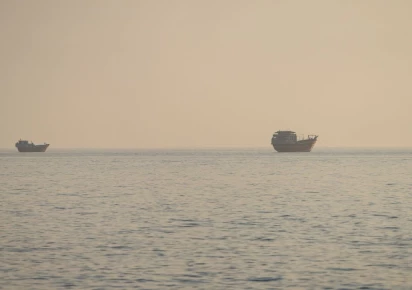
Oman proposes gulf-backed plan to ease Strait of Hormuz tensions
Oman has proposed a new framework for managing the strategically important Strait of Hormuz, with support from Gulf countries, according to a Gulf source and a Western diplomat who spoke to Reuters on Tuesday. The proposal includes a system under which ships using the waterway would be encouraged to make voluntary financial contributions rather than pay mandatory transit fees.
The initiative is aimed at easing tensions and restoring stability in one of the world’s busiest maritime trade routes following months of disruption caused by the conflict involving the United States, Israel, and Iran. A senior Iranian official told Reuters that Tehran has not yet responded to Oman’s proposal, which is intended to provide a foundation for a broader agreement to ensure the safe movement of commercial vessels through the strait.
The Strait of Hormuz is one of the most critical shipping lanes in the world, carrying around one-fifth of global oil and liquefied natural gas supplies before the conflict intensified. The route has become a focal point of regional tensions, with repeated incidents affecting international trade and energy markets.
Meanwhile, US President Donald Trump said there had been “good talks” involving Iran but warned that military action could resume if diplomatic efforts fail to produce results. Trump recently halted a planned two-week US bombing campaign, marking another major shift in his administration’s approach toward the conflict. Despite his comments, Iranian officials continue to deny that Tehran is preparing to restart negotiations with Washington.
Earlier this month, the United States launched a renewed military campaign aimed at reducing Iran’s influence over the Strait of Hormuz. Iran had effectively restricted access to the waterway following military strikes by the United States and Israel on February 28, allowing only Iranian vessels to move freely through the area.
Although a temporary agreement between Washington and Tehran led to the partial reopening of the strait last month, the arrangement quickly fell apart in early July. According to reports, Iran fired on ships using a navigation channel that it does not officially recognize, reigniting concerns about maritime security and the uninterrupted flow of global trade.
Iran has repeatedly stated that it wants to jointly oversee the Strait of Hormuz with Oman, which borders the opposite side of the narrow waterway. Tehran has also proposed charging vessels for navigation-related services. However, the United States argues that international ships should continue to enjoy unrestricted passage without being required to pay mandatory fees, maintaining that such charges would violate international law.
Under the proposal put forward by Oman, Iran would not have exclusive authority over the strait. Instead, management responsibilities would be shared, and any payments made by vessels would be entirely voluntary rather than compulsory, according to the Gulf source and the Western diplomat familiar with the discussions.
The proposed model is similar to the system used in Southeast Asia’s Strait of Malacca, where Indonesia, Malaysia, and Singapore invite shipping companies to make voluntary contributions. Those funds are used to support navigation safety, environmental protection, and search-and-rescue operations instead of functioning as mandatory transit charges.
The Omani initiative is being viewed as a possible compromise that could reduce regional tensions, safeguard international shipping, and help restore confidence in one of the world’s most strategically significant maritime corridors.