• |

    China unveils hyper-realistic robotic head

      Although companies around the world—particularly in China—are making rapid progress in developing humanoid robots capable of walking, moving, and interacting like humans, creating robotic faces that display truly lifelike expressions has remained one of the biggest challenges in robotics. Engineers have long struggled to replicate the subtle emotions and facial movements that make human communication so natural. A Chinese startup is now attempting to bridge that gap by introducing a highly realistic robotic head that closely resembles a human face in both appearance and expression. The innovation represents a significant step toward narrowing the divide between humans and machines. The company behind the project, AgiBot Farm, was founded in 2024 by Yuhang Hu, an engineer from Columbia University. Its latest creation, the Origin M1, is an advanced robotic head designed to reproduce a wide range of human facial expressions with remarkable precision. Unlike conventional robots that often appear stiff or expressionless, the Origin M1 can imitate subtle facial movements that are essential to human interaction. These include raising or furrowing the eyebrows, producing a gentle smile, moving the eyes naturally, and displaying other delicate expressions that convey emotions. Such realistic facial behavior makes conversations with the robot feel more natural and engaging. Beneath its lifelike silicone skin lies an intricate mechanical system powered by 25 to 42 ultra-quiet micro motors, depending on the model. These miniature motors function similarly to human facial muscles, expanding and contracting in coordinated patterns to create highly accurate facial movements. This sophisticated design allows the robot to produce smooth and realistic expressions instead of the rigid movements commonly associated with traditional robots. The robot’s eyes are equally advanced. Hidden within its pupils are tiny cameras that enable it to observe and analyze its surroundings. These cameras help the robot detect objects, monitor movement, and better understand the environment, allowing it to respond more intelligently during interactions. To further enhance communication, the Origin M1 is equipped with built-in microphones and speakers. These components allow the robot to hear human voices, process spoken language, and engage in conversations. This combination of vision, hearing, and expressive facial movements brings the robot much closer to human-like communication than previous generations of humanoid technology. However, such cutting-edge innovation comes at a premium price. The most advanced version of the Origin M1 is currently available for approximately US$150,000, making it suitable primarily for research institutions, technology companies, and specialized industrial applications rather than everyday consumers. Looking ahead, AgiBot Farm plans to make the robot even more intelligent by integrating lip-sync technology and large language models (LLMs). These upgrades will enable the robot not only to understand spoken language more effectively but also to generate facial expressions that match the tone, emotion, and context of a conversation. As a result, future versions of the Origin M1 could communicate in a way that feels increasingly natural, empathetic, and human. The development of robots like the Origin M1 highlights the rapid pace of artificial intelligence and robotics. As these technologies continue to evolve, experts believe that highly expressive humanoid robots could eventually play important roles in healthcare, education, customer service, research, and companionship, bringing humans and machines closer together than ever before.

  • West Indies opt to bat first in second test against Pakistan 

    The second and final Test match of the two-match series between Pakistan and the West Indies got underway at the Queen’s Park Oval in Port of Spain, Trinidad, with the hosts winning the toss and electing to bat first. The opening day was significantly affected by rain, disrupting play during the morning session. Persistent showers allowed only 9.5 overs to be bowled before the lunch interval, limiting the action on the field. Despite the interruptions, the West Indies made a positive start, reaching 49 for the loss of one wicket before lunch. As play resumed in the second session, the home side continued to build their innings. At the time of reporting, the West Indies had progressed to 150 for the loss of four wickets, putting themselves in a solid position despite losing a few key batters. Brandon King was the standout performer among the top-order batters, scoring a fluent 46 runs before being dismissed just short of a well-deserved half-century. Debutant Amir Jangoo contributed a valuable 26 runs, helping stabilize the innings after the early breakthrough. Tagenarine Chanderpaul, the son of former West Indies batting great Shivnarine Chanderpaul, managed 15 runs before losing his wicket, while Kevlon Hodge added 10 runs to the total. Pakistan’s bowlers managed to make regular breakthroughs, preventing the West Indies from establishing large partnerships. However, the rain interruptions and the batting-friendly conditions made it challenging for the visitors to dominate proceedings during the opening day. Pakistan entered the match with a significantly changed playing XI, making four changes from the team that featured in the opening Test. Captain Shan Masood was ruled out due to injury and was unavailable for selection. In addition, experienced fast bowler Mohammad Abbas, Khurram Shahzad, and all-rounder Aamer Jamal were also left out of the playing XI. To strengthen the squad, Pakistan handed Test debuts to fast bowlers Awais Zafar and 20-year-old Ubaid Shah, giving both players an opportunity to showcase their talent at the highest level of the game. Their inclusion reflects Pakistan’s intent to build a younger pace attack while providing valuable international experience to emerging players. The visitors also recalled off-spinner Sajid Khan and opening batter Abdullah Shafique, both of whom returned to the playing XI after missing the previous Test. Pakistan will be hoping that the fresh faces and team changes provide the balance needed to level the series. The stakes are high in this final Test, as the West Indies currently hold a 1-0 lead in the two-match series following their victory in the opening encounter. A win or a draw in Port of Spain would allow the Caribbean side to secure the series, while Pakistan must register a victory to avoid a series defeat. With rain still threatening to influence the contest, both teams will be aiming to make the most of the available playing time. As the match progresses, Pakistan’s bowlers will look to wrap up the West Indies innings quickly, while the hosts will aim to post a commanding first-innings total and strengthen their chances of sealing the series.

  • Shehbaz Sharif: A proven troubleshooter steering P…

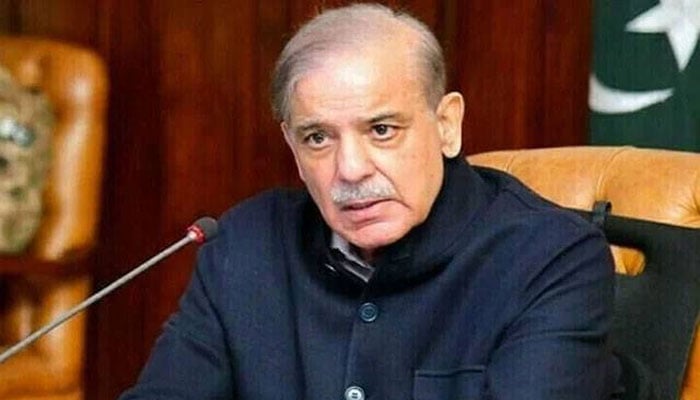
    Every political leader is eventually defined not by promises but by performance under pressure. Pakistan has faced repeated political, economic and administrative challenges over the decades, and each crisis has demanded leadership with experience, patience and the ability to find solutions. In my view, Prime Minister Muhammad Shehbaz Sharif has established himself as a leader who understands governance, negotiation and crisis management. His journey from grassroots politics to becoming Chief Minister of Punjab and later Prime Minister of Pakistan has given him decades of experience in dealing with the practical realities of administration and public service. His reputation as a hands-on administrator comes from his approach to governance. During his tenure as Chief Minister of Punjab, he focused on reforms in education, healthcare, infrastructure and public service delivery. His fast-paced working style earned him the title “Shehbaz Speed”, reflecting his emphasis on implementation and results. I first met Shehbaz Sharif in 2005 at his flat in Avenfield House, London. Over the past twenty-one years, I have had the opportunity to observe his political journey closely. While journalism requires independence and critical analysis, personal observation also provides a unique perspective. Throughout this period, his commitment to Pakistan and his passion for public service have remained evident. During his years as Chief Minister of Punjab, I witnessed his determination to create opportunities for young Pakistanis, particularly through education reforms. Initiatives such as the Punjab Education Endowment Fund, Danish Schools, merit-based scholarships, laptop schemes for students and stipends for high achievers aimed to expand access to quality education. The policy of sending high-performing students abroad, including to the United Kingdom and other European countries, was designed to broaden their vision and expose them to international standards. These initiatives reflected a belief that education is the foundation for long-term national development. His reforms in healthcare and infrastructure also became a significant part of his governance record. Supporters believe that his focus on improving public services in Punjab provided a model of administrative delivery that he later brought to the national level. As Prime Minister, Shehbaz Sharif has faced one of the most challenging periods in Pakistan’s recent history. His supporters credit his government with helping stabilise the economy, restoring international engagement and steering Pakistan away from the risk of a deeper financial crisis. Although major economic challenges remain, they argue that difficult decisions have helped create a more stable foundation. One of the notable features of the current political landscape has been cooperation between state institutions. Supporters view the working relationship between Prime Minister Shehbaz Sharif and Field Marshal Syed Asim Munir as an example of institutional coordination aimed at achieving national stability and economic progress. Pakistan has also sought a more active role on the international stage. Supporters point to its diplomatic engagement, including efforts to promote dialogue during periods of international tension, as evidence that Pakistan continues to play an important role in regional and global affairs. In my view, Prime Minister Shehbaz Sharif has repeatedly demonstrated the ability to steer Pakistan through difficult circumstances. Based on my observations over more than two decades, I believe he has faced major challenges before and has the experience and determination to overcome them again. His strength lies in his understanding of governance, his ability to negotiate with different stakeholders and his focus on delivery. Whether dealing with political partners, institutions or international partners, his supporters believe his experience gives him an advantage in managing complex situations. However, Pakistan’s journey towards prosperity requires continued reforms. Economic pressures, inflation, unemployment and governance challenges remain serious concerns. The next phase must focus on ensuring that national progress translates into improvements in the daily lives of ordinary citizens. In my opinion, Pakistan also needs stronger administrative decentralisation. Whether through new provinces or more empowered administrative units, decision-making should be brought closer to the people. More effective local governance can improve accountability, strengthen public services and accelerate development across the country. Pakistan now needs consistency, stability and a collective commitment from all stakeholders. Political differences are part of democracy, but national progress requires institutions to work together and focus on the common goal of prosperity. Prime Minister Shehbaz Sharif has built his political career around crisis management and public administration. His greatest challenge now is to convert stability into sustainable growth and lasting development. History will ultimately judge every leader by the impact they leave behind. For Shehbaz Sharif, the opportunity remains to transform difficult times into a period of economic recovery, institutional strength and a stronger Pakistan for future generations.

  • | |

    Ariana Grande to step back from public life after tour

    Pop superstar Ariana Grande has announced that she will take a break from public appearances after completing her Eternal Sunshine world tour next month, citing the constant public attention and scrutiny surrounding her personal life and appearance. According to her representatives, the singer has decided to step away from the spotlight to focus on her wellbeing after months of demanding performances and continuous media attention. They said Grande hopes to finish the tour in good health before taking a well-earned break from public-facing work. Her decision also means she will no longer appear in the upcoming London revival of Stephen Sondheim’s acclaimed musical Sunday in the Park with George, which is scheduled to open at the Barbican Theatre in 2027. The production company confirmed her withdrawal and expressed full support for her decision, saying it respects her choice and wishes her the very best. Grande was originally set to star alongside British actor Jonathan Bailey, her co-star in Wicked. Producers have confirmed that the production will continue as planned, although a replacement for her role has not yet been announced. The singer has faced growing public discussion about her appearance in recent years, with speculation intensifying following the release of her new album Petal and its promotional campaign. Her team emphasized that she remains healthy and continues to deliver physically demanding performances throughout her tour. Grande’s latest music video also appears to reflect the pressure she has experienced. In the video, she portrays a performer who is repeatedly criticized over her appearance and talent before ultimately confronting those judgments in a symbolic act against her critics. The final concert of the Eternal Sunshine tour is scheduled to take place in London on September 1. After that performance, Grande plans to step away from the public eye for an unspecified period to focus on her personal wellbeing and life away from constant media attention.

  • | | |

    Constitutional provisions fuel referendum debate

    Debate over the possibility of holding a national referendum has resurfaced in Pakistan, prompting discussions among political observers and constitutional experts about the legal framework governing such a move. Although the government has made no official announcement regarding a referendum, speculation in political circles has raised questions about when and how a nationwide vote can be conducted under the Constitution. Constitutional experts say Articles 48(6) and 48(7) of the Constitution empower the prime minister to propose a referendum on a matter of national importance. Under Article 48(6), the prime minister may refer such a proposal to a joint sitting of Parliament. If approved by the joint session, the matter can be presented to the public through a referendum in the form of a “Yes” or “No” question. Article 48(7) further provides that Parliament may legislate the procedure for conducting a referendum and determining its results. Legal experts note that, unlike a constitutional amendment, such legislation does not require a two-thirds majority and can be passed through a simple majority of members present, provided the quorum is complete. The renewed debate has also revived interest in the history of referendums in Pakistan. The concept first gained prominence during the political crisis that followed the March 7, 1977 general elections. Opposition parties, united under the Pakistan National Alliance (PNA), rejected the election results, alleging widespread rigging. They later boycotted provincial assembly elections and launched a nationwide protest movement demanding fresh elections, dissolution of assemblies and the resignation of then-prime minister Zulfikar Ali Bhutto. Despite mediation efforts by Saudi Arabia, negotiations between the government and the opposition failed, and the political deadlock culminated in the imposition of martial law by General Muhammad Zia-ul-Haq on July 5, 1977. Following these developments, constitutional provisions allowing referendums were introduced through the Seventh Constitutional Amendment. Pakistan’s first referendum was held on December 19, 1984, during General Zia-ul-Haq’s rule. While the public was asked to vote on the continuation of the Islamization process, a “Yes” vote effectively extended Zia’s presidency for another five years. Official results declared overwhelming support for the proposal, though opposition parties questioned both the process and the outcome. A second nationwide referendum was held in April 2002 under General Pervez Musharraf. The exercise enabled him to secure another five-year presidential term before the general elections later that year. After the 2002 elections, Musharraf was formally elected president by an electoral college comprising Parliament and the four provincial assemblies under the framework established through the Seventeenth Constitutional Amendment. Political analysts say recent discussions intensified after comments made during a media briefing by the Director General of Inter-Services Public Relations (ISPR), whose carefully worded responses to questions on constitutional matters drew public attention.

  • | |

    Eight killed as torrential rains devastate Sindh

    Heavy monsoon rains continued to wreak havoc across Sindh, killing at least eight people and injuring another eight as widespread flooding disrupted life in several districts. The provincial government placed all rescue and emergency agencies on high alert and directed authorities to intensify relief efforts in the affected areas. The downpour caused severe urban flooding, inundated roads and residential areas, and damaged public infrastructure. Authorities warned that more rainfall could worsen the situation and urged residents to remain cautious. Hyderabad received an exceptionally high amount of rainfall, with a cumulative 360 millimetres recorded between August 1 and August 2. The continuous rain submerged roads, disrupted traffic and affected routine activities across the city. In Badin district, floodwaters created a major emergency after two breaches developed in the Mirwah Canal on Sunday morning. The breaches, measuring approximately 15 feet and eight feet wide, allowed water to flow into nearby settlements, flooding around 200 houses. Local authorities and rescue teams were deployed to assist affected families and assess the damage. The provincial government also took administrative action during the emergency. The Town Municipal Officer (TMO) of Umerkot was suspended for remaining absent from the district while the crisis unfolded. Sindh Chief Minister Syed Murad Ali Shah directed all rescue organizations to remain on high alert and ensure a rapid response to emergencies. He instructed the Local Government Department that no government officer should leave their place of posting without prior permission until the situation improves. The chief minister also directed Karachi Mayor Barrister Murtaza Wahab, district administrations, town municipal authorities and other civic agencies to keep the city’s drainage network fully operational. He emphasized that all available machinery and staff should be deployed to ensure the quick removal of rainwater and prevent prolonged flooding. Murad Ali Shah ordered the Provincial Disaster Management Authority (PDMA), the Irrigation Department, the Health Department, district administrations and rescue services to stay fully prepared for any further emergencies. He instructed officials to implement all precautionary measures immediately and provide timely assistance to affected residents.

  • | |

    Pakistan’s major dams reach 72% storage capa…

    Pakistan’s water reserves have improved significantly, with the country’s major reservoirs now filled to 72% of their total storage capacity, according to official data released on Sunday. The latest figures show that the combined water storage in the country’s key reservoirs has reached 9.466 million acre-feet (MAF), compared with a total storage capacity of 13.149 million acre-feet. Officials said the improvement follows a substantial increase in water inflows across the Indus River system, with inflows significantly exceeding outflows. The higher inflow has helped replenish major dams and strengthen the country’s water reserves. The increase in reservoir levels is expected to support irrigation needs, improve water availability for agriculture and enhance overall water management during the current season. Authorities continue to monitor inflows and reservoir levels as the monsoon season contributes to rising water storage across the country’s major dams.

  • |

    Taliban seeks improved ties with Pakistan

    The Taliban administration has expressed its desire to reduce tensions and improve relations with Pakistan, saying that continued disputes serve the interests of neither country. Taliban spokesperson Zabihullah Mujahid said both sides should work to resolve outstanding issues through dialogue and cooperation. He noted that the closure of border crossings and restrictions faced by Afghan traders have contributed to strained relations and disrupted bilateral trade. Mujahid said the Taliban wants these issues to be addressed to facilitate smoother cross-border movement and strengthen economic ties between the two neighboring countries. He also acknowledged that trade with Pakistan has been affected in recent months, adding that Afghanistan has increased its economic engagement with Iran while pursuing new projects aimed at developing the country’s mineral resources. However, analysts have raised concerns over the transparency of some of the reported mining agreements and questioned whether sufficient oversight and accountability mechanisms are in place. The remarks come at a time when Pakistan and Afghanistan continue to face challenges in bilateral relations, including border management, trade disruptions and broader security concerns.

  • |

    Tom Holland’s Spider-Man shatters box office with $927m opening

    Tom Holland’s Spider-Man: Brand New Day has delivered one of the biggest box office debuts in cinema history, earning an impressive $927 million worldwide during its opening weekend and cementing its place as one of Marvel’s most successful launches. The superhero blockbuster collected $355 million across the United States and Canada, making it the second-largest domestic opening weekend of all time, trailing only Avengers: Endgame, which earned $357 million during its debut in 2019, without adjusting for inflation. International audiences also turned out in huge numbers, helping the film earn $572 million overseas. China led all international markets with $121 million in ticket sales, while Australia recorded the country’s biggest opening weekend of 2026 with $30.4 million. Combined, those figures lifted the movie’s global opening weekend total to $927 million. The latest installment marks Tom Holland’s fourth appearance as Peter Parker, also known as Spider-Man. The story follows Parker after the events that left the world with no memory of his superhero identity. Forced to navigate life in isolation, he continues fighting crime while searching for meaningful human connections and struggling with loneliness. Zendaya reprises her role as MJ, Parker’s greatest love, while the film explores themes of friendship, emotional resilience, and hope. The emotional storytelling has been widely praised for adding depth to the superhero spectacle and connecting with audiences beyond its action sequences. Marvel Studios president Kevin Feige described the film’s opening weekend as a remarkable achievement, celebrating the overwhelming response from audiences around the world. The success also strengthens Marvel Studios’ dominance at the global box office. The studio now holds the four biggest worldwide opening weekends in history, led by Avengers: Endgame with $1.22 billion, followed by Spider-Man: Brand New Day with $927 million, Avengers: Infinity War with $640 million, and Spider-Man: No Way Home with $600 million. Sony Pictures Motion Picture Group chairman and CEO Tom Rothman said the film’s emotional focus on friendship and human connection has resonated with audiences of every generation and across different cultures, contributing to its extraordinary commercial success. Despite growing concerns in recent years about superhero fatigue, Spider-Man: Brand New Day has received an overwhelmingly positive reception. The movie currently holds a 90% critics’ score and an impressive 98% audience approval rating on Rotten Tomatoes, reflecting strong support from both reviewers and moviegoers. Entertainment analysts believe the film’s exploration of loneliness, friendship, and overcoming personal struggles has struck a chord with Generation Z, particularly younger audiences seeking relatable emotional stories alongside blockbuster action. The film’s blockbuster performance has also boosted an already strong summer movie season, joining successful releases such as Toy Story 5 and The Odyssey in driving audiences back to cinemas. Industry experts say the combined success of these films produced one of the biggest weekends ever for movie theaters. Although the domestic box office has continued to recover, overall ticket sales in 2026 remain below pre-pandemic levels. However, the exceptional performance of Spider-Man: Brand New Day has provided another major boost for theaters and demonstrated that major franchise releases continue to attract massive global audiences.

  • |

    Kendall Jenner, Jacob Elordi’s latest outing fuels split rumors

    Kendall Jenner and Jacob Elordi’s relationship has become the subject of fresh speculation after the pair were spotted together at a recent Chris Stapleton concert, with their public appearance prompting renewed discussion about their romance. The couple, who have been linked since earlier this year, attended the concert while keeping a relatively low profile. Both opted for casual white T-shirts and stayed near the side of the stage, avoiding unnecessary attention as they enjoyed the event together. Despite their relaxed appearance, a body language expert suggested that the couple’s interactions reflected a noticeable shift in their relationship dynamic. According to the analysis, Jenner appeared less confident than in previous public outings, while Elordi seemed calm and at ease throughout the evening. The expert observed that Jenner’s gestures were more animated and expressive, describing them as attempts to seek attention or reassurance. In contrast, Elordi reportedly displayed a composed and comfortable demeanor, leading to speculation that the balance in their relationship may have changed. Particular attention was drawn to Jenner’s posture during the concert. The expert noted that the model was seen sitting with her legs crossed while holding her ankle, interpreting the pose as a sign of vulnerability or a desire for reassurance. The analysis suggested that adults sometimes adopt childlike body language when they feel emotionally threatened or uncertain, although such interpretations remain subjective and cannot confirm a person’s actual emotions. Another moment highlighted by the expert involved Jenner gesturing toward something while extending her arm across Elordi’s body. This movement was interpreted as a possible sign of protectiveness or a desire to keep her partner close. The expert argued that the interaction reflected a different dynamic from the couple’s earlier public appearances. Based on these observations, the body language specialist suggested that Elordi appeared to hold a more confident position within the relationship, while Jenner seemed to be seeking greater emotional reassurance. However, body language analysis is based on interpretation rather than confirmed fact, and it cannot accurately determine the true state of a relationship. Neither Jenner nor Elordi has publicly addressed the speculation surrounding their romance, and there has been no indication from either of them that their relationship is experiencing difficulties. The couple has generally chosen to keep their personal lives private and has rarely commented on media reports about their relationship. Jenner, one of the world’s most recognizable fashion models and television personalities, has often maintained a low-key approach to dating despite intense public interest in her personal life. Elordi, meanwhile, continues to focus on his acting career, with several high-profile film projects attracting attention in recent months. The pair first sparked romance rumors earlier this year after reportedly meeting through mutual friends, including Justin and Hailey Bieber. Since then, they have been photographed together on several occasions, fueling ongoing interest from fans and entertainment media. While recent body language interpretations have led to renewed breakup speculation, there is currently no official confirmation that Kendall Jenner and Jacob Elordi are facing problems in their relationship. For now, reports about the couple’s status remain based largely on public appearances and expert opinion rather than statements from the pair themselves.