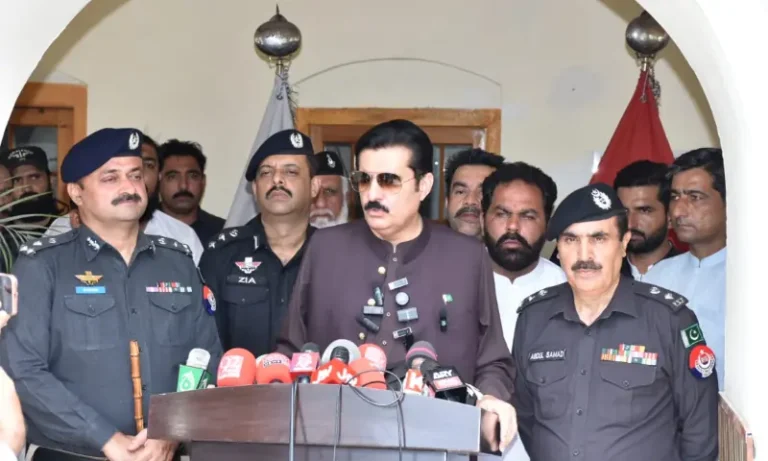
pakistan gets 36bn
| |

Pakistan gets $3.6bn remittances in July, PM welco…

ISLAMABAD: Prime Minister Shehbaz Sharif has welcomed a strong increase in remittances sent by overseas Pakistanis, with the country receiving $3.6 billion during July.

Reacting to the latest figures, the prime minister described the inflow as encouraging, noting that remittances recorded a 13 per cent increase compared with the same month last year.

He also highlighted a month-on-month rise, saying remittances grew by 4.5 per cent in July. The continued increase provides further support to Pakistan’s foreign exchange position and reflects the growing contribution of overseas Pakistanis to the national economy.

Shehbaz praised the Pakistani diaspora for playing an important role in supporting economic stability. He said overseas Pakistanis remain an important part of the country’s economic strength and appreciated their continued support through financial transfers.

The latest rise in remittances comes as Pakistan continues efforts to strengthen its external account, improve foreign exchange liquidity and maintain economic stability.

Similar Posts

  • | |

    Pakistan, Jordan express deep concern over escalat…

    Deputy Prime Minister and Foreign Minister Senator Ishaq Dar and Jordanian Foreign Minister Ayman Safadi held a telephone conversation on Tuesday to discuss the worsening humanitarian and security situation in the Palestinian territories, expressing deep concern over the continued escalation of violence in Gaza and the occupied West Bank. According to Pakistan’s Foreign Office, the two leaders reviewed the latest developments, focusing on the ongoing Israeli military operations, intensified airstrikes, ground offensives, and the deteriorating conditions faced by Palestinian civilians. They emphasized the urgent need for international efforts to reduce tensions and prevent further loss of life. During the discussion, both foreign ministers strongly condemned repeated incursions by Israeli settlers and far-right groups into the Al-Aqsa Mosque compound in occupied East Jerusalem. They also criticized restrictions imposed on Palestinian worshippers, describing such measures as a violation of the sanctity and religious significance of one of Islam’s holiest sites. Dar and Safadi agreed that actions affecting the Al-Aqsa Mosque compound not only inflame tensions on the ground but also undermine regional stability and diminish prospects for a peaceful resolution to the long-standing conflict. They stressed the importance of respecting the historical and legal status of the holy site and ensuring freedom of worship for Palestinians. The conversation also focused on diplomatic efforts aimed at addressing the crisis. The Jordanian foreign minister briefed Ishaq Dar on Jordan’s proposal to convene a meeting of Arab and Islamic countries to review the rapidly evolving situation and coordinate a collective diplomatic response. The proposed gathering is expected to explore ways to strengthen international engagement, promote humanitarian assistance, and support efforts to achieve a peaceful settlement. Both leaders agreed that close coordination among Muslim and Arab countries remains essential in responding to the ongoing crisis. They emphasized the importance of maintaining diplomatic momentum to encourage dialogue and prevent further escalation in the region. Foreign Minister Ayman Safadi acknowledged Pakistan’s consistent role in advocating for regional peace and stability. He appreciated Islamabad’s diplomatic efforts and expressed hope that ongoing international initiatives would contribute to reducing tensions and creating conditions conducive to lasting peace. During the call, Ishaq Dar reaffirmed Pakistan’s unwavering support for the legitimate rights of the Palestinian people. He reiterated Pakistan’s long-standing position that a just, comprehensive, and durable peace can only be achieved through a negotiated political solution based on international law and relevant United Nations resolutions. Dar once again emphasized Pakistan’s support for the two-state solution, calling for the establishment of an independent, sovereign, contiguous, and viable Palestinian state based on the pre-1967 borders. He said East Jerusalem, referred to by Muslims as Al-Quds Al-Sharif, should serve as the capital of the future Palestinian state. The deputy prime minister also stressed the need for the international community to intensify diplomatic efforts to end the violence, protect civilians, and facilitate humanitarian assistance for those affected by the conflict. He underscored that meaningful dialogue and respect for international law remain essential for achieving lasting peace and stability in the Middle East. The telephone conversation reflected the close cooperation between Pakistan and Jordan on issues concerning Palestine and highlighted their shared commitment to supporting diplomatic initiatives aimed at ending the conflict. Both countries reaffirmed their determination to continue working with regional and international partners to promote peace, safeguard holy sites, and uphold the rights and aspirations of the Palestinian people.

  • | |

    Duki road renamed after acid attack survivor Dr Ma…

    Balochistan Chief Minister Mir Sarfraz Bugti has announced that a major road in Duki district will be renamed after Dr Mahnoor Nasir, a female doctor who survived a severe acid attack earlier this year. The decision has been taken to honour Dr Mahnoor’s courage, resilience and dedication to her profession. The chief minister said her determination and commitment to duty had made her an example for women across Balochistan. Under the notification issued by the provincial government, Haji Amanullah Masjid Road near Damani Chowk in Duki will now be known as Dr Mahnoor Nasar Road. The new name will take effect immediately. Dr Mahnoor, a 29-year-old doctor at Civil Hospital Quetta, was seriously injured in an acid attack in June. She suffered extensive burns to her face, chest, legs and other parts of her body. According to police, the alleged attacker was a hospital employee identified as Humayun Shah. Law enforcement officials later traced him while he was attempting to escape on a bus. Police said he was killed during an encounter. Chief Minister Bugti praised Dr Mahnoor for continuing to demonstrate courage despite the severe injuries she suffered. He said recognising citizens who show bravery and remain committed to their responsibilities was a duty of the government. The acid attack triggered strong condemnation across Balochistan. Members of the medical community, government officials and other sections of society called for strict action against those responsible. Doctors in Quetta also staged a strike following the incident. They demanded a transparent investigation and stronger measures to ensure the safety of medical professionals, particularly women working in hospitals. The case also came amid wider legal and social concern over acid attacks in Pakistan. In a significant ruling issued days after the incident, the Supreme Court described acid violence, or vitriolage, as a particularly heinous offence and said its gravity could exceed that of homicide. The renaming of the road is being presented by the Balochistan government as a public tribute to Dr Mahnoor’s resilience. Officials said the initiative is also intended to highlight the importance of recognising women who continue to serve their communities despite facing serious challenges.

  • | |

    Atif Aslam reveals why he misses his Indian fans

    Pakistani singer Atif Aslam has said that he misses his Indian fans and appreciates the support they have continued to show him despite restrictions affecting his work in India. The internationally popular singer shared his thoughts while speaking during a podcast in Dubai, where he is currently involved in various music-related activities and media appearances. Atif Aslam recently appeared on Chris Fed’s podcast, One on One with Chris Fed, where he discussed his career, his Indian audience and his upcoming musical plans. Addressing his Indian fans, Atif said they should not feel sad or disappointed because of the restrictions. He clarified that what he misses is not simply working in India but, more importantly, the fans he has built there over the years. The singer expressed gratitude to his Indian audience for continuing to support him during a difficult period. He acknowledged that their loyalty and encouragement remain important to him. Atif Aslam also reflected on his experience of working in the Indian music industry. He said his time as a playback singer in India taught him a great deal and contributed significantly to his development as an artist. According to the singer, if the restrictions had not been imposed, he might not have moved toward producing his own music in the same way. The experience ultimately encouraged him to explore new creative directions and become more involved in creating music independently. Atif is now working on a new musical project titled “Borderless Music.” The project is expected to bring together artists from different areas of the music industry, including emerging musicians, established singers, legendary performers, composers and lyricists. The project reflects Atif’s continued interest in creating music that can reach audiences beyond geographical boundaries. Known for songs such as “Aadat,” “Kuch Is Tarah,” “Bakhuda” and “Dil Diyan Gallan,” Atif Aslam has developed a large international following over the years. His popularity extends across South Asia and beyond, making him one of Pakistan’s most recognizable contemporary singers. His latest comments have once again highlighted the strong connection between the singer and his Indian audience. While he did not focus on returning to work in India, his message made it clear that the bond with his fans remains significant. Atif also hinted that fans can expect more music under the “Borderless Music” project in the coming days, potentially giving listeners a new chapter in his evolving musical journey.

  • | |

    Security forces foil suicide attack in South Wazir…

    Pakistan security forces have foiled a suicide attack on a checkpost in South Waziristan district of Khyber Pakhtunkhwa, killing four terrorists, including the suicide bomber, the Inter-Services Public Relations (ISPR) said. According to a statement issued by the military’s media wing, terrorists attempted to attack a security forces checkpost by driving an explosives-filled vehicle toward the installation. However, the attack was stopped due to the quick and effective response of security personnel. The ISPR said that the explosives-laden vehicle was engaged and destroyed before it could reach the checkpost, killing the suicide bomber inside. The failed attack caused no damage to the security installation and no casualties were reported among security forces. Following the initial attack attempt, troops engaged other militants who tried to enter the area. According to the statement, three terrorists were forced into a nearby compound and were later killed during a targeted clearance operation carried out by security forces. The military said a sanitisation operation was also launched in the surrounding area to search for any remaining militants and ensure the security of the region. The ISPR reiterated that counter-terrorism operations under the “Azm-i-Istehkam” initiative will continue with full commitment to eliminate terrorism and prevent attacks against the country. The operation is part of ongoing efforts by security forces and law enforcement agencies to tackle militant threats. The incident comes a day after a terrorist attack on a joint police checkpost in Tank district of Khyber Pakhtunkhwa resulted in the deaths of 15 people, including security personnel. Officials said the attack highlighted the continuing security challenges faced by the province. Khyber Pakhtunkhwa has witnessed an increase in militant activities over the past year, with security forces conducting frequent operations against armed groups operating in the region. Security officials have stated that intelligence-based operations and targeted actions will continue to counter militant networks and protect civilians and security personnel. The latest operation in South Waziristan reflects the ongoing security efforts aimed at preventing attacks and maintaining stability in areas affected by terrorism.

  • |

    Jawad Akhtar, Arsam Farooq elected Islamabad Cricket Association President

    ISLAMABAD: The Pakistan Cricket Board (PCB) has completed the election process for the Islamabad Regional Cricket Association (IRCA), with Mohammad Jawad Akhtar elected as president and Arsam Farooq Ahmed chosen as secretary for the next three years. According to an official notification issued by PCB Election Commissioner Mansoor Qadir on Thursday, both candidates were elected unopposed, allowing them to assume office immediately without a formal contest. The appointments mark another milestone in the PCB’s ongoing efforts to strengthen governance and improve the administrative framework of regional cricket across Pakistan. As office-bearers of one of the country’s key regional associations, Jawad Akhtar and Arsam Farooq Ahmed will be responsible for overseeing cricket development in Islamabad and implementing the PCB’s domestic cricket vision. The newly elected officials are expected to focus on expanding grassroots cricket, improving talent identification, and ensuring that promising young players receive better opportunities to progress through Pakistan’s domestic cricket system. Regional cricket associations serve as the backbone of the country’s cricket structure. They organise local tournaments, manage club and district competitions, coordinate coaching and development programmes, and create pathways for talented cricketers to reach the national domestic circuit. With Islamabad continuing to produce several promising players in recent years, expectations are high that the new leadership will further enhance the region’s cricketing infrastructure and provide stronger support for clubs, academies and emerging athletes. The PCB has repeatedly emphasised the importance of transparent administration and efficient regional governance as part of its long-term strategy to strengthen Pakistan’s domestic cricket. Stable leadership at the regional level is viewed as essential for nurturing future international stars and maintaining a competitive domestic structure. Jawad Akhtar and Arsam Farooq Ahmed now begin their three-year tenure with the responsibility of working closely with the PCB, local stakeholders and cricket clubs to promote the game throughout the federal capital. Their immediate priorities are expected to include improving player development programmes, supporting age-group competitions and ensuring effective coordination between regional and national cricket bodies. The successful completion of the Islamabad Regional Cricket Association elections reflects the PCB’s broader commitment to building a stronger, more organised domestic cricket system. With new leadership now in place, attention will turn to how the association translates administrative stability into meaningful progress for cricket in Islamabad and contributes to the continued growth of Pakistan’s talent pipeline.

  • | | | |

    Iran targets US bases across Gulf

    The conflict between Iran and the United States intensified on Wednesday after Iran claimed it carried out a new wave of drone attacks on US military bases in Jordan, Bahrain and Kuwait. The latest attacks marked another major escalation in the ongoing regional conflict that has continued for months. Iranian military officials said attack drones targeted Al-Azraq Air Base in Jordan, Sheikh Isa Air Base in Bahrain and Camp Doha in Kuwait. According to Iranian authorities, the strikes focused on military warehouses, logistics facilities, aircraft maintenance centers and ammunition depots used by US forces. Jordan confirmed that its air defense systems intercepted several missiles and drones after they entered the country’s airspace. Officials said four missiles were destroyed while two landed in remote desert areas. No casualties or property damage were reported. Air raid sirens also sounded in Jordan’s southern port city of Aqaba. Videos circulating on social media showed smoke rising over the area. Authorities urged residents to remain alert but confirmed that the situation was under control. Bahrain’s military said its air defense systems successfully intercepted several incoming aerial threats after warning sirens were activated across the country. Officials did not report any casualties or major damage. Iran also claimed it launched a large number of drones against Camp Doha in Kuwait. Iranian media said the attack targeted US ammunition storage sites and military logistics equipment. Kuwait had not issued an official response at the time of reporting. The latest attacks came only a day after Iran launched missile strikes against US-linked military facilities in Jordan and Bahrain, increasing fears that the conflict could spread further across the Gulf region. Meanwhile, US Secretary of State Marco Rubio said Washington remains prepared to negotiate with Iran if Tehran shows genuine willingness to engage in serious talks. Speaking during a regional meeting in Manila, Rubio said the United States continues to support diplomacy but believes Iran is not currently committed to meaningful negotiations. He warned that Iran must not be allowed to threaten international shipping through the Strait of Hormuz. Rubio said any attempt to control one of the world’s busiest shipping routes would create a dangerous precedent and threaten global trade. The security situation has already affected international energy markets. Global oil prices climbed again as fears grew over possible disruptions to oil supplies from the Gulf. Brent crude traded above $91 per barrel, while fuel prices also increased in international markets. The crisis worsened after Yemen’s Houthi movement announced a naval blockade targeting Saudi Arabia. The move forced several oil tankers carrying Saudi crude to change their routes in the Red Sea because of growing security concerns. French shipping company CMA CGM announced an emergency surcharge on cargo shipments starting August 1. The company said the worsening security situation around the Strait of Hormuz has significantly increased fuel and transportation costs. At the same time, US forces carried out another round of airstrikes inside Iran. American military officials said the strikes targeted command centers, drone storage facilities, aircraft hangars, logistics sites and maritime capabilities. The operation marked the 11th consecutive night of US military attacks. Iranian media reported explosions in Tehran, Bushehr, Chabahar, Konarak and parts of Ilam province. Officials said a missile strike damaged an electrical substation supplying power to the Bushehr nuclear power plant. Electricity was restored after several hours, and authorities reported no casualties. US President Donald Trump said 18 American service members have been killed since the conflict began, including four who died in recent Iranian attacks on US military bases in Jordan and Iraq. He said the United States would continue protecting its forces and allies in the region. Iran also claimed it targeted infrastructure linked to a major American technology company operating in Bahrain. However, the claim has not been independently verified. The conflict began in late February following US and Israeli strikes on Iran. Since then, military operations have expanded across several countries in the Middle East. Despite ongoing mediation efforts by regional countries, including Pakistan, no ceasefire agreement has been reached

Leave a Reply

Your email address will not be published. Required fields are marked *