pakistan marks kashmir
| | |

Pakistan marks Kashmir Exploitation Day

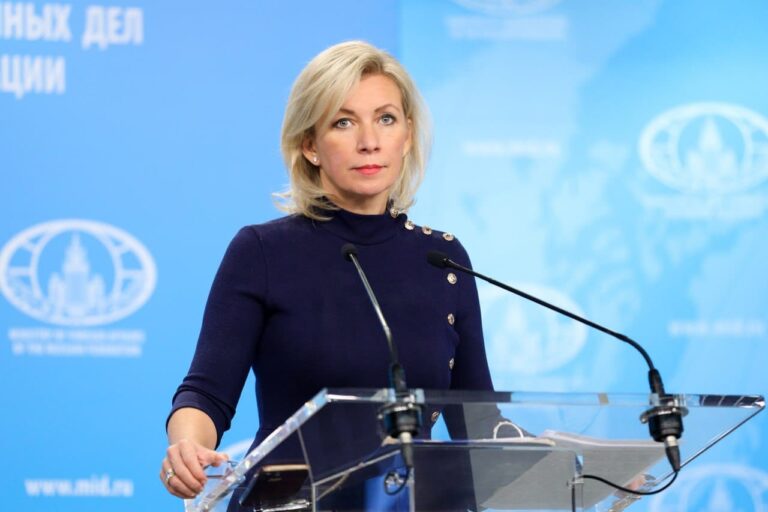
Pakistan observed Kashmir Exploitation Day on August 5, with political leaders reaffirming their support for the people of Indian-administered Kashmir and describing India’s actions of August 5, 2019, as illegal and contrary to international law and United Nations resolutions.

Deputy Prime Minister and Foreign Minister Ishaq Dar said Pakistan remains committed to supporting the Kashmiri people’s right to self-determination. In his message, he stated that India’s unilateral constitutional changes made on August 5, 2019, were unlawful and pledged Pakistan’s continued moral, political and diplomatic support for Kashmiris. He also urged India to reverse all measures that altered the disputed region’s constitutional status.

The Foreign Office said Pakistan continues to observe Kashmir Exploitation Day to highlight the events of August 5, 2019. A spokesperson praised the courage, resilience and sacrifices of the people of Indian-administered Kashmir and reiterated Islamabad’s support for their cause.

Punjab Chief Minister Maryam Nawaz paid tribute to the families of those who lost their lives during the Kashmir conflict and urged the United Nations and international human rights organisations to take notice of alleged human rights violations in the region. She said Pakistan would never accept the constitutional changes introduced by India in 2019.

Sindh Chief Minister Syed Murad Ali Shah said India’s actions were against United Nations Security Council resolutions and called on the international community to play a greater role in protecting human rights in Kashmir.

Senate Chairman Syed Yousaf Raza Gilani condemned India’s August 5 measures, saying attempts to alter the region’s demographic composition and identity were unacceptable.

In Peshawar, a solidarity rally led by Khyber Pakhtunkhwa Governor Faisal Karim Kundi was held from the Civil Secretariat to the Governor House. Government employees and people from different walks of life participated in the event. Addressing the rally, Kundi said Pakistan would continue to stand with the people of Kashmir and support their aspirations.

Sindh Home and Law Minister Zia-ul-Hassan Lanjar said the use of force and restrictions could not weaken the determination of the Kashmiri people. Sindh Assembly Speaker Owais Qadir Shah also urged the United Nations to play a more effective role in addressing the situation.

Jamaat-e-Islami chief Hafiz Naeem ur Rehman said the struggle of the Kashmiri people would continue until the dispute is resolved in accordance with United Nations resolutions. Senator Sherry Rehman praised the resilience and determination of Kashmiris, while Federal Minister Amir Muqam, speaking at a rally in Islamabad, reiterated Pakistan’s support for Kashmir and criticised India’s policies in the disputed territory.

PPP Parliamentarians Secretary General Nayyar Bukhari also condemned India’s 2019 constitutional changes, saying they had failed to suppress the Kashmiri people’s demand for self-determination and warning that such policies could undermine regional peace.


Similar Posts

  • | |

    PTI welcomes SC order for Imran Khan’s hospital …

    Pakistan Tehreek-e-Insaf (PTI) has welcomed the Supreme Court’s order directing the transfer of party founder Imran Khan to Shifa International Hospital for medical treatment. The party described the decision as an important step toward protecting Imran’s health and ensuring his constitutional and legal rights. PTI also welcomed the court’s direction allowing him to meet his family once a week. According to the court’s order, Imran will be shifted to the hospital for treatment for the next few days. A medical board will examine him and assess his condition. The board will include specialists in eye care, general medicine and cardiology. PTI said the involvement of Imran’s personal physician, Dr Faisal Sultan, and his sister, Dr Uzma Khan, would help ensure a comprehensive review of his medical history and current condition. The party said concerns over Imran’s health had increased in recent weeks. It maintained that he should receive treatment under the supervision of specialist doctors and have access to his personal physicians. PTI also appealed to its workers and supporters not to gather outside Shifa International Hospital after Imran’s transfer. The party urged them to maintain a peaceful environment and cooperate with authorities so the court’s directions could be implemented without disruption. Khyber-Pakhtunkhwa Chief Minister Sohail Afridi also welcomed the Supreme Court decision. He said the order for Imran’s hospital transfer and weekly family meetings should be implemented without delay. Afridi said PTI had repeatedly demanded medical treatment and examinations under the supervision of Imran’s personal doctors. He argued that the decision should have been taken earlier but said the party would respect the court’s directions. Former National Assembly speaker Asad Qaiser described the ruling as an important development for Imran’s fundamental, constitutional and legal rights. He called for the decision to be implemented fully and without delay. PTI Secretary General Salman Akram Raja said obtaining reliable information about Imran’s health and ensuring his recovery remained the party’s primary concern. He also reminded supporters of the commitment given to the Supreme Court that workers would not gather outside the hospital. PTI Chairman Barrister Gohar Ali Khan similarly urged the government to implement the order. Speaking outside Parliament, he said Imran had spent a prolonged period in detention and should now receive the medical care ordered by the court. Former federal minister Asad Umar also welcomed the ruling while questioning why similar action had not been taken earlier. He referred to previous concerns over Imran’s eyesight and said the decision was better late than never. Imran’s international affairs adviser, Zulfikar Bukhari, also welcomed the development, saying that when courts perform their constitutional role, the country benefits. He expressed hope that there would be no unnecessary obstacles to implementation. Tehreek Tahaffuz-e-Ayin-e-Pakistan chief and opposition leader Mahmood Khan Achakzai also backed the ruling. He said prisoners, regardless of the charges against them, retain basic rights to medical treatment, family contact and legal representation. The Supreme Court’s decision followed reports concerning Imran’s health and recommendations for increased contact with his immediate family. A medical board and the Adiala Jail superintendent had earlier submitted reports to the court regarding his condition and access to family members and doctors. A three-member Supreme Court bench headed by Justice Shahid Waheed heard matters relating to Imran’s access to his sisters, personal physicians and medical records. The court directed that Dr Faisal Sultan be allowed to examine Imran and ordered the formation of the new medical board. Dr Uzma Khan will also be associated with the board. The court further directed Imran’s family to bear the cost of his treatment at the hospital. It also ordered that his family and lawyers refrain from sharing his medical reports with the media. Justice Naeem Akhtar Afghan directed that Imran’s medical report be kept confidential.

  • | |

    From Glasgow to the heart of UK power

    How Anas Sarwar challenged a Prime Minister, reshaped Labour politics and rose to become a UK minister Anas Sarwar’s journey from a young Scottish politician carrying the weight of a famous political surname to one of the most senior ministers in the British government has reached a defining moment. His appointment as Minister of State for Business, Innovation, Science and Trade, alongside his elevation to the House of Lords, marks one of the most significant political achievements by a British politician of Pakistani heritage in recent decades. The appointment also underlines the confidence Prime Minister Andy Burnham has placed in Sarwar, entrusting him with a department central to the government’s ambitions for economic growth, scientific research, innovation and international trade. A FAMILY THAT MADE HISTORY Politics has long been part of the Sarwar family story. Anas Sarwar is the son of Mohammad Sarwar, who made British political history in 1997 by becoming the first Muslim and the first MP of Pakistani origin elected to the House of Commons. Mohammad Sarwar later went on to serve as Governor of Punjab, Pakistan’s largest province, giving the family a unique political legacy spanning both Britain and Pakistan. Although his father’s achievements opened doors for greater representation of British Pakistanis in politics, Anas Sarwar has spent much of his career building his own political identity through perseverance, resilience and leadership. A POLITICAL CAREER BUILT ON RESILIENCE A qualified dentist by profession, Sarwar entered Parliament after winning Glasgow Central in 2010. His political career has been shaped by both success and setbacks. Following Labour’s electoral collapse in Scotland in 2015, Sarwar emerged as one of the party’s most recognisable figures during one of its darkest periods. He served as Deputy Leader of Scottish Labour before unsuccessfully contesting the party leadership. Rather than retreating from frontline politics, he rebuilt his standing within the party and was elected Leader of Scottish Labour in 2021. Tasked with reviving a party that had suffered years of decline, Sarwar focused on rebuilding Labour’s organisation, reconnecting with voters and restoring its credibility as Scotland’s principal opposition party. THE MAN WHO FIRST CHALLENGED STARMER Sarwar’s reputation as an independent political figure was cemented during Labour’s leadership crisis when he became the first senior Labour politician to publicly call for Keir Starmer to resign. At a time when many senior figures remained publicly loyal, Sarwar openly argued that Labour required a change in leadership. Political observers viewed his intervention as a turning point that encouraged wider debate within the party over Starmer’s future. In the weeks that followed, pressure on the Prime Minister intensified, ultimately culminating in Starmer’s resignation and the election of Andy Burnham as Labour leader and Prime Minister. Today, the politician who first publicly challenged Starmer has become one of the key members of Burnham’s ministerial team—an illustration of how dramatically Labour’s political landscape has changed. A KEY ROLE IN GOVERNMENT Sarwar’s appointment as Minister of State for Business, Innovation, Science and Trade places him at the centre of one of the government’s most important departments. His responsibilities will include supporting business investment, promoting innovation, advancing scientific research, strengthening Britain’s industrial strategy and expanding international trade—areas regarded as crucial to the UK’s long-term economic future. His elevation to the House of Lords enables him to take up ministerial office while bringing his tenure as Leader of Scottish Labour to an end, triggering a contest to choose his successor. POLITICAL SIGNIFICANCE Political commentators believe the appointment carries significance far beyond a routine cabinet reshuffle. For Prime Minister Andy Burnham, it brings an experienced political strategist into a department central to delivering economic growth. For Scottish Labour, it marks the departure of the leader who steadied the party during a challenging period and leaves a significant leadership vacancy. For Britain’s Pakistani community, Sarwar’s promotion represents another landmark in the growing influence of British Pakistanis at the highest levels of national politics. COLLEAGUES SEE A RESILIENT LEADER Labour colleagues have publicly described Sarwar as a disciplined and pragmatic politician who remained committed to rebuilding Scottish Labour despite difficult electoral circumstances. Political observers argue that his appointment reflects years of persistence, resilience and organisational leadership rather than a sudden political promotion. Critics, meanwhile, have questioned his move from frontline Scottish politics to the unelected House of Lords, arguing that Scottish Labour loses one of its most experienced leaders at a crucial political moment. A NEW CHAPTER Anas Sarwar now moves from leading Labour in Scotland to helping shape Britain’s economic future from the heart of government. His appointment completes a political journey that began in Glasgow, was forged through years of electoral battles and internal party struggles, and has culminated in one of the most influential ministerial positions in Westminster. From following in the footsteps of his father, Mohammad Sarwar, to becoming the first senior Labour figure to challenge Keir Starmer’s leadership and now joining Andy Burnham’s Cabinet, Anas Sarwar’s rise reflects one of the most remarkable political stories in contemporary British politics.

  • | |

    Pakistan, FAO strengthen partnership to boost food…

    Pakistan and the Food and Agriculture Organization (FAO) have reaffirmed their commitment to expanding cooperation in food security, climate resilience, sustainable agriculture, and livestock development. The renewed partnership aims to address the growing challenges posed by climate change while supporting Pakistan’s long-term agricultural and economic development. The commitment was made during a meeting held in Islamabad between Federal Minister for National Food Security and Research Rana Tanveer Hussain and a delegation from the FAO led by Deputy Regional Representative for Asia and the Pacific, Robert Simpson. The discussions focused on strengthening existing partnerships and accelerating the implementation of projects designed to improve agricultural productivity and food systems across the country. During the meeting, Rana Tanveer Hussain emphasized that Pakistan remains one of the countries most vulnerable to the impacts of climate change, despite contributing only a minimal share to global greenhouse gas emissions. He stressed that unpredictable weather patterns, floods, droughts, and rising temperatures continue to threaten agricultural production, food availability, and the livelihoods of millions of farmers. The minister called for enhanced technical assistance from the FAO and urged the timely implementation of ongoing development initiatives. He highlighted the importance of adopting modern farming practices, improving water management, and strengthening institutional capacity to help Pakistan build a more resilient agricultural sector. Rana Tanveer Hussain also outlined the government’s key priorities for the agriculture sector. These include improving food safety standards, strengthening Sanitary and Phytosanitary (SPS) systems to boost agricultural exports, expanding livestock development programs, and increasing livestock exports to international markets. He further stressed the need to reduce Pakistan’s dependence on imported wheat and edible oil by increasing domestic agricultural production and promoting sustainable farming practices. The FAO delegation reaffirmed its continued support for Pakistan’s agricultural development agenda. Robert Simpson assured the minister that the organization would continue working closely with the government to mobilize financial resources from international financial institutions and development partners. The funding is expected to support climate adaptation projects, food security initiatives, and sustainable agricultural development across the country. The meeting reflects the shared commitment of Pakistan and the FAO to building a resilient and sustainable food system capable of addressing future challenges. By strengthening cooperation and investing in climate-smart agriculture, both sides aim to improve food security, enhance rural livelihoods, and promote sustainable economic growth for the benefit of future generations.

  • | |

    PTI may return to Senate committees after meeting …

    Senate Opposition Leader Allama Raja Nasir Abbas has said that Pakistan Tehreek-e-Insaf (PTI) could return to parliamentary standing committees if a meeting is arranged with the party’s founder, Imran Khan. Speaking to journalists in Islamabad, Raja Nasir Abbas said that if the government wanted Parliament to continue functioning, it should facilitate a meeting between PTI leaders and Imran Khan. He alleged that deliberate ambiguity was being created about Imran Khan’s health, saying the situation was also aimed at creating divisions within the party. Raja Nasir Abbas recalled that before the passage of the 26th Constitutional Amendment, a meeting with Imran Khan had taken place on the orders of the court. He said his party wanted a government that genuinely represented the people. Commenting on Interior Minister Mohsin Naqvi’s remarks about a possible collapse of the system, he said he agreed with the assessment. He added that the problem identified by Naqvi was real, but the proposed “medicine” to address it was illegal. The Senate opposition leader also claimed that he knew why negotiations between the government and PTI had failed. He said a complete plan for negotiations had been taken to Imran Khan at Adiala Jail, adding that the opposition had held a meeting at Khyber Pakhtunkhwa House before approaching the PTI founder. “We took several proposals to the founder,” he said, explaining that they did not want to visit the Prime Minister’s House and provide legal legitimacy to the government’s position. He said the same principle was behind their decision not to hold negotiations in the Speaker’s Office, as they did not recognise the arrangements as legally legitimate. Raja Nasir Abbas stressed that he distinguished between Imran Khan and the PTI as a political party, adding that he would stand by the former prime minister “until the last moment.” He reiterated that PTI could return to the standing committees if a meeting with Imran Khan was arranged. “If the government is serious about negotiations, it should come forward and talk,” he said, adding that the opposition was ready to hold talks in the Constitution Room of Parliament House.

  • |

    Government reviews splitting LESCO, MEPCO before privatisation

    The Ministry of Privatisation has established a high-level Technical Committee to examine the feasibility of dividing the Lahore Electric Supply Company (LESCO) and Multan Electric Power Company (MEPCO) into two or three smaller power distribution companies before their proposed privatisation, according to informed sources. The move is part of the government’s broader strategy to reform Pakistan’s power distribution sector and make state-owned electricity companies more attractive for private investment. LESCO and MEPCO currently serve the largest geographical areas and consumer bases among the country’s distribution companies (DISCOs), prompting officials to assess whether restructuring them into smaller entities could improve operational efficiency and facilitate the privatisation process. Technical Committee Constituted The committee is headed by Sajid Akram, Adviser (Power) at the Privatisation Commission. Other members include Ghulam Rasool, Joint Secretary at the Privatisation Commission; Imran Hafeez, Additional Director Tariff at the National Electric Power Regulatory Authority (NEPRA); and Abid Lodhi, Managing Director of the Power Planning and Monitoring Company (PPMC). The committee has been tasked with conducting a comprehensive review of the proposal and submitting recommendations to the government after evaluating its technical, operational and strategic implications. Weak Performance Raises Concerns Officials familiar with the matter said that both LESCO and MEPCO have consistently faced operational challenges, particularly in controlling electricity theft, reducing transmission and distribution losses, and improving bill recovery. These issues have affected their financial performance and have remained a major concern for policymakers pursuing reforms in the power sector. Recent audit reports for the fiscal year 2024-25 also highlighted unsatisfactory performance by both companies, reinforcing the need for structural reforms before moving ahead with the privatisation programme. MEPCO: Pakistan’s Largest Distribution Company MEPCO was incorporated in 1998 as a public sector company and operates under a permanent electricity distribution licence issued by NEPRA. The company is wholly owned by the Government of Pakistan through the Ministry of Energy. Serving nearly 8.76 million consumers across 13 districts of southern Punjab, MEPCO is the country’s largest electricity distribution company in terms of customer base. Its extensive network includes more than 82,000 kilometres of distribution lines and over 780 grid stations, supplying electricity across a vast region bordering three provinces. The company has initiated several modernisation projects, including the deployment of Advanced Metering Infrastructure (AMI), commonly known as smart metering, and digital billing systems aimed at improving transparency, reducing losses and enhancing customer services. LESCO Serving Over Seven Million Consumers LESCO also began operations in 1998 and supplies electricity to approximately 7.05 million consumers across Lahore, Kasur, Sheikhupura, Nankana Sahib and Okara. Its consumer base includes domestic, commercial, industrial, agricultural and bulk supply customers. The company’s operational network is divided into eight circles supervised by Superintending Engineers and 41 divisions managed by Executive Engineers to oversee field operations. In recent years, LESCO has accelerated efforts to modernise its infrastructure through the installation of smart meters, with plans to convert its entire consumer base to the Advanced Metering Infrastructure by 2029. However, the company continues to face significant operational hurdles, including shortages of transformers and electricity meters, resulting in delays in providing new connections and replacing faulty equipment. These issues have drawn criticism from regulators and consumers alike. Committee’s Terms of Reference According to the approved Terms of Reference (ToRs), the Technical Committee will: Assess the feasibility of splitting LESCO and MEPCO into two or three smaller distribution companies. Examine the potential advantages and disadvantages of such restructuring in line with the National Electricity Plan, the government’s Power Policy and the ongoing privatisation programme. Review whether similar committees were constituted in the past and analyse their findings, recommendations and implementation status. The committee’s recommendations are expected to play an important role in determining whether the government proceeds with restructuring the two major DISCOs before offering them for privatisation.

  • | | |

    Iran defied plan to become ‘Venezuela’, says P…

    TEHRAN: Iranian President Masoud Pezeshkian has said his country is facing a difficult economic and military situation but has remained resilient, arguing that national unity prevented what he described as an attempt by Iran’s enemies to push the country towards a Venezuela-like crisis. Speaking at a ceremony, Pezeshkian said Iran was operating under what he called illegal wartime conditions while continuing efforts to provide services and support to its people. The president portrayed the country as facing simultaneous economic and security challenges, but said the Iranian public had remained united despite the pressure. According to Pezeshkian, Iran’s opponents wanted to see the country weakened and destabilised. He argued that the unity of the Iranian people had instead helped Iran emerge as a stronger force. “Today, we are in a state of economic and military war,” Pezeshkian said, while stressing that the government was continuing to work for citizens despite the difficult circumstances. His comments came as Tehran has faced intense pressure over its economic situation and wider confrontation with the United States and its allies. Pezeshkian said Iran’s adversaries had intended to turn the country into “Venezuela”, apparently referring to the severe economic and political difficulties that have affected Venezuela over the past decade. He claimed that the plan had failed because Iranians had maintained a united position in the face of the challenges. The president also referred to a memorandum of understanding reached amid the difficult circumstances. He said the agreement had been shaped by the country’s determination to protect its interests while seeking a way forward through diplomacy. According to Pezeshkian, experts had described the memorandum as being based on “prudence, dignity and wisdom”. He argued that those criticising the agreement did not fully understand the circumstances surrounding it. The remarks suggest that Iran’s leadership is attempting to present the agreement as a strategic decision rather than a concession under pressure. Pezeshkian’s comments also come against the backdrop of signals that Tehran may be seeking a way to end its confrontation with Washington from a position it considers strong. Iranian officials have repeatedly stressed that any diplomatic arrangement must protect the country’s national interests and sovereignty. For Pezeshkian, domestic unity remains central to navigating the crisis. He argued that despite economic hardship and military pressure, the country had avoided the collapse that its opponents allegedly expected. The president’s message was therefore aimed not only at Iran’s external rivals but also at domestic critics of the memorandum. As pressure on Iran continues, Tehran faces the difficult task of managing economic challenges while maintaining political cohesion and determining whether diplomacy can reduce tensions. Pezeshkian’s latest remarks underline his argument that Iran’s resilience, rather than isolation, will shape the next phase of the country’s confrontation with its adversaries.

Leave a Reply

Your email address will not be published. Required fields are marked *