pakistan takes helm
| |

Pakistan takes helm of UN disarmament conference, …

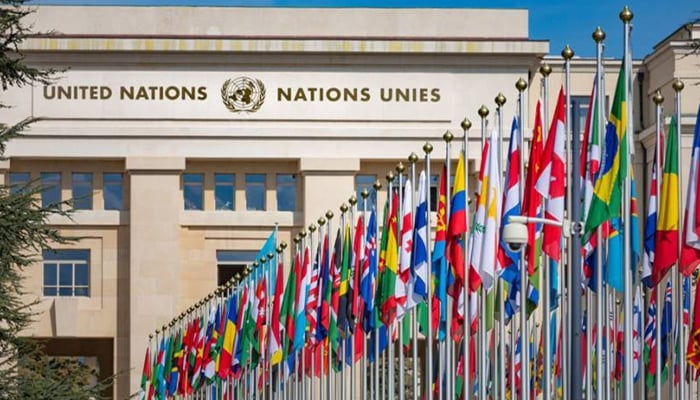
GENEVA: Pakistan is set to assume the presidency of the United Nations Conference on Disarmament on Monday, taking on a key diplomatic role in international efforts to advance arms control and global security.

Tahir Andrabi, Pakistan’s representative, has arrived in Geneva to take charge of the presidency and will chair important sessions of the Conference during his tenure. He will continue performing his responsibilities as spokesperson for Pakistan’s Ministry of Foreign Affairs alongside his new assignment.

As president, Andrabi will be responsible for steering the Conference’s proceedings in an organised, balanced and consensus-driven manner. Pakistan is expected to focus on facilitating dialogue among member states and helping move discussions forward on key disarmament issues.

During his tenure, Andrabi will also oversee the preparation of the Conference’s annual report, which will be presented to member states for consideration and approval.

Diplomatic sources said Pakistan will subsequently engage in negotiations aimed at securing agreement on a resolution based on the annual report. The resolution is expected to be taken up by the UN General Assembly for approval in November.

Pakistan’s presidency provides Islamabad with an opportunity to play a prominent role in international discussions on disarmament while promoting dialogue, consensus and multilateral cooperation on global security challenges.

Similar Posts

  • |

    England on track to eliminate hepatitis C by 2030

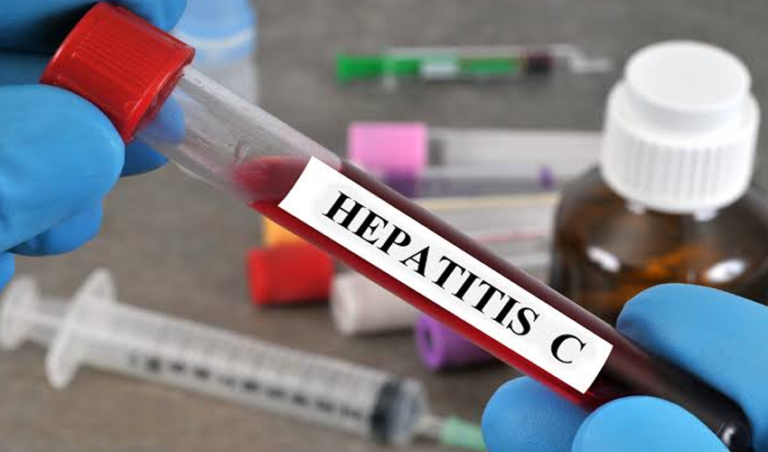
    More than 100,000 people in England have received potentially life-saving treatment for hepatitis C in the past decade, as the NHS steps up efforts to eliminate the virus as a public health threat by 2030. New NHS figures show that more than 100,000 people have been diagnosed and treated since pioneering antiviral medicines were introduced in 2015, putting England among a handful of countries that have already exceeded the World Health Organisation benchmark of treating 80% of known hepatitis C cases. (NHS England) Hepatitis C is a viral infection that can damage the liver and, if left untreated, can lead to serious and potentially life-threatening conditions including cirrhosis, liver failure and liver cancer. The infection can remain undetected for years because many people experience no noticeable symptoms until significant liver damage has already occurred. However, modern treatment has transformed the disease. A free course of antiviral tablets lasting between eight and 12 weeks can cure more than 95% of cases. The NHS says effective treatment could reduce the number of people requiring liver transplants by 80% over the next decade, while also reducing cases of liver cancer and cirrhosis. Deaths from hepatitis C have already fallen by 36% over the past ten years. (NHS England) NHS urges people at risk to get tested The latest figures have prompted the NHS to urge people who may be at greater risk of having undiagnosed hepatitis C to order a free and confidential home-testing kit. Those particularly encouraged to test include people who have moved to England from certain Eastern European countries, anyone who has had a tattoo abroad, and people who currently use or have previously used injectable drugs. Adults born in Ukraine, Romania, Estonia, Latvia, Poland, Albania, Lithuania, Bulgaria, Czechia and Slovakia are also being urged to test. The NHS says some people from these countries may have been exposed to the virus through medical or dental procedures before 1991, when modern sterilisation standards were introduced. The free home-testing service is designed to reach people who may not otherwise come into contact with drug and alcohol services, sexual health services, GPs or A&E departments. Thousands of hidden cases identified The NHS has significantly expanded hepatitis C testing over the past five years. A first-of-its-kind programme offering hepatitis C testing to patients having blood tests in participating A&E departments has identified around 1,900 previously undiagnosed cases since 2022. GP practices are also asking new patients whether they received a blood transfusion before 1996, helping identify people who may have been infected through the contaminated blood scandal. The treatment programme was made possible on a large scale following a landmark 2019 agreement between the NHS and pharmaceutical companies Gilead Sciences, MSD and AbbVie, which enabled access to modern curative treatments. (NHS England) ‘Determined to finish the job’ Professor Frankie Swords, NHS national medical director, said hepatitis C could cause serious harm including liver failure and cancer, while many people could remain unaware they have the virus. He said treating more than 100,000 people in a decade was a major achievement but stressed that the NHS would continue looking for people with undiagnosed infections. “England is now leading the world in the mission to eliminate this disease and on course to beat the WHO’s 2030 target,” Professor Swords said. He added that the NHS was “determined to keep up the momentum and finish the job”. “With hepatitis C curable in more than nine out of ten cases, we are committed to finding and treating everyone who needs support,” he said. (NHS England). Patient urges others to take the test Among those treated is 65-year-old Paul Eatwell from Blackburn, Lancashire, who discovered he had hepatitis C after routine liver-function tests following a change of GP. His new doctor ordered additional tests, including screening for hepatitis C. Paul said he initially could not believe the result because he had no symptoms and could not understand how he might have contracted the virus. The precise source of his infection was never established, although possible risk factors included surgery in South Africa several decades ago. He said the specialist team helped answer his questions and reassured him about the condition. Paul said treatment was far less difficult than he had imagined, involving one tablet a day for 12 weeks and several blood tests. He urged anyone who believes they may have been exposed to hepatitis C to get tested, saying that knowing their status could provide peace of mind. ‘Leading the world’ Health and Social Care Secretary Yvette Cooper said the progress demonstrated the impact of NHS treatment and prevention programmes. She said hepatitis C was now curable in the vast majority of cases and described the UK’s progress as part of efforts to “wipe out this disease for good”. “This is exactly the kind of preventative, forward-looking healthcare that we want the NHS to deliver across the board – catching illness earlier, easing pressure on hospitals, and giving people the chance to live longer, healthier lives,” Cooper said. (NHS England. Dr Sema Mandal, deputy director of Blood Safety, Hepatitis, STIs and HIV at the UK Health Security Agency, said the sharp fall in cases since 2015 demonstrated the impact of expanded testing and access to modern treatments. She said treating more than 100,000 people in ten years had brought England closer than ever to eliminating hepatitis C as a public health threat. The Hepatitis C Trust also called for continued long-term investment to maintain the progress made by the national programme, particularly among marginalised communities that can face barriers to healthcare. Rachel Halford, chief executive of The Hepatitis C Trust, said continued funding would be essential to ensure people at greatest risk were not left behind. Hepatitis B remains a challenge While England’s progress against hepatitis C is described as world-leading, health authorities stress that elimination of viral hepatitis as a whole also includes hepatitis B. Further work is therefore required to improve diagnosis and access to treatment for people living with hepatitis B. A national

  • | | | |

    SBP holds interest rate at 11.5pc amid growth conc…

    The State Bank of Pakistan (SBP) has kept its policy rate unchanged at 11.5 per cent, maintaining the existing monetary policy stance amid concerns over economic growth. The decision was announced on Monday by SBP Governor Jameel Ahmed following a meeting of the Monetary Policy Committee (MPC). The central bank’s decision was largely expected by financial market analysts. Most experts had predicted that the SBP would maintain the current rate to support macroeconomic stability while monitoring economic conditions. Market surveys conducted by brokerage firms showed that more than 90 per cent of respondents expected the policy rate to remain unchanged. Only a small number of analysts had anticipated a possible increase. The decision comes as Pakistan continues to balance economic stability with the need to encourage business activity and investment. Higher interest rates can help control inflation and support financial stability, but they can also increase borrowing costs for businesses and consumers. The SBP had reduced its policy rate by 50 basis points to 10.5pc in December 2025. It later raised the rate by 100 basis points to 11.5pc in April 2026. Since then, the central bank has maintained the rate at 11.5pc. Business groups have continued to call for a significant reduction in borrowing costs. They argue that lower interest rates could help businesses expand operations, increase investment and support economic activity. However, the central bank has opted for a cautious approach. Policymakers appear focused on maintaining overall economic stability while assessing inflation, growth and other financial indicators.

  • | |

    US waives $20,000 visa bond for Pakistanis

    Pakistan has been excluded from the United States’ newly permanent visa bond programme, meaning Pakistani applicants will not be required to deposit a refundable financial guarantee of up to $20,000 when applying for certain US visitor visas. The United States has officially made its 2025 Visa Bond Pilot Program a permanent policy. Under the programme, nationals of selected countries applying for business or tourist visas must provide a refundable financial bond ranging from $10,000 to $20,000 as part of the visa application process. According to international reports, the revised policy increases the maximum refundable bond amount from $15,000 to $20,000 for eligible applicants from countries included in the programme. The list reportedly includes around 50 countries, including Bangladesh, Nepal, and several African nations. Pakistan is not included in the list of countries subject to the visa bond requirement. Afghanistan, India, and Iran are also excluded from the programme. As a result, Pakistani citizens applying for US visitor visas will continue to follow the standard visa application process without the additional refundable financial guarantee required under the permanent visa bond policy.

  • |

    Pakistan sets record with 5,438 companies registered in July

    Islamabad – A new business record has been set in Pakistan with thousands of new companies registered with the Securities and Exchange Commission of Pakistan (SECP) in a single month. Business activity in Pakistan’s corporate sector has witnessed a significant acceleration as the SECP set a new record for the registration of new companies during July. According to official figures, 5,438 new companies were registered across the country in July marking the highest number of registrations recorded in a single month. During the same period, five international companies also established their offices in Pakistan including companies from Malaysia, the United Arab Emirates and China. According to the report, 112 newly registered companies have foreign directors on their boards indicating growing foreign investment and international business interest in Pakistan. The newly registered companies include 3,148 private limited companies while Punjab remained at the top with 2,756 new companies registered. This was followed by Islamabad with 1,053, Sindh with 864, Khyber Pakhtunkhwa with 450, Gilgit-Baltistan with 180 and Balochistan with 135 newly registered companies. IT sector leads new registrations A sector-wise analysis shows that Information Technology (IT) remained the leading sector with 1,008 new companies registered. Other sectors also recorded significant registrations including 845 companies in trading, 638 in services, 348 in construction, 256 in food and beverages, 207 in tourism, 181 in e-commerce, 165 in education, 162 in real estate development and 145 in corporate agriculture. According to business experts, the increasing number of new company registrations reflects growing private-sector investment, business confidence and new economic activity in the country. The rapid growth in registrations in the IT sector is also being viewed as a positive sign for the expansion of Pakistan’s digital economy.

  • | | |

    Security forces kill five militants in Panjgur ope…

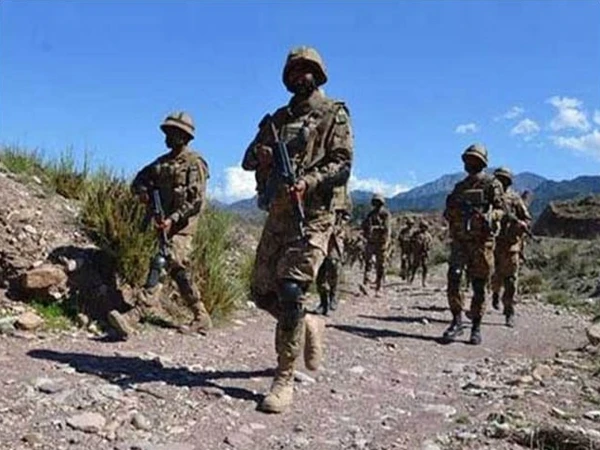
    Security forces have killed five militants during an intelligence-based operation in Panjgur district of Balochistan, according to the Inter-Services Public Relations (ISPR). The operation was conducted after security agencies received intelligence about the presence of militants in the area. Security personnel moved into the suspected location and carried out the operation. Five militants were killed during the operation, ISPR said. A significant quantity of weapons and ammunition was also recovered from the militants. The recovered weapons and ammunition were taken into custody. They were later destroyed by the security forces, according to ISPR. Following the operation, security personnel launched a clearance and search operation in the surrounding area. The search operation is aimed at checking the area for any remaining militants and possible hideouts. Security forces are also examining the area for additional evidence and material linked to militant activities. ISPR said the operation was part of ongoing efforts to eliminate terrorism from Balochistan. The military’s media wing said security forces remain determined to prevent militant groups from carrying out attacks. It further said efforts would continue against terrorism allegedly being carried out with foreign support and assistance. Security forces have intensified operations against militant networks in different parts of the province. Authorities have repeatedly stressed the need for intelligence-based operations to identify and target militant elements. The latest operation in Panjgur comes amid continued security efforts in Balochistan

  • |

    Shreya Kalra wins Lock Upp season 2 after dramatic finale

    Digital creator and actress Shreya Kalra has emerged as the winner of Lock Upp Season 2, defeating a strong lineup of finalists after an intense grand finale. Television actress Shivangi Joshi finished as the runner-up, while Yogesh Rawat, Shilpa Shinde and Ram Kapoor also reached the final stage of the competition. The finale, hosted by Farah Khan and Riteish Deshmukh, featured several challenging rounds designed to test the contestants’ strategy, resilience and decision-making skills. The finalists also faced the Janta Ki Jury segment, where a panel of 25 audience members questioned them about their gameplay, relationships inside the house and controversies that unfolded during the season. Kalra’s victory marked the end of a journey filled with emotional moments, heated confrontations and controversial incidents that kept viewers engaged throughout the season. From the beginning of the competition, she established herself as one of the strongest contestants, earning both praise and criticism for her outspoken personality. Originally from Indore, Madhya Pradesh, Shreya Kalra first gained popularity as a digital content creator before expanding her career into acting, podcasting and reality television. Her growing online fan base helped her become one of the most recognizable contestants when she entered Lock Upp Season 2. One of the earliest moments that drew attention came during the premiere episode when Kalra confronted fellow contestant Ram Kapoor over remarks he had made in the past. The exchange quickly became one of the season’s most discussed moments and set the tone for her fearless approach inside the competition. As the weeks progressed, Kalra found herself involved in several arguments with contestants including Yogesh Rawat, Akanksha Choudhary, Dheeraj Dhoopar and Sufi Motiwala. While these clashes often divided viewers, they also kept her at the center of the show’s biggest storylines. Among the season’s most controversial incidents was a conversation in which Kalra disclosed fellow contestant Akanksha Chamola’s sexual orientation. Kalra later claimed she revealed the information after Akanksha had filed a chargesheet against her inside the game. The incident sparked widespread debate among viewers, with many questioning issues related to privacy, consent and personal boundaries. Kalra also faced backlash for making personal remarks about actor Harshad Chopda during the season. Despite the criticism, she continued to survive eliminations and remained one of the most talked-about contestants until the finale. Throughout the competition, Shreya balanced emotional moments with strategic gameplay, building alliances while also standing firm during conflicts. Her determination, confidence and willingness to express her opinions helped her maintain a strong presence inside the house. After weeks of challenges, rivalries and public scrutiny, Kalra was ultimately crowned the winner of Lock Upp Season 2. Her victory concluded a season packed with drama, controversy and high-stakes competition, while runner-up Shivangi Joshi and the other finalists also earned praise for their performances throughout the reality show.

Leave a Reply

Your email address will not be published. Required fields are marked *