pakistan turns leaders
| |

Pakistan turns 79, leaders call for unity, reform …

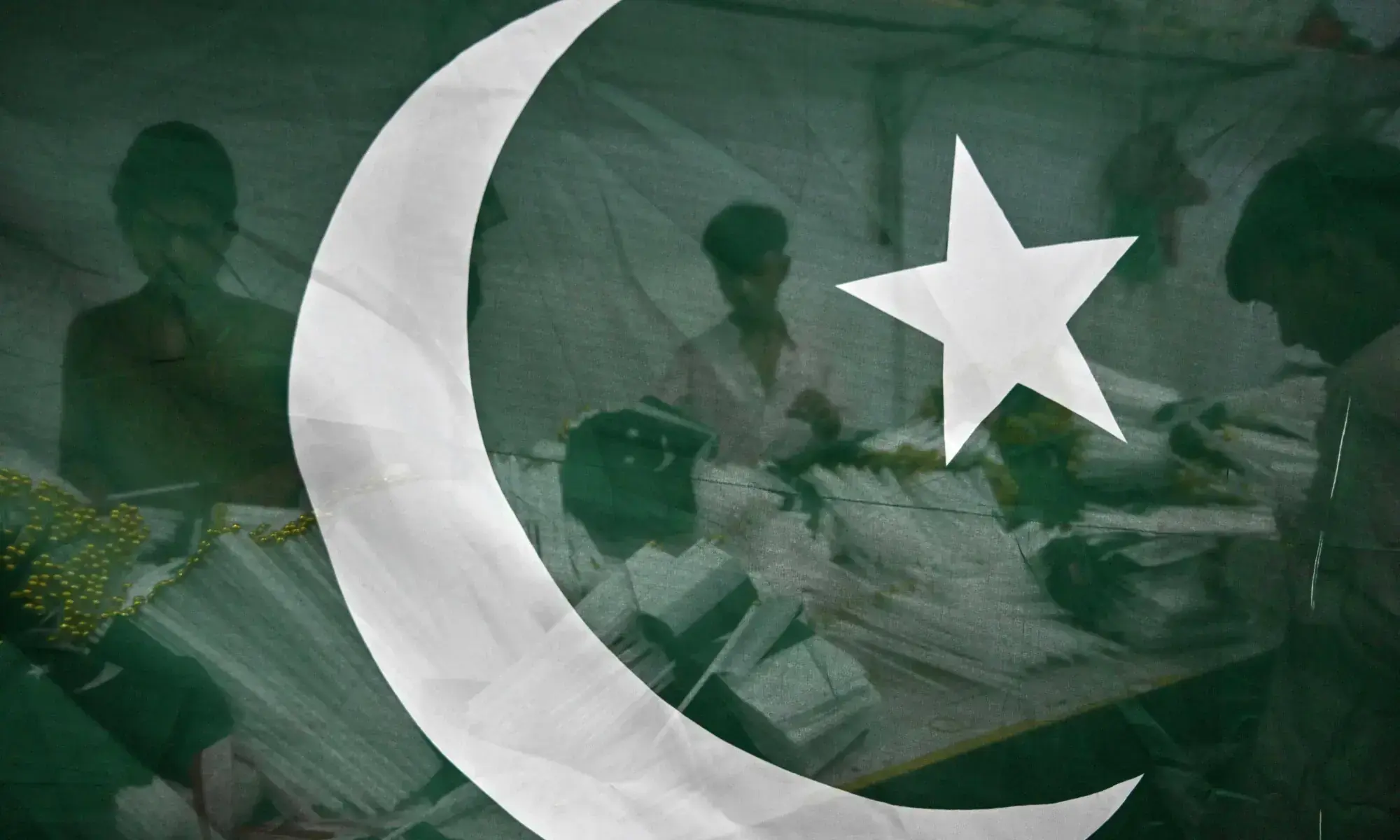
ISLAMABAD: As Pakistan marked its 79th Independence Day on Friday, the country’s civilian and military leadership delivered a common message: the sacrifices that created Pakistan must now be matched by unity, institutional reform, economic progress and opportunities for its people.

Independence Day celebrations began across the country with traditional ceremonies. A 31-gun salute was held in Islamabad, while 21-gun salutes were fired at provincial headquarters. At the mausoleum of Quaid-i-Azam Muhammad Ali Jinnah in Karachi, a change-of-guards ceremony was also held to honour the founder of Pakistan.

The messages issued by President Asif Ali Zardari, Prime Minister Shehbaz Sharif and the armed forces focused not only on Pakistan’s past but also on the challenges shaping its future.

Zardari urges reforms and investment in youth

In his Independence Day message, President Zardari paid tribute to the leaders of the Pakistan Movement and millions who made sacrifices for an independent homeland.

He described independence as more than a historic achievement, saying each generation had a responsibility to strengthen the country and build on the work of those who came before.

Reflecting on the country’s security challenges, the president said the events surrounding last year’s Marka-i-Haq had demonstrated Pakistan’s desire for peace as well as its determination to defend its sovereignty and national interests.

He also paid tribute to members of the armed forces, police and law enforcement agencies who had lost their lives while protecting the country.

The president stressed that Pakistan’s security was closely connected with peace in the region. He said the country would continue using diplomatic channels to encourage dialogue, reduce tensions and support regional stability.

But the strongest part of his message centred on domestic development.

Zardari called for economic, social and governance reforms, better education, stronger skills development and greater opportunities for young people. He said Pakistan’s youth represented the country’s greatest strength and that investment in their education and abilities would ultimately determine the nation’s future.

For ordinary citizens, he noted, national progress should be visible in everyday life — through better education and healthcare, employment opportunities and greater economic security for families, farmers, workers and businesses.

PM Shehbaz highlights economic progress

Prime Minister Shehbaz Sharif also called for national unity while highlighting what he described as economic achievements made during the past two-and-a-half years.

He said Pakistan had navigated difficult circumstances and moved towards economic stability, while remittances from overseas Pakistanis had risen by $11.3 billion over two years.

The prime minister identified information technology, innovation, industrial and agricultural development, employment creation, education and skills training as key priorities for the government.

He also praised the armed forces for their role during Marka-i-Haq and reaffirmed Pakistan’s commitment to defending its national interests, including its water resources.

Shehbaz pointed to the Makkah Joint Defence Agreement involving Pakistan, Saudi Arabia and Turkiye as evidence of Pakistan’s growing strategic importance.

He also reiterated Islamabad’s support for the people of occupied Kashmir and Palestine, while calling for diplomatic solutions to regional disputes.

Military leadership calls for unity

Chief of Defence Forces and Chief of Army Staff Field Marshal Syed Asim Munir, Chief of Naval Staff Admiral Naveed Ashraf and Chief of Air Staff Air Chief Marshal Zaheer Ahmed Baber Sidhu also issued Independence Day messages.

According to ISPR, the armed forces paid tribute to Jinnah, the country’s martyrs, veterans, law enforcement personnel and citizens who had served Pakistan.

The military leadership reaffirmed its commitment to defending Pakistan’s sovereignty and territorial integrity, upholding the Constitution and protecting national interests.

The message also stressed that Pakistan’s real strength lay in the unity and collective determination of its people.

As the green and white flags filled streets, buildings and homes across the country, the leadership’s messages offered a reminder that Independence Day is not only about remembering 1947.

It is also about asking what Pakistan can become in the years ahead — a country where security is matched by stability, economic growth by opportunity, and national strength by better lives for its people.

The shared call from the leadership was clear: unity, discipline and meaningful reform must turn the promise of independence into progress for every Pakistani.
Similar Posts

  • | |

    Ghazi University, Chinese academy sign MoU for agr…

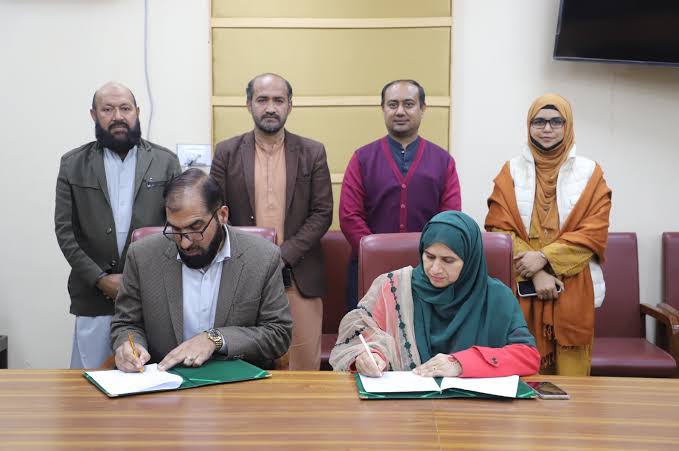
    By MIR HUNBAL BIRMANI DG Khan: Ghazi University has formally signed a Memorandum of Understanding (MoU) with the Chinese Academy of Agricultural Sciences (CAAS), China, establishing a strategic partnership aimed at advancing agricultural research and academic excellence.The agreement was officially signed by Dr. Muhammad Asif (Registrar, Ghazi University) and Dr. Zahoor Hussain on behalf of Ghazi University, alongside Prof. Dr. Xiaohui Zhang and Prof. Dr. Haiping Wang representing CAAS According to details , Department of Horticulture at Ghazi University, Dera Ghazi Khan, successfully organized a comprehensive one-day international workshop attended by scientists from china titled “Sustainable Vegetables Production Under Changing Climate” to address the growing challenges posed by global climate fluctuations on agricultural security. Registrar of Ghazi University, Dr. Muhammad Asif, who underscored the immense value of the event in enhancing the technical capacity and research aptitude of the university’s faculty members and senior students in attendance. The workshop’s core highlight featured keynote addresses delivered by a delegation of distinguished international agricultural scientists from the Chinese Academy of Agricultural Sciences (CAAS) in Beijing, China. The visiting panel included Prof. Dr. Xiaohui Zhang, Prof. Dr. Haiping Wang—Director, Chief Scientist of the Department of Vegetable Germplasm, and Curator of the National Vegetable Germplasm Resources Bank—and Dr. Jiangping Song, also a scientist and curator at the institution. During the technical sessions, these experts presented advanced, climate-resilient strategies tailored to modern horticultural demands, focusing on improved cultural practices, vegetable forcing techniques to optimize growth cycles, and controlled greenhouse production systems designed to maintain high yield quality despite extreme weather conditions. An interactive question-and-answer session was also part of the workshop, providing attendees with a valuable opportunity to engage directly with the keynote speakers and clarify complex concepts. The event concluded with a vote of thanks from Dr. Zahoor Hussain, Chairperson of the Department of Horticulture, who expressed deep gratitude to the honorable international guests, administration, and participants for contributing to the event’s success. Ultimately, the workshop served as a vital academic platform for knowledge transfer and scientific exchange, strengthening bilateral ties between Pakistani and Chinese agricultural researchers while setting a clear path forward for sustainable vegetable cultivation in the region. Ghazi University has formally signed a Memorandum of Understanding (MoU) with the Chinese Academy of Agricultural Sciences (CAAS), China, establishing a strategic partnership aimed at advancing agricultural research and academic excellence. The agreement was officially signed by Dr. Muhammad Asif (Registrar, Ghazi University) and Dr. Zahoor Hussain on behalf of Ghazi University, alongside Prof. Dr. Xiaohui Zhang and Prof. Dr. Haiping Wang representing CAAS. This bilateral agreement lays the groundwork for joint research initiatives, faculty and student exchange programs, and the provision of specialized scholarships. Additionally, the collaboration will focus on hosting joint workshops, technical training sessions, and capacity development programs designed to build expertise and strengthen global academic cooperation in agricultural sciences.

  • | |

    Faisalabad unveils smart transport app

    The Faisalabad administration has announced a major initiative to improve public transport through digital technology and environmentally friendly solutions. The project includes a smart mobile application for public transport and a planned electric vehicle (EV) battery-swapping network. Officials say the initiative is aimed at making daily travel easier, safer and more efficient for thousands of commuters across the division. Commissioner Faisalabad and President of the Faisalabad Urban Transport Society (FUTS), Imran Hamid Sheikh, said the new Faisalabad Public Transport App will bring government and private transport services together on one digital platform. The system will cover all four districts of Faisalabad Division and allow passengers to access transport information from a single application. The mobile app will provide real-time tracking of public transport vehicles. Passengers will be able to see the live location of government buses, metro buses, electric buses and registered urban Hiace vehicles. The feature will help commuters know exactly when a vehicle is arriving, reducing long waiting times and making travel more convenient. Another important feature of the application is its smart route-planning system. Users will simply enter their destination, and the app will suggest the best travel route. It will also tell passengers which buses to board, where they need to change routes and the estimated arrival time of connecting services. Officials believe this feature will especially benefit students, office workers and first-time travellers who are unfamiliar with city routes. Authorities said the application has been developed for public convenience and will be available free of cost. Commuters will not have to pay any fee to use the service. However, transport operators will have to complete registration and comply with the required regulations before joining the digital platform. The administration also plans to introduce digital registration for public transport vehicles. The registration system will be linked with the Punjab Information Technology Board (PITB), allowing authorities to maintain accurate transport records and improve monitoring of public transport services. Officials expect the registration process for transport operators to begin within the next 15 days to one month, followed by the official launch of the application. In addition to the digital transport platform, the administration is working on establishing an electric vehicle battery-swapping network. The proposed system will allow EV users to replace discharged batteries with fully charged ones in a short time instead of waiting for vehicles to recharge. Officials believe this will encourage the adoption of electric vehicles and support cleaner, more sustainable transportation in the city.

  • | | |

    Salman Ali Agha backs Babar Azam’s return to rev…

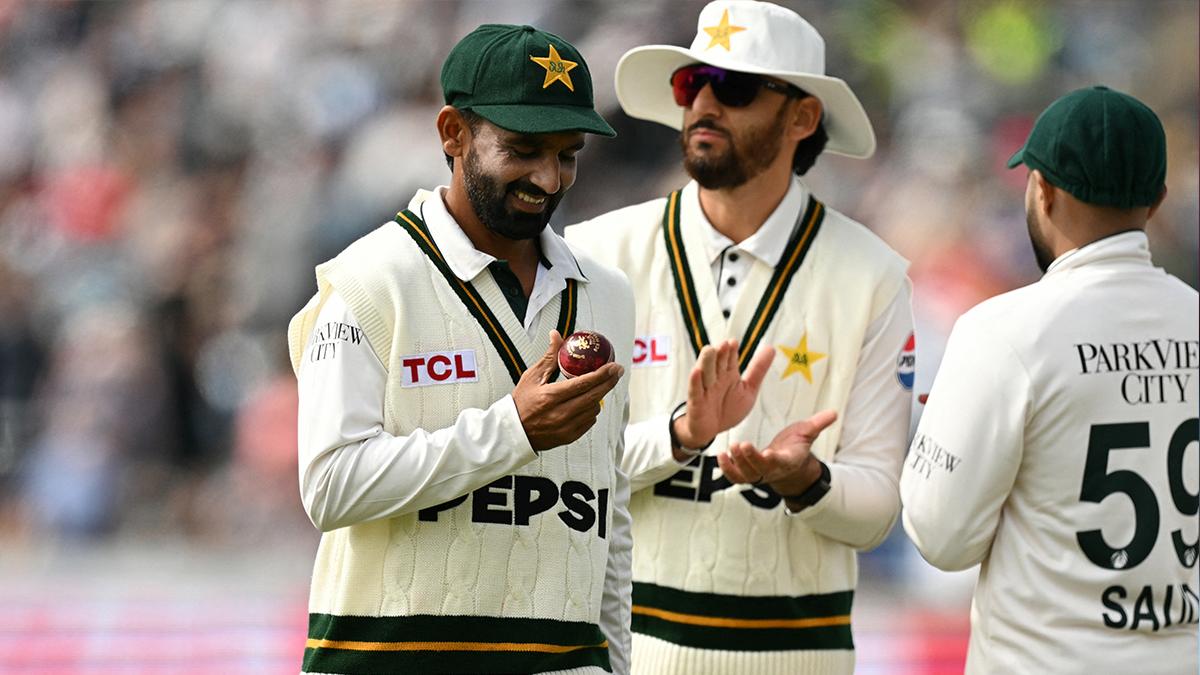
      Pakistan’s stand-in captain Salman Ali Agha has backed the return of Babar Azam, expressing confidence that the experienced batter can provide a much-needed boost to the team’s struggling batting lineup. His comments came after Pakistan suffered a heavy defeat against England in the opening Test at Headingley on Friday. England completely dominated the match and secured an innings-and-103-run victory, taking control of the Test series. Pakistan struggled throughout the game, particularly with the bat, as they were dismissed for just 171 runs in their first innings before being bowled out for 135 in the second. In contrast, England produced a strong batting performance, posting 409 runs in their first innings. Pakistan’s bowlers were unable to take full advantage of the helpful conditions, while England’s players maintained pressure throughout the match. Ollie Robinson was named Player of the Match after an impressive bowling display in which he claimed eight wickets. Speaking after the match, Salman Ali Agha acknowledged that England had been the superior team and admitted that Pakistan had made several costly mistakes. “England have outplayed us,” Salman said, emphasizing that the team’s inexperienced batting unit needed to become more consistent, especially when playing in challenging overseas conditions. The Pakistan captain also defended his fast bowlers despite their failure to capitalize on the moisture and overcast conditions at Headingley. He pointed out that the pace attack had performed well during Pakistan’s previous tour of the West Indies and believed the conditions in England should have suited them. According to Salman, Pakistan have bowlers capable of reaching speeds of around 140 kilometers per hour, but they were unable to produce their best performances in the first Test. He insisted that he continued to have faith in the bowling unit and said the team would work on correcting its mistakes before the next match. Despite the disappointing result, Salman praised the individual efforts of Ali Usman and Abdullah Shafique. He was particularly pleased with Usman’s bowling performance in difficult conditions and also highlighted Shafique’s determination with the bat. Looking ahead to the next Test, Salman believes the potential return of Babar Azam could significantly improve Pakistan’s batting. Babar’s experience and ability to perform under pressure could provide stability to a lineup that struggled against England’s bowling attack. “Hopefully Babar will come back in the next match and his presence will give a boost to our batting,” Salman said. Pakistan will now look to learn from their mistakes and make a strong comeback in the next Test. With Babar Azam potentially returning to the playing XI, the team will hope that his experience can help strengthen the batting order and give Pakistan a better chance of challenging England in the remainder of the series.

  • Health Secretary’s Gujrat visit triggers major health shake-up

    GUJRAT: A high-level visit by Punjab Secretary for Health and Population Nadia Saqib to Gujrat triggered a major administrative shake-up, resulting in the transfer of senior health officials and a newly appointed medical superintendent, while the office of a patients welfare association at Civil Hospital Jalalpur Jattan was sealed. The secretary visited Gujrat to review the Community Health Inspectors (CHI) programme and attended a training workshop for field staff. Addressing community health inspectors, she stressed the importance of improving primary healthcare services, community engagement and effective field monitoring. The workshop was attended by Deputy Director Khalid Sharif, Additional Secretary (Technical) Dr Zohaib Hassan, Project Director PFPP Captain Usman and Additional Director PIU Dr Farrukh Amin. During the visit, Nadia Saqib also inspected Civil Hospital Jalalpur Jattan to review administrative affairs and healthcare services. According to well-placed sources, the secretary expressed serious displeasure after learning that the recent appointment of Dr Shehzad Gul as Medical Superintendent (MS) of Civil Hospital Jalalpur Jattan had been made without the matter coming to her notice. Sources claimed she questioned the appointment during the inspection and sought an explanation from local health authorities. Soon after the visit, Chief Executive Officer (Health) Gujrat Dr Atta-ul-Munim was transferred and posted as Senior Medical Officer (SMO) in Bahawalnagar. Officials familiar with the matter said the transfer order was issued immediately following the inspection. In another significant development, Dr Shehzad Gul, who had only recently assumed charge as Medical Superintendent of Civil Hospital Jalalpur Jattan, was transferred and posted as Medical Officer in Attock. The inspection also resulted in action against the office of Anjuman-e-Behbood-e-Mareezan operating within Civil Hospital Jalalpur Jattan. According to sources, the office was sealed during or after the visit following concerns that it was functioning in a manner inconsistent with its intended welfare role. Sources alleged that the office had effectively been operating like a business despite the fact that medicines required for patients are supplied free of cost through the government hospital. They claimed the matter was brought to the secretary’s attention during the inspection, prompting immediate action. The Health Department has not officially stated the reasons behind sealing the office. Meanwhile, sources indicated that further administrative changes could be on the cards, with the transfer of the District Health Officer (DHO) Gujrat also being considered, although no notification had been issued until late Thursday. No official spokesperson for the Punjab Health Department issued a detailed statement linking the transfers or the sealing of the office to disciplinary proceedings. Efforts to obtain comments from the transferred officials were unsuccessful. The developments have generated considerable discussion within Gujrat’s health sector, where employees view the latest decisions as part of a wider push for administrative accountability and stricter oversight of public health institutions. The secretary’s visit is being seen as a clear message that governance, transparency and adherence to departmental procedures will remain central to the provincial government’s healthcare reform agenda.

  • | | |

    Saudi Crown Prince receives PM Shehbaz Sharif in M…

    Prime Minister Muhammad Shehbaz Sharif was received by Saudi Crown Prince and Prime Minister Prince Mohammed bin Salman bin Abdulaziz Al Saud at Al-Safa Palace in Makkah on Friday, where the two leaders commenced high-level bilateral talks aimed at further strengthening Pakistan-Saudi Arabia strategic ties. The Prime Minister is accompanied by Deputy Prime Minister and Foreign Minister Senator Mohammad Ishaq Dar, Field Marshal Syed Asim Munir, Chief of Army Staff and Chief of Defence Forces, and Defence Minister Khawaja Muhammad Asif. The meeting is expected to review the full spectrum of bilateral relations, with discussions focusing on defence and security cooperation, trade and investment, regional developments, and ways to deepen the longstanding strategic partnership between Pakistan and Saudi Arabia. The talks come amid heightened regional diplomatic activity and underscore the close coordination between Islamabad and Riyadh on key geopolitical and economic issues.

  • | |

    YDA Sindh pushes healthcare reform agenda

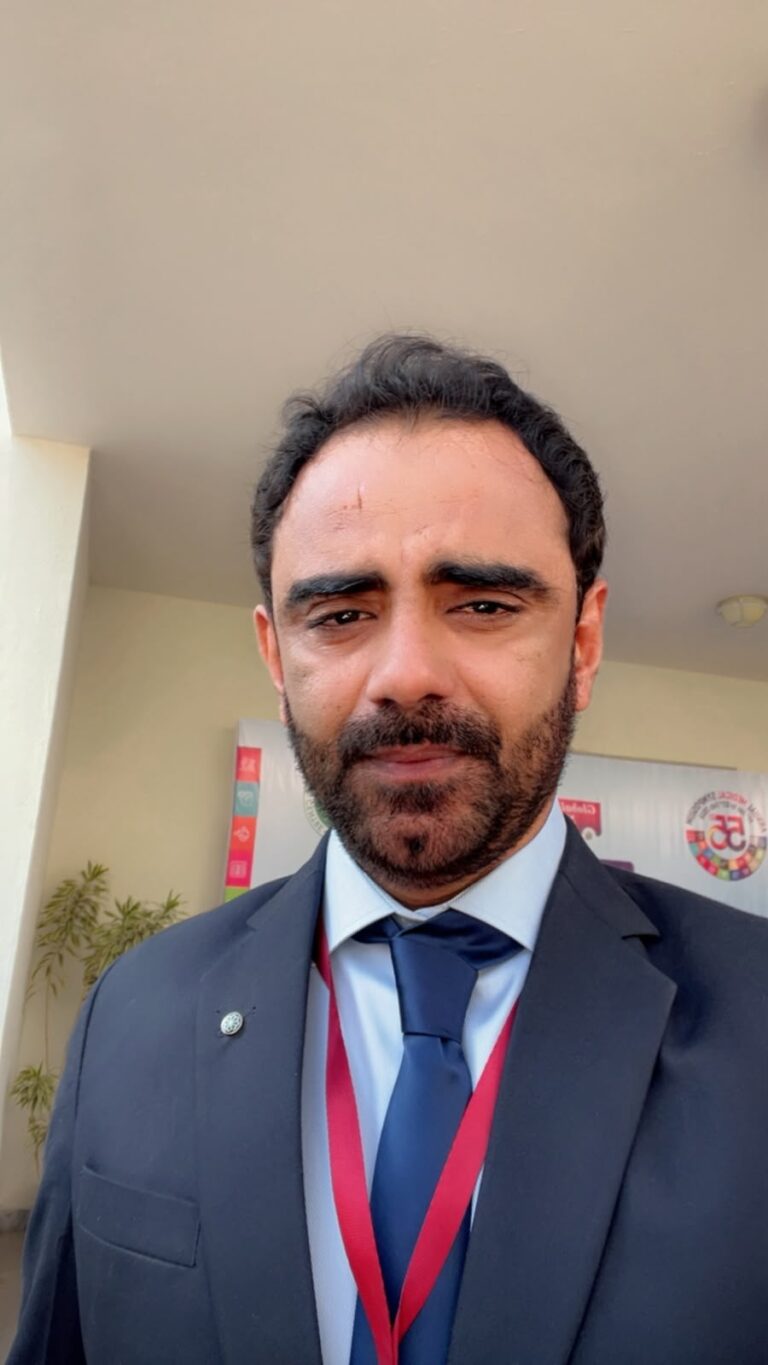
    KARACHI: The Young Doctors Association, YDA, is often seen by the public as violent, irresponsible doctors who take to the streets. But rarely does anyone see the other side of the coin. Behind the protests is a group of young doctors — the young blood of our healthcare system — fighting for their basic rights and for better patient care. Like whistleblowers in every society, they are rarely welcomed when they speak the truth. The Young Doctors Association is no exception. To the common man, YDA means protests, strikes, and chaos in hospitals. What often goes unnoticed is the reason behind it. These are young doctors, the backbone of emergency wards in Sindh, who are demanding dignity, security, and resources. In this context, Chairman of the Young Doctors Association Sindh Chapter, Dr. Farrukh Rauf paints a realistic picture of a system buckling under patient load, with too few specialists and even fewer resources to go around. From JPMC Member To Sindh Chairman YDA was formed in 2013 following an incident in which a female doctor was injured by relatives of a patient who had died. Since then, Dr. Farrukh Rauf has been associated with Young Doctors Association. He started as a member, was later elected General Secretary and then President of the JPMC unit, served as Senior Vice President of YDA Sindh, and is now serving as Chairman of the Sindh chapter. Dr. Farrukh Rauf, Chairman YDA Sindh, is a consultant orthopedic surgeon at Jinnah Postgraduate Medical Centre. He is currently the only surgeon at JPMC who performs orthopedic tumor and cancer surgeries — a super-specialty that only 4 to 5 surgeons practice across Karachi. Surgeons with his expertise in the private sector often draw salaries of over Rs. 20 lakh, but he continues to serve at a public institution out of commitment to suffering humanity. Dr. Rauf has been associated with JPMC for the last 17 years, where he also completed his post-graduation. He serves as General Secretary of the Pakistan Orthopedic Association and is an internationally certified trainer/instructor for HOPE – Hospital Preparedness for Emergencies — a certification he received from Nepal. There are only 4 to 5 such certified trainers in all of Sindh. “Condition Is Still Very Critical” Dr. Farrukh Rauf said that despite the Sindh government’s interest in the healthcare sector, the condition is still very critical, which is truly reflected in the overcrowded corridors of JPMC, Lyari and Civil Hospitals, where patients lie on floors and doctors work 36-hour shifts. On the issue of shortages at Civil, JPMC, and NICVD, Dr. Farrukh offers a mixed assessment. “There is no shortage of life-saving drugs,” he said. “Yes, ICU facility is very limited owing to patient burden. Seeing the overflow of patients, more equipment is needed.” He acknowledged the Sindh government’s efforts but stressed the scale of the problem. “Though the Minister of Health, Dr. Azra Pechuho, is addressing the concerns, however, there is a huge gap and lack of equipment for patients.” At tertiary hospitals like JPMC and Civil, where critical cases from across Sindh land every day, the mismatch between patient inflow and available ICU beds and machines remains a key pressure point for young doctors on duty. He traced the problem back to medical education itself. “The number of medical colleges has increased manifold in the last 10 years, but the standard of education has deteriorated. There is a dearth of quality doctors.” YDA’s Key Milestones According to Dr. Farrukh Rauf, Chairman YDA Sindh, the situation in government hospitals across Sindh, especially in Karachi, has improved only because of constant struggle. “Owing to YDA’s struggle and efforts, salaries of young and mid-career doctors were revised. Previously, they were lower than in all other provinces,” he said. He added that security was one of the biggest issues YDA flagged early on. “Doctors were facing serious security issues. There was no health risk allowance, which is being introduced now owing to the YDA movement.” The gains, he notes, came after years of protests at JPMC, Civil Hospital Karachi, and other tertiary centers where patient load far exceeds available staff and basic facilities. YDA Beyond Protests And Karachi The Young Doctors Association, once seen as a Karachi-centric pressure group, now claims a presence across the province. “I had established YDA units in all districts of Sindh including Umerkot, Thar, Ghotki. Now almost in twenty districts YDA is active for the rights of doctors and patients,” Dr. Farrukh said. In Karachi, the association is active in Civil, Lyari, JPMC and NICH. “We seek and welcome active participation from other government hospitals,” he added. The work has expanded beyond protests. YDA runs a welfare committee that coordinated flood relief last year, and an academic committee that offers career counseling, FCPS guidance, and surgical workshops. “We have constituted a welfare committee which offers coordinated help on disasters like floods last year. There is an academic committee which offers career counseling, how to give high-level exams, and workshops on surgical procedures,” he said. On training, Dr. Farrukh said YDA is pushing for reforms in the PGT system. “We are trying to get PGT seats equal in number to the number of graduates.” Violence And Security Gaps For Dr. Farrukh Rauf, the frustration in wards often boils over into violence against doctors. But he says the anger has a root cause. “Most of the people get provocative owing to the absence of ICU or urgent facility for their patient,” he said. “It is necessary to expand ICUs and facilities to handle the high influx of patients which overburdens doctors.” He was blunt about administrative failures too. “There are security lapses also on the part of the administration.” The Way Forward Dr. Farrukh argues the solution is not in Karachi’s tertiary hospitals alone, but in strengthening the entire pyramid. “We need a proper primary healthcare network across the province, like in developed countries,” he said. “Patients who can be treated at the UC or Tehsil level should not be coming to

Leave a Reply

Your email address will not be published. Required fields are marked *