pakistans federal tax
| |

Pakistan’s federal tax authority suspends 211 se…


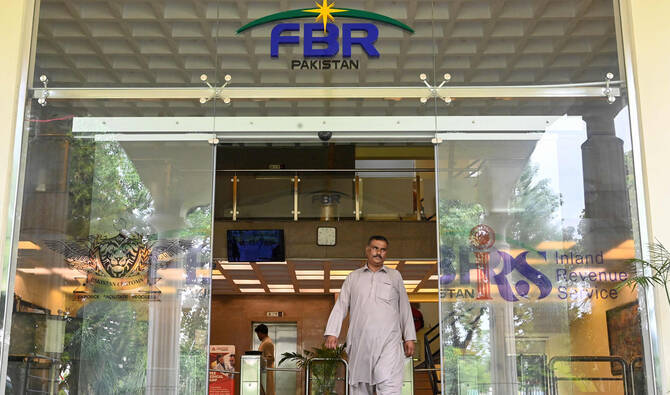
ISLAMABAD: Pakistan’s Federal Board of Revenue (FBR) has suspended 211 senior officials and removed another 32 officers from key positions over integrity concerns during the past two years, according to official figures. The move is part of a comprehensive accountability campaign aimed at eliminating corruption, improving transparency, and restoring public confidence in the country’s tax administration.

The disciplinary actions, covering the period from August 2024 to mid-2026, represent one of the largest internal crackdowns in the history of the FBR. The institution, responsible for collecting taxes and customs duties, has often faced criticism over allegations of corruption, misuse of authority, and lack of accountability.

According to the official data, 211 officers belonging to grades 16 to 21 of the Inland Revenue Service (IRS), the FBR’s domestic tax collection wing, were suspended during the two-year period. Officials noted that previous annual averages for suspensions stood at around 33 cases, highlighting the significant increase in disciplinary measures under the current leadership.

The number of major penalties imposed on officers also showed a steady rise. Cases increased from 38 during the 2023-24 fiscal year to 49 in 2024-25, before reaching 75 in 2025-26. Authorities say the increase reflects stricter monitoring and a stronger commitment to enforcing accountability rather than a rise in misconduct alone.

In addition to suspensions, the FBR identified 32 officers as being of “questionable integrity” by April 2026. These included 14 officials from the Inland Revenue Service and 18 from Pakistan Customs. Most of the officers held senior positions in grade 20 or above and were removed from operational assignments to ensure greater transparency in tax administration.

The accountability drive has coincided with investigations by the Federal Investigation Agency (FIA), which has arrested several senior tax and customs officials in separate corruption-related cases. These actions have reinforced the government’s broader efforts to strengthen oversight and address misconduct within public institutions.

Official figures indicate a significant improvement in integrity levels among officers serving in sensitive positions. In the Inland Revenue Service, the proportion of officers considered to have low integrity dropped from 74 percent in July 2023 to just 11 percent by June 2026. Similarly, in Pakistan Customs, the figure declined from 71 percent to 9 percent over the same period.

The FBR has also tightened its promotion process by introducing more rigorous screening measures. The number of officials placed on a performance watch list increased from around 2 percent in 2023 to nearly 40 percent by 2025, reflecting greater emphasis on ethical conduct, financial transparency, and professional performance.

Officials say these reforms are part of a long-term institutional strategy rather than isolated disciplinary actions. Regular peer-review mechanisms have achieved completion rates of more than 97 percent, demonstrating improved compliance with internal evaluation procedures.

As part of its modernization efforts, the FBR has also introduced a faceless income tax assessment system designed to reduce direct interaction between taxpayers and tax officials, thereby minimizing opportunities for corruption. Additionally, the board has implemented an integrity-based rating system that ranks officers from “A” to “D” based on their ethical standards and professional conduct.

By June 2026, officers rated “A” or “B” occupied nearly 90 percent of critical positions in both Inland Revenue and Customs departments. Officials believe these reforms will help improve tax collection, strengthen governance, enhance investor confidence, and support Pakistan’s ongoing fiscal reform agenda.
Similar Posts

  • | |

    PM orders aid for rain and flood victims

    LAHORE: Prime Minister Shehbaz Sharif has ordered the immediate provision of financial assistance to families affected by recent monsoon rains and floods across Pakistan, while directing authorities to speed up relief and rehabilitation efforts. Chairing a meeting in Lahore on Saturday to review the ongoing response, the prime minister instructed that compensation be provided to families who lost loved ones and to owners of houses that were completely or partially damaged by the severe weather. Shehbaz also called for the swift restoration of electricity transmission networks and roads in affected areas. Federal ministers and senior officials were directed to personally visit impacted regions, assess the damage and oversee rehabilitation work. The prime minister further ordered authorities to accelerate the delivery of food and other essential relief supplies to areas that remain difficult to access. The National Disaster Management Authority (NDMA) and provincial disaster management authorities were told to maintain full preparedness as more rain and flooding are forecast. Officials briefed the meeting that around 615 tonnes of relief supplies had already been dispatched to monsoon-hit areas, with additional consignments being arranged. Authorities also reported that flood-affected residents had been moved to safer locations across all affected areas. Restoration efforts are underway in Punjab, Sindh, Balochistan, Khyber Pakhtunkhwa, Gilgit-Baltistan and Azad Jammu and Kashmir, while disaster management teams remain on standby for any further emergencies. The meeting was also informed that early warning systems in the northern areas are operational and have helped authorities evacuate residents to safer locations ahead of potential flooding.

  • | | | |

    Oil nears $110 as US-Iran tensions rise

    Global crude oil prices climbed sharply this week as rising tensions between the United States and Iran increased concerns over energy supplies. The escalation in geopolitical risks, combined with ongoing disruptions linked to the wars involving Iran and Ukraine, has pushed physical crude cargo prices to their highest levels in nearly two months. Crude oil cargoes traded across the Middle East, Europe and Africa have risen significantly in value, with some shipments approaching $110 per barrel. The increase reflects growing uncertainty in global energy markets, where buyers are rushing to secure supplies amid fears of further disruptions. Traders say concerns over supply have become the main driver of the latest price rally. Buyers are seeking immediate deliveries from alternative sources as uncertainty over future exports continues to grow. The stronger demand for prompt cargoes has added further pressure on international oil prices. The global benchmark Dated Brent, which is used to price more than 60 percent of physical crude oil cargoes worldwide, climbed to $105.70 per barrel on Thursday, according to market data. The benchmark reached its highest level since late May and moved above the $100 per barrel mark for the first time since early June. Market analysts believe geopolitical developments are having a direct impact on energy prices. Growing fears that conflicts could disrupt production or shipping routes have increased volatility in the oil market. Investors and traders are closely watching developments in the Middle East as they assess the risk of further supply shortages. Oil broker Tamas Varga said supply concerns have once again become the dominant factor influencing the market. He noted that uncertainty over production and exports is encouraging buyers to secure crude oil before prices rise even further. The market was also affected by developments in Kazakhstan. Authorities there announced that the country’s main export terminal for CPC Blend crude oil on the Black Sea had been forced to suspend operations following reported Ukrainian drone attacks. The disruption affected crude exports and reduced oil production. According to a source familiar with the situation, Kazakhstan’s crude oil output has fallen by nearly half, dropping to around 460,000 barrels per day. The decline has added to global supply concerns at a time when markets are already under pressure from geopolitical tensions.

  • | | |

    National History Museum summer school 2026 ends wi…

    Lahore: The National History Museum (NHM) hosted a week-long Mini Museum Display from 26th July to 2nd August 2026, marking the culmination of its flagship Summer School 2026 Programme. The display showcased projects created by participants exploring museum curation, oral histories, arts and crafts, architecture, and Pakistan’s food heritage during the summer school. Through field visits, hands-on activities, workshops, and creative experimentation with artificial intelligence, participants learned a variety of aspects from the history and culture of Pakistan. Reflecting on the experience, one participant said, “Being part of the Summer School is always exciting. This is my second time attending the school at the National History Museum, and I return each time with great enthusiasm to learn something new about my culture.” The opening day welcomed participants, parents, and special guests from academia. Attendees participated in interactive activities, including a LEGO-making workshop, making virtual block-printed bookmarks and postcards. The event also featured Circles of Life, a special workshop conducted by Taimoor Khan Mumtaz, the renowned architect at Kamil Khan Mumtaz Architects in Lahore. A parent of a Summer School participant remarked, “My children had a wonderful time. Displays like this build children’s confidence and encourage them to learn and experiment. The activities made the experience engaging, while Mr Taimoor Khan Mumtaz’s workshop was particularly memorable.” The Mini Museum Display received encouraging attendance and positive feedback from visitors. Speaking about the initiative, Awais Malik, Director, National History Museum, said, “The summer school is the soul of our mission at the National History Museum i.e., to educate the youngsters on the rich heritage of Pakistan.” The Mini Museum Display reflected NHM’s continued commitment to creating experiential learning experiences that connect the youth with Pakistan’s history, heritage, and culture.

  • | |

    Mufti Muneeb-ur-Rehman criticizes Pakistan’s…

      Renowned Islamic scholar Mufti Muneeb-ur-Rehman has strongly criticized Pakistan’s judicial and economic systems, stating that a justice system that fails to deliver justice even after forty years cannot be considered a true system of justice but rather a system of oppression. He made these remarks while addressing a public ceremony in Karachi, where he spoke about the country’s pressing legal and economic challenges. During his speech, Mufti Muneeb-ur-Rehman expressed concern over the prolonged delays in the judicial process. He argued that when people have to wait decades for justice, the very purpose of the legal system is defeated. According to him, justice delayed for such an extended period effectively becomes justice denied, leaving citizens frustrated and deprived of their fundamental rights. He emphasized that a judicial system should provide timely and fair decisions so that public confidence in the rule of law remains intact. The scholar also urged those in positions of authority to focus on resolving Pakistan’s domestic problems instead of concentrating solely on international issues. He remarked that while government leaders often discuss and engage with global affairs, the country’s internal challenges require immediate attention. He specifically called upon policymakers and those holding power to prioritize the welfare of the people by addressing the nation’s economic difficulties. One of the major issues highlighted by Mufti Muneeb-ur-Rehman was the problem of Independent Power Producers (IPPs). He appealed to the government to find a practical and sustainable solution to the IPP issue, which has been widely debated due to its impact on electricity prices and the country’s financial stability. According to him, resolving this matter would help reduce the economic burden on both the government and ordinary citizens. Speaking about the national economy, Mufti Muneeb-ur-Rehman painted a concerning picture of Pakistan’s financial condition. He stated that after distributing the constitutionally allocated shares to the provinces and making payments on interest obligations, the federal government is left with very limited financial resources. This situation, he suggested, reflects the severity of the country’s fiscal challenges and highlights the urgent need for comprehensive economic reforms. He stressed that policymakers should adopt measures that promote financial stability, reduce unnecessary expenditures, and improve revenue generation without placing excessive burdens on the public. The event also featured an address by Maulana Bashir Farooqi, who criticized the government’s approach toward eliminating the interest-based financial system. He argued that the authorities are not demonstrating sufficient seriousness in transitioning toward an Islamic banking framework. According to him, meaningful reforms require not only policy changes but also practical steps to prepare financial institutions for such a transformation. Maulana Bashir Farooqi announced that his organization is willing to provide training for approximately 100,000 employees working in conventional banks. He explained that this initiative aims to equip banking professionals with the knowledge and skills necessary to operate within an interest-free Islamic banking system if the government decides to pursue such reforms. He maintained that the availability of trained professionals would facilitate a smoother transition and strengthen the implementation of Islamic financial principles in the country’s banking sector. The speeches delivered at the Karachi ceremony underscored concerns regarding Pakistan’s judicial efficiency, economic management, and financial policies. Both religious leaders called on the government to prioritize domestic reforms, strengthen public institutions, address long-standing economic challenges, and work toward a system that better serves the interests of the people.

  • | | |

    Kot Addu canal tragedy leaves 12 dead, three missi…

    KOT ADDU: A devastating tragedy unfolded in Kot Addu after a loader rickshaw carrying members of a wedding procession fell into the Muzaffargarh Canal, leaving at least 12 people dead and three others missing. The incident has plunged several families into mourning. Children and women are among those who lost their lives in the accident. Rescue 1122 teams from Kot Addu and Muzaffargarh reached the site soon after receiving information about the incident. A search and rescue operation was launched in the canal. Rescuers used boats, scuba-diving equipment and other available resources to search for the victims. Several bodies were recovered during the operation, bringing the death toll to 12. Three people remain missing. Rescue officials said divers are continuing to search different sections of the canal. Rescue boats are also being used to cover wider areas. According to a list provided by Rescue 1122, those who died included 14-year-old Dalaur, seven-year-old Muneeb, 58-year-old Sakina Bibi, 15-year-old Sameera Bibi, nine-year-old Raju, seven-year-old Muhammad Sibtain, 11-year-old Zareef, 35-year-old Iqbal Bibi, 13-year-old Kaleemullah, 12-year-old Muhammad Jalal, five-year-old Muhammad Ali and Muhammad Saeem. The large number of children among the victims has added to the grief surrounding the tragedy. Families who had set out to attend a wedding were suddenly confronted with an unimaginable loss. Homes that were preparing for celebrations are now filled with mourning. The families of the three missing people are facing severe distress. Relatives have gathered near the site and are waiting for information about their loved ones. Minute Mirror observed that Bashir Mashori, an elderly uncle and relative of the affected family, was deeply grieved over the situation. As the senior family member, Mashori expressed profound sorrow and called for assistance for the victim’s family during this difficult time. Residents have expressed concern over the scale of the tragedy and called for a coordinated rescue effort involving all relevant departments. Local residents and affected families have urged the Punjab government to take immediate notice of the incident and ensure that every available resource is used to locate the missing people. They have called for additional divers, modern search equipment and more rescue resources to be sent to the site. Residents have also demanded the involvement of the police, district administration, irrigation authorities, Provincial Disaster Management Authority and other relevant departments in the search operation. They said a tragedy involving the loss of 12 lives requires a coordinated response beyond routine district-level efforts. The affected families have appealed to Punjab Chief Minister Maryam Nawaz and senior provincial officials to ensure that the search for the three missing people continues without interruption. They have also called for an investigation into the circumstances that led to the rickshaw falling into the canal. The families and residents said determining the cause of the accident is essential to prevent similar incidents in the future. Instead of helping the victims, some people were seen making videos and TikTok content at the scene. Such behaviour has drawn criticism and was described as deeply shameful and insensitive toward those affected. Rescue 1122 teams continue to search different sections of the Muzaffargarh Canal using divers, boats and other available equipment.

  • | |

    Seven law enforcement personnel martyred during re…

    Azad Jammu and Kashmir (AJK) Information Secretary Muhammad Rashid Hanif has said that seven law enforcement personnel, including police and Rangers officials, were martyred during the recent unrest in the region. In a televised address on Monday, Hanif said the casualties occurred during clashes linked to ongoing protests by the now-proscribed Joint Awami Action Committee (JAAC). The committee has been demonstrating in the region for several weeks over its demand to abolish 12 seats in the AJK Legislative Assembly reserved for refugees from Indian-held Kashmir. The unrest intensified after clashes between protesters and security personnel in Rawalakot and Mirpur last week. The incidents reportedly resulted in multiple casualties and increased tensions across the region. Hanif stated that weapons allegedly recovered from JAAC members were presented during a previous press conference by a police official on July 27. He claimed that seven law enforcement personnel were killed using similar weapons, while 45 personnel suffered serious injuries and several others sustained minor injuries. The AJK information secretary also alleged that police and Rangers vehicles were damaged and burned during the unrest. He claimed that the incidents indicated the presence of armed elements within the banned organization and accused them of attempting to challenge the state’s authority and disrupt peace. Responding to allegations made by JAAC regarding events in Rawalakot and surrounding areas between July 27 and July 31, Hanif rejected the claims and described them as part of a misinformation campaign. He said the security institutions of AJK had shown restraint and professionalism while handling the law and order situation. Hanif denied allegations of unprovoked firing by security forces and rejected claims that bodies were being withheld. He stated that the government currently had no bodies in its custody and accused the organization of spreading misleading information through social media. He further alleged that JAAC activists had been involved in blocking and damaging vehicles carrying essential supplies and food items. The information secretary also highlighted previous incidents involving casualties among law enforcement personnel, claiming that one police official was martyred in 2024 and three others in October 2025 during unrest-related incidents. Meanwhile, the AJK government criticized international media reports regarding the clashes, describing some coverage as biased and incomplete. Officials said reports should have included the government’s position and verified information before publication. The Ministry of Information and Broadcasting also criticized coverage of the AJK elections by some media outlets, alleging selective reporting from specific polling locations. The situation in AJK remains tense as authorities continue security measures while political and public disputes over electoral representation and governance issues continue. The government and protest groups have presented conflicting accounts of the events, and further developments are expected as investigations proceed.

Leave a Reply

Your email address will not be published. Required fields are marked *