pakistans top civilmilitary
| | |

Pakistan’s top civil-military leadership in Riya…

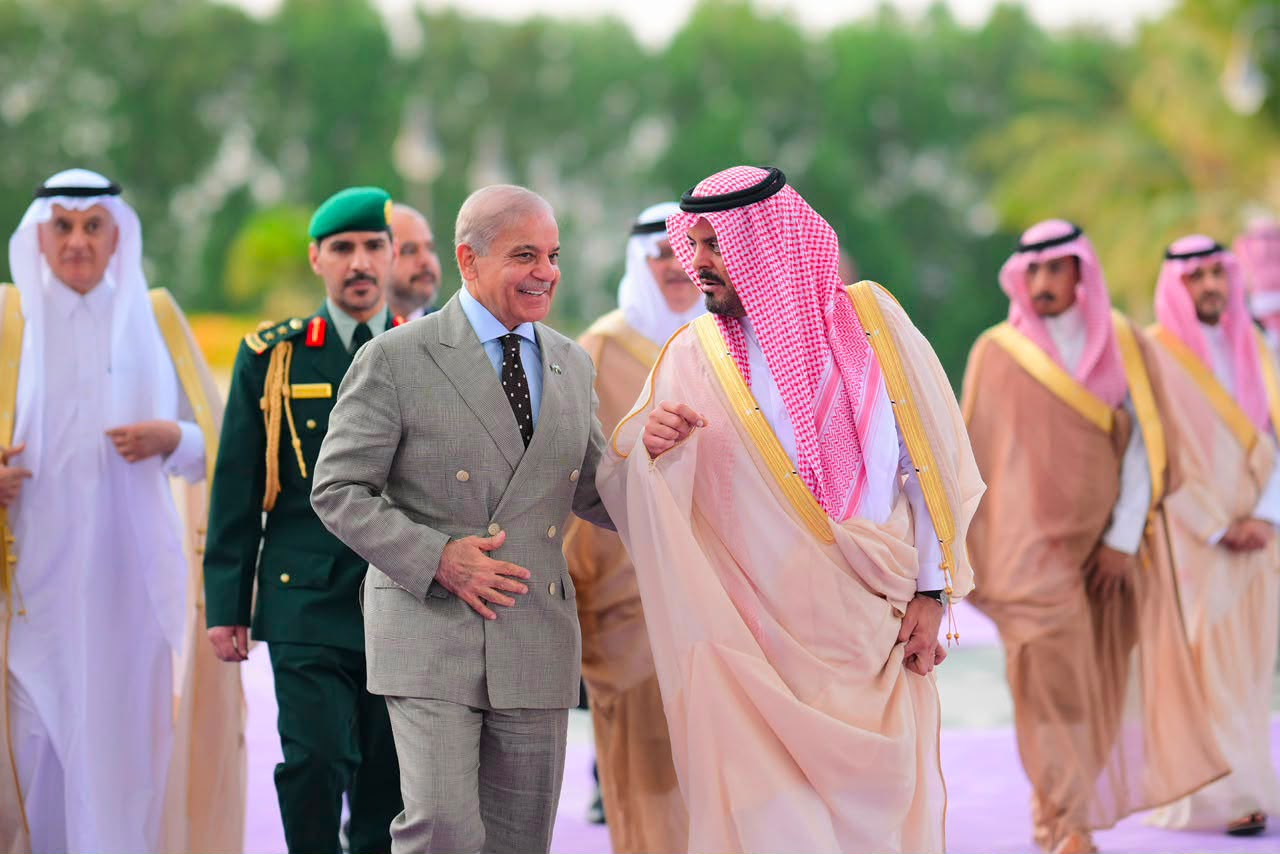
Prime Minister Muhammad Shehbaz Sharif and Chief of Army Staff and Chief of Defence Forces Field Marshal Syed Asim Munir arrived in Saudi Arabia on Thursday for high-level talks with the Kingdom’s leadership, as Pakistan seeks to consolidate its strategic partnership with Riyadh and build on its growing diplomatic engagement in efforts aimed at promoting peace and stability across the region.

The visit, at the invitation of Saudi Crown Prince and Prime Minister Mohammed bin Salman bin Abdulaziz Al Saud, comes at a pivotal moment in regional geopolitics and is expected to focus on security cooperation, defence collaboration, economic partnership and coordination on key regional developments.

Accompanying the prime minister are Deputy Prime Minister and Foreign Minister Senator Ishaq Dar, Defence Minister Khawaja Muhammad Asif, Information Minister Attaullah Tarar and Special Assistant Tariq Fatemi.

Prime Minister Shehbaz Sharif is scheduled to hold extensive discussions with Crown Prince Mohammed bin Salman on expanding the strategic partnership between the two brotherly nations, reviewing the regional security environment and enhancing cooperation across defence, investment and economic sectors.

The presence of Field Marshal Syed Asim Munir in the delegation underlines the growing strategic dimension of Pakistan-Saudi Arabia relations. Security analysts say the visit reflects Islamabad’s commitment to strengthening defence coordination with Riyadh at a time when regional stability remains a shared priority.

The visit also comes as Pakistan projects an increasingly active diplomatic profile in regional affairs. Islamabad has consistently advocated dialogue over confrontation and has supported international efforts to reduce tensions and encourage peaceful engagement in the Middle East. Pakistani officials have maintained that the country’s foreign policy is centred on promoting regional peace, stability and constructive diplomacy.

Pakistan’s diplomatic engagement in recent months, including its support for efforts to encourage dialogue between regional and international stakeholders, has reinforced its image as a country seeking political solutions to complex regional challenges. Officials say Islamabad remains committed to facilitating an environment conducive to peace and stability while maintaining close coordination with key partners, including Saudi Arabia.

Pakistan and Saudi Arabia share decades of historic brotherhood founded on mutual trust, shared faith and unwavering support. Over the years, the relationship has evolved into a comprehensive strategic partnership encompassing defence, security, investment, energy and regional cooperation.

The recent defence cooperation pact between the two countries has further strengthened bilateral ties, adding greater institutional depth to military collaboration and opening new avenues for strategic coordination. Officials believe the agreement reflects the confidence both leaderships have in each other’s commitment to safeguarding regional peace and collective security.

Against the backdrop of rapidly changing geopolitical dynamics, the Riyadh meetings are expected to reaffirm the close alignment between Islamabad and Riyadh on regional and international issues while exploring fresh opportunities for economic investment and defence cooperation.

Besides his official engagements, Prime Minister Shehbaz Sharif will perform Umrah and offer prayers at the Prophet’s Mosque in Madinah.

Officials described the visit as another milestone in Pakistan-Saudi Arabia relations, expressing confidence that the high-level engagement will further strengthen one of Pakistan’s most important strategic partnerships and reinforce Islamabad’s continuing commitment to regional peace, dialogue and stability.

Similar Posts

  • |

    25 US states challenge Trump’s new tariffs in court

    NEW YORK: A coalition of 25 US states has filed a lawsuit against the administration of President Donald Trump, seeking to block a new round of tariffs imposed on imports from dozens of countries. The legal challenge was submitted to the US Court of International Trade in New York, where the states asked the court to suspend the tariffs, declare them unlawful and order the federal government to refund businesses that have already paid the import duties. The coalition argued that the administration exceeded its legal authority by introducing sweeping tariffs under Section 301 of the Trade Act of 1974. According to the lawsuit, the investigations cited by the administration as justification for the tariffs were used as a pretext to impose broad trade restrictions. The disputed tariffs, ranging from 10% to 12.5%, were introduced last month and apply to imports from 60 trading partners, covering a significant share of goods entering the United States. The Trump administration has defended the measures, saying they are intended to address concerns related to forced labour in international supply chains and to protect American trade interests. The White House maintains that the tariffs were imposed within the government’s legal authority and remain an important tool for securing fair trade practices. A White House spokesperson said the administration is using powers granted under US trade law to respond to what it considers unfair policies and practices affecting American commerce. Officials also argued that Section 301 tariffs have previously withstood legal scrutiny and continue to be a lawful instrument of trade policy. The lawsuit follows earlier legal disputes over President Trump’s tariff policies. Previous tariffs introduced under emergency economic powers were struck down by the US Supreme Court earlier this year, prompting the administration to replace them with the current Section 301 measures after a temporary global tariff expired in July. The states involved in the case contend that the latest tariffs are arbitrary and unlawful, arguing that while they support efforts to combat forced labour worldwide, such concerns cannot be used to justify what they describe as an illegal expansion of presidential tariff powers.

  • |

    UK’s Burnham welcomes Zelensky in first foreign leader visit

    British Prime Minister Andy Burnham hosted Ukrainian President Volodymyr Zelensky for his first official visit with a foreign leader since taking office, reaffirming Britain’s unwavering support for Kyiv. The two leaders visited a UK naval base to meet armed forces personnel involved in training Ukrainian service members for Black Sea maritime security and counter-mine operations. During the visit, London announced it would share the intellectual property for “Stone Cloak”, a new military-grade electronic jamming technology designed for drones to evade Russian air defence tracking. The UK confirmed its total support for Ukraine has reached £25 billion since the start of the conflict, with Zelensky scheduled to travel onward to Washington for talks with US President Donald Trump.

  • |

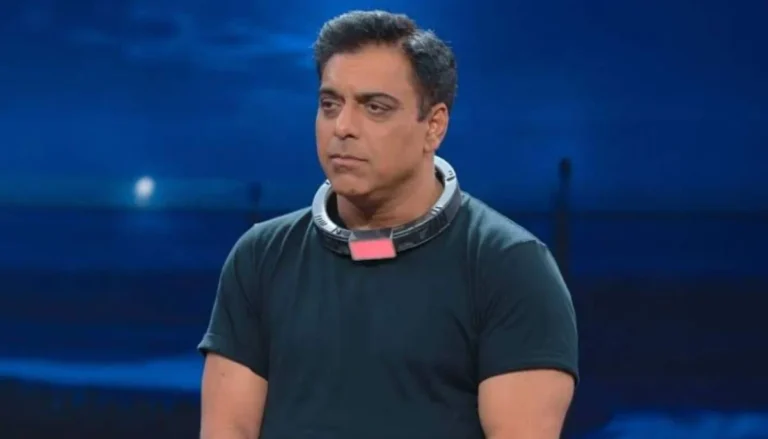
    Ram Kapoor opens up on hidden depression during ‘Bade Achhe Lagte Hain’

    Ram Kapoor has made another candid revelation on the latest episode of Lock Upp 2. The 52-year-old actor opened up about a painful chapter from his past that he had kept hidden for years. Kapoor reflected on the time he spent working on Bade Achhe Lagte Hain. During that period, he struggled with obesity and continuous weight gain, which eventually led to serious health complications. He revealed that this phase also overlapped with the most difficult emotional period of his life. According to Kapoor, this was a secret he had never shared publicly, not even with his wife, Gautami Kapoor. He said, “I have kept one secret from the world; even my wife doesn’t know. During the show, I went through the absolute worst depression of my life.” He then described just how severe his health situation had become at the time. Doctors reportedly told him he could die within six months if nothing changed. Kapoor recalled being on insulin three times daily, with his blood sugar levels swinging between dangerously high numbers. Despite this, he kept working roughly 14 hours a day without pause. He admitted he avoided confronting the issue seriously, largely because of the immense love and financial success he was receiving during that time. He explained that walking away from all of it felt nearly impossible, even as it took a toll on both his body and mind. He also acknowledged that the pressure changed his personality, admitting he became a much harder person to be around during those years. Kapoor further shared that even his wife and child only learned the full truth about this struggle after watching the latest episode of Lock Upp 2 themselves. This revelation adds another deeply personal layer to Kapoor’s run on the show, where he has continued opening up about experiences he had never spoken about publicly before. By choosing to share this now, years after the fact, Kapoor seems intent on giving fans a more honest picture. His story sheds light on the hidden costs that can come with sustained fame, long working hours, and public pressure, even when everything on the surface appears successful.

  • | | |

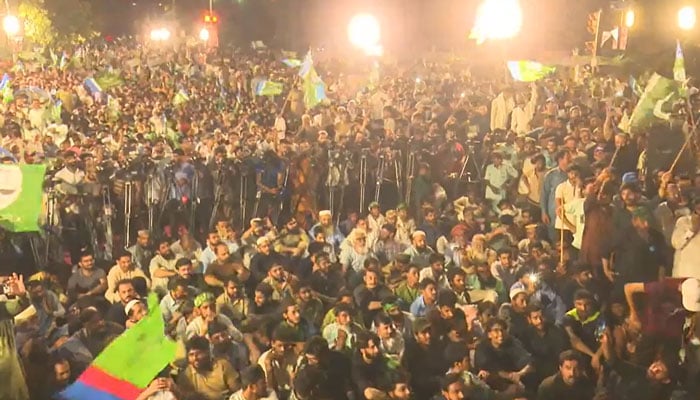
    Jamaat-e-Islami storms streets over petrol levy

    Jamaat-e-Islami (JI) has staged sit-ins in Karachi, Lahore and Peshawar against the petroleum levy, rising fuel prices and inflation. In Karachi, a JI rally led by Karachi chief Munim Zafar reached Fawara Chowk. The party had announced a sit-in outside the Governor House to protest the petroleum levy. JI workers are moving towards the Governor House from the Sindh High Court. Party activists have been raising concerns over the impact of the petroleum levy and rising fuel prices on the public. Following the sit-in at Fawara Chowk, the road leading towards the Press Club and Arts Council remains open for traffic. Police personnel have also been deployed near the Governor House to maintain security and manage the situation. In Lahore, JI workers staged a sit-in at Faisal Chowk on Mall Road, near the Chief Minister’s House. JI Pakistan chief Hafiz Naeemur Rehman also reached the protest site and joined the demonstrators. The protest in Lahore was led by JI Punjab chief Javed Kasuri and other party leaders. The protesters are demanding relief from rising petroleum prices and the petroleum levy. The party has also criticised the increasing burden of inflation on ordinary citizens. JI leaders have called for measures to reduce the financial pressure faced by the public. In Peshawar, JI workers staged a sit-in outside the Governor House. The protest has resulted in the closure of the road up to the Sadar Khyber Pakhtunkhwa Assembly Chowk. JI Deputy Emir Liaquat Baloch is scheduled to address the protesters in Peshawar. Party leaders are expected to highlight their demands regarding petroleum prices, the levy and inflation. The demonstrations are part of JI’s wider campaign against the petroleum levy and rising prices. The party has announced protests in different cities to pressure the government to provide relief to consumers. JI leaders have argued that increases in petroleum prices affect the prices of transport, food and other essential goods. They have demanded that the government reconsider the petroleum levy and take steps to control inflation.

  • |

    NYC homeowners sue Mamdani over new pied-à-terre tax rollout

    A group of New York City homeowners has taken legal action against Mayor Zohran Mamdani and the city’s finance authorities over the rollout of a new pied-à-terre tax, arguing that the administration wrongly identified some primary residences as potential second homes. The lawsuit was filed on Friday by homeowners Simon Hedley, Rachel O’Brien and Carmine Morano. The plaintiffs are not challenging the legality of the tax itself. Instead, their case focuses on how city officials identified properties and made information about potentially affected homeowners publicly available. The dispute follows the publication of a city property tax roll containing the names and addresses of more than 900,000 property owners. Although most of those properties are not subject to the new surcharge, nearly 17,000 homeowners received notices warning that their properties could potentially fall under the tax. The homeowners allege that the city’s process has incorrectly flagged primary residences and unnecessarily exposed private information. O’Brien said her family’s permanent home was identified as a possible second residence despite records indicating that the property was their primary residence. She described the situation as unreasonable and questioned why homeowners were publicly listed when their properties might not ultimately be subject to the tax. The plaintiffs have asked the court to declare the notices and the publicly released property information unlawful. They are also seeking restrictions on public access to the list. In addition, the homeowners want the city to suspend response requirements and halt enforcement measures while the legal proceedings are underway. A spokesperson for Mayor Mamdani said the administration was committed to ensuring that the tax process remained clear and accessible. The spokesperson added that the city’s Law Department was prepared to defend the administration against the lawsuit. The pied-à-terre tax targets qualifying non-primary residences valued at more than $5 million, along with certain cooperative apartments valued at $1 million or above. The surcharge was included in Mamdani’s fiscal 2027 budget as part of efforts to address New York City’s budget shortfall. The rollout has triggered significant criticism from affected homeowners. In response, Mamdani extended the deadline for property owners to demonstrate that their homes are their primary residences by four weeks. The new deadline is now September 18, giving homeowners additional time to challenge their classification and provide documentation to city authorities.

  • | |

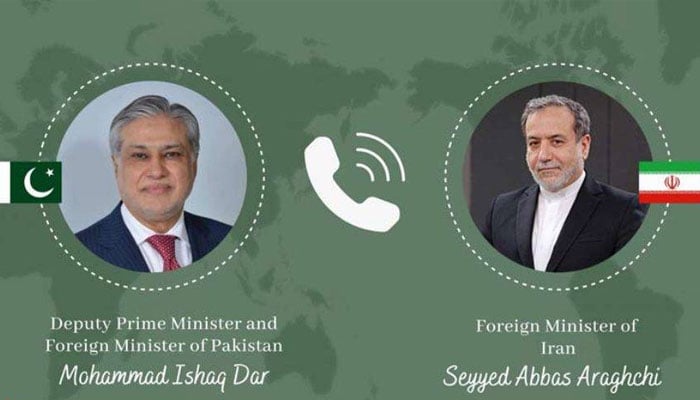
    Dar, Araghchi discuss region, plan Pakistan visit

    Deputy Prime Minister and Foreign Minister Ishaq Dar has invited Iranian Foreign Minister Abbas Araghchi to visit Pakistan at the earliest during a telephone conversation focused on strengthening bilateral ties and discussing the evolving regional situation. According to the Foreign Office, the two foreign ministers held detailed discussions on a wide range of issues of mutual interest. They reviewed the current state of Pakistan-Iran relations and reaffirmed their commitment to maintaining close diplomatic engagement and cooperation. During the conversation, Dar extended a formal invitation to his Iranian counterpart to undertake an early visit to Pakistan. The proposed visit is expected to provide an opportunity for both countries to further enhance political dialogue and expand cooperation in areas of mutual interest. The two leaders also exchanged views on recent regional and international developments. Their discussions covered issues affecting peace, security and stability in the region, as both countries continue to coordinate on important diplomatic matters. Special attention was given to the deteriorating situation in occupied East Jerusalem. The foreign ministers expressed concern over the rising tensions and discussed the latest developments in the occupied Palestinian territories. They emphasized the need for continued diplomatic efforts to reduce tensions and promote regional stability. The telephone contact reflects the regular high-level engagement between Islamabad and Tehran as both governments continue consultations on regional affairs and bilateral cooperation. Pakistan and Iran share close historical, cultural and economic ties, and both countries have maintained regular diplomatic contacts to strengthen cooperation in political, economic and security sectors. Officials said the two sides agreed to remain in close contact on matters of mutual concern and continue consultations on regional and international issues. They also reaffirmed their commitment to promoting stronger bilateral relations through sustained dialogue and high-level exchanges.

Leave a Reply

Your email address will not be published. Required fields are marked *