
phetchabun authorities monitor
|

Phetchabun Authorities Monitor Receding Pa Sak River Levels Amid Ongoing Flood Impacts

Phetchabun, Thailand, August 2nd, 2026

The Phetchabun Provincial Disaster Prevention and Mitigation Operations Center reported on water levels along the Pa Sak River as of 11:00 a.m. on August 2nd, 2026, noting a continued downward trend at key monitoring stations.

At Station S33 in Tat Kloi Subdistrict, Lom Kao District, the riverbank height stands at 8.84 meters. The water level was measured at 3.96 meters, having dropped 5 centimeters from the previous hour.
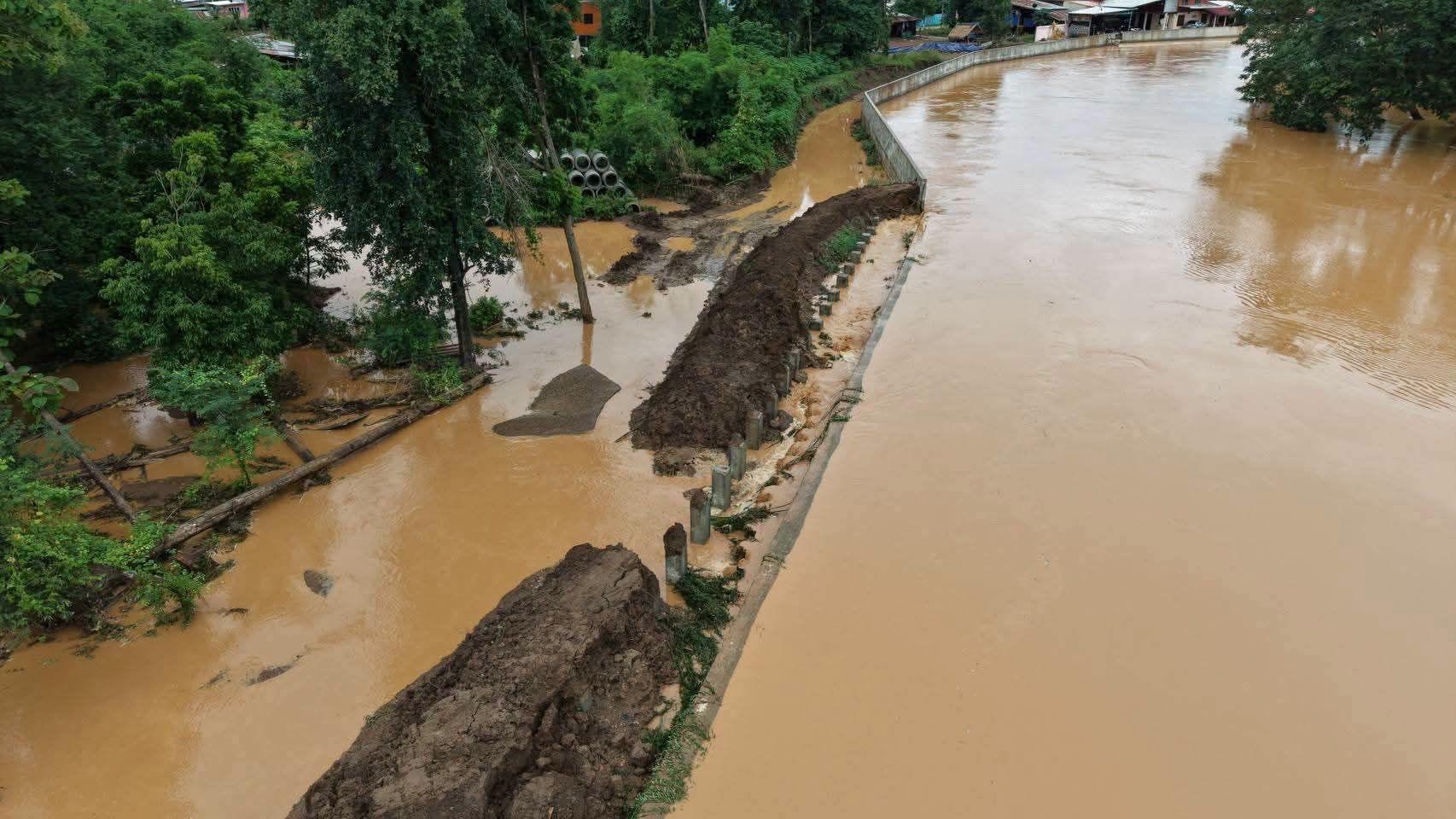
At Station S3 in Tan Diao Subdistrict, Lom Sak District, the riverbank height is 8.30 meters. The water level reached 8.12 meters, down 2 centimeters from the prior hour and remaining 0.18 meters below the bank.

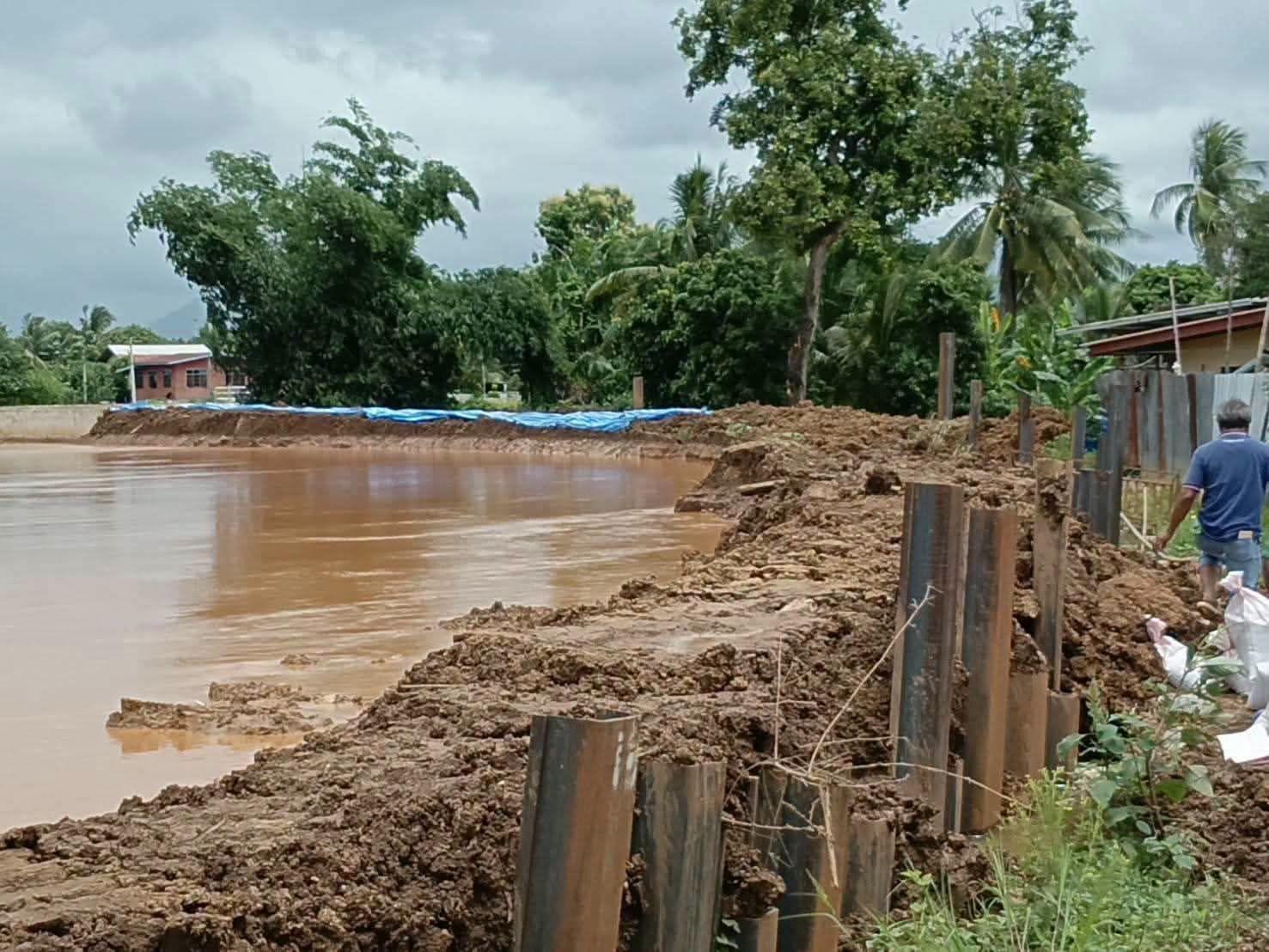
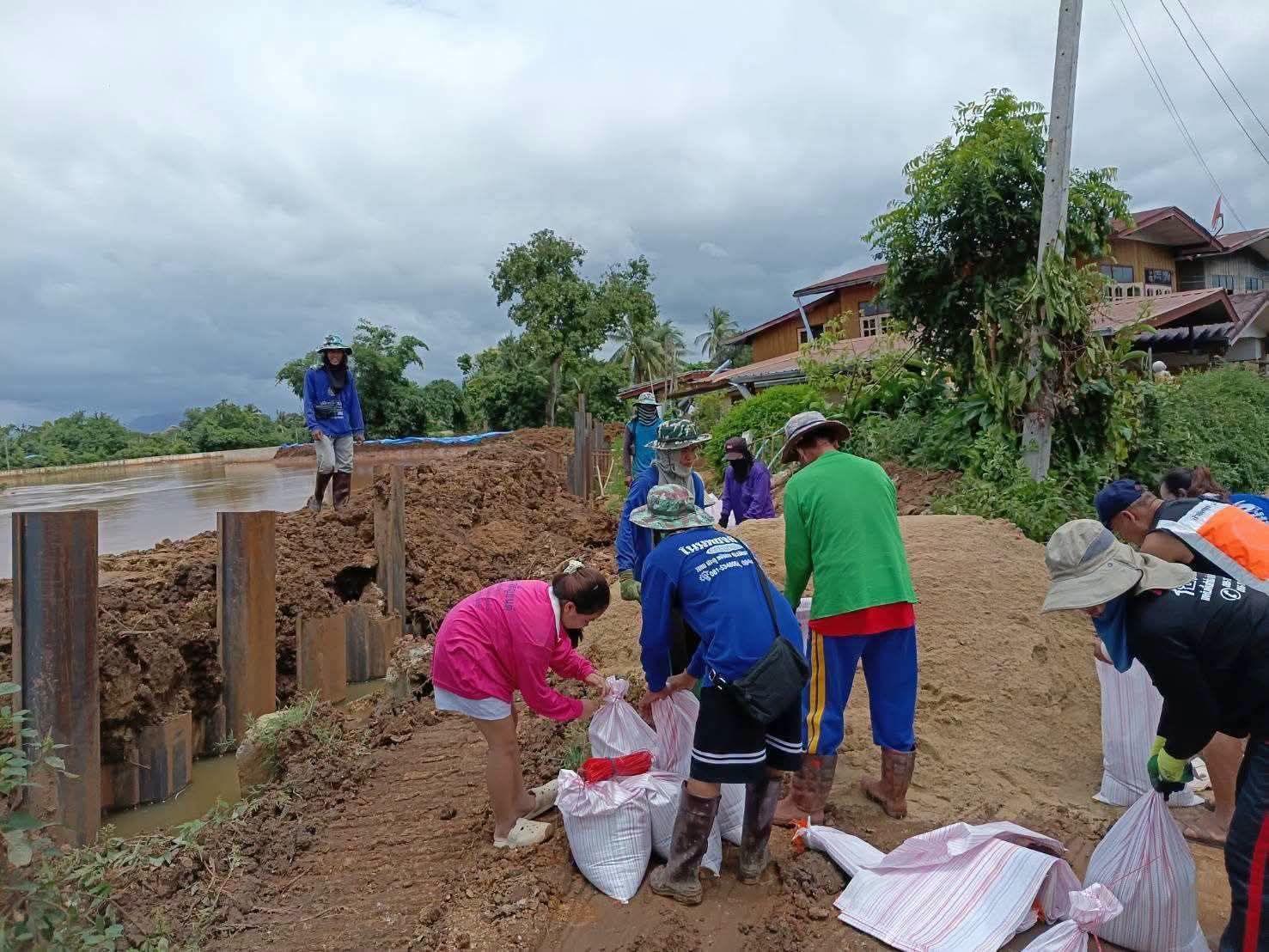
Lom Sak Municipality has raised red flag warning signals across affected areas and is deploying additional sandbags to seal gaps near the “Hug Lom Sak” sign along the Thai Lom walking street. These measures supplement earlier protections at identified risk points to minimize potential overflow impacts.
The provincial center has coordinated with authorities in the Lom Kao and Lom Sak districts and issued cell broadcast alerts to the public on two occasions.

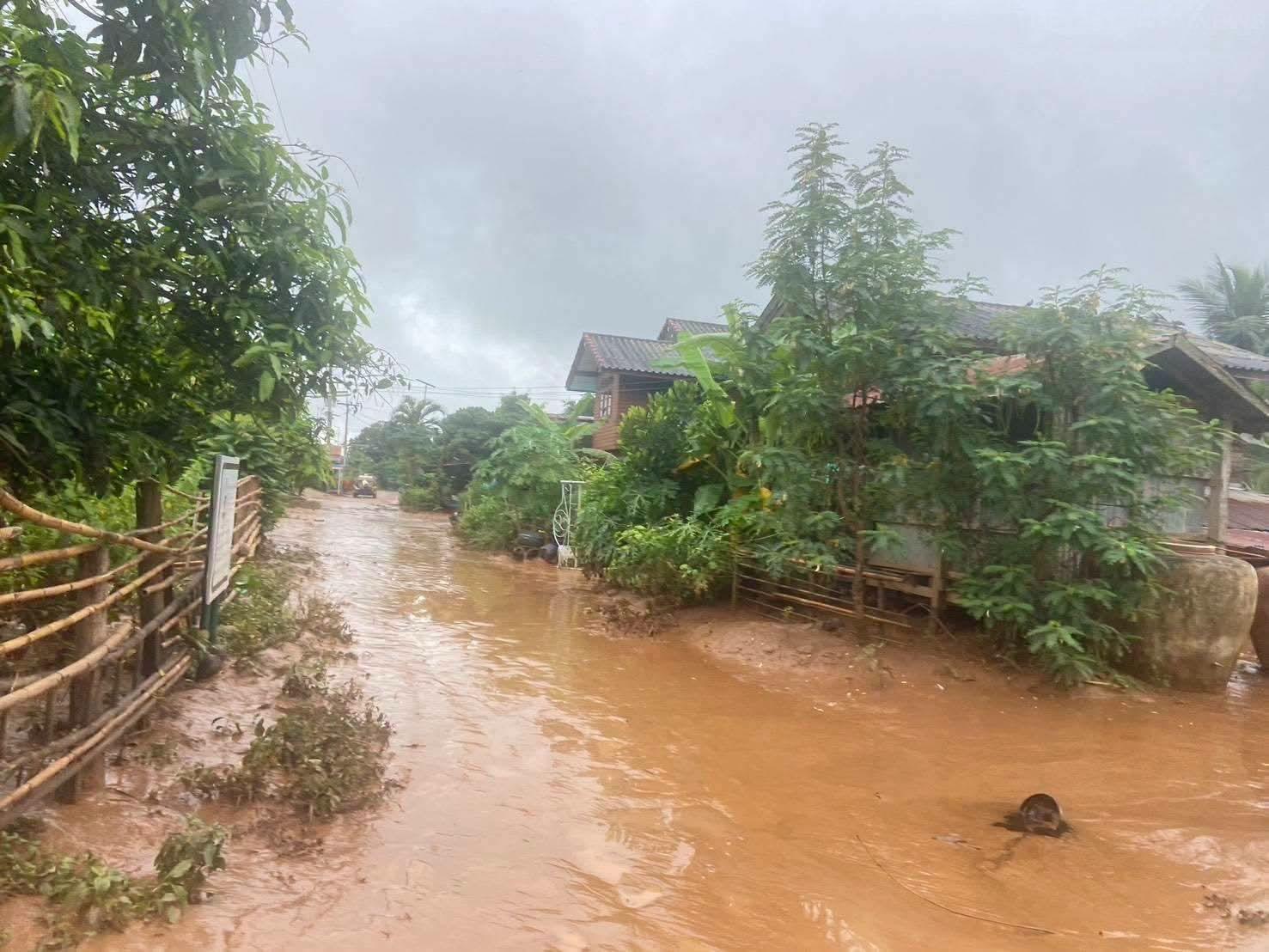
Preliminary assessments indicate flooding has affected two districts, four sub-districts, one municipality, two communities, and seven villages, impacting 173 households and 593 people.

In Lom Kao District’s Tat Kloi Subdistrict, two villages reported 23 flooded houses and 69 affected residents: 15 houses in Village 1 and 8 houses in Village 8.
In Lom Sak District, impacts cover one municipality, two communities, and three sub-districts, with 150 flooded houses and 524 affected people. These include the Tha Kok Kae and Ban Rai communities in Lom Sak Municipality, along with Villages 4, 7, and 8 in the Tan Diao Subdistrict.

The update was issued by the Phetchabun Provincial Disaster Prevention and Mitigation Operations Center at 11:30 a.m. on August 2nd, 2026. Authorities continue to monitor the situation closely.

Similar Posts

  • | |

    Dallas conference backs UN-led Kashmir settlement

    DALLAS: A conference in Dallas, Texas, has called for a peaceful and lasting settlement of the Kashmir dispute in accordance with relevant United Nations resolutions. The conference was organised by Friends of Kashmir to mark the anniversary of India’s 2019 decision to revoke the special constitutional status of Jammu and Kashmir. Members of the Pakistani and Kashmiri diaspora, community leaders and representatives of Sikhs for Justice attended the event. Pakistan’s Consul General in Houston, Aftab Chaudhry, was the chief guest. Friends of Kashmir International Chairperson Ghazala Habib presided over the gathering. Speakers expressed solidarity with the people of Indian Illegally Occupied Jammu and Kashmir (IIOJK). They also voiced concerns about the situation in the region following the revocation of Article 370 and Article 35A. Addressing the participants, Chaudhry said Pakistan would continue providing diplomatic, political and moral support to the Kashmiri people. He said India’s decision to revoke the region’s special status had added further complexity to the long-running Kashmir dispute. Ghazala Habib urged the international community to pay greater attention to the concerns and rights of Kashmiris. She also highlighted cooperation between Kashmiri and Sikh communities in raising issues related to justice and human rights. Other speakers, including Aftab Siddiqui, Syed Fayaz Hasan, Ghulam Jahangra and Dr Fareeha Qazi, called for stronger international efforts to address the Kashmir dispute through peaceful means. Gurvinder Singh, who represented the Sikh community, stressed the importance of involving younger generations in campaigns focused on justice and human rights. At the conclusion of the conference, participants adopted a resolution calling for an internationally supported and peaceful settlement of the Kashmir issue in line with relevant UN resolutions. The resolution also urged the international community to help protect the fundamental rights of the Kashmiri people and maintain attention on the disputed region.

  • | |

    President and PM reaffirms support for Kashmir on …

    ISLAMABAD: President Asif Ali Zardari and Prime Minister Shehbaz Sharif reaffirmed Pakistan’s support for the people of Kashmir on Kashmir Exploitation Day, urging the international community to play a more active role in resolving the longstanding dispute. In his message, President Zardari said lasting peace in South Asia depends on a peaceful and just settlement of the Jammu and Kashmir issue. He stated that India’s actions cannot alter the internationally recognized status of the dispute or weaken the determination of the Kashmiri people, adding that Pakistan will continue to stand firmly with them. Prime Minister Shehbaz Sharif said the measures introduced by India since August 2019 have led to increased repression and restrictions on fundamental freedoms in the region. He also accused India of attempting to alter the demographic composition of the occupied territory. The prime minister called on the international community to move beyond expressions of concern and play a responsible role in achieving a fair and lasting resolution to the Kashmir dispute. He also urged India to end alleged human rights violations in the occupied valley and reverse the unilateral measures introduced in August 2019.

  • | |

    Sindh rejects Miftah Ismail’s police recruit…

    Sindh Home and Law Minister Zia-ul-Hassan Lanjar has strongly rejected allegations made by former federal minister Miftah Ismail regarding police recruitment in the province, calling the claims baseless and politically irresponsible. Responding to Miftah Ismail’s statement, Lanjar said President Asif Ali Zardari represents all federating units of Pakistan and should not be portrayed as the representative of a single province, language or ethnic group. He added that the Pakistan Peoples Party (PPP) is a truly federal political party, and attempts to associate the president with a particular region undermine national unity. The provincial minister said all government recruitment in Sindh, particularly in Karachi, is conducted in accordance with established laws, the quota policy and merit. He maintained that the Sindh Police is a professional, impartial institution committed to merit-based recruitment. Lanjar further said the Sindh government does not believe in discrimination on the basis of language, ethnicity, region or community, and remains committed to providing equal opportunities to all citizens. He urged Miftah Ismail, as a senior political leader, to avoid making unsubstantiated allegations or statements that could fuel ethnic divisions. He said that if Miftah possesses evidence regarding any irregularity in police recruitment, he should present it before the relevant legal or administrative forum instead of making general accusations. The Sindh home minister also called on Miftah Ismail to clarify and withdraw what he described as an irresponsible statement that was contrary to the facts.

  • | | |

    Top National Thailand Stories From the Past Week: Nominee Crackdown Continues, and More

    Here is a look at the top NATIONAL Thailand stories, chosen by our Pattaya News/TPN National team, from last week, Monday, July 20th to Sunday, July 26th. They are not in any particular level of importance but are listed in the order of date of publication. 1. In a major escalation of Thailand’s nationwide campaign […]

  • | |

    US report urges Pakistan to open up budget and deb…

    WASHINGTON: Pakistan needs to improve transparency in its public finances and give Parliament and citizens earlier access to key budget and debt information, according to a new US State Department assessment. The department’s 2026 Fiscal Transparency Report said Pakistan had made progress in making financial information publicly available but still faced important gaps, particularly in the timely release of its proposed budget and disclosure of government liabilities. The report noted that Pakistan’s approved budget and year-end financial reports were easily accessible to the public, including online. However, it found that the government did not release its executive budget proposal within a reasonable timeframe. According to the assessment, publishing the proposed budget earlier would give lawmakers and the public more time to examine the government’s spending and revenue priorities before the document is formally approved. The report also raised concerns over limited public information about government debt, especially liabilities linked to major state-owned enterprises. Greater disclosure, it said, would help provide a clearer picture of the country’s financial position and allow Parliament to better assess potential fiscal risks. Despite these shortcomings, the US assessment acknowledged that Pakistan’s publicly available budget documents contained substantial information on planned government revenues and expenditures, including income from natural resources. Pakistan’s auditing system also received a largely positive assessment. The report said financial information was generally reliable and subject to review by the country’s supreme audit institution, which it found to have an appropriate level of independence under international standards. Audit findings were also made available to the public within a reasonable period. The report found that Pakistan had established legal procedures for awarding natural resource extraction contracts and licences and appeared to follow those rules in practice. It also noted that information on public procurement contracts was accessible and described the legal framework governing the country’s sovereign wealth fund as sound. The State Department identified three major areas where Pakistan could further strengthen fiscal transparency: releasing the executive budget proposal on time, providing more detailed information about government debt, including state-owned enterprise liabilities, and bringing military and intelligence budgets under adequate parliamentary or civilian oversight. Overall, the report did not portray Pakistan’s financial system as broadly opaque. Instead, it recognised several areas of progress while calling for stronger parliamentary scrutiny and greater disclosure of information that could help lawmakers and the public understand the country’s fiscal risks.

  • | |

    IHC seeks answers over delay in judicial appointme…

    ISLAMABAD: The Islamabad High Court (IHC) has asked the federal government to explain the constitutional implications of keeping Prime Minister Shehbaz Sharif’s advice on judicial appointments pending with President Asif Ali Zardari. Justice Arbab Muhammad Tahir issued notices to the president, the federal government and the attorney general on Monday while hearing a petition challenging the delay in approving appointments to the superior courts. The court also directed the respondents to submit separate concise reports detailing when the prime minister’s advice was sent to the president and what action had been taken on it. The case has been fixed for hearing on August 11. The petition was filed by lawyer Luqman Zafar through his counsel Zahid Asif Chaudhry, who questioned the prolonged delay in completing the constitutional process for judicial appointments. The Judicial Commission of Pakistan, headed by Chief Justice Yahya Afridi, had recommended 19 additional judges and the confirmation of five judges for the high courts during meetings held on July 20 and 21. The recommendations were subsequently forwarded by the prime minister to President Zardari for approval under Article 48 of the Constitution. During Monday’s proceedings, the petitioner’s lawyer argued that the use of the word “shall” in Article 48(1) placed a constitutional duty on the president to act on the prime minister’s advice. He maintained that although the president could return the advice for reconsideration within the prescribed period, the Constitution did not permit an indefinite delay. The counsel further argued that the delay was affecting the administration of justice at a time when the superior courts were already struggling with a growing backlog of cases. According to the petitioner, prolonged vacancies could also undermine the public’s constitutional right to timely access to justice. Justice Tahir directed that notices be served through all available modes. Additional Attorney General Rashid Hafeez was also asked to ensure that the respondents provide the court with clear timelines regarding the submission and handling of the judicial appointments summary. The presidential delay has already had consequences for the high courts. Four additional judges of the Peshawar High Court whose confirmation had been recommended by the Judicial Commission ceased to hold office on August 4 after their terms expired without formal notifications. A similar situation arose in the Sindh High Court, where an additional judge left office after his extended tenure ended on July 29. The oath-taking ceremony for the newly recommended judges had originally been scheduled for July 27 but was postponed indefinitely after the president neither approved the summary nor returned it for reconsideration. With the matter now coming under judicial scrutiny, the Islamabad High Court is set to examine whether the continued delay in acting on the prime minister’s advice is constitutionally permissible.

Leave a Reply

Your email address will not be published. Required fields are marked *