rs112 trillion tobacco
|

Rs1.12 trillion tobacco case sparks Senate probe

Islamabad: A Senate subcommittee investigating cigarette smuggling and tax exemption misuse has raised serious questions regarding the possible recovery of Rs 1.12 trillion from the tobacco industry, alleged leakage of Customs data to private media, corruption complaints against officials and incomplete records provided by government departments. The committee ordered strict action, sought bank and asset details, and demanded a full investigation into the possible misuse of tax exemptions and consumption certificates.

The committee strongly questioned how confidential Customs data reached private media organisations. Members observed that such information could not have been leaked without the involvement of Customs officials. The committee also questioned the conduct of media organisations regarding professional ethics.

Federal Board of Revenue officials told the committee that an investigation into the data leak was already underway. The convener directed the FBR to take strict action against any official involved in leaking Customs data to the media and to submit a complete report.

A major part of the meeting focused on the reported recovery of Rs 1.12 trillion linked to the tobacco industry’s consumption certificates. The committee questioned why complete details of consumption certificates issued for goods imported into tax exempt areas had not been provided.

Officials informed the committee that the Peshawar High Court had ordered an audit before consumption certificates could be issued and had also stopped Pakistan Customs from cashing security cheques. The convener urged the FBR to challenge the court order before the Federal Constitutional Court and report back to the committee.

The committee also reviewed the alleged misuse of tax exemptions by industries operating in tax exempt areas. Senator Talha Mahmood alleged that some industrialists were operating two or more factories, including one in a tax exempt area and another in a settled area.

He further alleged that some Customs officials helped such businesses take advantage of the system. The Federal Investigation Agency told the committee that a team had been formed to investigate the matter.

Senator Talha Mahmood said the FIA could help improve the process of issuing consumption certificates if the issue was handled seriously. He also recalled that Pakistan Customs had previously installed tracking chips on containers to check their movement and confirm whether goods reached their declared destinations.

He called for stronger tracking and monitoring systems to stop smuggling and misuse of tax exemptions. The committee directed authorities to send letters to all factories operating in tax exempt areas, demanding complete details of imported materials, materials used, brand names and taxes paid during the last two years.

Members were informed that Pakistan Customs had issued consumption certificates worth around Rs 378 billion. The committee also sought bank and account details of the companies in whose names those certificates were issued.

The Chair observed that anyone refusing to provide required records or information could face legal action. The committee also examined serious allegations of corruption and theft involving officials. Three investigating officers identified as Shahzaib Ali, Fakhar Gondal and Christopher were presented before the committee regarding corruption allegations.

The committee was informed that 22 people were allegedly involved in theft incidents and that 11 had been arrested. The committee directed authorities to provide details of assets allegedly beyond the known income of the accused officials.

It also sought forensic examination reports of their mobile phones. Senator Talha Mahmood recommended that the Senate Standing Committee on Interior also take up the corruption case. The committee further examined tobacco industry consumption data and asked departments to provide records from earlier years in addition to the data already submitted.

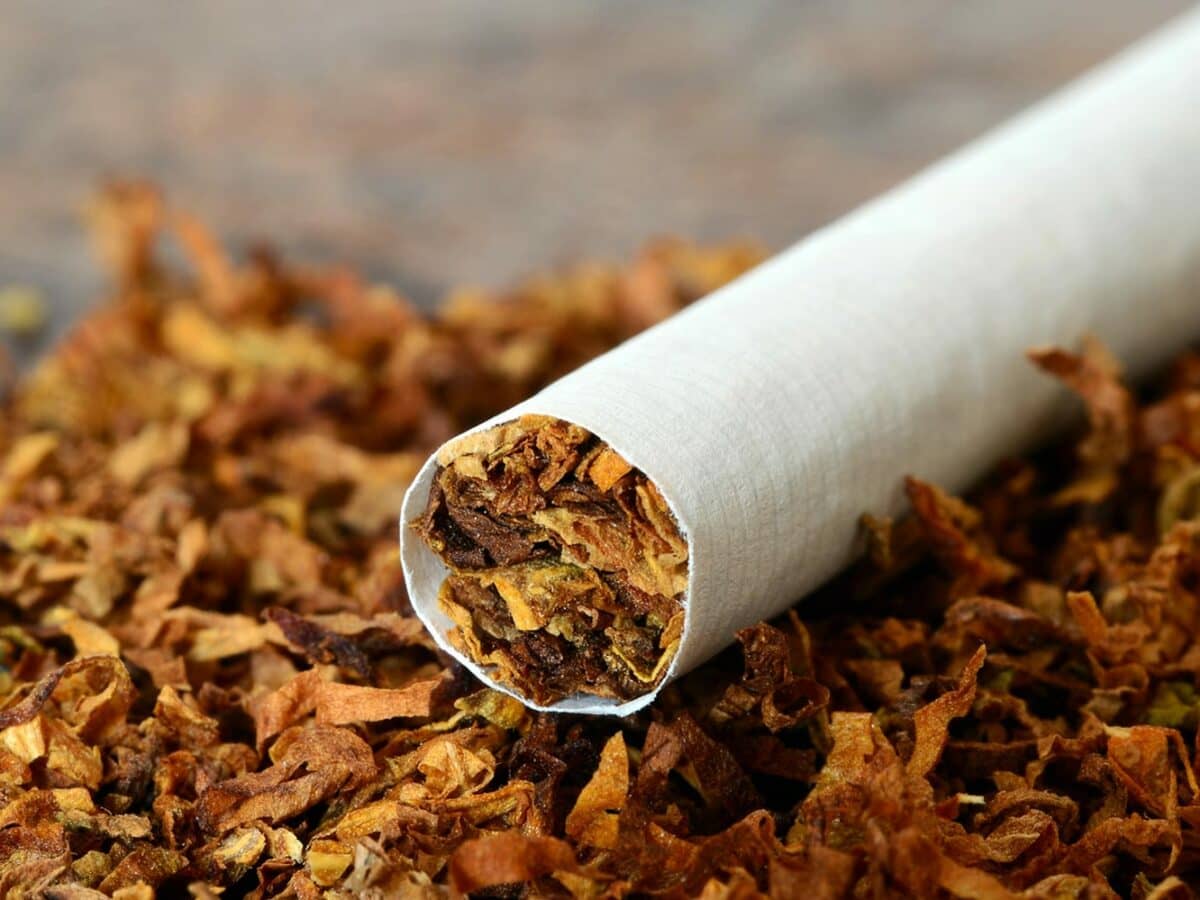
Officials briefed members about major raw materials imported by tobacco companies. The committee was told that around 20,002 metric tons of acetate tow had been imported. Around 97 percent of this quantity was reportedly used by two major companies, while the remaining 3 percent was linked to other companies.

Officials also reported the import of around 15,639 metric tons of tobacco paper. Of this amount, around 10,840 metric tons was imported by Pakistan Tobacco Company, while Philip Morris imported around 3,118 metric tons. Other companies imported the remaining quantity.

The committee was also told that around 533 metric tons of filter rods had been imported. Two major companies accounted for around 96 percent of this quantity, while other companies accounted for the remaining 4 percent. According to the briefing, Pakistan Tobacco Company and Philip Morris together accounted for around 94 percent of imported material consumed by the tobacco industry.

Local companies accounted for the remaining 6 percent. The Chair expressed concern that government departments had still failed to provide complete and combined information to the committee. Officials informed the committee that Pakistan Tobacco Company and Philip Morris did not fall under the jurisdiction of RTO Peshawar.

Pakistan Tobacco Company was under LTU Islamabad, while Philip Morris was under LTU Karachi. The committee directed the concerned tax offices to provide full details of taxes collected and imported material linked to both companies. The committee was also informed that four illegal cigarette manufacturing companies operating in Khyber Pakhtunkhwa had recently been sealed.

Authorities were directed to provide full details of all companies operating under RTO Peshawar. The convener also asked officials to provide the formula used to calculate taxes on cigarettes. Senator Bilal raised concerns that Balochistan was still not receiving enough industrial development.

He also complained that legal goods were sometimes being treated as smuggled items even when borders in Balochistan were sealed. Another controversy emerged over conflicting figures related to people arrested in theft cases. One briefing told the committee that 22 people were involved and 11 had been arrested.

However, the Inspector General of the National Highways and Motorway Police also reported that 11 people had been apprehended. The committee sought clarification over the figures and demanded one accurate and complete position. Members expressed serious concern over what they described as a misleading statement made before the committee.

The committee directed that a letter be sent to the Ministry of Communications and ordered that the matter also be referred to the Privileges Committee. The FBR representative told members that the department had taken several steps to control tax exemption abuse, smuggling and other illegal practices.
Similar Posts

  • | |

    110 stranded Pakistani students return from Afghan…

    Another group of 110 Pakistani students has safely returned from Afghanistan through the Torkham border crossing following efforts to facilitate the repatriation of citizens affected by tensions between Pakistan and Afghanistan. According to border security officials, the students were brought back as part of ongoing arrangements to ensure the safe return of Pakistanis who had remained stranded across the border. Earlier, around 70 Pakistani students were also repatriated through the same crossing about a month ago. Authorities said the latest return reflects continued coordination between officials on both sides of the border to ease the movement of stranded individuals. The repatriation process was carried out smoothly under agreed arrangements aimed at addressing humanitarian concerns. In addition to the return of students, authorities also permitted 592 Pakistani cargo trucks to re-enter the country through the Torkham border. The move is expected to provide relief to transporters and traders whose commercial activities had been disrupted due to restrictions at the border. Border officials said the phased return of students and commercial vehicles was made possible through coordinated efforts involving diplomatic representatives, border security authorities from both countries and local facilitators working to improve cross-border movement.

  • | |

    Mir Raza exhumation halted over medical board row

    The exhumation of Mir Ali Raza’s body has been postponed for Friday, his father’s lawyer Jibran Nasir said. Nasir spoke to the media and raised serious concerns over the medical board formed for the case. He said a third notification regarding the medical board had been issued. According to Nasir, the first and second medical boards were merged to form a new third board. However, he said the family does not accept the latest notification. He said Mir Raza’s parents had already recorded their statements before the investigating officer. Nasir said the family would not allow the exhumation to take place under the supervision of what he called a disputed medical board. He described the exhumation as a sensitive legal process. He said the court had directed the police surgeon and police to take necessary action. A medical team was formed after the court’s directions. However, Nasir alleged that the medical board was changed overnight. He said the sudden change had raised serious questions for the family. He questioned why doctors from Karachi were not included in the new board. He also questioned the removal of doctors who had been part of the earlier medical board. Nasir asked why a new board was formed without first withdrawing the previous notification. He also questioned why the new notification was issued during the night. He questioned the role of the Director General Health in Hyderabad. He asked under which law the official became the supervising officer of the medical board. Nasir also questioned how the orders of the Karachi police surgeon were superseded. He asked which order of the health secretary was referred to in the letter issued from Hyderabad. He said the family would not accept any alternative arrangement. They would only recognize the previously constituted eight-member medical board. Nasir also raised questions about the investigation into Mir Raza’s death. He said the investigating officer could not recover a bullet casing for eight days. According to him, the casing was recovered only after the family approached the court. He questioned how important the casing could be without the recovery of the pistol allegedly used in the incident. Nasir also alleged that the investigating officer had not properly inspected Mir Raza’s room. He said the family had lost a young member and wanted the case to be investigated with complete seriousness. He stressed that an exhumation was not an ordinary procedure. Meanwhile, preparations for the exhumation had been completed at the PECHS cemetery in Karachi. A police team had also reached the cemetery.

  • | |

    Pakistan ranks fifth globally in viral Hepatitis b…

    Pakistan has been ranked among the countries with the highest number of viral hepatitis cases worldwide, with the country standing fifth globally in total hepatitis burden, according to the Pakistan Medical Association (PMA). The warning was issued on the occasion of World Hepatitis Day, highlighting the growing public health challenge caused by hepatitis B and C infections. PMA Secretary General Dr Abdul Ghafoor Shoro said Pakistan has one of the world’s largest burdens of Hepatitis C Virus (HCV), with around 10 million people suffering from chronic Hepatitis C. In addition, an estimated 3.8 million people are living with chronic Hepatitis B (HBV), bringing the total number of people affected by viral hepatitis in the country to approximately 13.8 million. According to the PMA, Pakistan’s hepatitis burden is higher than many countries and is exceeded only by China, India, Indonesia, and Nigeria. The national prevalence rate of Hepatitis C is estimated between 4.8 and 7.5 percent, while Hepatitis B affects around 1.1 to 1.7 percent of the population. Health experts warned that untreated hepatitis can lead to serious complications, including liver cirrhosis and liver cancer, which collectively claim more than 37,000 lives in Pakistan every year. Dr Shoro stated that Pakistan contributes a significant share of new global Hepatitis C infections due to unsafe medical practices. He highlighted that thousands of new infections occur annually because of the reuse of unsterilized syringes, unsafe medical equipment, and unscreened blood transfusions. Other major causes of hepatitis transmission include unsafe surgical procedures, dental treatments, tattooing, body piercing, shaving with contaminated razors at barber shops, and practices carried out by unqualified healthcare providers. Low coverage of the mandatory Hepatitis B birth-dose vaccine has also remained a concern. President Asif Ali Zardari said hepatitis remains one of the country’s most serious public health challenges but emphasized that it can be prevented and treated through early detection, timely medical care, and collective efforts. He stressed the need for strict regulation of unsafe healthcare practices and awareness campaigns to protect citizens. National Assembly Speaker Sardar Ayaz Sadiq also highlighted the importance of prevention, early diagnosis, and access to quality treatment. He said strengthening the healthcare system and improving public awareness are essential steps toward reducing the disease burden. Health authorities and public representatives called for greater cooperation between government institutions, healthcare providers, and communities to control hepatitis transmission and improve treatment access across Pakistan.

  • |

    Gold price in Pakistan rises by Rs1,700 per tola

    Gold prices moved higher across Pakistan on Monday, tracking an upward trend in the international bullion market, according to the latest rates issued by the All-Pakistan Gems and Jewellers Sarafa Association (APGJSA). The price of 24-karat gold per tola increased by Rs1,700, taking the new rate to Rs428,436. The recovery comes after a sharp decline recorded in the previous trading session, when the precious metal had fallen by Rs3,700 per tola to settle at Rs426,736 on Saturday. The price of 10 grams of 24-karat gold also witnessed an increase, climbing by Rs1,457 to reach Rs367,314 in local markets. Market analysts said the rise in domestic gold prices reflects the positive movement in global bullion markets, where investor demand strengthened amid ongoing uncertainty surrounding the global economic outlook and expectations regarding interest rate policies. In the international market, the price of gold gained $17 per ounce, pushing the bullion rate to $4,060 per ounce, including a premium of $20. The increase in global prices was mirrored in Pakistan’s local market, where gold rates are largely influenced by international trends and fluctuations in the value of the Pakistani rupee against the US dollar. Meanwhile, silver prices also registered a notable increase. The price of silver per tola rose by Rs54, reaching Rs6,291 in the domestic market.

  • | | |

    Imran Khan marks three years in jail

    Former prime Minister Imran Khan has completed three years in prison after his arrest in the Toshakhana case. He was taken into custody on August 5, 2023, shortly after a court convicted him in the case. Following his arrest, he was shifted from his residence in Zaman Park, Lahore, to District Jail Attock under strict security arrangements. Imran Khan remained at Attock Jail for one month and 21 days. During that period, security around the prison was tightened, while legal proceedings related to multiple cases against him continued in different courts. On September 26, 2023, the Islamabad High Court ordered his transfer from Attock Jail to Adiala Jail in Rawalpindi. Since then, he has remained detained at the facility, where he continues to face legal proceedings in several cases. Under the Pakistan Prison Rules, the former prime minister has been provided better-class facilities because of his status as a former head of government. He is being housed in a separate compound consisting of seven cells inside Adiala Jail. The designated area is secured and managed in accordance with prison regulations. During his three years in custody, Imran Khan has reportedly faced a number of health-related issues, including physical complications that have required medical attention from time to time. His legal team has on several occasions raised concerns about his health and requested appropriate medical care, while prison authorities have maintained that medical facilities are being provided in line with the law. Despite remaining behind bars, Imran Khan continues to be a central figure in Pakistan’s political landscape. Court hearings in various cases involving the former prime minister are ongoing, while his party, Pakistan Tehreek-e-Insaf (PTI), continues to pursue legal and political efforts regarding his release.

  • | |

    Injection marks found on woman who died at Lahore …

    Medical board sources have revealed that injection marks were found on the arm and wrist of one of the two women who died at Township Police Station in Lahore. According to sources, around three and a half hours passed between the time the women were brought to the police station and their deaths. The sources said there was no significant difference in the post-mortem reports of the two women. The exact cause of death, however, has not yet been established. Police sources said the two women were not searched after being brought to the police station. They added that no female police personnel were present when the women were brought to the station. According to sources, both women were brought to the police station following a call made to emergency helpline 15. They reportedly remained seated near the station’s muharrir for around two hours. The muharrir was preparing to send the women to the female lock-up when the situation changed, sources said. Police officials said a case had been registered and the women were subsequently handed over to the investigation wing. They were reportedly being prepared for transfer to jail when both women collapsed. Sources further said there was no CCTV camera installed in the room of the investigation wing where the women were present. Police said female officers assigned to the station were deployed on duty at Data Darbar at the time. Officials maintained that women are searched before being placed in the female lock-up. Meanwhile, medical experts have suggested that the women may have died after consuming or being given a poisonous substance. Experts said the actual cause of death can be determined through forensic examination of samples collected during the investigation. The deaths have raised questions about the circumstances in which the women died while in police custody. Authorities are expected to rely on forensic evidence, post-mortem findings and other available evidence to establish the exact cause of death.

Leave a Reply

Your email address will not be published. Required fields are marked *