powerful quake kills
|

Powerful 7.7 quake kills 20 in Indonesia

At least 20 people have been killed after a powerful 7.7-magnitude earthquake struck Indonesia’s Flores Island early Saturday, triggering widespread panic, building damage and a series of strong aftershocks.

The earthquake struck shortly before 5am local time at a depth of about 15 kilometres, according to Indonesia’s meteorological and geophysics authorities. The relatively shallow depth increased the potential for severe damage across affected areas.

Indonesia’s disaster management authorities said several people were injured, with the figures still considered preliminary as rescue teams continue searching damaged buildings and assessing casualties.

The strongest aftershocks included a 6.1-magnitude tremor, forcing residents to remain outdoors because of fears that weakened structures could collapse.

Dramatic scenes were reported at the port of Maumere, where sections of a terminal building broke apart during the earthquake. A gangway leading to a ferry also collapsed, sending some passengers into the sea as people attempted to escape.

East Nusa Tenggara Governor Emanuel Melkiades Laka Lena said some victims were killed while sleeping after rubble from collapsing structures fell on them.

Residents described the earthquake as extremely frightening. People rushed out of their homes and moved towards safer areas, with many heading to higher ground after authorities issued a tsunami warning.

The tsunami alert was later lifted about three hours after the earthquake when no significant rise in sea levels was detected. Authorities said around 2,000 people evacuated or moved to safer locations on their own during the warning.

Officials reported fatalities in several provinces, including Sikka, Manggarai and East Manggarai. At least two people were seriously injured while 11 others suffered minor injuries.

The earthquake also caused extensive structural damage. Initial assessments indicated that dozens of houses had been severely damaged along with healthcare facilities, places of worship, government buildings, an educational institution and a warehouse.

Manggarai was identified as one of the worst-affected areas. Rescue and assessment teams are continuing to work in the region, although difficult mountainous terrain could make operations challenging.

Authorities have urged residents to remain calm, avoid coastal areas and stay away from buildings that have been damaged or weakened by the earthquake and aftershocks.

Similar Posts

  • The US-brokered security framework between Lebanon and Israel

    In a historic geopolitical turn of events, representatives from Lebanon and Israel signed a milestone, United States-brokered framework agreement in Washington. The landmark accord aims to establish a structured pathway toward ending ongoing armed conflict, restoring territorial integrity, and enforcing a lasting cessation of hostilities across their shared southern border. While diplomats have hailed the deal as an unprecedented step forward for regional stability, it has simultaneously ignited fierce domestic political debates and public outcry over sovereignty, security, and national defense. Negotiated over several rounds of high-level talks overseen by American officials, the framework establishes a phased operational roadmap designed to reshape the security dynamic along the border. The Israeli Defense Forces (IDF) are slated to progressively pull back from designated areas in southern Lebanon. Initial security sectors, known as pilot zones, will be created where control is formally transferred to standard state forces. Units from the Lebanese Armed Forces (LAF) will assume exclusive security responsibilities in these cleared zones, asserting the government’s monopoly on weapons and defense operations. Under international oversight, the Lebanese government commits to consolidating armed power under state institutions and overseeing the eventual dismantling of non-state armed infrastructure, specifically targeting Hezbollah’s military apparatus. Despite the diplomatic milestone celebrated in Washington, the agreement has met intense polarization within Lebanon. Opponents and vocal social commentators accuse the state leadership of capitulating to foreign pressure, arguing that making Israeli withdrawal contingent upon the disarming of local resistance groups compromises national defense while Israeli troops remain stationed on Lebanese territory. Critics assert that such concessions disproportionately favor foreign security interests at the expense of displaced southern residents who have borne the brunt of military strikes and displacement. Conversely, supporters of the Lebanese central authority emphasize that the country cannot endure perpetual conflict and economic paralysis. Proponents argue that reclaiming exclusive state sovereignty over military decisions is essential for securing international financial assistance, starting the rebuilding of devastated infrastructure, and allowing hundreds of thousands of displaced civilians to safely return to their homes in the south. Beyond the immediate security perimeter, the framework signals a broader effort by international mediators to reconfigure security structures in the Levant. By tying economic revitalization and diplomatic normalization to strict military compliance, Western nations hope to dismantle non-state proxy networks and prevent wider regional war spillover. However, significant hurdles remain. The execution of the agreement depends heavily on whether the Lebanese military possesses sufficient operational capability and political backing to execute its mandate without sparking internal civil strife. Furthermore, continuous monitoring mechanisms led by international entities will be critical to verify that both parties adhere to the standstill terms and avoid accidental escalations during the delicate troop transition phases. As diplomatic delegations prepare for follow-up implementation rounds, the coming months will test whether this framework represents a genuine turning point toward lasting peace or merely a brief intermission in a long-standing regional feud.  

  • | |

    India approves first dengue vaccine

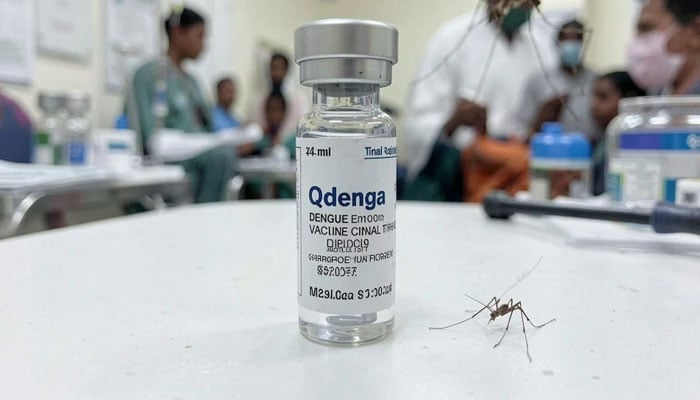
    India has approved the use of its first dengue vaccine, marking a significant step in the country’s efforts to tackle a disease that affects millions of people each year. According to India’s Ministry of Health, authorities approved the Japanese pharmaceutical company Takeda’s dengue vaccine, Qdenga, on July 21. The Central Drugs Standard Control Organisation (CDSCO) has cleared the vaccine for people between the ages of 4 and 60. Health officials say the vaccine could help protect children, teenagers, and adults from dengue, a mosquito-borne viral infection that can sometimes develop into a severe and potentially life-threatening illness. The vaccination schedule consists of two doses administered three months apart. Takeda developed the vaccine in partnership with Indian pharmaceutical company Biological E, which is working with the Japanese firm to support its production in India. According to media reports, Qdenga offers protection against all four major dengue virus serotypes. Regulators in 42 countries have already approved the vaccine, while more than 24 million doses have reportedly been administered worldwide. So far, health authorities have not identified any major safety concerns linked to its use. The approval comes as India continues to face a substantial dengue burden. More than one million dengue cases have reportedly been recorded across the country since 2021, with around 1,500 deaths linked to the disease during the same period. Dengue spreads primarily through the bite of infected Aedes mosquitoes and remains a major public health concern in tropical and subtropical regions. India’s approval of Qdenga could provide health authorities with another tool to reduce the impact of dengue, particularly during periods when mosquito populations rise and infections increase.

  • |

    Chinese teenager temporarily loses hearing   

    A Chinese teenager temporarily lost his hearing after spending four hours listening closely to the loud buzzing sounds of cicadas during a camping trip. The unusual incident highlights that although natural sounds are generally considered harmless, prolonged exposure to certain sounds in nature can sometimes affect human health. The 18-year-old teenager, identified by his surname Wang, was camping in a forest in Ningbo, Zhejiang Province, China, when he began listening to the continuous sounds of hundreds of cicadas. The insects, which are known for their loud and distinctive calls, continued making noise for several hours. Wang noticed that the sound of the cicadas became particularly loud around noon. Despite this, he remained in the forest until the evening. After spending several hours exposed to the loud buzzing, he began experiencing ringing in his ears. He also felt that his ears were blocked or unusually full. As the cicadas gradually became quieter toward the evening, Wang realized that something was wrong with his hearing. He could no longer hear the sounds of birds singing around him, and he was unable to hear notification sounds from his mobile phone. Concerned that he might have suffered permanent hearing loss, he immediately went to a hospital for medical attention. Doctors at the hospital examined both of Wang’s ears and found signs of swelling. He was given medication and advised to stay away from loud noises for at least 14 days. Fortunately, his condition improved with treatment and rest. After approximately two weeks, Wang’s hearing returned to normal. Senior ENT specialist Dr. Li Jie from the hospital affiliated with Ningbo University No. 1 Hospital explained that many people mistakenly believe sounds produced by nature cannot harm the ears. According to him, natural sounds can also become harmful when people are exposed to them at high levels or for extended periods. Cicadas are considered among the noisiest insects in the world. However, a single cicada normally does not pose a serious threat to human hearing because its sound rarely exceeds 70 decibels. The situation can be different when hundreds or even thousands of cicadas call at the same time. A large group of cicadas can collectively produce sound levels exceeding 85 decibels. Exposure to sounds at or above this level for extended periods can increase the risk of hearing damage. The risk becomes greater when the exposure continues for several hours without adequate breaks. Wang’s experience serves as a reminder that people should not assume every natural sound is automatically safe. Whether the sound comes from insects, animals, machinery, music or other sources, prolonged exposure to loud noise can place significant stress on the ears. Experts generally recommend moving away from extremely loud environments, taking regular breaks from noise and seeking medical attention if symptoms such as persistent ringing, blocked ears or sudden hearing loss occur. In Wang’s case, timely medical treatment and avoiding loud sounds helped him recover fully. The incident also demonstrates the importance of protecting hearing during outdoor activities. While camping and spending time in nature can be enjoyable and relaxing, people should remain aware of their surroundings and avoid prolonged exposure to unusually loud sounds.

  • |

    Iqra Aziz and Fawad Khan’s film pairing sparks mixed reactions

    Pakistani actors Iqra Aziz and Fawad Khan are set to share the screen in an upcoming feature film, marking one of the most talked-about new collaborations in the entertainment industry. While many fans are excited to see two of the country’s biggest stars working together, the announcement has also triggered mixed reactions across social media. Iqra Aziz has built a successful career with memorable performances in popular television dramas, earning praise for her versatility and natural acting style. Over the years, she has delivered several hit projects that established her as one of Pakistan’s leading actresses. Fawad Khan, meanwhile, remains one of the industry’s most celebrated stars, admired for his performances in iconic television dramas as well as his work in films at home and abroad. The actors are expected to appear together in a feature film backed by the Sindh government. The project will reportedly be produced by Maida Azmat and directed by Murtaza Chaudhry. Although details about the storyline and the characters have not yet been officially revealed, the casting announcement has generated considerable interest among fans. In addition to the film, both Iqra Aziz and Fawad Khan are also part of the upcoming Netflix original series Jo Bachay Hain Sang Samait Lo, which has already attracted attention for bringing together several well-known Pakistani actors in a global production. Soon after news of their film collaboration surfaced, social media platforms were flooded with reactions. While many users welcomed the fresh pairing and expressed curiosity about seeing the two actors together, others questioned whether they would look convincing as an on-screen couple. A large number of comments focused on the age difference between the actors. Some users felt that the gap could affect their on-screen chemistry, with a few suggesting they might appear more like family members than romantic leads. Others argued that casting should prioritize visual compatibility alongside acting talent. Some social media users also commented on Iqra Aziz’s petite appearance, claiming that she might not complement Fawad Khan’s screen presence in a romantic role. However, many fans defended the actress, pointing out that her acting abilities should be the primary factor in judging the project rather than physical appearance or height. Several viewers also proposed alternative actresses whom they believed would have suited the role alongside Fawad Khan. Names such as Maya Ali and Saba Qamar were frequently mentioned in online discussions, with fans sharing different opinions about possible casting choices. Despite the criticism, many entertainment fans urged others to wait until the film’s trailer or official promotional material is released before forming conclusions. They argued that successful on-screen chemistry depends on performances, direction, and storytelling rather than assumptions based on photographs or casting announcements alone. As anticipation continues to grow, audiences are now waiting for more details about the film, including its title, storyline, release schedule, and the roles that Iqra Aziz and Fawad Khan will portray. Whether the pairing wins over skeptics or continues to divide opinion, the project has already become one of the most discussed upcoming releases in Pakistan’s entertainment industry.

  • |

    Trump jokes about ICC as US steps up campaign against the court

    US President Donald Trump joked on Friday that he has not become a target of the International Criminal Court, making the remarks as his administration continues a diplomatic campaign against the Hague based institution and encourages member states to withdraw from it. Speaking during a cabinet meeting at the Camp David presidential retreat, Trump interrupted Secretary of State Marco Rubio while he was explaining the administration’s opposition to the court. Trump joked that there was no indication the ICC was pursuing him but added that it “could happen,” prompting laughter from those in attendance. The president then said Rubio was not trying to defend him but was instead supporting Israeli Prime Minister Benjamin Netanyahu, who is the subject of an arrest warrant issued by the ICC in 2024. Trump referred to the Israeli leader by his commonly used nickname, Bibi. The comments came as the United States continues to increase pressure on the International Criminal Court. In July, Washington launched a broad diplomatic effort aimed at weakening support for the institution. The campaign includes plans for additional sanctions against the court and calls on member countries to leave the organisation. Relations between the Trump administration and the ICC have remained tense. The United States has already imposed sanctions on several judges linked to the court, accusing it of overstepping its authority and threatening American interests. The International Criminal Court was established in 2002 to investigate and prosecute individuals accused of genocide, war crimes, crimes against humanity and other serious international offences when national legal systems are unwilling or unable to take action. Rubio repeated the administration’s criticism of the court during Friday’s meeting, describing it as an illegitimate international organisation. He said the United States had previously attempted to encourage reforms but claimed those efforts had failed. According to Rubio, the administration has now shifted its focus to reducing the court’s influence and encouraging more countries to reconsider their membership. He also said that five countries had either withdrawn from the ICC or announced plans to do so, adding that Washington hopes additional nations will follow the same path. Chad and Venezuela have recently declared their intention to leave the court. Neither the United States nor Israel is a member of the ICC. Both countries are not parties to the Rome Statute, the international treaty that created the court. Despite that, the ICC has continued to investigate cases involving several global conflicts, leading to repeated disagreements with governments that reject its jurisdiction. The latest remarks from Trump and Rubio underline the administration’s determination to challenge the authority of the International Criminal Court and strengthen its campaign against an institution it says exceeds its legal mandate.

  • | |

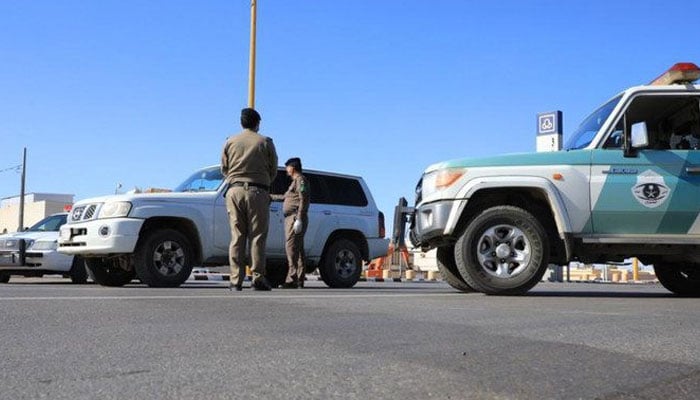
    Saudi Arabia arrests suspects in major corruption cases

    Saudi Arabia’s Oversight and Anti-Corruption Authority, known as Nazaha, has launched a series of investigations into alleged bribery, abuse of authority, and other corruption-related offenses, leading to the arrest of several government employees, businesspeople, and foreign nationals. According to officials, authorities arrested a businessman who allegedly offered a bribe of **1.6 million Saudi riyals** to secure the illegal clearance of two containers. In a separate case, investigators arrested an employee accused of accepting **200,000 riyals** in exchange for favors. Nazaha also reported action against an employee of the **Ministry of Health**, who allegedly received **900,000 riyals** in return for illegally awarding government projects. Authorities also arrested a person linked to a **Ministry of Energy project** for allegedly accepting a 200,000-riyal bribe. The anti-corruption agency further said that authorities arrested a former passport official over allegations of receiving **60,500 riyals** in bribes. A customs employee also faced arrest after investigators accused the official of accepting **55,000 riyals** in exchange for facilitating unlawful activities. Nazaha said its investigations also covered employees working in municipal bodies and other government institutions, along with several individuals involved in suspected corruption schemes. The authority continues to investigate the cases and has stressed that it will take legal action against anyone found involved in bribery, misuse of public office, or violations of government regulations. The latest arrests reflect Saudi Arabia’s ongoing efforts to strengthen oversight, protect public funds, and hold officials and private individuals accountable for corruption.

Leave a Reply

Your email address will not be published. Required fields are marked *