pti questions imran
| |

PTI questions Imran Khan’s transfer to Pims

ISLAMABAD: Opposition leaders have raised serious questions over the decision to take former prime minister and PTI founder Imran Khan to the Pakistan Institute of Medical Sciences (Pims) instead of Shifa International Hospital.

The issue has created a fresh political dispute between the government and the Pakistan Tehreek-e-Insaf (PTI).

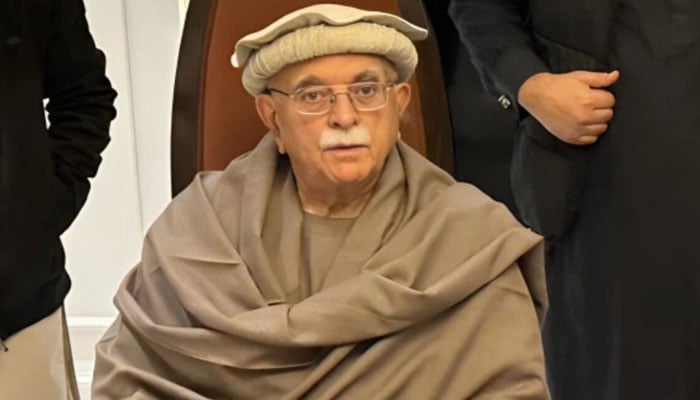
Speaking in the National Assembly, senior politician and Pashtunkhwa Milli Awami Party Chairman Mahmood Khan Achakzai said a positive atmosphere had developed after reports emerged that Imran would be taken to hospital.

Achakzai said people across Pakistan were happy to hear that Imran was being taken to hospital for a medical examination.

He said his party had instructed its workers not to go to any hospital. The decision was aimed at avoiding any situation that could create security problems, he added.

Achakzai also claimed that Imran’s sisters were stopped at Shifa International Hospital. He said the development had caused concern among people across the country.

He questioned why the situation changed after an apparently positive atmosphere had developed.

Meanwhile, PTI Chairman Barrister Gohar Khan strongly criticised the decision to take Imran to Pims.

Speaking to reporters in Islamabad, Gohar said the party had not expected Imran to be taken to another hospital.

He also expressed concern over the lack of clear information about the former prime minister’s medical examination.

Gohar claimed that the Supreme Court’s order had not been implemented. He said the court’s directive was clear and contained no ambiguity.

According to Gohar, failure to implement a clear judicial order was unfortunate.

He questioned how democracy could function if court orders could not be implemented.

“If implementing a court order is difficult, then how will democracy function?” he asked.

Gohar also said political negotiations could not take place under such circumstances. He maintained that democracy required institutions and political actors to respect the law and judicial decisions.

Despite his criticism, the PTI chairman said his party remained committed to negotiations.

He said the PTI wanted political disputes to be resolved through dialogue. He added that efforts in this regard would continue.

The controversy follows Information Minister Attaullah Tarar’s statement about Imran’s medical examination.

Tarar said Imran was examined at Pims rather than Shifa International Hospital. He said doctors from Shifa were also present during the medical examination.

The government has maintained that security concerns led authorities to take Imran to Pims.

The issue has now become a new point of confrontation between the government and PTI.

The PTI is questioning the decision to change the hospital and the implementation of the Supreme Court’s directive. The government, meanwhile, is defending the move on security and medical grounds.

Similar Posts

  • |

    Textile industry urges govt to end transport strike, warns of export disruptions

    ISLAMABAD: Pakistan’s textile industry has called on the government to take immediate measures to resolve the ongoing goods transporters’ strike, warning that a prolonged suspension of freight services could disrupt export shipments, restrict the supply of cotton and affect the operations of textile mills across the country. The All Pakistan Textile Mills Association (APTMA) has formally approached Federal Minister for Communications Abdul Aleem Khan, seeking urgent government intervention to restore the movement of goods and industrial cargo. According to the association, the All Pakistan Goods Transport Ittehad began an indefinite strike on August 8, creating significant logistical challenges for export-oriented industries, particularly the textile sector. APTMA Chairman Kamran Arshad said the strike had severely affected the availability of vehicles and containers required for transporting textile-related cargo. Export consignments awaiting shipment, imported cotton arriving through ports and locally purchased cotton being transported from markets to textile mills have all been affected by the disruption. The association said the lack of transportation was creating difficulties at multiple stages of the textile supply chain. Export containers cannot be moved efficiently, while imported raw materials face delays in reaching manufacturing facilities. At the same time, locally sourced cotton is also experiencing transportation constraints. APTMA cautioned that the timing of the strike was particularly concerning because cotton inventories at textile mills were already at relatively low levels following the end of the cotton season. Any prolonged interruption in the movement of cotton, it said, could eventually affect manufacturing activity as mills depend on a steady supply of raw materials to maintain production. The association warned that a slowdown in textile production could have broader economic consequences, including delays in export orders, disruption to employment and reduced foreign exchange earnings. Pakistan’s textile sector remains one of the country’s most important export-oriented industries, generating a significant share of the country’s foreign exchange through shipments of garments, textiles, yarn, fabrics and other related products. Industry-wide logistical problems could therefore have repercussions beyond individual mills and exporters. APTMA noted that the textile industry had faced similar transportation disruptions in the past, resulting in delays in export consignments, additional financial costs and interruptions to factory operations. The association stressed that cargo movement is an essential component of export activity and that any prolonged blockage could make it more difficult for exporters to meet delivery schedules agreed with international buyers. It urged the Communications Ministry to facilitate the immediate movement of essential industrial cargo while efforts continue to settle the dispute between transporters and the government. APTMA specifically called for priority arrangements for export containers, imported cotton and other raw materials, as well as locally procured cotton destined for textile mills. The association maintained that ensuring uninterrupted logistics was essential not only for the textile industry but also for protecting Pakistan’s export commitments and broader economic activity. APTMA has consequently appealed to the government to intervene on an urgent basis and establish arrangements that would allow the movement of critical industrial and export cargo until the transporters’ strike is brought to an end.

  • |

    High-level flooding hits head Qadirabad in the Chenab River

    Following flooding at Head Marala and Khanki, a high-level flood has also occurred at Head Qadirabad in the Chenab River. According to the Flood Forecasting Division in Lahore, the water inflow at Head Qadirabad has risen to 236,000 cusecs. Meanwhile, Head Balloki on the Ravi River is experiencing moderate flooding as water flow has increased to 73,635 cusecs. Low-level flooding continues at Nowshera along the Kabul River, as well as at Kalabagh and Chashma Barrage on the Indus River. In Balochistan’s Sibi Division, high-level flooding was recorded at Hedgogi in the Lehri River, with water flow reaching 95,913 cusecs. The flood situation escalated after India released a large volume of water towards Pakistan following heavy rainfall in occupied Kashmir. The water release has created a risk of major flooding, prompting authorities to issue a high alert for regions including Sialkot and Wazirabad. In a related incident, rescue officials successfully saved five individuals who became stranded in the Chenab River in Sialkot. The workers were returning from work when their boat broke down mid-transit.

  • | | |

    AJK fully prepared for polls as Mirpur voting begi…

    MUZAFFARABAD, July 26: Azad Jammu and Kashmir (AJK) authorities have completed preparations for the first phase of the general elections, with polling scheduled to begin in the Mirpur division on Monday. AJK Chief Secretary Khushal Khan said all necessary arrangements had been finalised for the elections. He assured voters that the process would be conducted peacefully, transparently and fairly. Speaking at a joint press conference with Election Commission Secretary Raja Mohammad Shakeel Khan, the chief secretary said the formal election process would begin on July 27 in accordance with the Constitution. He said polling material had already been sent to returning officers and all state institutions were ready to perform their responsibilities during the elections. Around 17,000 security personnel have been deployed to maintain peace during polling. Police contingents from all four provinces will also assist AJK Police with security arrangements. Khushal warned that strict legal action would be taken against anyone attempting to disturb law and order or interfere with the electoral process. Authorities are also monitoring social media activity ahead of polling. The chief secretary said action would be taken against individuals involved in spreading misleading propaganda aimed at creating confusion or disrupting the elections. Election Commission Secretary Raja Mohammad Shakeel Khan said preparations for the first phase in Mirpur division had been completed. Polling material has already been delivered to the relevant polling stations. Around 22,000 election staff have been assigned duties for the voting process. Khan said election personnel had received training to ensure that polling is conducted efficiently and transparently. He said the chief election commissioner recently visited Mirpur and expressed satisfaction with the arrangements. Police, Rangers and the Federal Constabulary have also been placed on high alert. Security officials will remain deployed to protect polling stations and voters. Khan urged citizens to participate in the elections. He described voting as one of the most important democratic rights available to the public. He also warned voters about misleading material circulating online. According to him, old videos related to election boycotts were being reshared on social media to create confusion. The election official said no major untoward incident had been reported during the campaign. He added that political parties and candidates had accepted the election code of conduct. He urged voters to ignore rumours and uncertainty and cast their votes for their preferred candidates. The first phase of the AJK general elections will be held across Mirpur division on July 27. The AJK Information Department has separately urged media organisations and journalists to exercise extra caution during election coverage. It asked them to publish only verified and balanced information, particularly during polling, counting and the announcement of results. The department also warned against sharing unverified material that could create panic, confuse voters or affect public order during the sensitive election period.

  • |

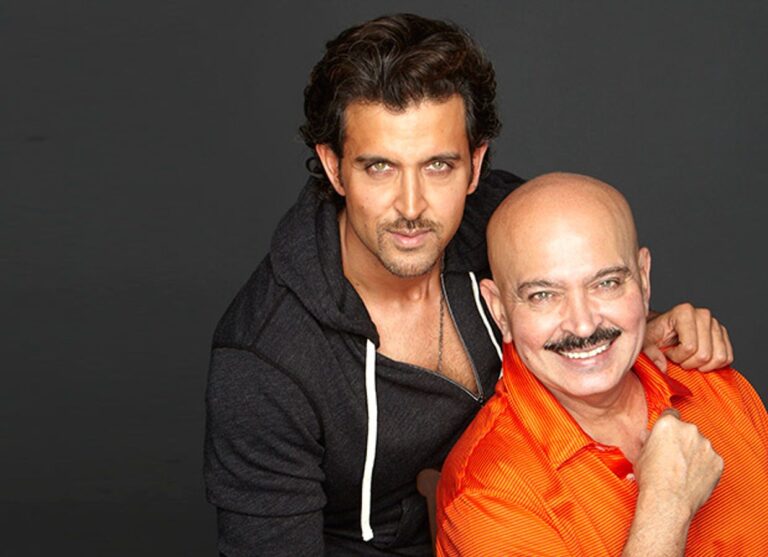
    Hrithik Roshan recalls father’s financial crisis after Koyla setback

    Bollywood actor Hrithik Roshan has opened up about one of the most emotional periods in his family’s life, recalling the financial difficulties his father, filmmaker Rakesh Roshan, faced following the commercial disappointment of Shah Rukh Khan’s 1997 film Koyla. The 52-year-old actor recently spoke about his father’s struggles and revealed that there was a time when Rakesh Roshan lost a significant portion of the money he had earned throughout his career. According to Hrithik, the setback was severe enough to create financial difficulties for the family and left a lasting impression on him. Recalling the difficult period, Hrithik said he still remembers a particular morning when he saw his father with tears in his eyes for the first time. The actor explained that Rakesh Roshan had told him that he had lost all the money he had earned. For Hrithik, witnessing his father in such a vulnerable state was an experience he could never forget. He described the moment as extremely emotional because he had never previously seen his father so broken and distressed. Rakesh Roshan had produced Koyla under his production banner Filmkraft Productions. The action thriller featured Shah Rukh Khan and Madhuri Dixit in the lead roles, alongside Amrish Puri, Deepa Sahi, Ashok Saraf, Johnny Lever and several other prominent actors. Released in 1997, Koyla revolved around Shankar, played by Shah Rukh Khan, a mute and loyal coal miner who works in a coal mine. The film combined action, romance and drama and was one of the major productions associated with Rakesh Roshan’s production house at the time. Despite its scale and star-studded cast, the film failed to achieve the level of commercial success that had been expected. It was reportedly made on a budget of around Rs 12 crore and earned approximately Rs 28 crore worldwide. Although the film recovered a significant amount at the box office, its overall commercial performance was considered disappointing in relation to its investment and expectations. The experience became an important chapter in Hrithik Roshan’s understanding of his father’s professional and personal journey. Years later, the actor has established himself as one of Bollywood’s leading stars, while Rakesh Roshan has continued to remain an influential filmmaker and producer. The father-son duo is now preparing to return to the superhero franchise that has been closely associated with their careers. Hrithik and Rakesh Roshan are currently involved in preparations for Krrish 4, the next installment in the popular superhero series. Hrithik’s recent recollection offers a rare glimpse into the challenges his family faced behind the glamour of Bollywood and highlights the personal impact that professional setbacks can have, even on established filmmakers.

  • | |

    Karachi traffic plan issued for 8 Rabi-ul-Awwal pr…

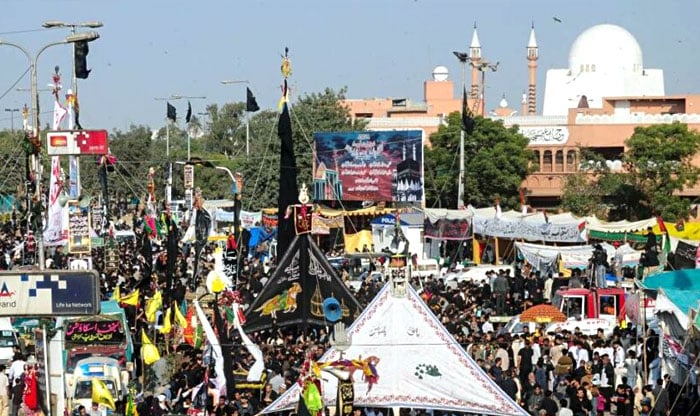
    Karachi Traffic Police have announced a special traffic management plan for processions scheduled to take place across the city on August 22 in connection with 8 Rabi-ul-Awwal. According to the traffic police spokesperson, processions will leave from Nishtar Park and several other locations in Karachi. Authorities have made special arrangements to keep traffic moving and minimize disruption along the procession routes. Traffic police said vehicle entry passes for the processions will be available from August 17 to 20. Applicants must submit the vehicle’s registration card, their CNIC, and two recent photographs to obtain a pass. Drivers must also carry the original vehicle registration card and CNIC with them during the procession. Those seeking vehicle passes can contact the designated central office for further information and registration. The traffic police will introduce alternative traffic routes and make diversions at different points during the processions. Additional personnel will also be deployed to manage traffic and guide motorists. Citizens have been advised to avoid unnecessary travel on procession routes and follow instructions from traffic police officials. Authorities have urged motorists to cooperate with traffic management teams to ensure smooth movement and reduce inconvenience for commuters across the city.

  • | |

    Sher Afzal Marwat urges government to rethink deci…

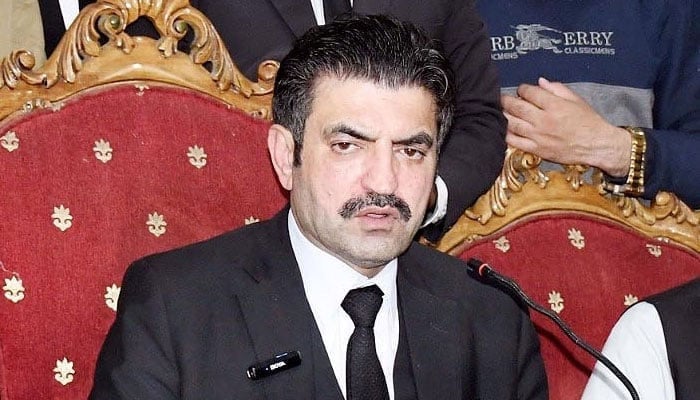
      National Assembly Member Sher Afzal Marwat has said that the government appears to be stuck on an issue that could negatively affect its public image and political standing. Marwat said the government needed to carefully consider its decisions and avoid taking positions that could ultimately damage its reputation among the public. He emphasized that decisions involving ordinary citizens, particularly matters related to healthcare, should be approached with greater understanding and consideration.   Commenting on the issue of medical treatment, Marwat said there was nothing wrong with a patient choosing to receive treatment at a private hospital at their own expense. He argued that if an individual is willing and able to pay for medical services privately, the government should not necessarily object to that choice.   According to Marwat, people should have the freedom to decide where and how they want to receive medical treatment, particularly when they are using their own resources. He suggested that restricting such choices could create unnecessary controversy and may not serve the interests of either the government or the public.   Marwat further stressed that the government must think carefully before making decisions that could have political or social consequences. He said that authorities should assess both the immediate and long-term impact of their policies instead of becoming fixated on a single issue. His comments come amid ongoing public debate over government decisions concerning healthcare and access to medical facilities. The issue has drawn attention because healthcare remains a sensitive matter for citizens, particularly those who seek timely treatment and may prefer private hospitals because of availability, facilities, or personal choice. Marwat’s remarks also highlight the broader question of how governments should balance public-sector policies with individual rights and choices. While governments have a responsibility to regulate healthcare and ensure that citizens have access to affordable and quality treatment, individuals may also want the option of using private healthcare services when they can afford them. The lawmaker maintained that the government should adopt a practical and carefully considered approach rather than allowing political disagreements to influence decisions that directly affect citizens. In his view, policies should be designed in a way that protects public interests while also respecting individual choices. He warned that continuing to remain focused on an issue without considering its wider implications could harm the government’s political standing. According to him, the government needs to recognize how its decisions are perceived by the public and make choices accordingly. Marwat’s statement reflects growing calls for greater flexibility and careful decision-making in matters that affect ordinary people. His comments suggest that governments can avoid unnecessary criticism by taking public concerns into account and ensuring that their policies remain focused on practical solutions. The National Assembly member ultimately urged the government to reconsider its approach and make decisions after carefully examining their possible consequences. He emphasized that thoughtful policymaking is essential to maintaining public confidence and avoiding decisions that could damage the government’s image. The remarks underline the importance of balancing government policy with the rights, needs, and preferences of citizens, particularly in sensitive areas such as healthcare.

Leave a Reply

Your email address will not be published. Required fields are marked *