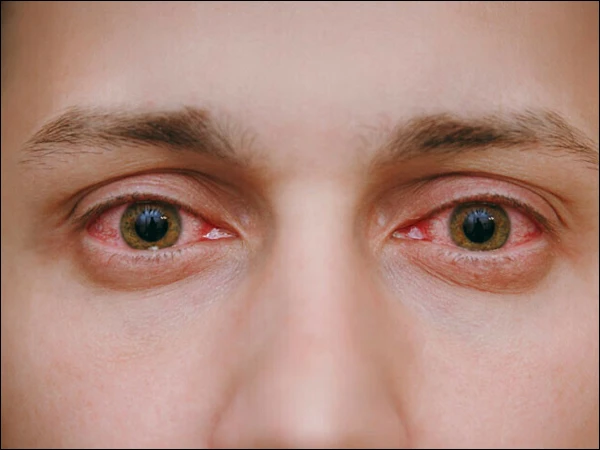
rabies still kills

Rabies still kills thousands in Pakistan

Every year millions of people in Pakistan are bitten by dogs, and thousands are believed to die from  rabies a deadly viral disease that can almost always be prevented with timely treatment.

Health experts say Pakistan still does not have a strong nationwide system to track rabies cases. Because of this around 5,000 people are estimated to lose their lives each year after being bitten by rabid dogs.

Rabies is a viral infection that attacks the brain and nervous system.  Once symptoms appear the disease is almost always fatal with a survival rate of less than 1%.

The first signs of rabies usually develop about six weeks after a bite from an infected animal.

Common symptoms include fever headache body aches a sore throat and difficulty swallowing.  As the disease progresses it becomes much more dangerous.

Children living in rural areas and on the outskirts of cities are among the most affected groups.

A study published in the international journal Acta Tropica found that the high number of rabies cases in Pakistan is linked to low public awareness delays in seeking medical care

and weak disease prevention efforts.

Health experts say that immediate medical treatment after a dog bite including wound cleaning and timely vaccination can prevent rabies.

They also welcomed the federal government’s recent in principle approval of the National Rabies Prevention and Control Framework calling it an important step toward improving rabies prevention and saving lives.

Similar Posts

  • From notebook to newsroom: what ethical journalism looks like in an AI-powered world

    By Nabiha Khalid A specific sort of discomfort falls over a newsroom when the instruments of the profession begin to surpass the ethical standards intended to regulate them. Artificial intelligence is now capable of creating text, images, and videos that are indistinguishable from genuine human creations, and the consequences of this change are far from straightforward. When a false quote can be convincingly linked to a public figure, or when a deepfake video can spread more swiftly than any correction can be issued, the very core of journalistic integrity the assumption that reported facts reflect what has truly happened faces significant pressure. This is not an imagined crisis; it is the current reality in modern media. I attened a workshop under the project titled “Digital Trust and Free Expression in the AI Era” at the Department of Media and Development Communication, University of the Punjab, supported by the U.S. Mission to Pakistan in partnership with the Pakistan-U.S. Alumni Network (PUAN) last week and we discuused in the wrodkshop that what ethical journalism requires in today’s context cannot depend solely on instinct. Verification must be a systematic process rather than something that happens by chance, involving a discipline of cross-checking, sourcing from multiple angles, and being technically adept at identifying manipulated media. Fact-checking, which used to be a background activity conducted before publication, must now be approached as a clear, continual practice that news consumers can observe and rely on. The difference between accurate reporting and unintentionally spreading misinformation often hinges on this one consistent habit of verification, applied uniformly rather than selectively. It is equally important to emphasize responsible digital storytelling, understanding that journalists do not just deliver information but are guardians of public knowledge. In an information landscape dominated by AI, the journalist’s role evolves slightly: from being the first to break news to becoming the most trustworthy source to verify it. This shift does not imply a lesser role; rather, it could very well be the most crucial aspect of journalism in the coming years. It is important to place this change in a broader historical context. Journalism has endured disruptive technologies in the past the telegraph shortened distances, the around-the-clock news cycle diminished patience, and social media altered the role of gatekeeping, enabling anyone with a smartphone to share information. Each disruption brought about its own ethical challenges, and each time, the industry persisted not by opposing the technology but by creating new standards to regulate it. Artificial intelligence is the newest and possibly the most significant example of this trend. What sets it apart from previous disruptions is the remarkable realism of synthetic content: earlier types of misinformation needed some level of narrative development, whereas AI can now generate the very evidence needed an image, a voice, a document ,Journalism has long relied on certain standards as evidence. This brings up a difficult yet essential question: can the technologies that jeopardize trust in journalism also aid in its restoration? The answer, with caution, is affirmative. News organizations are increasingly utilizing AI-assisted verification tools, reverse-image analysis, and metadata forensics to combat the misuse of these very technologies. This dual nature of AI serving both as a threat and a tool indicates that ethical journalism today necessitates a level of technical knowledge that was not mandatory a decade ago but has now become crucial. A journalist who lacks training in identifying the distinctive markers of synthetic media is, in a significant way, not adequately equipped for the current landscape. Additionally, there is a less obvious yet significant challenge to address: the imbalance between the rapid production of AI-generated content and the measured approach of ethical journalism. News organizations facing pressure to publish swiftly areparticularly prone to this disparity, making it essential that rigorous editorial standards, rather than advanced technological capabilities, serve as the key protection.No matter how advanced a detection tool may be, it cannot take the place of an organizational culture which places a priority on accuracy rather than on immediacy. The responsibility for digital trust does not fall solely on journalists. Public media literacy the ability to critically assess a viral image, to look for a second source before sharing, and to identify the emotional manipulation often present in synthetic content serves as a crucial second line of defense. In this regard, ethical journalism and an informed audience are interdependent: one cannot completely substitute for the lack of the other. The diligence of a newsroom holds little value if its audience hasn’t been prepared to recognize and demand that diligence in the first place. So, in an age when artificial intelligence is involved, ethical journalism does not call for rejecting technology; rather it involves basing the use of technology on firm principles of verification, transparency, and accountability. The future of the newsroom won’t be determined by how fast it publishes, but by the care with which it confirms the facts, and perhaps that is the most human safeguard we still have. The views, thoughts, and opinions expressed in this blog are solely those of the author and do not necessarily reflect the official policy or position of the U.S. Mission to Pakistan or USEFP/PUAN.

  • Smartwatch data may trigger anxiety

    Smartwatches have become popular health devices that can track heart rate sleep stress levels physical activity and recovery. While these features can help people understand their health better experts warn that relying too much on the numbers may lead to unnecessary anxiety. According to health experts the problem is not the smartwatch itself. The real issue begins when people trust the watch’s readings more than how they actually feel or the advice of a doctor. Nargiza Neumann Zander, founder of X Technology says health data is useful when it helps people make better choices. However it can become harmful if daily scores start controlling a person’s mood or decisions. One common sign of this is checking the smartwatch immediately after waking up instead of paying attention to how the body feels. Experts say people who naturally worry a lot try to be perfect or want to control everything are more likely to depend too much on smartwatch data.  A poor sleep score or low recovery rating may make someone think they are seriously ill even when there is no real medical problem. They also explain that smartwatch readings are based on algorithms and estimates not complete medical examinations. A low recovery score does not always mean a person is unhealthy because the human body gives many signals that wearable devices cannot fully measure. Constantly checking health data can also change people’s behavior. Normal changes such as temporary tiredness less sleep or a small increase in heart rate may be seen as signs of illness. As a result some people may skip exercise delay important tasks or believe they are not fit enough even though they are healthy. Heart specialists stress that smartwatches can increase health awareness but they should never replace professional medical advice. The devices can provide helpful information about heart rate sleep and activity but every reading should be understood in the context of a person’s overall health. Experts also note that movement poor sensor contact dehydration stress caffeine and environmental conditions can affect smartwatch readings. While a smartwatch may point to a possible issue only a qualified doctor can make a diagnosis after reviewing a patient’s medical history performing an examination and ordering any necessary tests. Health experts recommend focusing on long term improvements such as regular exercise better sleep and healthy daily habits instead of worrying about small day to day changes in smartwatch scores. People with conditions like high blood pressure diabetes or heart disease may benefit from monitoring certain health measures under a doctor’s guidance. They conclude that good health is not about getting the perfect smartwatch score every day. It is about maintaining long term physical and mental well being

  • Forgotten memories may not be gone

    New research suggests that some memories that seem to be forgotten may not completely disappear from the brain.  Instead they may remain stored in a quiet state and can sometimes return when a person receives the right reminder or is placed in a familiar environment. Scientists studied fruit flies and found that memories could become active again when the flies were placed in an environment similar to the one where the memory was first formed. This suggests that some memories may not be erased with time. They may simply become harder for the brain to access. Human memory is a very complex system. Some memories become weaker over time while others may suddenly return after seeing a familiar place, smelling a certain scent or noticing another related signal. However researchers still do not fully understand why the brain sometimes creates false memories along with real ones.  Understanding how the brain brings back true memories and creates inaccurate ones remains an important question for scientists. The findings could  help researchers better understand how memories are stored in the brain and how different surroundings or reminders can help bring forgotten memories back.

  • Why your brain stays alert in a new place

    Have you ever slept easily in your own bed but struggled to sleep in a hotel, at a relative’s house or in a completely new place?  Even when the bed is comfortable and you are tired from traveling, you may wake up several times during the night. This is quite common and is known as the “First Night Effect.” Experts say that when we sleep somewhere unfamiliar the brain may not fully relax. Instead part of it stays more alert and keeps checking the new surroundings. Why does the brain stay alert? When you enter a new environment your brain needs time to get used to unfamiliar sounds lights temperature and movements. During the first night one part of the brain may remain more active and respond quickly to unusual sounds or possible disturbances. This is believed to be a natural way for the brain to adapt to a new environment. How much can sleep be affected? The First Night Effect does not affect everyone in the same way. Some people may sleep for around 20 to 30 minutes less than usual while others may mainly experience lighter or more interrupted sleep. This can leave you feeling tired or less refreshed the next morning even if you actually slept for several hours. Children and older adults may notice it more Age can also play a role. Children and teenagers may be more sensitive to changes in their sleeping environment. Older adults may also notice changes in their sleep while younger adults may experience fewer effects. From an evolutionary point of view staying alert in an unfamiliar place may have helped humans remain aware of possible dangers. It is not always the brain Poor sleep in a new place can have many other causes. Travel fatigue, a different schedule room temperature bright lights outside noise an unfamiliar bed or pillow and other people nearby can all disturb sleep. Some people sleep better away from home Interestingly the First Night Effect does not happen to everyone. Some people actually sleep better in a new place. Someone who is extremely tired after a long journey may sleep deeply despite being in unfamiliar surroundings. Similarly people who experience stress or poor sleep at home may find a new environment relaxing and sleep better. Worrying about sleep can make it worse Sometimes the biggest problem is not the new place but the fear of not being able to sleep. If you go to bed thinking, “I won’t sleep tonight” you may become more anxious and make it harder for your brain to relax. People who worry a lot about sleep may be more sensitive to the First Night Effect. How to sleep better in a new place A few simple habits may help your body and brain adjust. Keep your usual sleeping and waking times as much as possible. Make the room quiet dark and comfortably cool. Reduce phone and laptop use before bedtime. Give yourself some time to relax after arriving instead of going straight to bed. Take a familiar pillow blanket or other comforting item if possible. Read a book listen to soft music or follow another relaxing bedtime routine. Most importantly do not panic after one bad night of sleep. In many cases the brain becomes familiar with the new surroundings and sleep improves naturally. So, if you wake up several times during your first night in a hotel or another unfamiliar place. it does not necessarily mean something is wrong. Your brain may simply be taking time to decide that the new environment is safe.

  • Artificial Intelligence vs Human Creativity

    By Muhammad Talha Karim A workshop under the project titled “Digital Trust and Free Expression in the AI Era” at the Department of Media and Development Communication, University of the Punjab, supported by the U.S. Mission to Pakistan in partnership with the Pakistan-U.S. Alumni Network (PUAN) made me ask myself that: “can a machine create, or does it only create what humans have already imagined?” Creativity has always been a phenomenal ability for human beings, which makes it unique from all other creatures. It helps us solve problems, create art, design new things, think differently, compose music, and write stories. The rapid development of AI has made machines so capable that they can generate music, create art, write essays, and even solve human-related problems. But a very serious question arises here: “Can AI truly be more creative than humans? AI has shown that it can perfectly help humans create new ideas. It simply analyzes the large amount of information, follow the pattern that is previously provided and by combining all the sources, generates content within few seconds. For example, can write an essay, assist you in providing you with the needed material, and make the stories for you. It can also make the process quicker by giving different alternatives. But, if we talk about human creativity, no AI-powered tool can match the detailing, background content and emotional support of a human creativity. AI-powered tools merely scan the information, combine it, rearrange the patterns and give you the required material. It does not use any kind of emotional power, background knowledge to do it. While on the very opposite side, human creativity holds this very significant and unique ability to use emotions, feeling and history with the art. Humans use attach emotions like love, loneliness, sadness, happiness, betrayal and attachment and many more and they are feeling with the art to create it perfectly. For example, if an artist creates a painting, it is not merely the amalgamation of colors, strokes and lines but it experiences the emotion that made the artist create the art. Human beings can physically and mentally feel that specific emotion and a sense of attachment with the art and artist. Creativity has always been deeply linked with emotions and feelings. Certainly, AI powered tools can create content more quickly, but it lacks a major factor “attachment”. It simply rephrases and rearrange the words that are already given and/or uploaded on it. but cannot explain it by using emotions. For instance, if a user commands any AI powered tool to write a story, it will be done in just few seconds, but it will lack the emotional attachment. On the other hand, a story written by a human being will be rich in emotions and feelings. Maybe the writer turned his own experience into the story. As the writer himself experienced that feeling, he can put that in words in such a way that it hits directly in the heart of the reader or any other person. They can feel more attachment to it. They can see themselves in that story, which connects people more strongly.   The second major factor is intention and purpose. Human beings have their purpose and intentions for doing a certain job. It can either be an emotion or a thought. Human beings can challenge the society, write to change the entire perspective of a group of people, and many other reasons while AI does not possess any of this. It writes only because it is being commanded. It does not experience childhood, young age, love, hate, separation, loneliness – nothing at all which makes it merely a content provider while Human beings are the content experiencers. They personally go through those feelings and phases, and they can better explain this!   Despite all these differences, both AI and Human creativity can go together. Humans can provide emotions, feelings, ideas and content while AI can provide speed, more information, new ideas and solutions to different problems. Instead of making AI and humans competitors they can become partners and offer better outcomes. For example, a graphic designer can ask AI to give him various initial concepts and then use his own concepts and creativity to make the best one.  AI may be able to imitate creativity, but human creativity comes from a life that no machine has ever lived. AI has changed the way humans think about creativity. No matter how Fastly AI can generate the content to create pictures, write stories and compose music, it still cannot connect it with emotions. But human beings connect emotions, feelings, thoughts, ideas more creatively. As a human being, it’s the need for us to keep getting the content, art, music and information which emotionally connects us with each other. The views, thoughts, and opinions expressed in this blog are solely those of the author and do not necessarily reflect the official policy or position of the U.S. Mission to Pakistan or  USEFP/PUAN.

  • |

    Subjective aesthetics versus literary brilliance

    Litigation over artistic quality reveals more about the critic’s personal taste and ideological leanings than it does about the intrinsic value of the literature itself. A prominent Bangladeshi academic initiated a debate across literary circles when a short video clip went viral online. In this brief excerpt from a presentation delivered at a university literary festival, the scholar dismissed the acclaimed author Shahidul Zahir. He claimed that Zahir does not even qualify as a third-rate artist. He  labeled him instead as a third-class writer whose language is thoroughly uninteresting. He similarly critiqued another modern Bengali prose writer, Akhteruzzaman Elias. For this case, he dismissed his writing style as endlessly monotonous. This judgment raises critical questions about literary aesthetics and the metrics used to evaluate global literature. Does a critic’s subjective boredom justify reducing a writer’s work to a low rating? Analytically, the fiction of Shahidul Zahir demonstrates the exact qualities that define world-class literature. Shahidul Zahir was never a conventional storyteller who somehow aimed to comfort his audience. Rather than offering comfortable narratives, his work exposes uncomfortable truths beneath established historical accounts. His portrayal of wartime violence, political opportunism, and societal compromise during and after the 1971 Liberation War forces readers to confront disturbing realities. Zahir connects the grim details of local life with magical and surreal elements. He utilizes oral storytelling traditions. He also combined surreal metaphors with layered depictions of the human condition. His narratives have bizarre occurrences such as animals acting as caretakers or war collaborators feeding human flesh to animals appear surprisingly believable against the background of ordinary towns like Sirajganj or Old Dhaka. His surrealism reflects real-world atrocities that were often equally unimaginable far from being mere fantasy. The academic’s critique centered primarily on two claims. Firstly, Zahir’s writing is dull. Secondly, his portrayal of the 1971 war is historically inaccurate. However, a closer look at these claims exposes significant flaws in the critic’s premise. The critic in question strongly favors traditional, highly formal, Sanskritized prose (sadhu bhasha) and rejects everyday spoken dialect (cholito bhasha) for serious discourse. In contrast, Zahir’s prose relies on the living, informal, and at times raw language spoken by everyday people. Therefore, rejecting an author because their prose reflects the authentic cadence of public speech reveals an elitist preference rather than an objective literary standard. The scholar accused Zahir’s acclaimed novella Jibon O Rajnoitik Bastobota (Life and Political Reality) of presenting stereotypical representations. He further pointed the supposed depiction of war collaborators wearing skull caps. Yet, nowhere in the actual text does such a detail exist. The critic appeared to project his own assumptions onto the text rather than reading what was actually written. Zahir’s novella accurately captures the painful political reality of post-liberation Bangladesh, where former wartime collaborators were gradually integrated back into mainstream power structures. Literary scholars often define world literature as creative work that responds to the global dynamics of modern capitalism and political change. Zahir’s novels illustrate how global economic forces interact unevenly with local feudal structures. In his masterpiece Shei Raate Purnima Chhilo (It Was Full Moon That Night), Zahir explores the rise of a powerful rural leader under state-sponsored political reform. The narrative illustrates how modern capitalist development mixes with lingering feudal mentalities. This mentality then creates a system where local elites hold unchecked power. Zahir constructs a portrait of a society caught between tradition and modern governance. Furthermore, Zahir’s treatment of the 1971 war connects local experiences with international geopolitics. In his stories, wartime memories constantly surface like fresh grass breaking through soil. His words speak about how national liberation was simultaneously a local struggle for survival and an event influenced by global Cold War tensions. The argument that a nation must produce literature directly accessible or marketed to Western readers in order to be considered world-class relies on a flawed premise. Global literary status should not depend solely on English translation or commercial visibility. Countless profound authors around the globe write within their local contexts. Such marvelous authors produce works that match the thematic depth of international figures like Franz Kafka or Gabriel García Márquez. As a matter of fact, dismissing Shahidul Zahir as third-class overlooks the artistic, historical, and linguistic power of his work. His fiction stands as an extraordinary accomplishment in modern literature. He is the one that challenges, provokes, and immortalizes the complex human experience far beyond the boundaries of narrow critique.  

Leave a Reply

Your email address will not be published. Required fields are marked *