trillion bank deposits
| |

Rs. 38 trillion in Bank deposits raise alarm as Go…


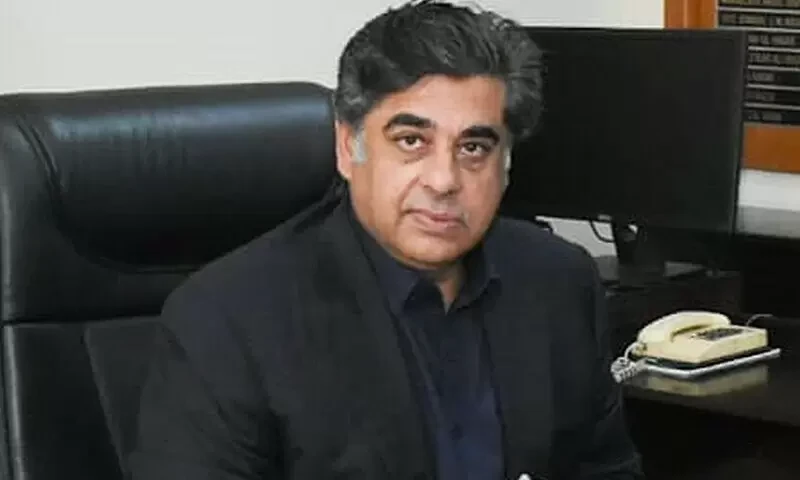
LAHORE: Former caretaker federal minister and prominent industrialist Dr. Gohar Ijaz has raised serious concerns over Pakistan’s economic direction, warning that growing bank deposits alongside declining industrial activity indicate that capital is moving away from productive sectors.


Speaking to *Minute Mirror*, Ijaz said bank deposits had increased from around Rs. 21 trillion three years ago to Rs. 38 trillion, describing the trend as evidence that people were increasingly choosing to keep their money in banks rather than invest in businesses.

He argued that excessive taxation was making industrial activity increasingly difficult. According to Ijaz, an effective tax burden of around 45 percent has discouraged investors and forced several businesses to reduce operations or shut down.

“Three years ago, Rs. 21 trillion was lying in banks. Today, it has increased to Rs. 38 trillion,” Ijaz said, arguing that the country needed to encourage investment in manufacturing, exports and employment instead of allowing capital to remain parked in financial institutions.

He also claimed that Pakistan could address a significant portion of its external debt if the textile industry received appropriate policy support. Ijaz said the All Pakistan Textile Mills Association (APTMA) had been offering for years to help generate enough foreign exchange for Pakistan to repay $10 billion in debt within one year.

According to him, the proposal would require measures such as competitive energy prices, rational taxation, export incentives and a stable policy environment. He maintained that Pakistan’s industrial sector had the capacity to significantly strengthen the country’s foreign exchange position if its competitiveness was restored.

Ijaz also criticised what he described as policy distortions in the sugar sector. He alleged that sugar mill-owning families had benefited from additional profits of approximately Rs. 30 billion per month due to pricing mechanisms, subsidies and regulatory decisions.

He did not present documentary evidence for the figure during the interview but argued that government policies should prioritize consumers, industrial growth and the national economy rather than benefiting a limited number of influential groups.

The former minister further commented on the current political and civil-military leadership, saying the Army and Prime Minister were receiving unprecedented recognition. He expressed optimism that stronger economic policies could enable Pakistan to overcome its financial challenges.

Economists and business leaders have similarly pointed to high interest rates, expensive energy, inflation, taxation and policy uncertainty as major factors behind weak private investment. When bank returns appear more attractive and less risky than establishing or expanding businesses, capital can increasingly shift toward financial assets.

Industry leaders have therefore called for lower and more predictable taxes, competitive electricity and gas tariffs, faster refunds, fewer ad-hoc duties and incentives for export-oriented manufacturing.

Ijaz’s remarks highlight a broader challenge facing Pakistan: having substantial liquidity does not necessarily translate into economic productivity. For the country to generate employment, increase exports and strengthen its ability to repay external debt, more capital needs to flow into productive businesses.

The central question, therefore, is whether future economic policies will encourage investment, manufacturing and exports or continue to make bank deposits more attractive than business expansion.

Similar Posts

  • | | |

    Nawaz Sharif urges PML-N leaders to ignore Naqvi&#…

    Pakistan Muslim League-Nawaz (PML-N) President Nawaz Sharif has reportedly directed party leaders to avoid reacting to recent remarks made by Interior Minister Mohsin Naqvi, stressing that national unity and institutional harmony are essential in the current political and security environment. According to sources, Nawaz Sharif described coordination between the federal government and state institutions as a critical national requirement at a time when Pakistan is facing significant economic, political, and security challenges. He reportedly advised party leaders to exercise restraint and refrain from making statements that could create the impression of differences between the government of Prime Minister Shehbaz Sharif and Chief of Army Staff Field Marshal Syed Asim Munir. The development comes after Mohsin Naqvi’s recent remarks regarding the country’s political system reportedly prompted concerns within sections of the PML-N leadership. Senior party members are said to have conveyed their reservations to Nawaz Sharif during internal consultations. Sources said Nawaz Sharif instructed party leaders to ignore the statement and avoid escalating the matter publicly. He emphasised that the country’s national interest requires maintaining close cooperation and mutual understanding among all state institutions. According to the sources, the PML-N president believes that unnecessary public controversy over individual statements could undermine confidence at a time when the country is confronting multiple internal and external challenges. Nawaz Sharif reportedly maintained that preserving institutional harmony is essential for political stability, effective governance, and addressing the country’s economic and security priorities. He also urged party leaders to remain focused on governance and public service rather than engaging in political disputes that could create perceptions of divisions within the state structure.

  • | |

    Raja Pervaiz Ashraf urges PPP to boycott final AJK…

    ISLAMABAD: Pakistan Peoples Party (PPP) leader Raja Pervaiz Ashraf on Sunday said the party should consider rejecting the results of the Azad Jammu and Kashmir (AJK) elections and boycott the third phase of polling, alleging widespread irregularities and electoral misconduct. Speaking at a press conference alongside PPP leader Sherry Rehman and other party members in Islamabad, the former prime minister clarified that the proposal reflected his personal opinion, adding that the final decision would be made by the party’s central leadership. Ashraf alleged that the elections were neither free, fair nor transparent, warning that such results would fail to gain public acceptance. He said political workers were well aware of constituencies where the party had strong support and accused the authorities of manipulating outcomes in areas where the PPP expected to perform well. Expressing disappointment over the second phase of the AJK elections, he said the PPP had already submitted documented evidence of irregularities during the first phase. He referred to one constituency where polling could not be held because election materials allegedly failed to reach polling stations. Ashraf questioned the explanation, saying election materials are normally delivered a day before polling and not on election day. He argued that such failures reflected serious administrative shortcomings. The PPP leader also alleged that party workers were assaulted and forcibly removed from polling stations during voting. He said the PPP had formed a joint committee with its coalition partner, the Pakistan Muslim League-Nawaz (PML-N), after the first phase in the hope that the Election Commission would ensure greater vigilance during the second phase. However, he claimed that similar incidents were repeated despite those efforts. While acknowledging that the PML-N remains a coalition ally, Ashraf questioned the party’s role in the alleged irregularities. He asked whether such conduct was consistent with democratic values and said transparent elections were the Election Commission’s foremost constitutional responsibility. He further alleged that the Chief Election Commissioner had failed to take action on any major complaint and accused the Election Commission of acting under the influence of a political party. According to Ashraf, the overall conduct of the elections suggested that the process had been pre-planned. The former prime minister also alleged that current AJK Speaker and Acting President Chaudhry Latif Akbar was physically attacked by PML-N supporters. He claimed that Akbar was abused, assaulted and punched during the incident, criticising attempts to describe the episode as a mere verbal altercation. Ashraf further claimed that a long-time PPP worker was killed in the Khawra constituency and questioned the credibility of an electoral process in which, he alleged, violence had overshadowed voting. He also referred to the Kotli constituency, where polling reportedly could not be completed because election materials did not reach polling stations, saying it was the Election Commission’s responsibility to ensure timely delivery. He added that voting was also suspended at several polling stations in the constituency of Bazil Naqvi.

  • |

    Manjrekar slams ‘lenient’ punishment for Jaiswal, Vaibhav

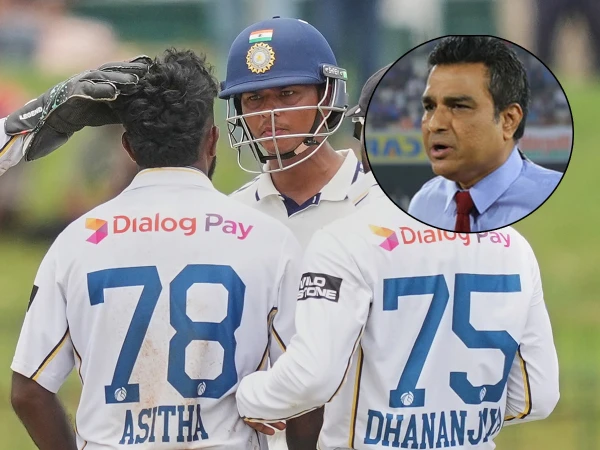
    MUMBAI: Former India batter Sanjay Manjrekar has criticised the International Cricket Council (ICC) for what he described as lenient disciplinary action against Yashasvi Jaiswal and Vaibhav Suryavanshi following separate incidents involving the young Indian players. Manjrekar expressed his frustration on social media after the ICC sanctioned Jaiswal and Sri Lankan fast bowler Asitha Fernando following an on-field confrontation during the Galle Test. Jaiswal and Fernando were involved in a heated exchange after the Indian batter was dismissed. The situation escalated when the two players moved towards each other and their heads made contact, prompting teammates and officials to intervene before the confrontation could develop further. The ICC found both players guilty of breaching its code of conduct and imposed a fine of 25 per cent of their match fees, along with one demerit point each. Manjrekar questioned whether the punishment was strong enough given the nature of the incident. He argued that the authorities should have taken a firmer position on conduct that could potentially undermine discipline and sportsmanship in international cricket. The former India international also referred to an earlier incident involving 15-year-old Vaibhav Suryavanshi, expressing disappointment that the youngster had received only a 50 per cent match-fee fine. His comments have renewed discussion about whether disciplinary measures in cricket are consistent across players and incidents, particularly when young cricketers are involved. The Jaiswal-Fernando confrontation attracted considerable attention because it occurred during a Test match, where players are expected to maintain discipline despite the intense pressure of international competition. The involvement of teammates in separating the two players prevented the incident from becoming more serious. The ICC’s decision means both Jaiswal and Fernando will carry a demerit point on their disciplinary records, although neither player received a suspension. Manjrekar’s criticism adds to the wider debate over how cricket’s governing bodies should respond to confrontations on the field. While fines are intended to punish misconduct, some former players believe stronger sanctions are necessary when physical contact occurs. The controversy also highlights the challenge faced by cricket authorities in balancing firm discipline with proportionate punishment. For now, the ICC decision stands, but Manjrekar’s comments are likely to keep the debate alive over whether international cricket needs tougher penalties for on-field clashes.

  • |

    Putin hails Pakistan on 79th Independence Day

    Russian President Vladimir Putin has extended warm greetings to President Asif Ali Zardari and Prime Minister Shehbaz Sharif on Pakistan’s Independence Day. In his message, Putin congratulated the Pakistani leadership and people on the national occasion and conveyed his wishes for peace, prosperity and continued progress for Pakistan. The Russian president said relations between Russia and Pakistan were developing successfully. He noted that the two countries were steadily expanding cooperation across several areas. Putin said Moscow and Islamabad maintained productive ties in political, trade, economic and humanitarian fields. He also highlighted their cooperation on important regional and international issues. According to the Russian president, continued engagement between the two countries is important for promoting stability in the region. He expressed confidence that bilateral cooperation would continue to grow in the years ahead. Putin reaffirmed Russia’s commitment to further strengthening the partnership with Pakistan across all areas of mutual interest. He said continued cooperation would serve the interests of both countries and their peoples. The Russian leader also expressed hope that the two countries would maintain constructive joint efforts to deepen their relationship and contribute to greater regional and international stability. The message comes as Pakistan marks its 79th Independence Day, with countries across the world extending greetings and reaffirming their ties with Islamabad.

  • | |

    UNESCO raises questions over Pakistan’s Taxila h…

    Islamabad: Pakistan’s ancient heritage sites have come under scrutiny after UNESCO raised questions over conservation work carried out at the historic Taxila archaeological sites of Mohra Moradu and Sirkap, prompting a Senate committee to seek detailed explanations from government officials. The Senate Standing Committee on National Heritage and Culture reviewed UNESCO’s concerns during a meeting at Parliament House and questioned whether restoration work at Pakistan’s internationally recognised heritage sites was being carried out according to global preservation standards. Officials informed the committee that UNESCO had asked for additional information regarding the conservation work conducted by the Directorate General of Archaeology, Punjab, at the Taxila sites. The committee was told that the required details had already been provided to UNESCO by the provincial authorities and no further objections had been received after the submission. Officials assured lawmakers that the restoration work followed UNESCO conservation guidelines and international standards. The meeting was chaired by Senator Hidayatullah Khan and attended by Senators Abdul Wasay, Bushra Anjum, Sarmad Ali and Syed Waqar Mehdi along with senior officials from the Ministry of National Heritage and Culture. During the briefing, officials explained that after the 18th Constitutional Amendment, responsibility for heritage conservation was transferred to provincial governments. They said the Government of Punjab started conservation activities at the Taxila archaeological sites and followed recommendations provided by UNESCO, ICOMOS and other expert organisations. Officials said the conservation strategy focused on protecting the original structure of the ancient remains while using scientific methods. They explained that the work included repairing damaged walls, improving drainage systems, protecting old structures from weather damage and using materials compatible with the original construction. Senator Syed Waqar Mehdi asked officials about the exact concerns raised by UNESCO. Officials explained that UNESCO’s observations mainly focused on the materials used during restoration, the method for rebuilding certain walls and the height of reconstructed structures. They said these issues were reviewed and addressed through detailed documentation submitted to UNESCO. The committee was informed that scientific cleaning and repair methods were used to protect the archaeological remains while maintaining international conservation principles. Pakistan currently has six sites listed as UNESCO World Heritage Sites, while documents for 24 more locations have been prepared for possible future inclusion. Officials told the committee that UNESCO usually considers only one nomination from each country annually.   They said Pakistan has requested UNESCO to give priority to its pending nominations so more historical locations can receive international recognition. The committee also discussed plans to develop Taxila as a major heritage and tourism destination.   Officials informed members that around Rs100 million had already been spent during the current year on conservation activities. They said further projects, including an open air museum and improved visitor facilities, were being considered to attract tourists while protecting ancient sites.   Senator Bushra Anjum stressed that stronger federal monitoring was needed despite heritage being mainly managed by provinces. She said Pakistan must improve tourism facilities around heritage sites, including better visitor services, accommodation options and a sustainable system that creates income while preserving history.   She warned that inappropriate materials or poor restoration methods could permanently damage important archaeological sites.   The committee directed the ministry to provide UNESCO’s official response once received and recommended that members visit the Taxila archaeological sites personally to review the conservation work. The meeting also discussed another major heritage issue involving the recovery of smuggled Pakistani archaeological artefacts from the United States. Officials informed the committee that 513 valuable archaeological artefacts had been returned to Pakistan through cooperation with US authorities. They said the recovered objects mainly belonged to the ancient Gandhara civilisation and had been seized after being illegally taken out of Pakistan over several decades. Officials described the artefacts as priceless national treasures representing Pakistan’s thousands of years of history. The committee was informed that plans were underway to establish a new museum where these recovered items could be safely preserved and displayed to the public. Officials said efforts were being made to acquire land for the museum in coordination with the Capital Development Authority and public private partnership options were also being explored. Committee members demanded details about the people involved in the smuggling network, the investigation process and the estimated value of the recovered artefacts. They directed the ministry to submit a complete report explaining how the artefacts were recovered and what action had been taken against those involved in illegal trafficking. The committee also discussed reports about the demolition of a historic Mughal era arch near Rohara Village for a housing development project. The chairman directed officials to collect complete information about the incident and present a detailed report at the next meeting.

  • Police get 3 days to quiz Mushtaq over F-10 unrest

    An anti-terrorism court in Islamabad has handed over former senator Mushtaq Ahmad Khan to police custody for three days. The order came in a case linked to a protest in the capital. Police produced the former senator along with another suspect named Daniyal before Duty Judge Rukhsanda Shaheen at the anti-terrorism court. During the hearing, the prosecution asked the court for a 30-day physical remand. They said police needed more time to recover a vehicle and weapons allegedly connected to the case. After listening to the arguments, the court approved a three-day physical remand for Mushtaq Ahmad and the other suspects. The court directed police to bring them back once the remand period ends. The case was registered at Islamabad’s Shalimar Police Station on July 31. The complaint was filed by Sub-inspector Ghulam Murtaza. According to the First Information Report, Mushtaq Ahmad led a crowd of around 400 to 500 people who gathered in the capital’s F-10 sector. The report accused him of delivering provocative speeches through loudspeakers. It said his speeches forced nearby shops to close down. It also said the crowd chanted slogans against current government institutions. The FIR further stated that Mushtaq then led the protesters toward Sambal Road. Police say the group intended to march toward Main Jinnah Avenue and block the road there. The district administration reportedly used loudspeakers to tell Mushtaq to end the gathering, since it was being held without a no-objection certificate. Despite this warning, the former senator and his supporters blocked a main road near Shalimar Plaza at around 7:10pm, according to the FIR. The report also accused the protesters of vandalising a media DSNG vehicle along with several private cars passing through the area at the time. It claimed that protesters pelted stones and attacked police officials on duty. The FIR further alleged that some protesters snatched anti-riot helmets from police personnel and threatened them. Police say the case has been registered under relevant sections of the law dealing with terrorism and unlawful assembly. Investigators are now working to gather further evidence, including recovering the vehicle and weapons mentioned in the case. The former senator will remain in police custody during the three-day remand period. He is expected to be produced before the court again once this period concludes, where police may seek further custody or the case may proceed to the next legal stage. The incident has drawn attention to ongoing tensions between political groups and law enforcement in the capital, with authorities stressing that unauthorised gatherings and road blockages will not be tolerated without proper permissions from the district administration.

Leave a Reply

Your email address will not be published. Required fields are marked *